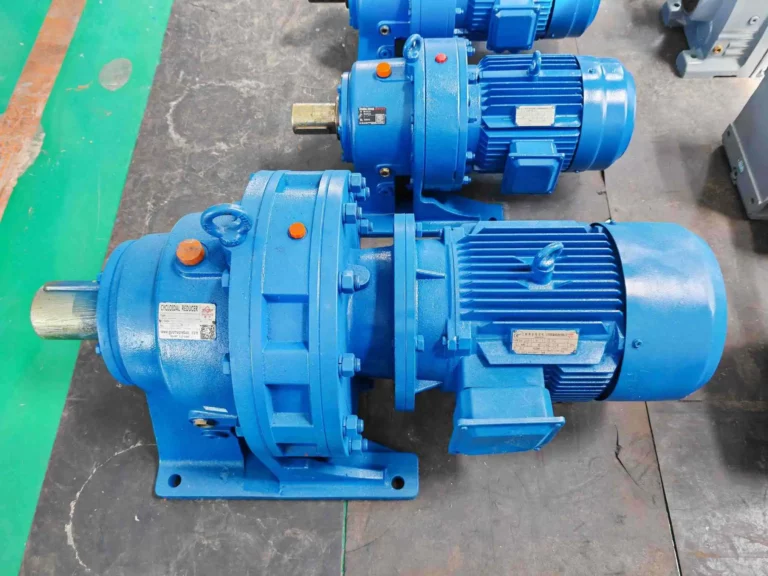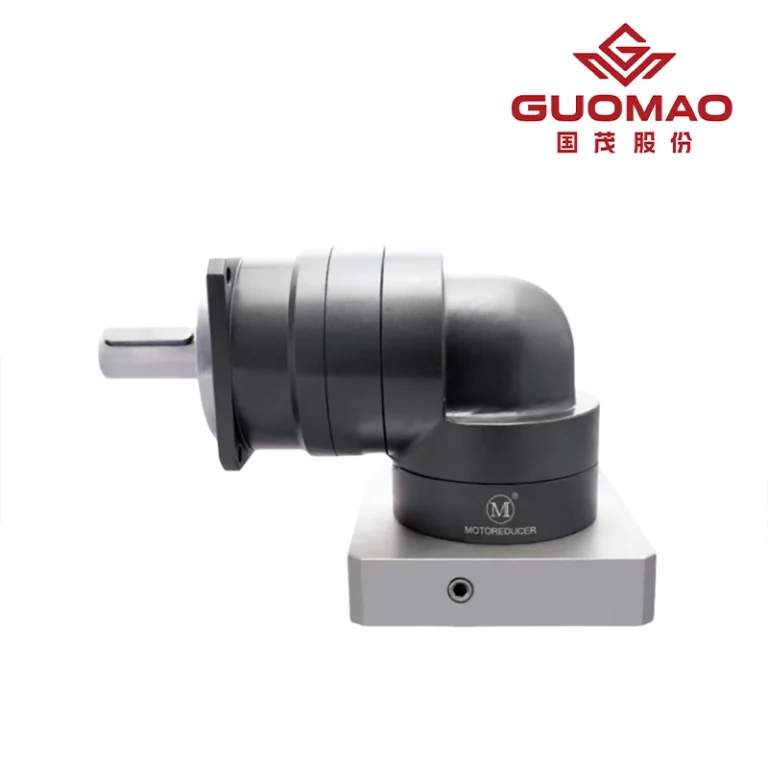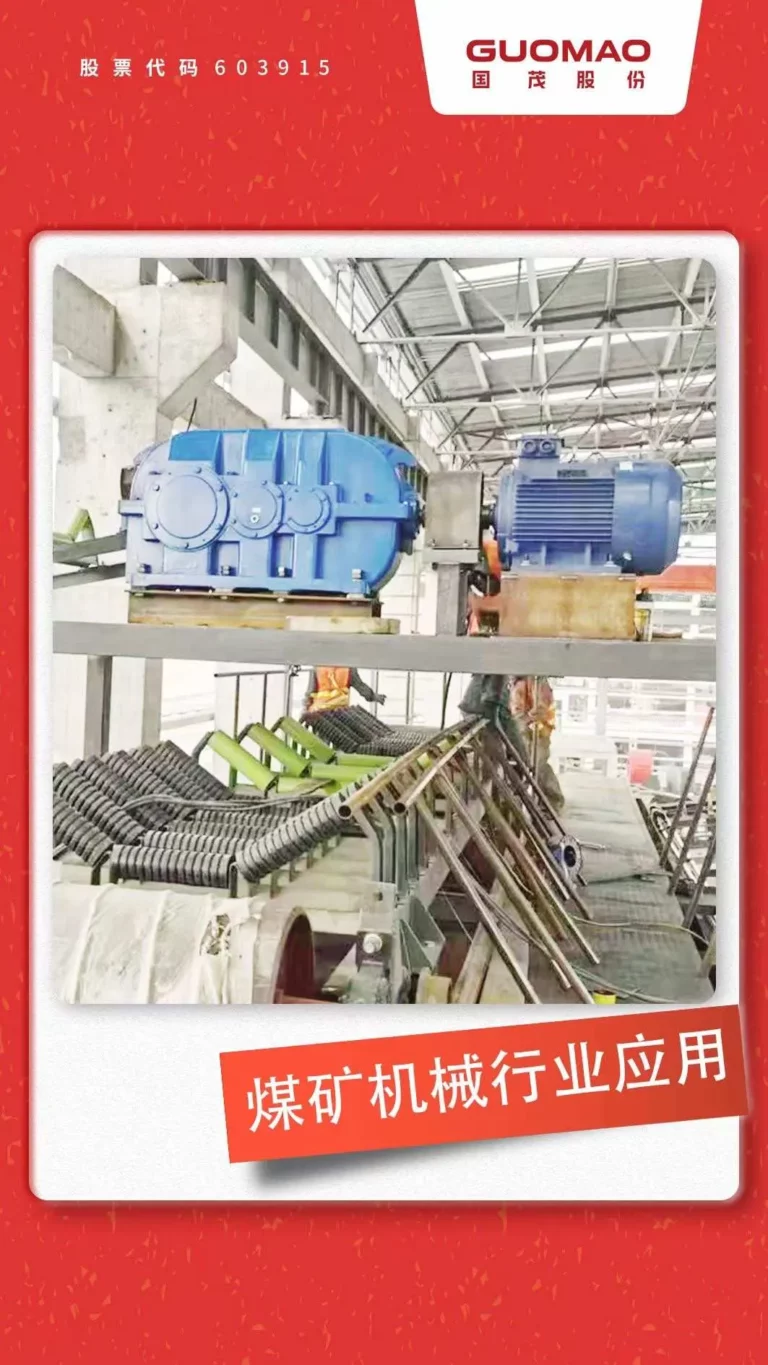



The need for a customized gearbox can come up when a machine’s duty, mounting, number of shafts, thermal environment, or process load is greater than the values for a standard product. Those values are shown in a manufacturer’s catalog. Measured requirements must be put into use in the customization process. Also, a test procedure that can be checked must be recorded.
When Is Customization Necessary?
Identify the requirement a standard model misses
Customization requires a clear reason. This could be an unusual shaft interface, installation envelope, load history, or environmental condition. Write that reason as a requirement that can be checked. Avoid requesting a custom design simply because the existing drive failed. First establish whether selection, alignment, lubrication, or process operation caused the failure.
Specify who owns each unresolved input in the design brief. For example, the machine builder may need to confirm an external force. At the same time, the operator supplies the production cycle. Keep uncertain values visible until they are checked. If a load estimate changes after the design is approved, this should trigger a review of the affected calculations and interfaces. This approach gives the project a clear way to manage uncertainty. It avoids treating estimates as measured operating facts.
Check the operating conditions
Speed, torque, duty hours, number of starts, reversals, shock load, ambient conditions, mounting, shaft loading, braking, lubrication, cooling, etc. Within the boundaries of one standard model, all of these requirements cannot be covered. A specially developed reducer can, however, be designed to minimize interface compromises.
What Does a Custom Design Process Include?
Turn the machine cycle into a design brief
Describe what the driven equipment does during normal operation, starting, reversal, stoppage, and recovery from a jam. Provide drawings with interface tolerances and the direction of applied forces. Separate measured inputs from estimates, and identify which estimates need confirmation before the design is released.
Check out the B系列垂直轴齿轮箱 for relevant configurations, and verify which model you require against your specific installation requirements.
Apply the product boundary
Our non-standard heavy-duty reducers are QY crane reducers, ML mixer reducers, mill reducers, and GM series reducers. We develop solutions by means of calculation, performance design, and solution development. There is no numerical impact multiplier supplied for standard catalog selections that fail to accurately portray the load.
How Should the Load Spectrum Be Defined?
Control changes to the interface
Treat freeze-mounted faces, shaft positions, motor connections, rotation directions, and maintenance access as one unit. Identify each revision clearly. Later changes to pulleys or couplings must be reviewed for new loads and required alignment.
Verify the load inputs
The working-condition coefficient relies on load type, running time, and the number of starts and stops. Motor power, output speed, output torque, ratio, and allowable radial load remain individual selection parameters. The radial load needs to be verified at the precise location where a gear, pulley, or sprocket applies the force.
Which Interfaces Must Be Frozen Early?
Use tests that answer design questions
Running the unit with no load can reveal difficulties with assembly or sealing. Yet this kind of test does not confirm how the unit will perform during a full process cycle. The involved parties need to reach agreement on the loads to use. They must also decide on the speeds, the length of the test, and the installation setup. In addition they should list the elements that will not be tested. This careful approach helps avoid making unrealistic guarantees about service life at the time of commissioning.
You should maintain a commissioning log. This log needs to contain the current drawing revision, the model that has been installed, the lubricant used, the operating conditions, and detailed observations from every test stage. Any unexpected events require a clear description. The team must also note the corrective action that was carried out. All parties need to decide who holds the authority to approve the drive for production use once adjustments have been completed. Such a process ensures that no open question gets overlooked as responsibility shifts from the installation crew to the operators.
If this approach does not match your machine, then we would recommend that you review our H系列摆线平行轴齿轮箱 for your application layout purposes only. Do not copy ratings or operating parameters from this product to the H-Parallel industrial Gearbox.
Review the installed system
Verify shaft centerlines, flange/foot dimensions, drive direction, coupling, brake, motor, sensors, enclosure, foundation, lubrication access, and lifting points. Verify that radial and axial loads are applied as designed. Small errors in interface design can eliminate any benefit gained by a good gear design.
How Are Thermal and Reliability Risks Managed?
Compare customization with a standard arrangement
Assess whether a suitable standard gearbox with modified machine interface meets the requirements. Compare total installed cost, parts availability, change-out time, and acceptance testing against a bespoke unit. A bespoke unit removes constraints, but a well-chosen standard design is not necessarily worse.
Set the monitoring routine
The required checks are lubrication, oil level, cooling, seals, foundation, alignment, noise, vibration, leaks, and temperature. These must be checked according to the documentation of the chosen reducer and the actual installation.
For our reducers, the inspection plan for the lubricant and its level, the cooling, the seals, the base, and the alignment shall reflect the actual installation and the relevant information as contained in the manufacturer’s instructions for that selected unit. Noise, vibration, leakage and temperature shall also be inspected.
What Should the Final Documentation Contain?
Keep a controlled handover package
Make sure the final drawings, selected lubricants, installation instructions, test results and inspection methods are available to the operating team. Note any open assumptions and who will verify them at site. Hand over information in such a way that later substitution of other products or components is checked against original design requirements and not considered equivalent without verification.
Prepare the engineering handover
When we review a drive at 国茂, we consider the load pattern, total operating hours, and frequency of starting and stopping together. We check the requested motor power, reduction ratio, output speed, and output torque individually, rather than treating any one value as a substitute for the others. We also check the permitted radial load at the position where the transmission component applies its force.
常见问题解答
Q: How should a customized gearbox be selected?
A: Perform the real machine cycle. Then check for speed, torque, ratio, shaft loads, mounting, etc. Check the model-specific limits for operation.
Q: What information is needed before installing a customized gearbox?
A: What are the interface drawing dimensions, and how are the parts loaded? What is the operating cycle? What are the ambient conditions? What lubricants are required? What access is required for inspection and part removal?
Q: Can a customized gearbox be judged by motor power alone?
A: No. Output speed, torque, reduction ratio, external loads, and the operating cycle all need to be checked separately.
Q: How should a customized gearbox be commissioned?
A: Perform an installation check and lubrication check, then test at increasing loads. Record the baseline data when running under representative conditions. Proceed to normal production running after that.
Q: What should operators monitor on a customized gearbox?
A: Monitor temperature, vibration, noise, oil leakage, and lubricant condition. Compare with previous readings operating at the same rpm and loading. Changes should be investigated before increasing to a higher service.