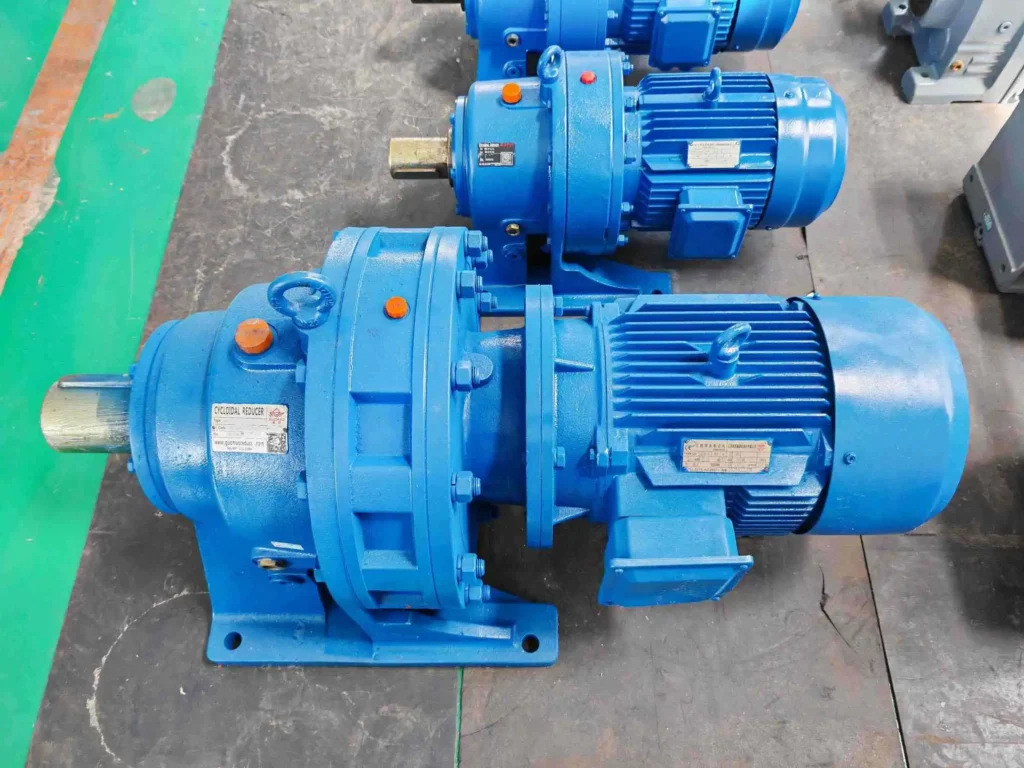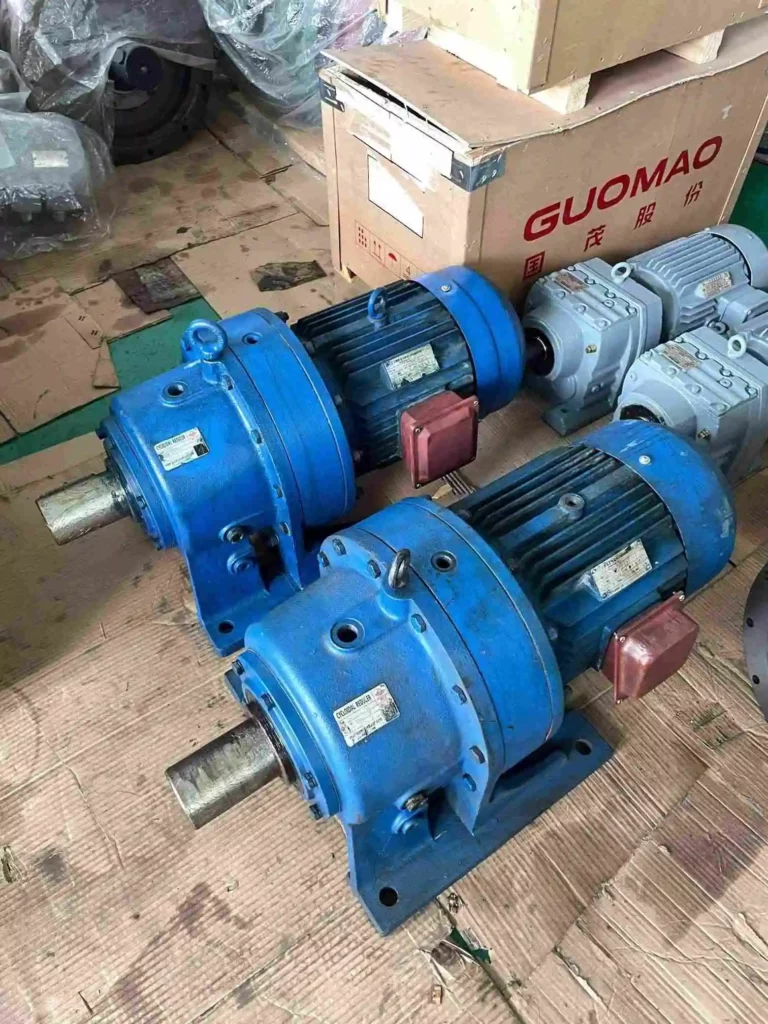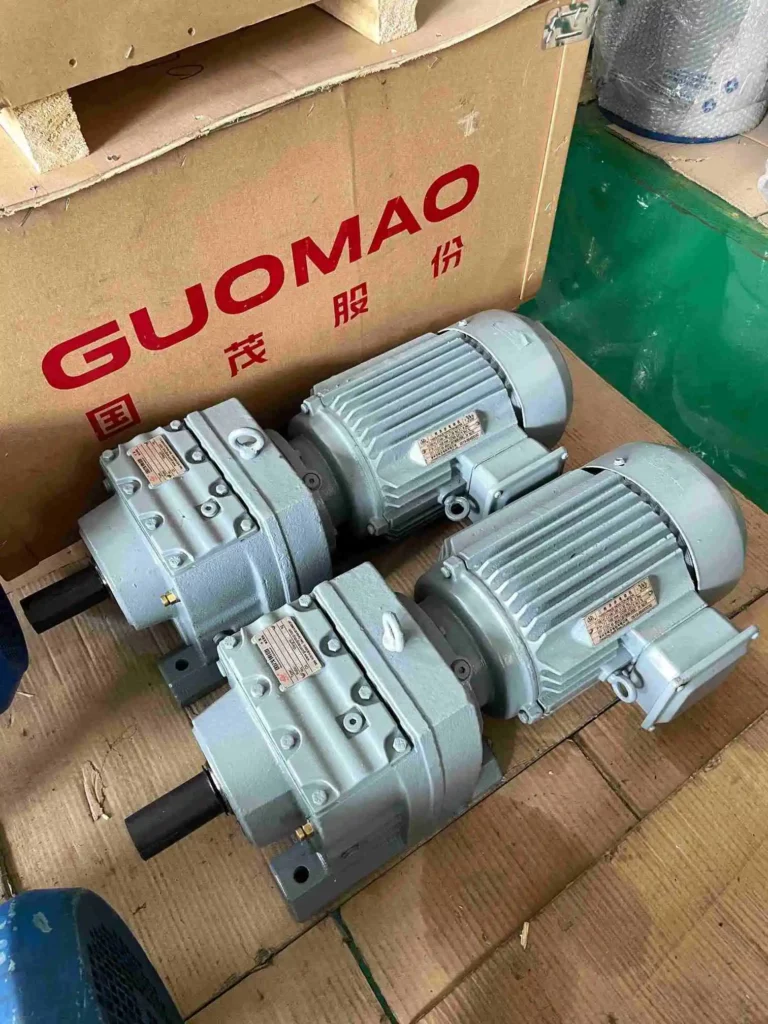
Cycloidal Gear Reducer Trends for 2026: What Manufacturers Should Know

目录

What Are Cycloidal Gear Reducer Trends in 2026 for Industrial Automation?

The development of the cycloidal gear reducer in 2026 comes mainly from changes in industrial automation design. These changes include a move toward high-density torque systems, compact drive units, and intelligent motion control platforms. In many manufacturing sectors, demand keeps growing for reducers that manage changing loads. They also need good positional stability and long service life.

One clear trend involves the use of condition-based maintenance systems. Modern drive systems now support vibration monitoring, thermal sensing, and lubrication condition tracking instead of fixed maintenance cycles. This approach matters a lot in continuous production environments. The downtime must stay as low as possible.

Another visible trend shows growth in robotics and precision automation. Cycloidal structures often get chosen where shock resistance and stiffness matter more than very high speed.

Key 2026 directional shifts include:

  1. Increased use in robotics joints and servo-driven systems
  2. Higher adoption in conveyor and material handling automation
  3. Growing demand for compact high-torque density reducers
  4. Strong focus on thermal stability and lubrication optimization

At Guomao, we align with these requirements by designing industrial gear systems. These systems prioritize torque stability, structural rigidity, and operational reliability under continuous load variation.

Guomao Reducer12 Cycloidal Gear Reducer

How Does a Cycloidal Gear Reducer Work Under High Shock Load Conditions?

The working principle of a 环形齿轮还原器 is quite different from conventional gear systems. It does not rely on single-point gear tooth engagement. Instead, cycloidal mechanisms use multiple tooth contact points. These points are spread across a rotating cycloidal disc.

Cycloidal motion principle and multi-tooth engagement transmission mechanism

The input shaft drives an eccentric bearing. This bearing causes the cycloidal disc to rotate in a rolling motion against a ring gear. The process creates a reduction effect through controlled offset motion. It does not use direct gear tooth sliding.

This multi-point contact structure allows several benefits.

  1. Continuous load sharing across multiple teeth
  2. Reduced stress concentration on individual gear surfaces
  3. Improved resistance to sudden impact loads

Load distribution characteristics compared to traditional gear meshing

Cycloidal designs spread the load more evenly than spur or planetary gear systems. This even spread clearly improves fatigue resistance. The feature becomes very important in applications with frequent start-stop cycles or irregular torque input.

Why cycloidal design improves impact resistance and operational stability

The system keeps multiple simultaneous contact points. Because of this, sudden torque spikes get absorbed across a broader mechanical interface. This process reduces vibration. It also improves operational smoothness in high-load environments.

What Are the Key Engineering Performance Drivers of Cycloidal Gear Reducers in 2026?

In 2026, performance expectations for a cycloidal gear reducer go beyond torque and ratio alone. Manufacturers now check structural efficiency, thermal control, and lifecycle stability as combined performance indicators.

Torque density improvement driven by compact multi-point contact design

旋轮减速器 reach high torque density. They do this because the load spreads across multiple contact zones. The design allows smaller housing sizes while keeping high output capability. This makes them suitable for space-constrained machinery layouts.

Material upgrades and precision manufacturing processes

Industrial-grade reducers need advanced metallurgy and machining accuracy. In our production systems, we apply several steps.

  1. High-strength alloy steel for key transmission components
  2. Carburizing and heat treatment for surface hardness improvement
  3. Precision grinding processes to ensure gear accuracy and meshing stability

These processes ensure long-term durability under continuous industrial load conditions.

Thermal management, lubrication stability, and forced cooling integration

Thermal control remains a critical factor in high-duty industrial applications. Based on our gearbox engineering experience, stable operation depends on several elements.

  1. Controlled oil circulation systems
  2. Proper viscosity selection for industrial gear oil
  3. Optional forced lubrication and cooling configurations for high-load environments

Our industrial reducer designs include structured lubrication pathways. These pathways maintain consistent operating temperature and reduce wear under continuous duty cycles.

Cycloidal Gear Reducer vs Planetary and Harmonic Drive: Which Is Better for Manufacturers?

Selecting the right transmission system depends heavily on application conditions. It does not rely on theoretical efficiency alone.

Cycloidal vs planetary reducers: shock load tolerance and rigidity differences

Planetary gear systems see wide use because of their compactness and efficiency. Yet cycloidal systems offer better shock load resistance due to multi-tooth engagement. This makes cycloidal designs more suitable for applications with sudden load variation.

Cycloidal vs harmonic drives: precision transmission vs load capacity trade-offs

Harmonic drives provide very high precision. However, they react more to overload conditions. Cycloidal reducers give a better balance between precision and mechanical robustness. This balance helps especially in industrial environments where overload cannot be fully controlled.

Selection logic for industrial applications

A simplified engineering comparison:

Factor 摆线的 Planetary Harmonic
Shock resistance Medium
Precision Medium Medium 非常高
负载能力 Medium
Maintenance tolerance Medium

Where Are Cycloidal Gear Reducers Used in Modern Industrial Systems?

The application scope of cycloidal gear reducer technology keeps expanding. Industries now move toward automation and higher load efficiency systems.

Robotics and automated production lines

In robotic joints and automated positioning systems, cycloidal reducers receive value for their stiffness and backlash control characteristics. Their compact structure supports integration into servo-driven assemblies.

Conveyor systems and extrusion equipment

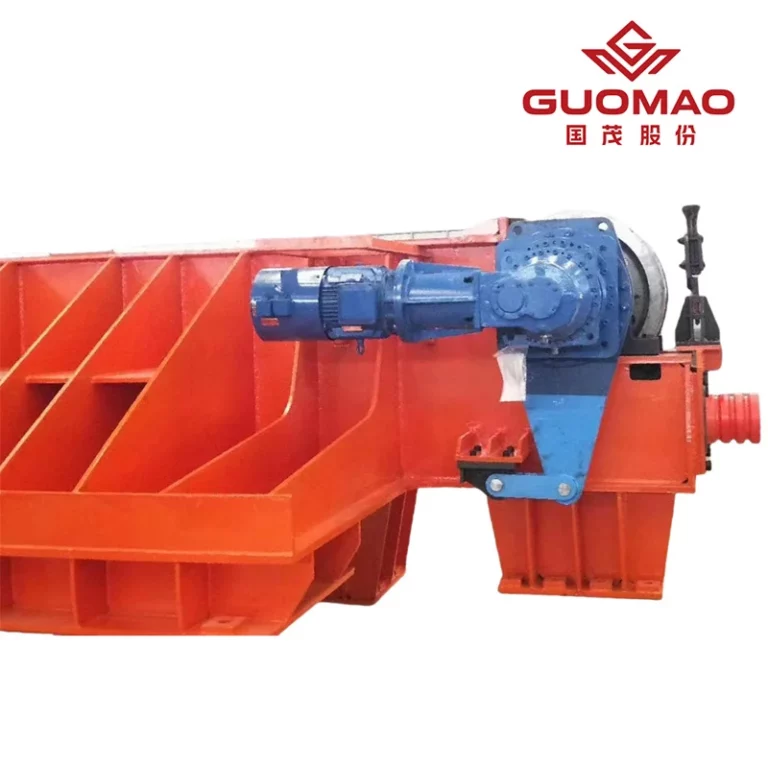
In heavy-duty conveying and extrusion systems, torque stability remains essential. Our industrial reducer solutions handle continuous axial and radial loads. In extrusion systems, for example, thrust bearing configurations and axial load handling structures play a critical role. They help maintain operational stability under screw-driven torque conditions.

Rubber machinery and processing equipment

Rubber processing environments create strong torque fluctuations and impact loads. Cycloidal reducers work well because they maintain stable output under variable resistance conditions.

在 国茂, we design industrial gear reducers with emphasis on load continuity, structural rigidity, and long-term operational reliability across such demanding environments.

Guomao Reducer7 Cycloidal Gear Reducer

How Should Manufacturers Select and Maintain Cycloidal Gear Reducers in 2026?

Correct selection and maintenance remain essential. They ensure long service life and stable performance.

Load calculation and speed ratio selection

Selection begins with several factors.

  1. 所需输出扭矩
  2. Input motor speed
  3. Duty cycle characteristics
  4. Impact load frequency

Engineers must ensure the rated torque capacity exceeds operational demand. They should include an appropriate service margin.

Installation, alignment, and mechanical integration

Proper installation directly affects gearbox lifespan. Key requirements include several points.

  1. Stable and vibration-free foundation
  2. Accurate shaft alignment between motor and reducer
  3. Use of elastic couplings to reduce misalignment stress
  4. Avoidance of direct hammering on the shaft ends

These principles match industrial gearbox installation standards used in heavy-duty transmission systems.

Lubrication strategy and preventive maintenance

Long-term reliability depends on lubrication stability and thermal control. Industrial reducers typically require several steps.

  1. High-grade industrial gear oil suitable for closed systems
  2. Regular oil level and contamination checks
  3. Inspection of seals, bearings, and cooling circuits
  4. Monitoring of operating temperature under load conditions

Proper maintenance significantly reduces wear in cycloidal transmission systems. These systems often operate under continuous load.

常见问题解答

问: What is a Cycloidal Gear Reducer, and how does it differ from other gear systems?

A cycloidal gear reducer uses eccentric motion and multi-point contact to transmit torque. This differs from traditional gear systems that rely on single-tooth engagement. The approach improves shock resistance and load distribution.

问: Why is a Cycloidal Gear Reducer preferred for high-torque industrial applications?

It distributes load across multiple contact points. Because of this, it handles high torque density and sudden load variations more effectively than conventional gear mechanisms.

问: What are the main advantages of Cycloidal Gear Reducer technology in automation systems?

Key advantages include high rigidity, compact structure, strong overload resistance, and stable operation under frequent start-stop cycles in automation environments.

问: How should lubrication be managed in a Cycloidal Gear Reducer system?

Lubrication should follow industrial closed-gear standards. It uses high-quality gear oil with periodic monitoring of oil condition, temperature, and circulation efficiency.

问: What are common failure causes in Cycloidal Gear Reducer systems?

Common issues include improper installation, alignment, lubrication, degradation, overload conditions, and insufficient thermal management during continuous operation.

分享此帖子:
最近的新闻
Improving Planetary Gearbox Efficiency for Better Energy Savings in Manufacturing
为什么原始设备制造商 (OEM) 更倾向于为定制机械采用模块化齿轮传动装置
工业齿轮箱选型指南:立式轴与平行轴设计
工业齿轮箱选型指南:立式轴与平行轴设计
有疑问吗?