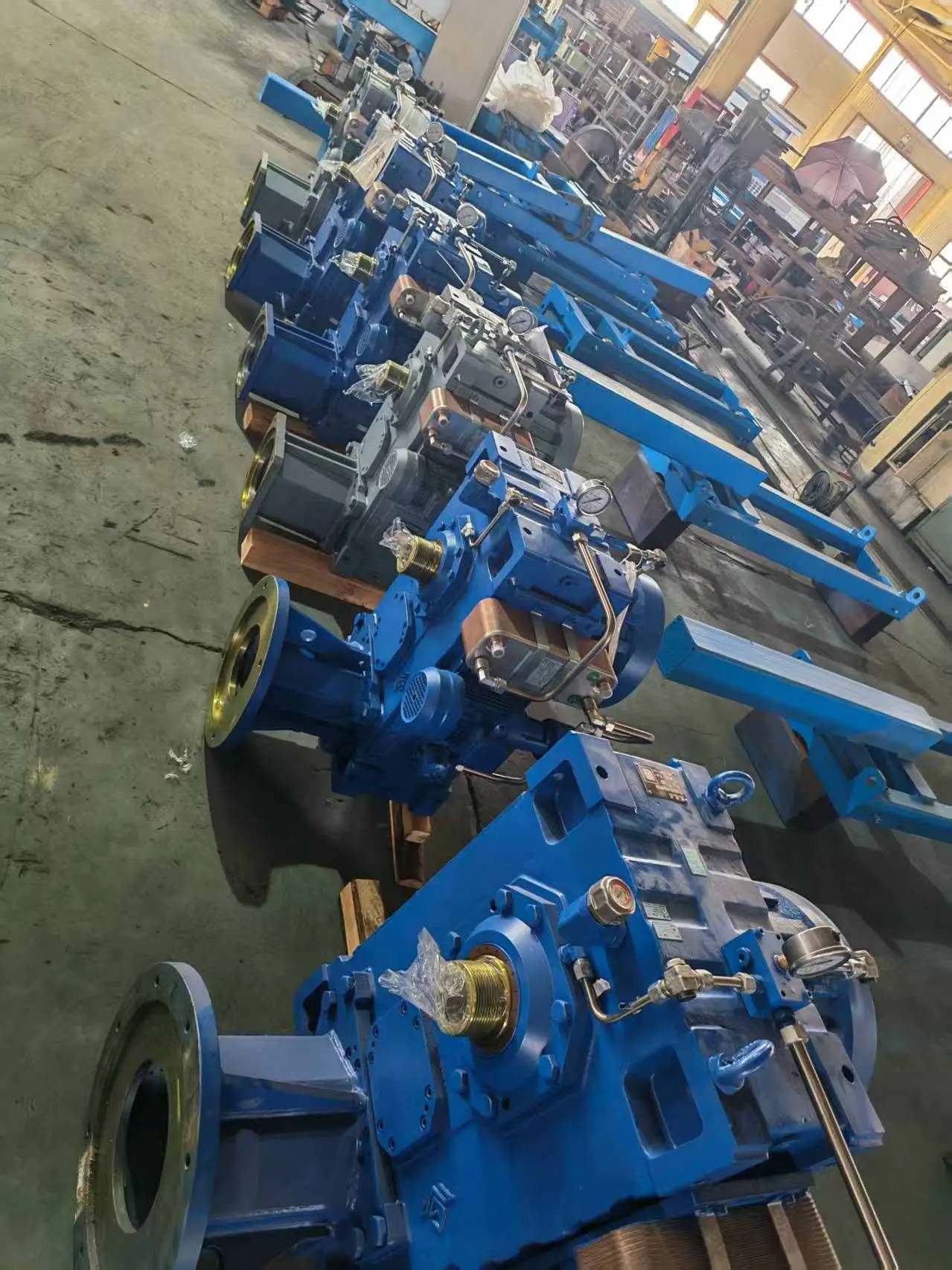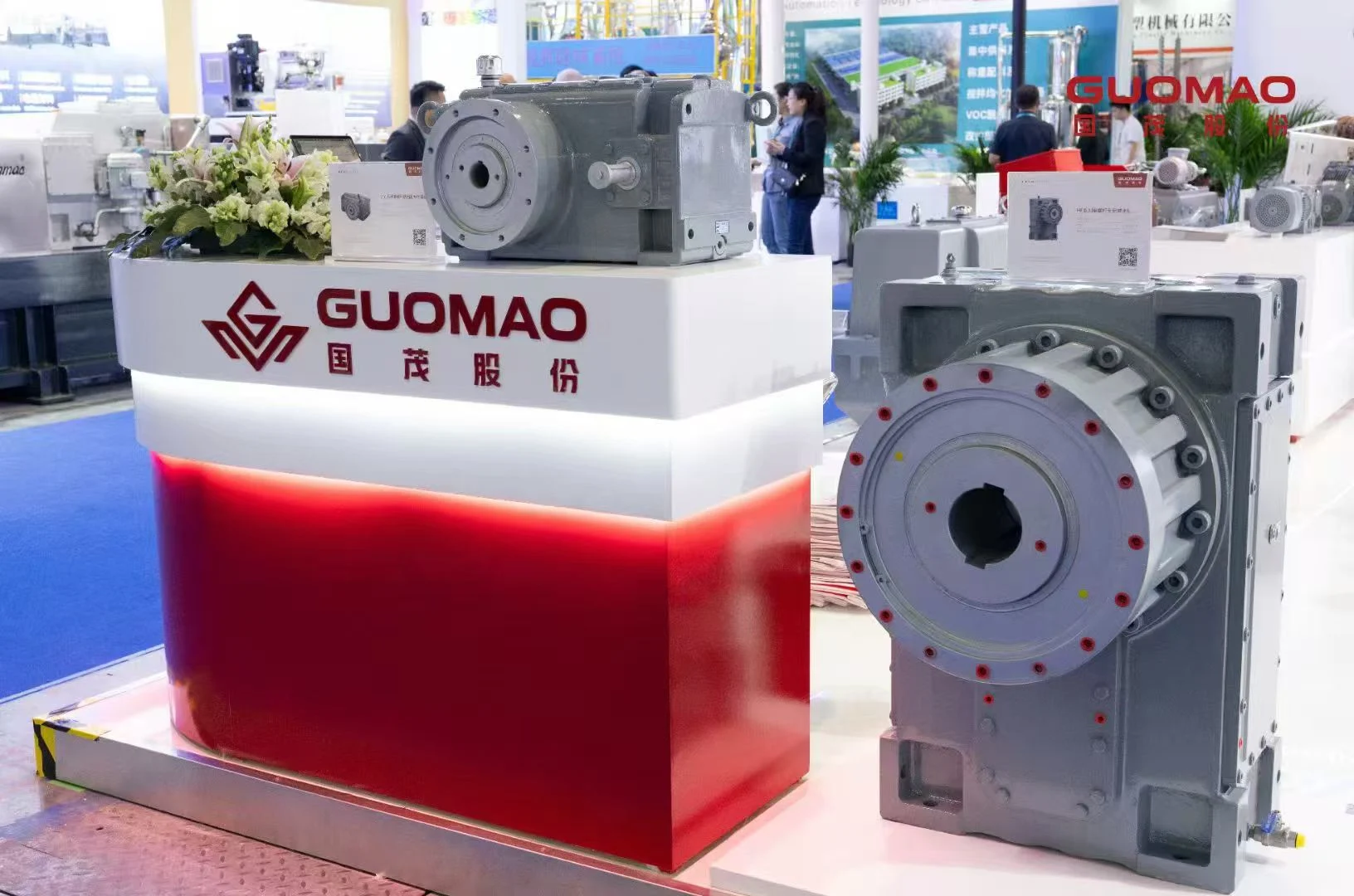



Gearbox assembly cleanliness matters because whatever remains inside the housing when it closes can reach the gears and bearings as soon as the oil circulates. A few minutes spent tracing where particles could enter tells a reliability team more than a look at the painted exterior. Ask three questions at handover. What kept debris out before assembly? What did the factory test actually verify? What evidence will maintenance collect when the unit starts running on site?
Where Does Gearbox Assembly Contamination Come From?
What stays inside the housing
Debris left in a housing during assembly can mix with the lubricant once the gears begin to turn. Wear particles produced during operation can also accumulate in the oil, so debris found in service may have more than one origin. Before closing the housing, look where a straight view across the casting will miss things. A recessed drain area, a blind hole, and the space behind a shoulder belong on the inspection list. If a part goes back for rework, include its affected surfaces in the next cleaning and inspection.
What enters through an opening
A washed housing can pick up dust while it waits for a cover, and a lubricant transfer hose can carry debris through a fill port. Check the sequence in which temporary plugs come off and permanent fittings go on. If there is a delay, protect the opening while the job is paused. Treat the first oil fill as a continuation of assembly cleanliness. A sealed container protects its contents during storage. Once it is opened, how the lubricant reaches the gearbox becomes part of the contamination check. Identify the container, pump, hose and fittings that will touch the oil and make sure they are clean before the transfer begins.
How Do Particles Shorten Gearbox Life?
Damage starts at the loaded contact
A hard particle trapped between rolling surfaces can leave a permanent indentation. Once the particle has gone, the damaged surface still passes through the loaded contact on every revolution. Cleaning the oil limits further exposure, but it cannot repair a dent already present in a bearing raceway. How much damage a particle can do depends in part on its size and hardness and where it travels in the gearbox.
How initial damage becomes a wear problem
Once a raceway is damaged, the next question is whether the bearing condition is changing under load. If a gearbox already shows a change in vibration or sound, keep the pre-change observations and oil findings together. They give the maintenance team a record to compare with the readings after the change. Check whether those readings were taken at a comparable speed and load before assigning significance to the difference.
How Can Assembly Teams Keep the Gearbox Clean?
Protect cleaned parts until closure
Follow one component from the wash area to its assembled position. Where does it rest, what touches it, and how long is it exposed? A bearing taken from a clean package can still pick up debris from a fixture or tool. Keep cleaned and uncleaned components apart, and keep covers handy at the workbench. If a part sits uncovered while someone retrieves a fitting, inspect it again before it goes into the housing.
Check the last points of entry
Clean the area around an inspection opening before removing the cover. Dust on the outside of the housing can otherwise fall inside during an inspection. If the unit has a filter, check it as directed by the maintenance instructions. Apply the same attention at receiving. Look for missing caps and damaged packaging before moving the gearbox into storage, and document any opening left exposed in transit.
What Should Buyers Ask for at Gearbox Acceptance?
Separate cleanliness from assembly precision
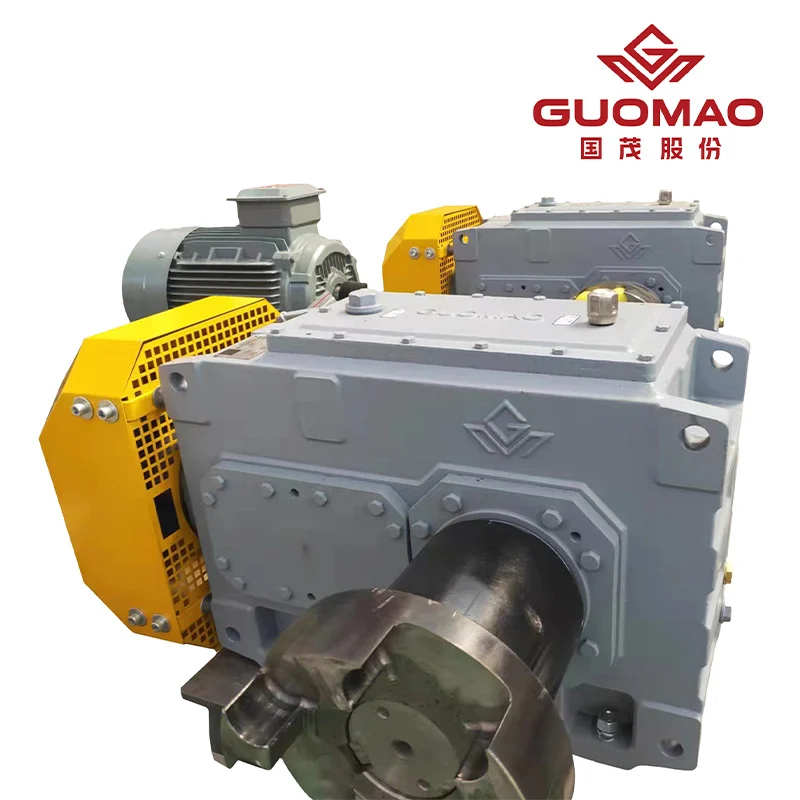
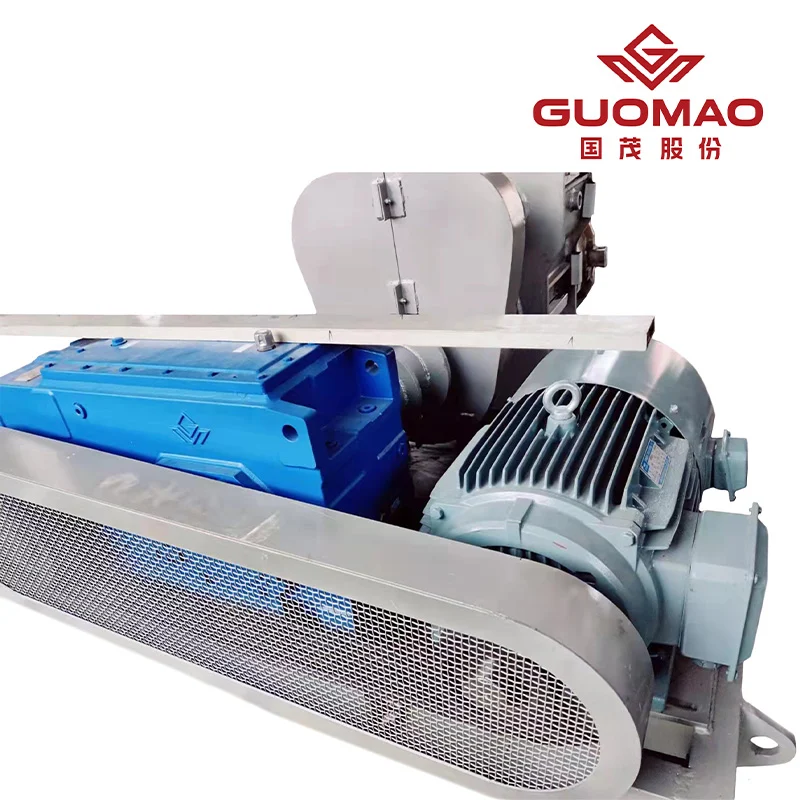
At Guomao, our H and B industrial gearboxes are built using a clean assembly process. Precision in assembly and strict factory testing are separate parts of the manufacturing approach. Our H-параллельная промышленная коробка передач has parallel input and output shafts. Its installation can be horizontal or vertical depending on the equipment layout. Confirm the mounting position when discussing how the site will access fill, drain and inspection points.
Confirm what the factory test covers
Ask which checks apply to the ordered configuration and which results appear on the release record. If the gearbox is shipped without its operating oil, give the receiving team the fill specification and identify who owns the first sample. That handover makes it possible to separate what was verified at the factory from what happened during filling. Our B-Вертикальный промышленный редуктор uses a 90-degree arrangement between the input and output shafts. Whether the specification calls for a parallel or a right-angle arrangement, agree in advance how any cleanliness requirement will be checked and documented. If the purchase specification calls for an oil sample, agree on the sampling point, timing and acceptance criteria.
What Should Maintenance Teams Check at First Startup?
Make the first oil sample comparable
Before the unit goes into service, note what oil went in, when it was filled and where the sample was taken. Include the operating hours and whether the gearbox was running or recently stopped, as specified by the sampling procedure. Take later samples under comparable conditions. If the sampling point changes during commissioning, log the change. A reading taken at a different point or after a different settling period may describe a different part of the system. Teams looking across several gearbox configurations should keep separate records for each unit, so the comparison follows the same gearbox over time.
Decide when deposits warrant flushing
Heavy deposits or serious contamination can justify a flush under the applicable maintenance procedure. Check the specified fluid and the flushing instructions for the unit before proceeding. Keep the oil analysis and inspection findings with the service record. If debris returns, assess whether the source is still present or whether a component is generating wear particles. The evidence from before and after the work helps decide what to inspect next.
Часто задаваемые вопросы
Q: What causes gearbox oil contamination?
A: Typical sources include debris left during assembly, dirt introduced through openings or transfer equipment, and particles generated by wear. When contamination appears soon after startup, review the assembly, storage and filling records alongside the oil results.
Q: What do metal particles in gearbox oil mean?
A: Metal particles in gearbox oil can come from assembly residue or from gears and bearings wearing in service. Compare samples and other operating evidence before assigning a cause.
Q: When should gearbox oil be flushed?
A: Gearbox oil may need flushing after heavy contamination or deposits are found. Use the manufacturer's procedure for the unit and the specified fluid. Record what led to the flush and when the next sample will be taken.
Q: Can dirty gearbox oil damage bearings?
A: Yes. Hard particles can leave dents where the rolling elements contact the raceways. Those dents can remain after an oil change, so investigate any persistent change in running condition.
Q: How can I check gearbox oil cleanliness?
A: Take a representative sample using the procedure specified for the unit. A laboratory can report particle counts where appropriate. Compare results with the agreed target and earlier samples from the same point under comparable conditions.