


Which Mining Machines Need Industrial Gearboxes?
Where do conveyor and reclaimer drives carry the load?
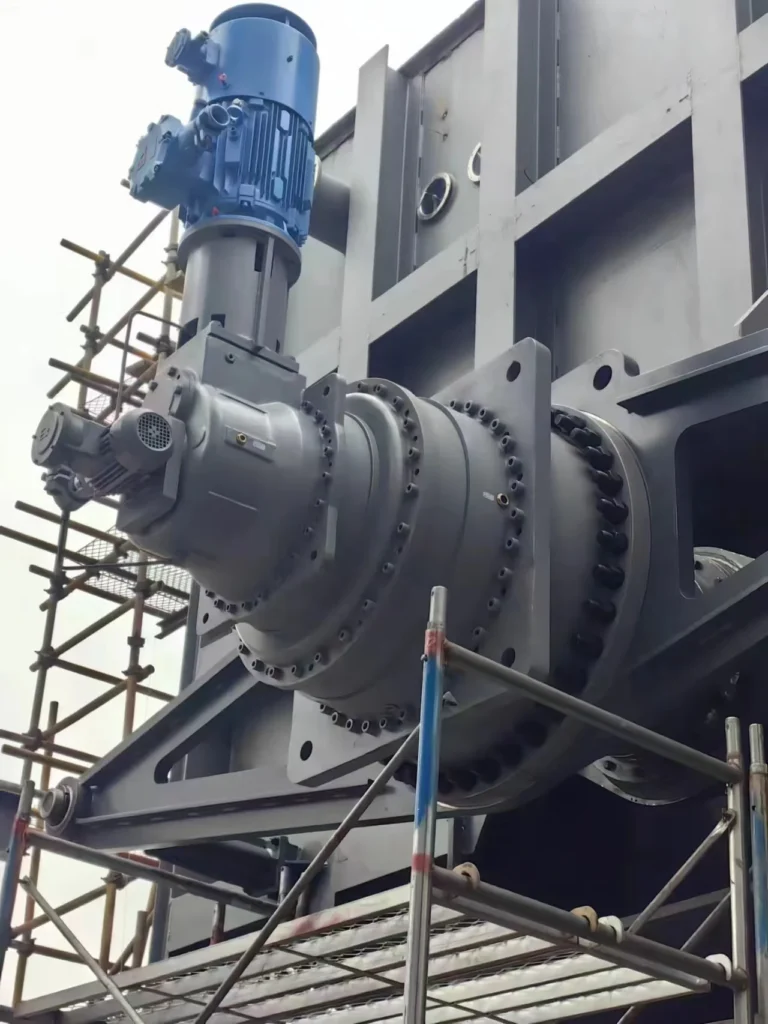
Material rides a conveyor to the next stage, gets stacked in piles, and is retrieved by a reclaimer. Similar locations do not imply shared loads. Draw each motor, coupling, gearbox, output shaft, pulley or wheel, support, and material load before comparing them.
For the conveyor, note how long it runs before stopping and whether the start pulls a full belt. Count restarts by shift and identify interruptions. On the stacker or reclaimer sketch, show where the moving equipment carries load; a fixed-belt assumption would hide that difference.
What loads do crusher and bucket elevator gearboxes face?
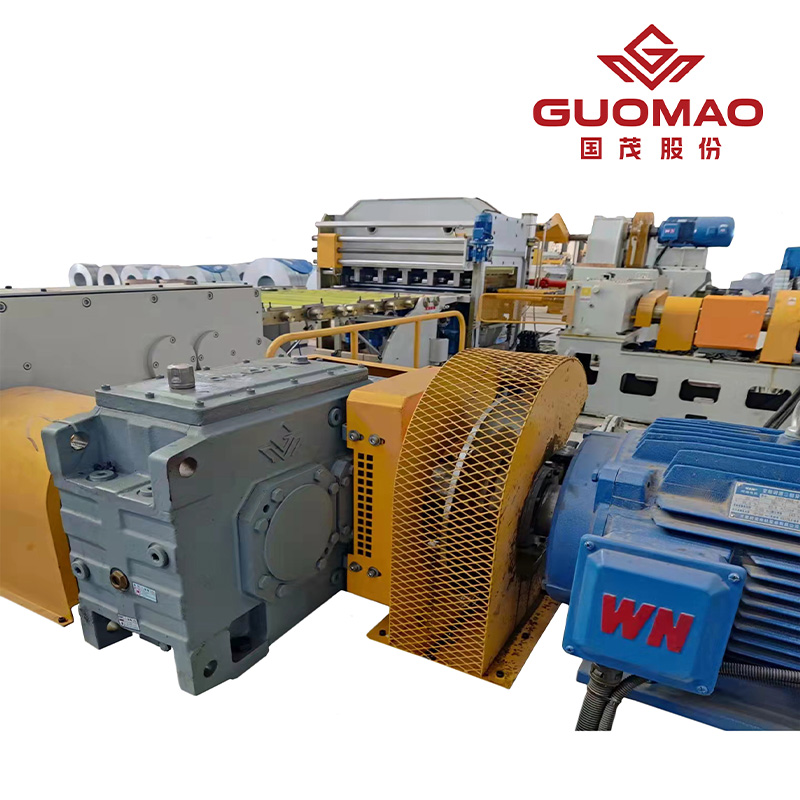
Crusher feed can change abruptly. Log when and if material arrives, followed by any surge activity in relation to when the drive sees that peak. Unlike a typical long, steady run of a conveyor line where the gear and bearing loads are also constant over time, the history of torque matters. A conveyor may run long and steady, but the history of torque is what matters to gear & bearing loads
For a bucket elevator, trace belt pull back to the output shaft and its supports. Its motor may work many hours as a conveyor motor, but the forces reach the gearbox differently. Document required speed and steady torque, then record a loaded start. The schedule is shared; the load case is not.
How Do Mining Gearbox Loads Change During Operation?
Why do conveyors combine long hours with loaded starts?
Put a loaded start in the duty record. Running torque may be steady; startup accelerates belt and material together. If the drive reverses, sees a surge, or moves high inertia, mark that event and its frequency. Service-factor and fatigue review then have a timeline of stress that the motor rating cannot provide.
How do crusher surges create a different duty profile?
In a crusher, the peak may matter more than the average. Ask whether a surge follows a change in feed and whether the machine starts empty or with material already inside. Note when either condition occurs during the shift. If another shift feeds the crusher differently, keep its record apart. Compare the sequences: a brief peak seen on only one shift still matters to gear and bearing selection.
Which Data and Drawings Guide Industrial Mining Gearbox Selection?
Which speed and torque figures describe the duty cycle?
Take two drives with the same motor rating. One turns a loaded belt from rest; the other meets a short crusher surge. Motor speed divided by machine speed gives the reduction ratio, but says little about either peak. Record the running, starting, and surge torque alongside that ratio before sizing.
Take a shift and trace it from start to shutdown. How long is the steady run? When does the belt restart full, the crusher surge, or the drive reverse? Count those events, including any high-inertia start. Note which restart followed an unexpected stop. This is the sequence behind a service-factor and fatigue review; an average torque figure would erase it.
Which shaft loads and installation details need review?
Imagine a pulley beyond the output bearing. Its distance from support matters too. On a drawing, start at the motor, follow the coupling through the gearbox to the pulley or wheel, and mark each support. Arrows for radial and axial force show what the bearings and structure must carry.
Use a second page for the operating figures: input and output speeds, continuous torque, startup and short peaks, the event sequence, and any shaft forces. Add mounting orientation, space restrictions, lubrication, and cooling. Keep the drawing and duty sheet together. If the team has not measured a shaft force, name the person responsible and leave that figure open. Selecting a bearing around a guessed value creates a false certainty.
How Do H and B Gearboxes Fit Different Mining Drive Layouts?
When does a parallel-shaft H arrangement suit the power path?
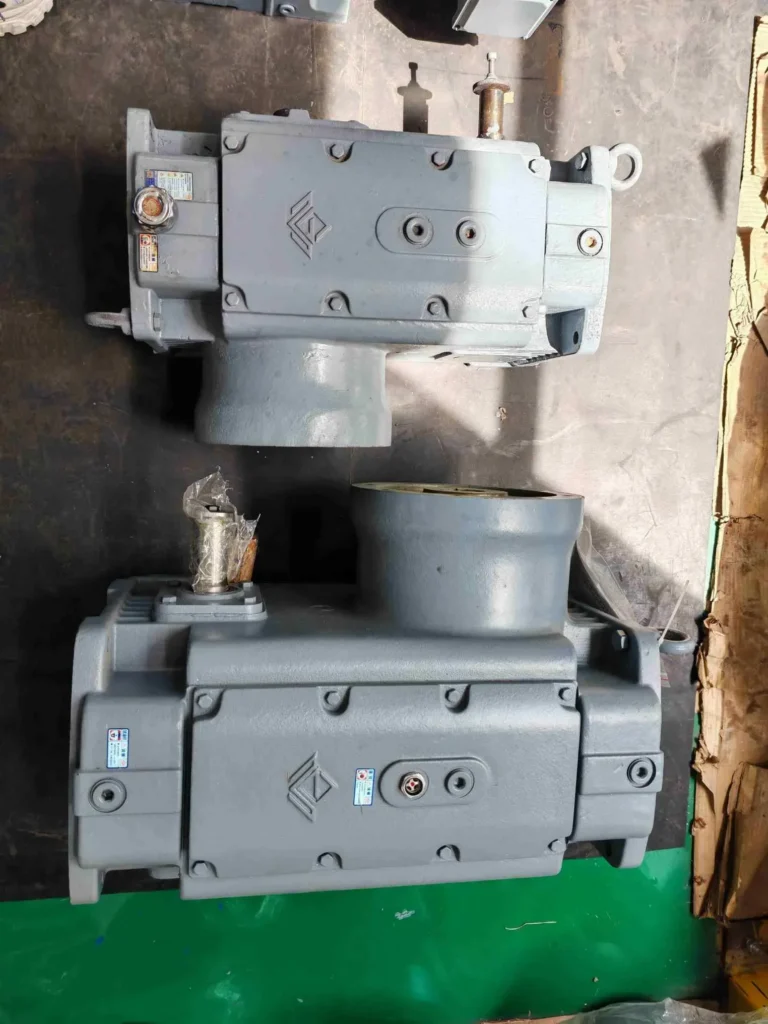
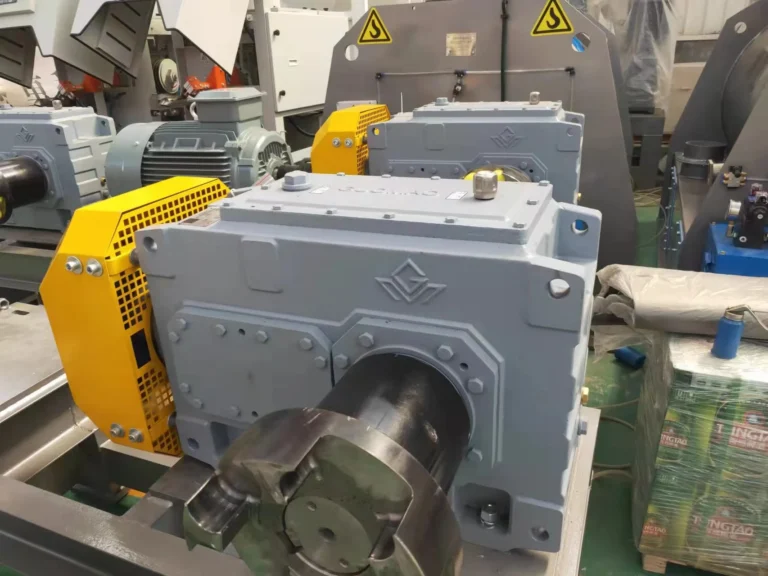
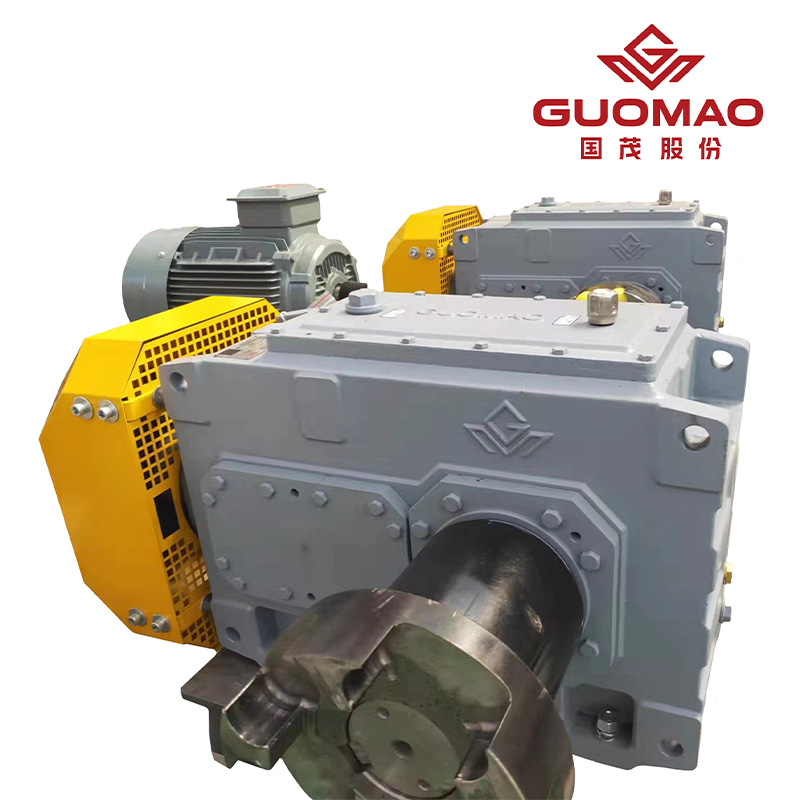
H Series Industrial Gearbox for Heavy Machinery: Conveyors, Crushers. Bucket Elevators and Stacker-Reclaimers. But during selection, these factors have to be considered collectively with load-carrying capacity, smooth engagement, and noise. Secondly, when it comes to an H-Parallel Industrial Gearbox? you can select a horizontal or vertical installation type based on the layout. H-Parallel Industrial Gearbox→ Applicable to Horizontal or vertical installation.
For a proposed parallel-shaft drive, place the H arrangement on the installation sketch. Does its output align with the machine, and where will shaft forces enter the support structure? Check mounting and output loads against the complete duty cycle before selecting a configuration. Review the H-Parallel Industrial Gearbox with those questions in hand; its application category alone is not a size recommendation.
When can a right-angle B arrangement solve a layout constraint?
A B-Vertical Industrial Gearbox turns the drive through 90 degrees. It may fit a restricted floor plan or vertical installation. Start with the motor and machine positions on a plan: where does the shaft load go? Beside the drawing, put mounting position, radial and axial forces, lubrication, cooling, and operating cycle.
Draw the B and parallel-shaft options against the same motor and machine positions. One may simplify the route to the driven shaft while changing where supports carry the load. Compare those support points and the available space before asking for a duty review. Review the B-Vertical Industrial Gearbox as a right-angle candidate, then verify its configuration under the actual operating cycle.
How Can Mine Operators Support Gearbox Reliability?
How should lubrication and cooling reflect actual duty?
A temperature reading needs its documented load context. Set it beside hours run, starts, and peak events. A rise following longer shifts suggests a different thermal duty; deteriorating oil or a changed lubrication method points the review elsewhere. Then assess a fan, external oil circulation, or air cooling.
When duty changes, compare running and peak torque with hours and interruptions; was the original service factor chosen for this pattern? Are bearing capacity and structural rigidity adequate? Check gear accuracy, materials, manufacturing, and assembly accuracy too. The conveyor belt gearbox reliability in continuous material handling checklist offers drive-duty and thermal checks.
Which operating changes should trigger a gearbox review?
A longer shift changes exposure time; extra starts or stronger surges change the peak pattern. New speed, mounting, or shaft force may change the load path itself. Compare the record with the specification used when the gearbox was chosen. Earlier approval covers its original conditions.
On each dated line, pair temperature with hours, starts, stops, interruptions, surges, and oil condition. Mark a lubrication or cooling change before comparing readings. With both records, we at Guomao can compare the pattern against the original load path and recorded duty.
Часто задаваемые вопросы
Q: What is an industrial gearbox used for in mining equipment?
A: It lowers motor speed and raises output torque. A conveyor may face loaded restarts; a crusher, feed surges. Bucket elevators, stackers, and reclaimers also need separate load-path and peak-frequency records.
Q: What gearbox suits a conveyor with loaded starts?
A: Consider a loaded restart. Was the belt still full, and what force reached the output shaft? Log the pull, shaft force, target speed, running hours, and torque at that start. H-Parallel is a candidate only after its mounting and model are checked against the duty.
Q: What crusher load data should guide industrial gearbox sizing decisions?
A: If your feed features constant rapid surges, it may prevent the crusher from operating effectively during other parts of the cycle. This includes records of motor and crusher speeds, steady torques, impact hours, and stops. Add mounting and shaft forces. If you take a size based on motor power and average torque, that ignores the peak. It would miss out the peak by picking a size chosen from motor power and average torque.
Q: How do I choose between parallel-shaft and right-angle mining gearboxes?
A: Draw the motor and driven shaft positions. If power must turn 90 degrees, a B arrangement may fit; where the shafts remain parallel, examine H-Parallel. Check supports, mounting space, and radial and axial forces against the duty record. Shaft direction alone cannot establish suitability.
Q: What causes mining gearbox overheating during continuous operation?
A: Compare the temperature trend with oil condition and the duty log. Did a longer shift, greater load, or interruption begin before the rise? That timing distinguishes duty changes from oil or cooling issues. A fan or oil circuit must suit duty; there is no single fix for every gearbox.