


Введение: Роль эффективности коробки передач в промышленном производстве
Сегодня’ фабричное производство, машины и инструменты образуют ядро производства. Коробки передач занимают жизненно важное место в установках передачи мощности. Эффективность коробки передач формирует полную работу устройства. Это влияет на потребление энергии, эксплуатационные расходы и срок службы инструмента. Предприятия ищут более низкие затраты и более экологически чистые пути. Таким образом, захват и повышение эффективности коробки передач становится более ключевым.
Предстоящая CHINAPLAS 2026 осветит свежие идеи в технологии коробок передач. Это дает производителям возможность проверить исправления, которые поднимают рабочий процесс. Для фирм, которые хотят идти вперед, знание новых моделей эффективности коробки передач будет иметь большое значение. Эта часть охватывает основные идеи эффективности коробки передач. Он рассматривает его воздействие на производство. Кроме того, он показывает, как производители получают выгоду от улучшения этой жизненно важной части своей работы.
Что такое эффективность коробки передач? Понимание его основных принципов до CHINAPLAS 2026
Определение эффективности коробки передач: что это на самом деле означает?
Эффективность коробки передач означает долю выходной мощности к входной мощности в коробке передач. Она показывает, насколько хорошо коробка передач превращает входную энергию из двигателя в полезную выходную энергию. Проще говоря, она измеряет падение энергии во время мощности, проходящей через передачи.
Мы указываем эффективность коробки передач в процентах. Большой процент сигналов меньше энергии уходит в виде тепла, потрясения или терения. Таким образом, больше мощности достигает машины. С другой стороны, низкая эффективность коробки передач указывает на большие падения. Это приводит к более высокому энергопотреблению и более высоким эксплуатационным затратам.
На CHINAPLAS 2026 производители увидят новейшую технологию передач. Они приносят лучшие планы, которые сокращают капли энергии и поднимают полную систему’ с работой. Шаги в материальном ноу-хау и точности передач теперь позволяют коробкам передач с лучшими показателями эффективности коробки передач. Это снижает эксплуатационные расходы для компаний.
Влияние эффективности коробки передач на производственные системы
В любой заводской задаче эффективность коробки передач определяет общее энергопотребление машин. Коробка передач с хорошей эффективностью коробки передач сокращает падения энергии, которые происходят при передаче движения из одной части в другую. В результате снижается энергопотребление. Это снижает счета за электричество.
Неэффективная коробка передач, с другой стороны, тратит энергию в виде тепла и трения, что может привести к перегреву и механическому износу. Это не только увеличивает затраты на энергию, но и вызывает преждевременный сбой оборудования, что приводит к дорогостоящему ремонту и простоям. Для компаний, ориентированных на устойчивость, оптимизация эффективности коробки передач является прямым способом снижения углеродного следа и содействия более экологически чистым производственным практикам.
Почему эффективность коробки передач имеет значение для производителей на CHINAPLAS 2026
Необходимость эффективности сегодня’ Производственный ландшафт
Мировые усилия по экологически чистой жизни делают экономию энергии главной целью для производителей. Цены на энергию растут. Правила на Земле становятся более строгими. Таким образом, повышение эффективности коробки передач служит главным планом, чтобы остаться в игре. Такие области, как производство автомобилей, роботизация и формирование пластика, становятся все более сложными. Призыв к сильным системам эффективности коробок передач находится на пике.
CHINAPLAS 2026 уделяет особое внимание новым идеям в заводских машинах и деталях, таких как коробки передач. Это дает создателям лучший шанс. Они могут проверять исправления, которые снижают эксплуатационные затраты. Они также укрепляют доверие и работу в их настройках.
Инновации коробки передач, которые нужно искать на CHINAPLAS 2026
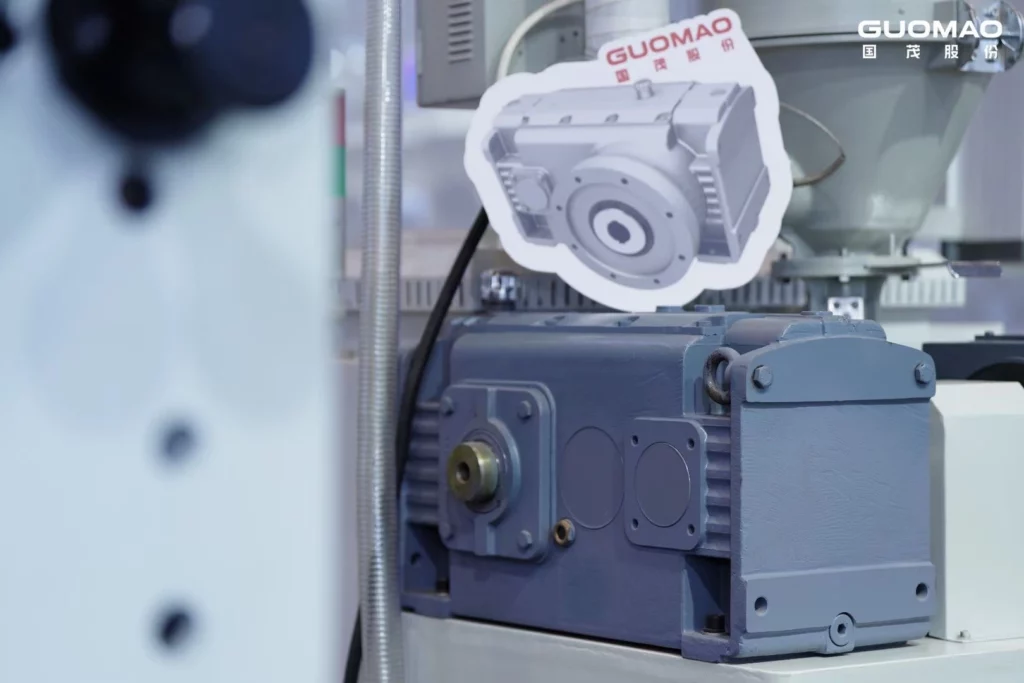
Технология постоянно меняется. Теперь коробки передач становятся более продвинутыми. Они используют новые планы и вещи, которые повышают эффективность и прочность коробки передач. Возьмите Guomao’ с Точные планетарные редукторы. Они строят для более высокого тяга и даже распространения нагрузки. Это дает более плавные ходы с меньшим падением энергии. Такие новые шаги приведут к CHINAPLAS 2026. Создатели могут научиться добавлять их в свои собственные линии.
Поле переходит на коробки передач, которые экономят энергию и соответствуют индивидуальным потребностям. Это позволяет исправлениям соответствовать точным задачам. Такая пошовка приносит большие выгоды в эффективности коробки передач. Это особенно помогает с высокими или быстрыми машинами.
Ключевые преимущества максимизации эффективности коробки передач в промышленных приложениях
Снижение энергопотребления и эксплуатационных затрат
Верхняя прибыль от лучшей эффективности коробки передач - это меньшее потребление энергии. Хорошие коробки передач сокращают падения электроэнергии. Они позволяют превратить больше энергии в реальную работу. Это сразу же затрагивает эксплуатационные расходы. Это важно в полях с большими машинами и длительными сроками работы.
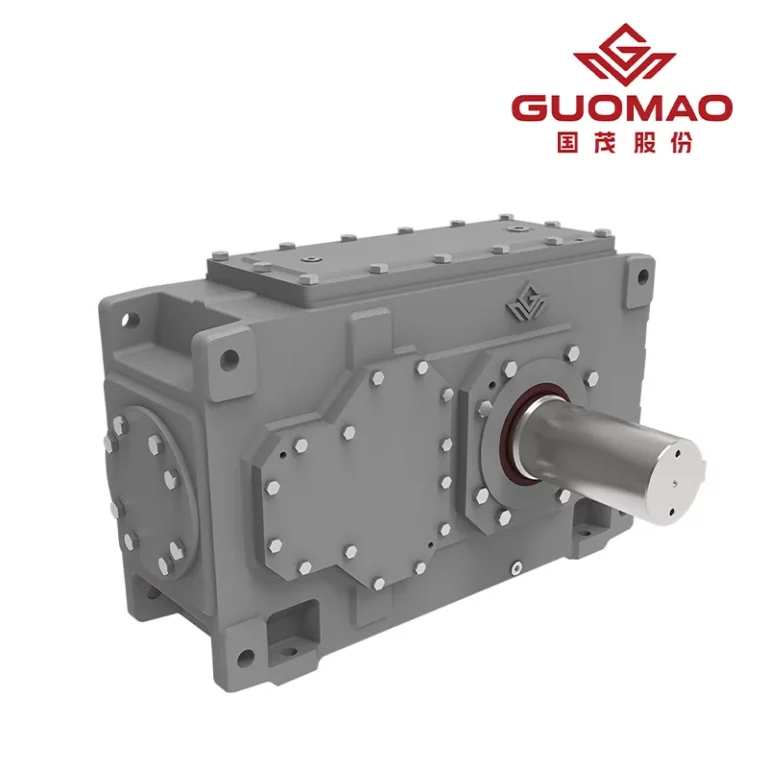
Для одного, Guomao’ s Редукторы передач серии G Дайте сильную экономию энергии. Они гарантируют, что меньше энергии тратится при передаче. Переходя на лучшие коробки передач, производители видят реальное сокращение затрат на электроэнергию. Они наращиваются со временем.
Повышение долговечности машины и сокращение технического обслуживания
Эффективные коробки передач также способствуют долгому сроку службы машин, уменьшая износ, вызванный чрезмерным трением и теплом. Когда коробка передач работает с оптимальной эффективностью, она испытывает меньше механического напряжения, что приводит к меньшему количеству сбоев и более длительному сроку службы.
Например, наши Точные планетарные редукторы предназначены для выдержания высоких радиальных нагрузок при сохранении низкого уровня шума, уменьшая напряжение на окружающие компоненты. Это приводит к менее частому обслуживанию и ремонту, что позволяет предприятиям избежать дорогостоящих простоев и продлить срок службы своего оборудования.
Как повысить эффективность коробки передач в производственном процессе
Ключевые стратегии повышения эффективности коробки передач
Есть несколько шагов, которые производители могут предпринять для повышения эффективности своих коробок передач. Регулярное обслуживание является одним из наиболее эффективных способов обеспечения того, чтобы коробка передач продолжала работать при максимальной производительности. Это включает в себя смазку передач для уменьшения трения, проверку износа и обеспечение того, чтобы коробка передач была свободна от загрязнителей.
Переход на более сильные коробки передач также помогает. Посмотрите на наши Серия GR спиральные редукторные двигатели. Они строят с хорошей точностью. Это держит падения энергии низкими в бегах. Проверка и обновление до верхней коробки передач эффективности передач возвращается позже. Это снижает затраты на электроэнергию. Это сокращает потребности в фиксации.
Выбор правильной коробки передач для максимальной эффективности
При выборе коробки передач для задачи производители должны взвесить такие вещи, как потребности в тяге, настройки запуска и соотношения скорости. Выбирая коробку передач, построенную для задачи’ с звонки, производители обеспечивают лучшую эффективность коробки передач и работу.
Во-первых, наша инженерная механическая планетарная коробка передач имеет небольшую конструкцию с сильной тяговой силой. Он подходит для задач, которые требуют точных, энергосберегающих движений. Знание задачи’ с техническими потребностями и выбором правильной коробки передач приносит лучшее полное эффективность коробки передач.
Часто задаваемые вопросы
В: Как я могу повысить эффективность моих существующих коробок передач?
A: Вы можете увеличить свою коробку передач’ Эффективность с постоянным уходом. Это включает правильное мазание и проверку износа. Переход на лучшие модели, такие как Guomao’ с Точные планетарные редукторы или редукторы передач серии G значительно сокращают падения энергии.
В: Почему эффективность коробки передач важна для снижения эксплуатационных затрат?
A: Эффективность коробки передач сокращает потребление энергии и затраты на эксплуатацию прямо. Хорошие коробки передач облегчают падения мощности. Это приводит к снижению счетов за электроэнергию. Это также снижает расходы на уход. Со временем это приводит к значительной экономии.
В: Как выбрать правильную коробку передач для моего приложения?
A: Выбор правой коробки передач зависит от потребностей в тяге, частей скорости и настроек запуска. Для сильных задач, Guomao’ с Точные планетарные редукторы хорошо работают. Они предлагают высшую эффективность коробки передач и долговременную конструкцию.
В: Каковы общие причины неэффективности коробки передач?
A: Обычные причины плохой эффективности коробки передач охватывают неправильное мазание, износ частей и старые или слабые планы коробки передач. Устойчивый уход и обновления новых, сильных моделей, таких как Guomao’ Редукторы спиральной передачи серии GR решают эти проблемы.
В: Как участие в CHINAPLAS 2026 может помочь улучшить эффективность коробки передач в моем производственном процессе?
Ответ: Поезд на CHINAPLAS 2026 позволяет производителям проверить новейшие технологические идеи коробки передач. Это охватывает лучшие планы оборудования и все такое. Они сокращают потребление электроэнергии. Они поднимают работу, сокращают эксплуатационные расходы.