


A cycloidal pinwheel reducer can serve as a good choice for service with frequent starts. This is true when its features match the actual cycle. Reliability depends on several factors. It involves more than the reducer mechanism. The starts, reversals, inertia, lubrication, foundation, and overload protection all play important roles.
Why Are Frequent Starts Challenging?
Describe each start and reversal
Count the starts during the actual working shift. Then record the acceleration time. Note the speed, load condition, and direction changes as well. Include both starts with a full machine and empty starts. Two machines can have similar running torque. Still, they may place different demands on the drive. This occurs when one restarts under load and the other runs in a steady way.
Look at the restart sequence after a process interruption. Determine if material stays in the machine. Check if a brake is used. See if another drive can cause motion in the reducer. The restart can prove more demanding than a normal production start. Record this type of event separately in the duty description. Before you change drive settings to fix a stalled start, find the root cause. Then confirm that the planned fix stays inside the system limits that were chosen.
Check the operating conditions
Each start accelerates both the motor and the reflected load inertia. Each stop or reversal changes the torque direction. These repeated transitions create extra heat and fatigue. This happens even when the average running torque seems moderate. Record the start frequency. Note the acceleration time, direction changes, peak events, speed, and ambient conditions.
What Does the Cycloidal Product Data Support?
Separate mechanism capability from system reliability
A reducer may have features that help with repeated starts. Yet the complete drive can still face limits from its motor, coupling, brake, or driven machine. Examine the full torque path. Avoid turning a general statement about impact resistance into a specific numerical overload allowance. Do not treat it as a guarantee against failure.
For the relevant configuration, review our Reductor cicloidal and confirm the selected model against the installation requirements.
Apply the product boundary
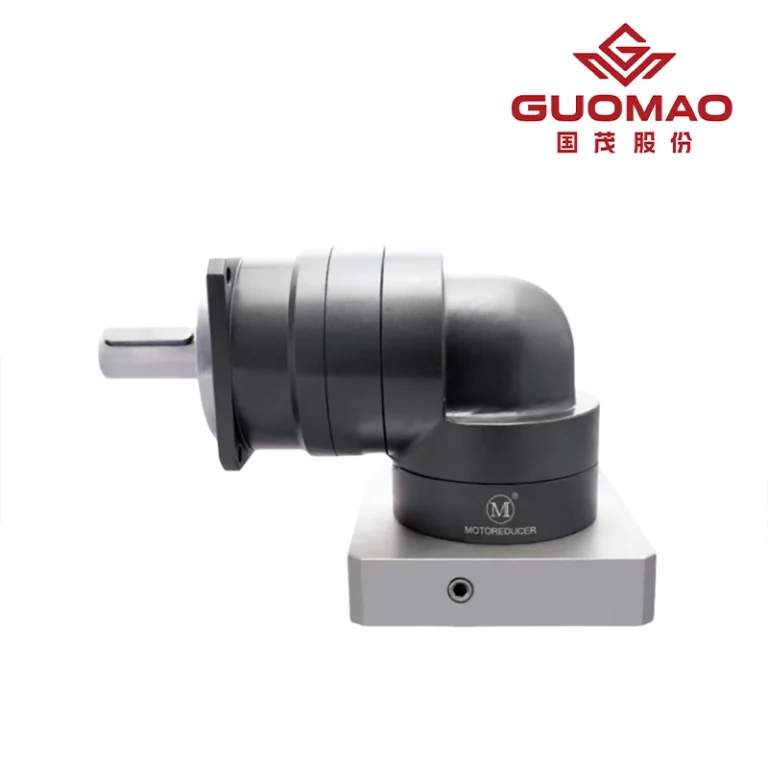
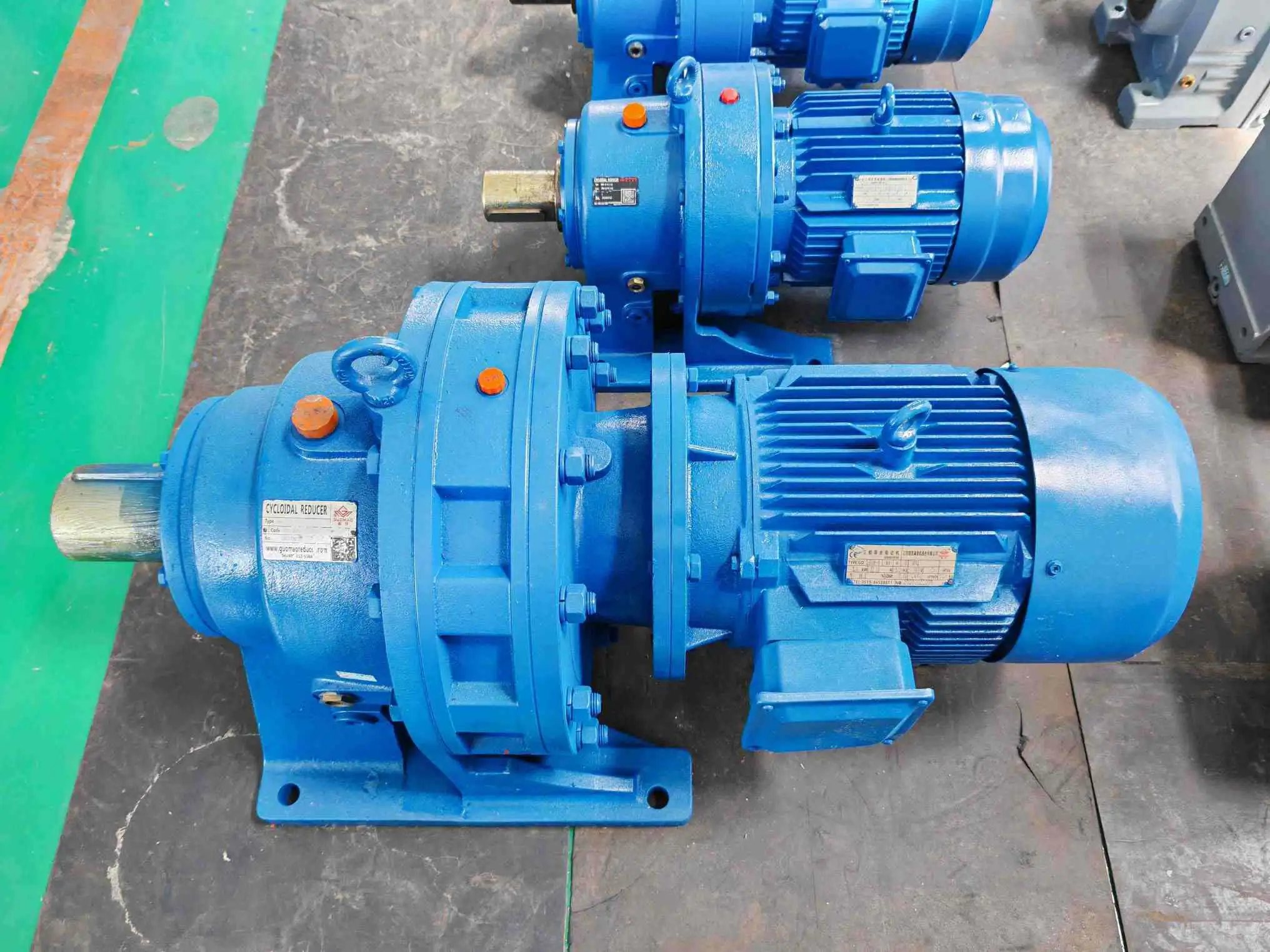
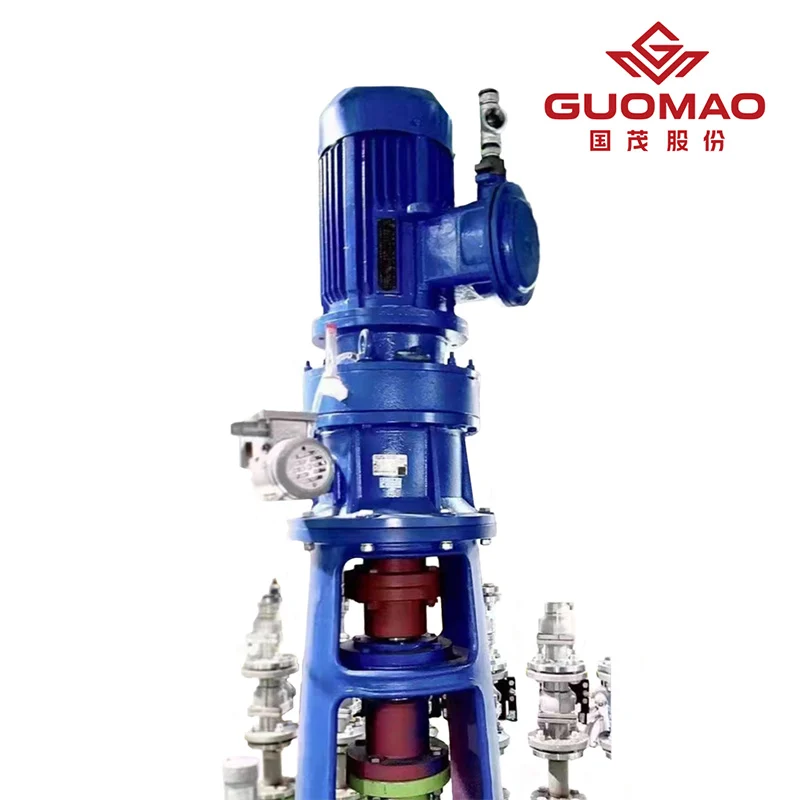
Our Cycloidal Reducer offers overload capacity. It provides impact resistance and a small moment of inertia. It is suitable for frequent starting and forward/reverse rotation. These features belong to this product. They do not apply to every gearbox family.
How Should the Reducer Be Selected?
Investigate jams without normalizing them
Even if protection trips repeatedly or a start-up stalls, it does not necessarily mean that the protection is designed for endless use. The load at which an event occurred and the drive’s reaction must be recorded. A safe procedure for recovery from such events must be developed to prevent unexpected start-up of the machine while it is being cleared of mechanical obstructions by workers.
Verify the load inputs
The working-condition coefficient can be influenced by load, running time and the number of starts and stops of the motor. The parameters for motor power, output speed, output torque, ratio and maximum radial load are, however, to be selected separately. The maximum radial load must be checked at the point where a gear, pulley, or sprocket is subjected to force.
How Can Reliability Be Protected During Starts?
Coordinate acceleration and stopping
Check the acceleration settings with the motor supplier. Factors such as load inertia, braking, etc. must be considered, as well as the specific process requirements. Shortening the cycle time by increasing acceleration also increases peak demand. A controlled stop also requires a specific sequence. Therefore, do not use a single generic ramp for all loads. Check the resulting behavior first.
Keep a commissioning log. Include the drawing revision in it. Add the installed model, the lubricant, the operating conditions, and observations from each test stage. Describe unexpected events in clear detail. Record the action that was taken. Decide who can release the drive for production after a correction is made. This step ensures that an unresolved issue does not get lost. It prevents this when responsibility moves from installation staff to operators.
If this arrangement does not fit the machine, compare the Motor helicoidal de eje paralelo de la serie GF as an alternative during layout review; do not transfer ratings or operating assumptions between product families.
Review the installed system
Choose a suitable coupling. Use a torque limiter, VFD, or soft starter when the process needs controlled acceleration. Adjust the drive response to match motor inertia and reflected load inertia. A safety coupling can limit torque or cut it off during an overload. However, its trip and reset behavior must fit normal peaks and process safety needs.
Lubrication, Foundation, and Monitoring
Watch recovery between cycles
A short production cycle can leave little time for temperatures to stabilize. It may not allow them to drop either. Measure the drive performance through several repeated cycles. Do not check it after only one successful start. If a problem shows up only late in the shift, compare the cycle history. Look at ambient conditions, oil condition, and cooling against the earlier baseline.
Set the monitoring routine
Tests on lubrication, oil level, cooling, sealing, foundation, alignment, noise, vibration, leakage, and temperature must be done according to the selected unit’s guidelines and real-life installation.
In the case of our reducers, the tests to be carried out are lubricant tests and tests on oil levels. These include cooling system, sealing, foundation, and alignment. Tests on noise, vibration, leakage, and temperature are included in the test program.
How Is Full-Day Operation Verified?
Specify what triggers an inspection
Use the selected model instructions and site observations. These help define responses to changes in noise, temperature, vibration, or leakage. Keep each response connected to an observable condition. A new trend after an increase in start frequency needs review. This is true even if average output torque has not changed.
If this arrangement does not fit the machine, compare the Serie GK Motor con engranaje helicoidal as an alternative during layout review; do not transfer ratings or operating assumptions between product families.
Prepare the engineering handover
When we review a drive at Guomao, we look at the load pattern. We consider total operating hours. We examine the frequency of starting and stopping as one group. We check the requested motor power. We look at reduction ratio, output speed, and output torque one by one. We do not use any single value to replace the others. We also check the permitted radial load. This check occurs at the position where the transmission component applies its force.
Preguntas frecuentes
Q: How should a cycloidal pinwheel reducer be selected?
A: Start with the actual machine cycle. Then examine the speed. Look at the torque next. Check the ratio after that. You should review the shaft loads. Also consider the mounting. Finally, examine the model-specific operating limits.
Q: What information is needed before installing a cycloidal pinwheel reducer?
A: Supply the interface drawing first. Then provide the applied loads. Include the operating cycle too. The ambient conditions matter as well. Add the lubricant requirements. Finally, note the access needed for inspection and removal.
Q: Can a cycloidal pinwheel reducer be judged by motor power alone?
A: No. The output speed needs its own check. The torque requires a separate review. The reduction ratio must be examined individually. External loads need their own review. The operating cycle also requires a separate check.
Q: How should a cycloidal pinwheel reducer be commissioned?
A: Start with installation and lubricant checks. Then run the unit at staged loads. Record a baseline under typical conditions. Do this before you accept it for normal production.
Q: What should operators monitor on a cycloidal pinwheel reducer?
A: Monitor temperature, vibration, noise, leakage, and lubricant condition. Compare observations at the same speed and load. Investigate any changes before you increase the duty.