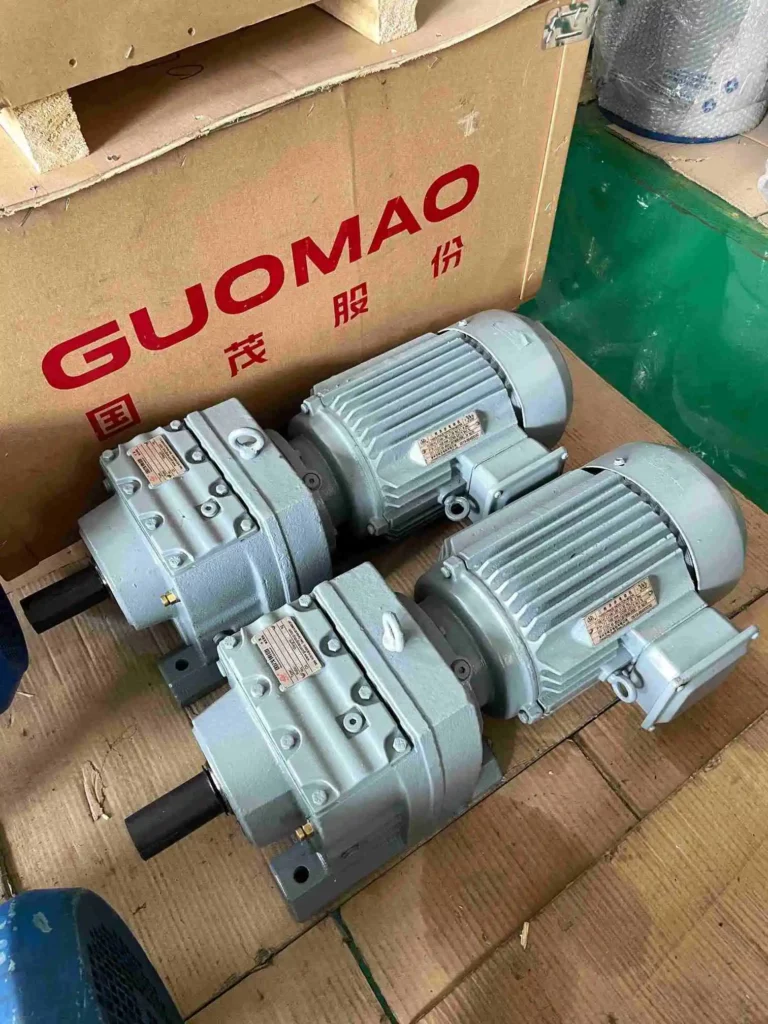



La eficiencia de una caja de engranajes planetarios no es un valor que se mantenga constante a lo largo de cada ciclo de producción. Un accionamiento puede funcionar a carga parcial, experimentar breves picos de aceleración, operar a velocidades variables del motor o arrancar en frío en una planta caliente. Cada condición modifica la proporción de potencia de entrada que se pierde por fricción, agitación y calor. Por lo tanto, los ingenieros deben evaluar la eficiencia en el punto de operación real de la máquina, y no solo en un punto de prueba de catálogo.
¿Por qué cambia la eficiencia de las cajas de engranajes planetarios bajo cargas industriales reales?
Por qué la eficiencia nominal no representa todas las condiciones de funcionamiento.
La eficiencia del catálogo se establece en condiciones definidas de velocidad, par, lubricante y temperatura. Sirve para comparaciones, pero no garantiza su aplicabilidad en todas las situaciones. Una mezcladora, trituradora, manipuladora o indexadora puede alternar entre carga parcial, carga nominal, sobrecarga breve y velocidad variable en un mismo turno. Cuando las condiciones difieren del punto de prueba, el equilibrio entre la potencia transmitida y las pérdidas internas se modifica.
Cómo la distribución de la carga y las pérdidas internas afectan la eficiencia real
La potencia útil se ve reducida por las pérdidas en el engranaje, la fricción de los cojinetes, los sellos y la agitación del lubricante. Su importancia relativa varía según el punto de operación. Un conjunto planetario puede distribuir el par entre múltiples contactos, pero la precisión de los engranajes, la alineación, el soporte de los cojinetes, el estado del lubricante y el nivel de aceite siguen influyendo en las pérdidas.
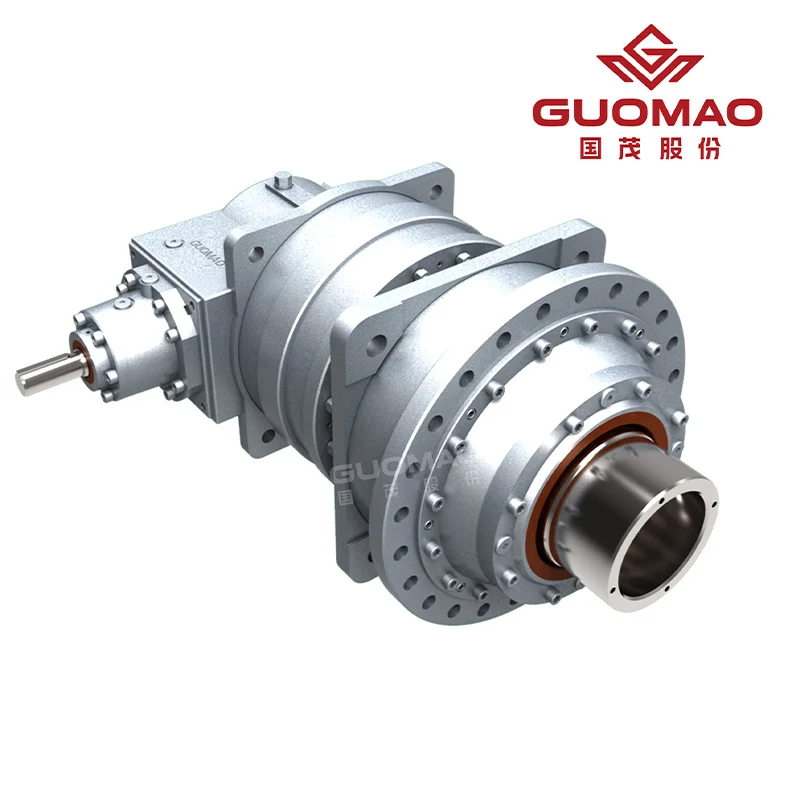
La eficiencia es un resultado del sistema, no una característica permanente del producto. La máquina, las condiciones de montaje y el entorno térmico influyen en el porcentaje final.
¿Cómo afectan las condiciones de carga a la eficiencia de las cajas de engranajes planetarios?
Cómo el par de funcionamiento modifica la eficiencia del engranaje
El par de funcionamiento determina la fuerza de contacto que se transmite a través de los engranajes y cojinetes. Compare el par nominal con el par de salida real y exprese el resultado como porcentaje de carga. A medida que aumenta el par, la potencia transmitida también aumenta, mientras que algunas pérdidas varían más lentamente. Con cargas elevadas, la tensión de contacto, la deflexión y el comportamiento de la película lubricante deben mantenerse dentro de los límites de diseño.
¿Por qué el funcionamiento a carga parcial puede reducir la eficiencia práctica?
A carga parcial, las pérdidas fijas o casi fijas no desaparecen. Los cojinetes giran, los sellos generan fricción y el lubricante circula por la caja de engranajes mientras la potencia de salida transmitida disminuye con el par. Esta misma pérdida representa una mayor proporción de la potencia de entrada, por lo que el porcentaje de eficiencia puede disminuir. Evalúe los accionamientos que funcionan en ralentí o con carga ligera durante todo el ciclo de trabajo, no solo en el punto de máxima carga.
Cómo influyen las cargas de choque y las cargas máximas en el rendimiento de la transmisión
Las sobrecargas intermitentes, la aceleración y las variaciones frecuentes de carga modifican las condiciones mecánicas y térmicas. Verifique la magnitud máxima, la duración, la frecuencia de repetición y la inercia de la máquina. Los picos repetidos generan fricción constante, mientras que la aceleración rápida aumenta el par antes de que el equipo alcance una velocidad constante. El mantenimiento de la eficiencia depende del contacto controlado, el soporte de los cojinetes, la lubricación y la temperatura a lo largo del ciclo documentado.
¿Cómo mejoran el diseño de los engranajes y la estructura mecánica la eficiencia de las cajas de engranajes planetarios?
Cómo los engranajes helicoidales mejoran las condiciones de contacto y la suavidad de la transmisión
Los dientes helicoidales se acoplan progresivamente, lo que puede mejorar la continuidad del contacto y la transmisión suave cuando los engranajes, cojinetes y carcasas se fabrican y ensamblan con precisión. Categoría de reductores planetarios de precisión Incluye productos cuyos engranajes solares y satélites se describen como helicoidales. Esto favorece un contacto estable, pero no garantiza un mismo resultado de eficiencia para cada caja de engranajes planetarios.
Por qué el reparto de carga entre engranajes planetarios ayuda a mantener la eficiencia
Los engranajes planetarios múltiples distribuyen el par motor entre el engranaje solar y la corona dentada. Esto reduce la concentración local cuando la geometría, el montaje y el soporte permiten una distribución adecuada. Además, posibilita una disposición compacta con alta densidad de par. Sin embargo, una distribución desigual, la desalineación, la fricción de los cojinetes y la variación de la viscosidad del lubricante pueden aumentar las pérdidas, por lo que la densidad de par y la eficiencia deben considerarse conjuntamente.
Cómo la precisión de los engranajes y el tratamiento de la superficie reducen la pérdida de potencia
La precisión de los engranajes estabiliza el contacto de la malla, mientras que el tratamiento superficial soporta la carga prevista. Las páginas de productos planetarios de Guomao indican que los engranajes helicoidales solares y satélite se cementan a 58-62 HRC. La dureza superficial por sí sola no determina la eficiencia. Verifique la precisión de los dientes, la calidad del ensamblaje, el soporte de los cojinetes, la alineación, la selección del lubricante y el espectro de torque real.
¿Cómo influyen la lubricación y la temperatura en la eficiencia de las cajas de engranajes planetarios?
¿Por qué la viscosidad del lubricante afecta la pérdida de potencia mecánica?
La viscosidad del lubricante afecta la fricción y las pérdidas por agitación. Un aceite demasiado viscoso al arrancar en frío aumenta la resistencia; un aceite demasiado fluido a temperaturas elevadas puede alterar el comportamiento de la película lubricante en engranajes y cojinetes. La elección depende del modelo de la caja de cambios, la velocidad, la carga, la instalación y las condiciones ambientales. El nivel de aceite y la velocidad de rotación también afectan la agitación, por lo que se recomienda seguir las instrucciones de lubricación del producto seleccionado.
Cómo la temperatura de funcionamiento afecta la eficiencia de la caja de cambios
La eficiencia en el arranque en frío puede diferir de la eficiencia en funcionamiento en caliente, ya que la viscosidad del lubricante es mayor antes de que el sistema alcance la temperatura óptima. Las altas temperaturas sostenidas pueden modificar la viscosidad y las condiciones de lubricación. El comportamiento de los sellos, la fricción de los cojinetes y las pérdidas por engranajes pueden variar a medida que la caja de engranajes se calienta. Registre la temperatura junto con la velocidad, el par, las condiciones ambientales y el historial de funcionamiento.
Por qué las condiciones de refrigeración son importantes en el funcionamiento industrial continuo.
El funcionamiento continuo requiere equilibrio térmico: el calor de las pérdidas mecánicas debe salir a través de la carcasa, el flujo de aire, el sistema de refrigeración y el entorno circundante. Un flujo de aire restringido, una carcasa caliente o ciclos repetidos de alta carga pueden elevar la temperatura estabilizada incluso si el par nominal es aceptable. Categoría de reductores planetarios de ingeniería Es relevante cuando se necesita una transmisión planetaria compacta y una alta capacidad de carga.
¿Cómo deben evaluar los ingenieros la eficiencia de las cajas de engranajes planetarios para aplicaciones industriales?
Compare la eficiencia a velocidad y par reales en lugar de basarse únicamente en las especificaciones de la hoja de datos.
Para calcular la eficiencia de una caja de engranajes planetarios, comience con la potencia de entrada y la potencia de salida útil:
eficiencia = potencia de salida / potencia de entrada x 100%
Para ejes giratorios, determine la potencia de forma consistente a partir del par y la velocidad de rotación. Utilice la velocidad de entrada, el par de salida y el ciclo de trabajo reales, e incluya la aceleración, los periodos de carga parcial, los picos de demanda, la temperatura ambiente, la orientación de la instalación y las condiciones de refrigeración. La potencia nominal de un catálogo no sustituye este cálculo del punto de funcionamiento.
Considere la eficiencia junto con la densidad de par y la vida útil.
El porcentaje más alto no es el único criterio de selección. Una estructura planetaria compacta puede proporcionar el par requerido en un espacio limitado, mientras que los cojinetes, los engranajes, la lubricación y las condiciones térmicas deben garantizar la vida útil. Seleccionar únicamente en función de la eficiencia nominal puede dejar sin resolver el par máximo, la inercia, la carga de montaje o el acceso para el mantenimiento.
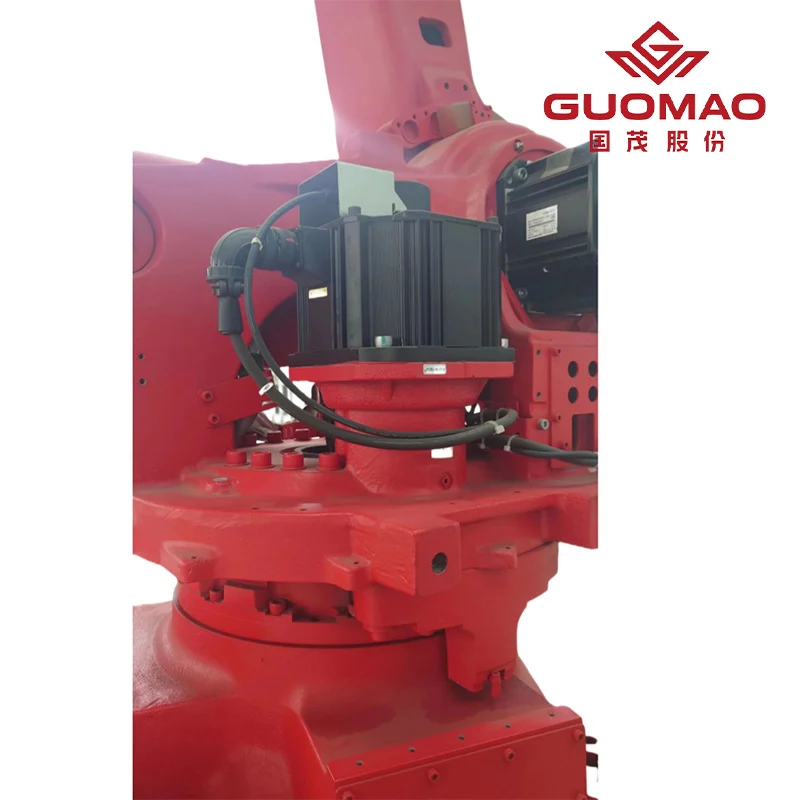
Evalúe la eficiencia considerando la densidad de par, el rango de velocidad, la frecuencia de carga máxima, la disipación de calor, la accesibilidad para el mantenimiento y la fiabilidad a largo plazo.
Verificar el rendimiento de la caja de engranajes planetarios mediante los requisitos de la aplicación.
Comience con la carga de la máquina y el ciclo de trabajo. Documente el par de funcionamiento y el par máximo, la velocidad de entrada y salida, el tiempo de aceleración, los cambios de sentido, la temperatura ambiente, la posición de instalación y el estado de mantenimiento. Luego, compare estos requisitos con los datos actuales del producto y los límites térmicos o mecánicos específicos de la aplicación. Esto permite identificar si la principal causa de la pérdida es la baja carga, la velocidad excesiva, la fricción del lubricante, el calor, la desalineación o un ciclo de trabajo inadecuado.
¿Cómo contribuye el reductor planetario de Guomao Engineering a una transmisión industrial eficiente?
Diseño planetario compacto para aplicaciones de alta densidad de par.
Guomao Esta herramienta ofrece una caja de engranajes planetarios de ingeniería para aplicaciones que requieren una construcción planetaria compacta y una gran capacidad de par. En esta página se muestran potencias de 0,37 a 540 kW, relaciones de 3,4 a 2500 y un par máximo de salida de hasta 850 000 kN·m. La unidad adecuada dependerá de la velocidad, el par, el ciclo de trabajo y los requisitos térmicos reales.
Componentes de engranajes helicoidales endurecidos para un rendimiento de transmisión estable.
Nuestra caja de engranajes planetarios cuenta con engranajes helicoidales solares y satélite, cementación y una dureza superficial de 58 a 62 HRC. Estos factores garantizan un contacto estable en las condiciones previstas. Sin embargo, no eliminan la necesidad de comprobar la lubricación, la temperatura, la alineación y las variaciones de carga.
Fabricación de precisión para una estabilidad y eficiencia a largo plazo.
La precisión de los engranajes, la calidad del ensamblaje y el soporte de los rodamientos ayudan a que una caja de engranajes planetarios mantenga las condiciones de contacto previstas a lo largo del tiempo. Guomao evalúa estos factores junto con los datos de la aplicación, en lugar de considerar una sola característica como un sustituto de la selección.
Preguntas frecuentes
P: ¿Qué factores afectan a la eficiencia de las cajas de engranajes planetarios bajo cargas de trabajo industriales?
A: La velocidad real, el par de salida, el porcentaje de carga, las pérdidas por engranajes y cojinetes, el arrastre de los sellos, la agitación del lubricante, la temperatura, la alineación y el ciclo de trabajo afectan la eficiencia de la caja de engranajes planetarios.
P: ¿Cómo se calcula la eficiencia de una caja de engranajes planetarios en aplicaciones reales?
A: Divida la potencia de salida útil entre la potencia de entrada y multiplique por 100%. Utilice el par y la velocidad de rotación medidos o especificados en el mismo punto de operación y, a continuación, evalúe el resultado a lo largo del ciclo de trabajo real.
P: ¿Por qué cambia la eficiencia de una caja de engranajes planetarios con diferentes cargas?
A: Con cargas bajas, las pérdidas por rodamientos, sellos y lubricantes se mantienen mientras que la potencia transmitida disminuye. Con cargas más altas, el comportamiento de contacto, fricción, deflexión y temperatura también cambia, por lo que la eficiencia no es fija.
P: ¿Cómo afectan la lubricación y la temperatura a la eficiencia de una caja de engranajes planetarios?
A: La viscosidad modifica la fricción y las pérdidas por agitación. Un lubricante frío puede aumentar la resistencia, mientras que una temperatura elevada puede alterar el comportamiento de la película lubricante y la disipación de calor. Utilice la guía de lubricación y térmica aprobada para la caja de engranajes seleccionada.
P: ¿Cuál es la eficiencia típica de una caja de engranajes planetarios en aplicaciones industriales?
R: No existe un porcentaje único y fiable para todas las cajas de engranajes planetarios ni para todas las condiciones de funcionamiento. Utilice los datos actuales del fabricante para el modelo seleccionado y, a continuación, verifique la eficiencia a la velocidad, el par, la temperatura y el ciclo de trabajo reales.