

What Are Coaxial Helical Gearboxes and How Do They Work?
Definition and Core Characteristics
Coaxial helical gearboxes are accurate mechanical units. They transfer power through parallel-axis helical gears. These units often combine with bevel gear stages to alter output direction. This design lines up the input and output shafts on the same axis. It cuts misalignment. It also boosts torque transfer efficiency. Modular setups include single-stage, two-stage, or three-stage arrangements. These allow more options in speed ratios and power capacity.
The use of high-strength alloy steel and precise gas carburizing and grinding makes the load spread evenly across gear teeth. This cuts wear. It also lowers operational vibration. The resulting structure is compact and stable. This proves especially helpful in high-speed and high-torque industrial environments.
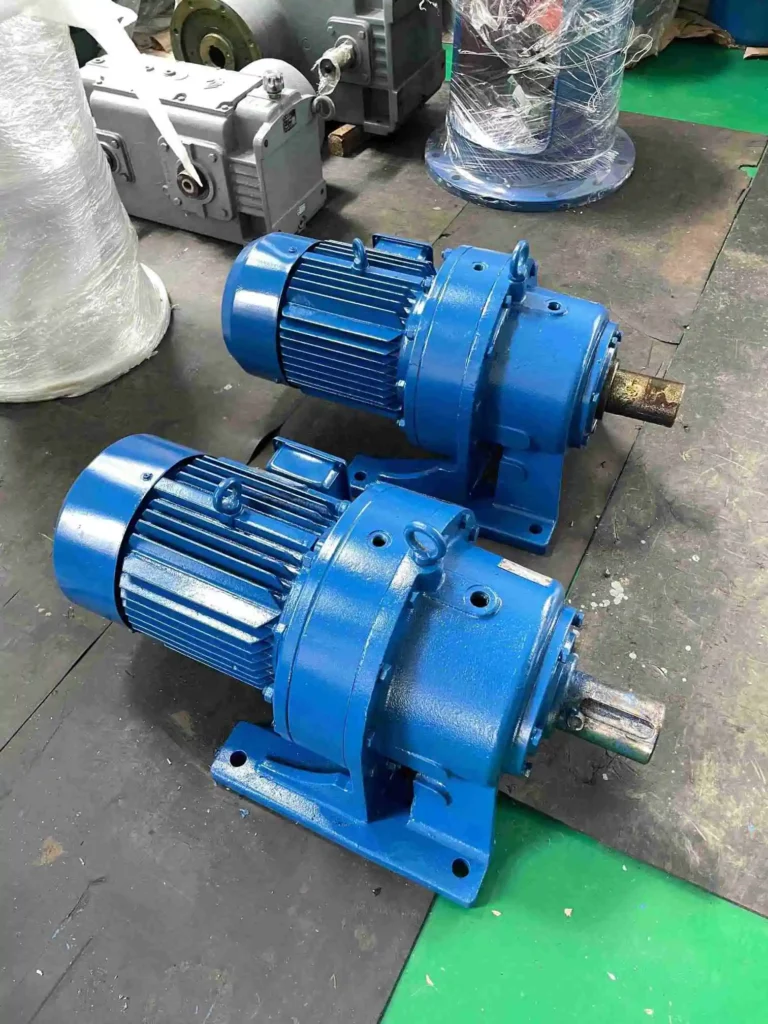
Internal Structure and Modularity
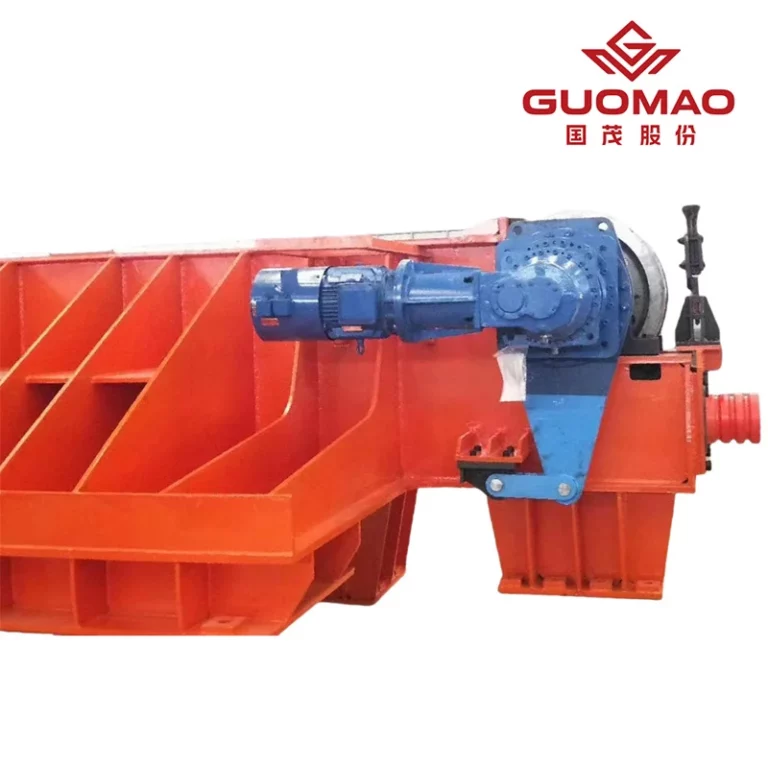
These gearboxes have high-precision helical gears inside. They include optional bevel stages for directional output. The design focuses on low inertia, compact size, and easy maintenance. Mounting choices include foot-mounted, flange-mounted, shaft-mounted, and torque-arm installations. The modular design allows quick assembly and disassembly. This reduces downtime. It also helps integration with different motor types.
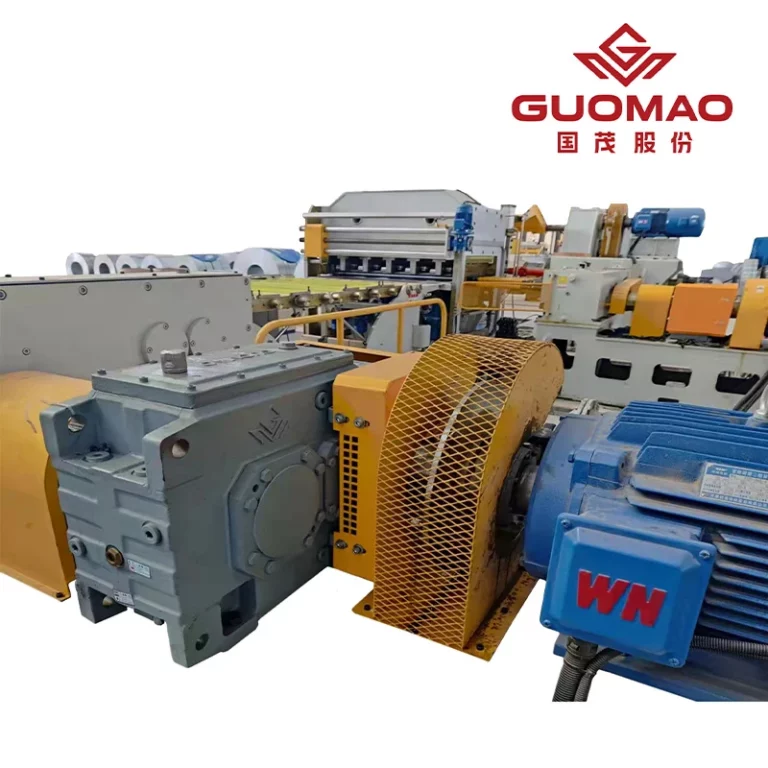
For example, the GR Series Helical Geared Motor works with single or dual-stage helical arrangements. It delivers precise torque. The GK Series Helical-Bevel Geared Motor permits multi-input configurations. These come with foot or flange mounting. They suit industrial systems such as conveyors, hoisting equipment, and processing machinery. Both series keep high efficiency. They also meet various operational needs.
Why Coaxial Helical Gearboxes Are Ideal for Industrial Applications
Efficiency Advantages Over Other Gear Types
The helical gear arrangement makes sure multiple teeth engage at the same time. This lowers vibration and energy loss. Single-stage helical units can reach efficiencies above 98.5%. Combined bevel stages keep over 97% efficiency. When compared to cylindrical or worm gearboxes, coaxial helical units give smoother torque delivery. They also provide higher load-carrying capability. This improves operational efficiency in tough industrial processes.
In addition, less heat generation in these gearboxes keeps the lubricant quality. It also lengthens component life. This matters a lot in high-speed conveyors or continuous material handling systems. Stable operation is very important in these cases.
Load Capacity and Durability for Continuous Operation
These units are built for heavy industrial workloads. Our GR Series motors handle radial loads up to 50 kN·m. Key components such as bearings and shafts are built for long-term reliability. Their expected service life exceeds 25,000 hours. Noise levels stay low at less than 85–90 dB. This makes them good for sensitive production environments.
Full-complement needle bearings and precise helical shaping enhance torsional stiffness. They also cut backlash. This allows high-load and high-frequency start-stop operations. Such performance is very important in bucket conveyors, screw conveyors, and belt-driven systems. The units maintain consistent performance. They also create minimal downtime.
How to Select the Right Coaxial Helical Gearbox for Your System
Determining Power, Torque, and Speed Requirements
Proper selection starts with checking input power, torque, and speed ratio. For example, our GK Series Helical-Bevel Gearboxes cover 0.12–200 kW. They offer speed ratios from 1.26 to 33,000. One must calculate the nominal transmission ratio. This calculation uses operational load, start-stop frequency, and service factor. It ensures the gearbox meets system demands. It avoids overloading or underperforming.
Installation and Maintenance Considerations
Installation requires thought about orientation, mounting type, and environmental factors. Horizontal or vertical setups with foot, flange, or torque-arm mounting all work. Correct lubrication with industrial gear oil is key. Proper cooling is also critical for stability. The modular design allows fast replacement of components. These components include bearings, seals, or shafts. No full system disassembly is needed.
Multi-stage assemblies need precise alignment between input and output shafts. This alignment lowers radial stress. It also preserves long-term operational efficiency. In addition, monitoring systems for vibration, temperature, and torque can give early warnings. These warnings help operators spot potential issues. They help maintain continuous system efficiency.
Industrial Applications That Benefit Most from Coaxial Helical Gearboxes
Material Handling and Conveyor Systems
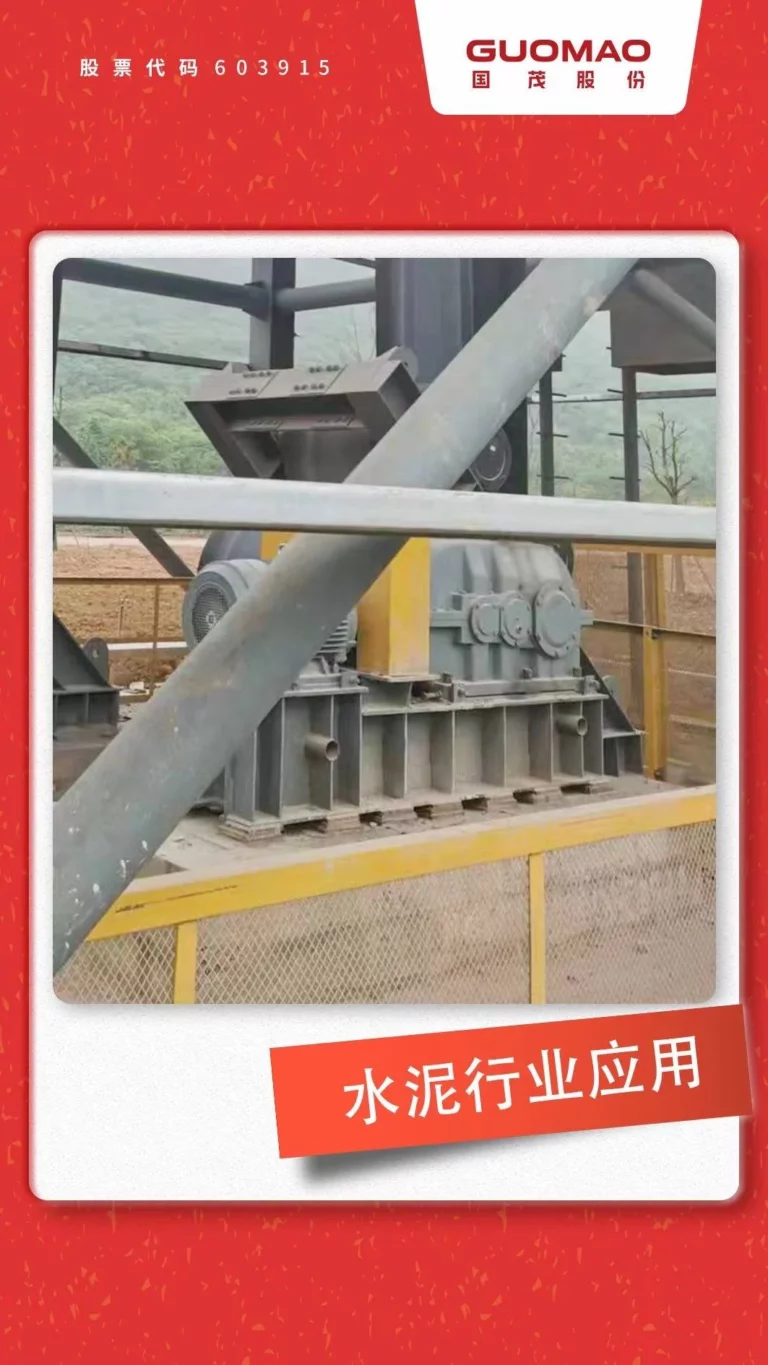
Conveyors, including bucket, screw, and belt types, get advantages from coaxial helical gearboxes. Proper shaft alignment lowers mechanical stress. It also cuts wear. Continuous operation remains dependable in industries such as food processing, mining, and bulk material logistics. The overlapping engagement of multiple gear teeth ensures smooth torque transfer. This works even under heavy loads. It reduces downtime. It also increases operational throughput.
Processing and Manufacturing Machinery
In the rubber and plastics industries, internal mixers, open mills, and calenders benefit from precise torque control. They also benefit from modular adaptability. Homogenizing, slurry conveying, and glue dispensing systems achieve stable operation with very little vibration. The H-Parallel industrial Gearbox supports large-scale operations such as hoisting and rotary machinery. It shows scalable performance across industrial setups. Additional design features, such as extended bearing housings and optional forced lubrication, improve efficiency. They also boost reliability.
Comparing Coaxial Helical Gearboxes With Other Gearbox Types
Versus Cylindrical and Planetary Gear Reducers
Cylindrical gear reducers can provide high torque in certain setups. However, coaxial helical gearboxes give a more compact design. They offer smoother engagement. They also provide higher efficiency for multi-stage setups. Planetary gearboxes do well in high-speed precision tasks. Yet they need complex assembly. Coaxial helical units give a good balance of torque, efficiency, and ease of integration.
Versus Worm and Helical-Worm Units
Compared to worm gearboxes, coaxial helical units have higher efficiency. This is over 95 percent compared to 89 percent. They also lower heat buildup. Helical-worm combinations create more friction. In contrast, coaxial designs cut backlash. They support higher radial loads. They do this without losing precision. These features make the units good for heavy-duty continuous applications.
Maintenance Best Practices and Operational Tips
Routine Inspection and Lubrication
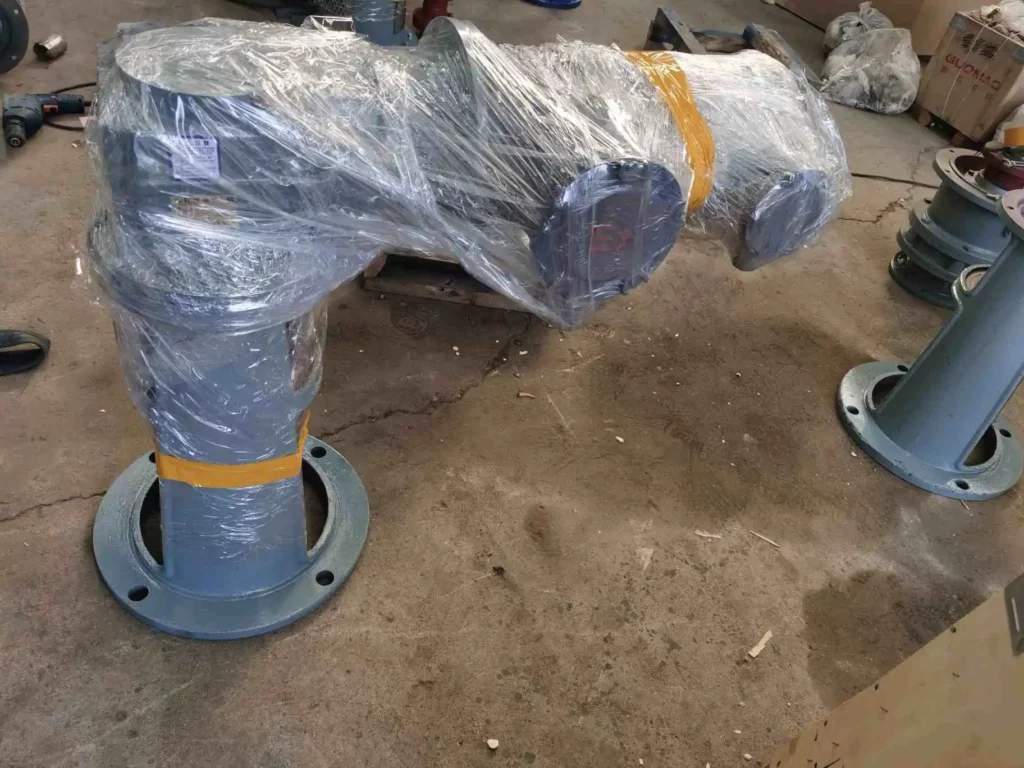
Daily checks should cover oil levels, bearing condition, and gear engagement. Forced lubrication systems must start before the load is applied. Cooling and ventilation need to stay effective. This avoids overheating. Industrial gear oils should match the temperature and speed requirements.
Troubleshooting Common Issues
Abnormal vibration, uneven meshing, or high operating temperatures may show misalignment or lubrication problems. Fixes involve checking gear alignment. They also include inspecting or replacing lubricants and seals. Operators should verify torque and radial loads. Proper maintenance ensures long-term efficiency. It creates minimal vibration. It also provides consistent torque output. These points are critical for industrial reliability.
FAQ
Q: What makes coaxial helical gearboxes more efficient than other gear types?
A: Coaxial helical gearboxes like Guomao’s GR and GK series use multiple teeth engagement. They also use precise helical-bevel combinations. These features reduce friction and vibration. They achieve efficiency up to 98.5%.
Q: Which industrial systems benefit most from coaxial helical gearboxes?
A: Systems with continuous torque demands benefit the most. These include conveyors, mixers, internal and open mills, and hoisting machinery. They gain from high load capacity and stable operation.
Q: How do I select the right coaxial helical gearbox for my motor?
A: Check input power, required torque, and speed ratio first. Guomao’s GK Series covers 0.12–200 kW. It offers ratios from 1.26 to 33,000. These suit various industrial loads.
Q: What maintenance is required to keep coaxial helical gearboxes efficient?
A: Regular checks of lubrication, bearings, gear engagement, and cooling are essential. The GR and GK series are designed for modular maintenance. They offer service life beyond 25,000 hours.
Q: Can coaxial helical gearboxes handle frequent start-stop operations?
A: Yes. Low inertia, high radial load capacity, and robust helical gear design allow GR and GK series gearboxes to handle repeated starts and reversals. They do this without efficiency loss.