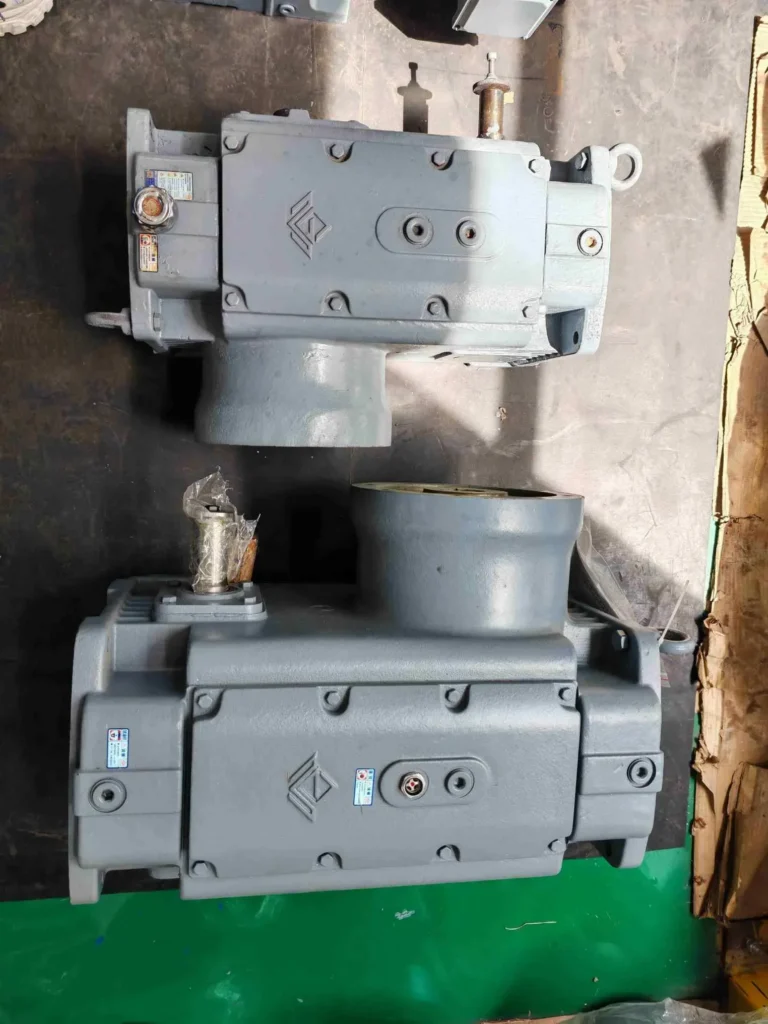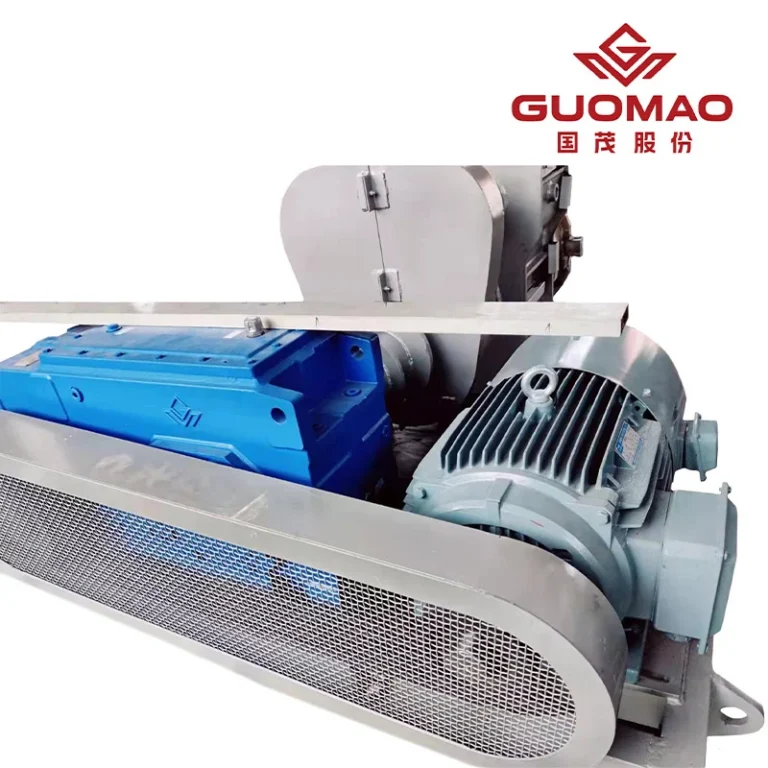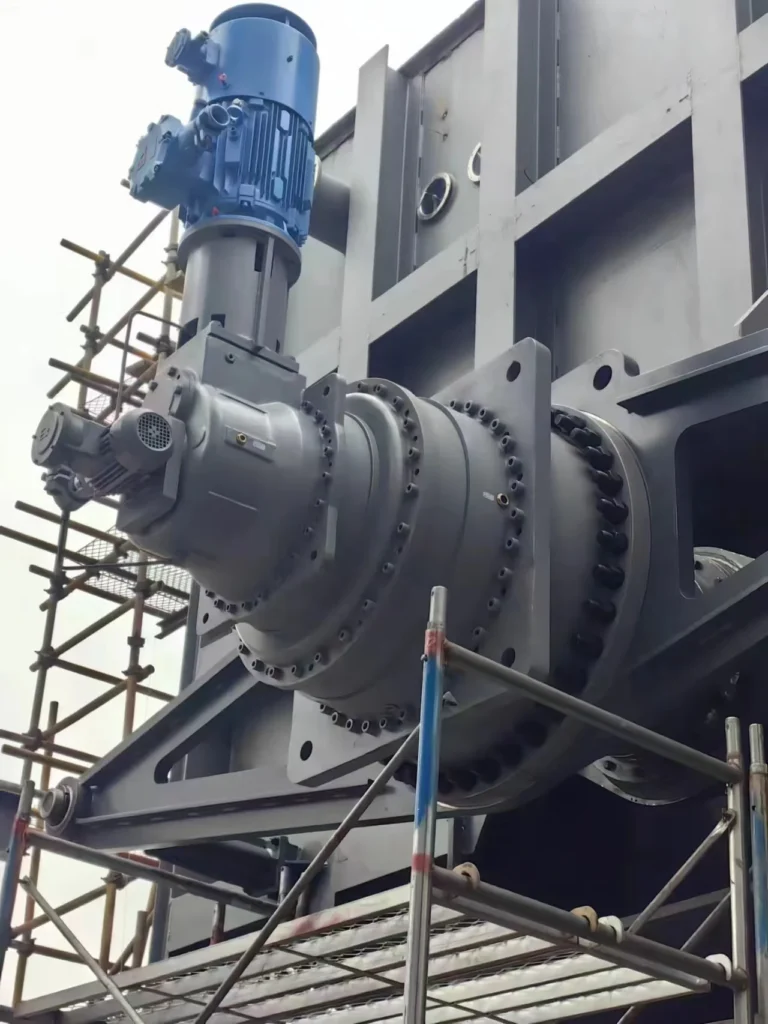



A ticket reading ‘gearbox is loud’ gives the next shift little useful evidence to compare. It needs the duty when the sound appeared and where it was heard. If a knock shows up only as material enters a mixer, record that timing alongside speed and load. On a comparable safe run, the crew can listen for recurrence at the same load. The sound could come from the coupling or driven machine. That sound is evidence, still awaiting explanation.
What Causes Industrial Gearbox Noise?
To a worker, a rattle seems to come from the gearbox housing. It may have travelled from elsewhere. Compare idle, feed entering, and warm operation. A rattle under feed gives you a different inspection window than one that only starts after warmup.
How Do Gear Meshing and Tooth Contact Create Noise?
Tooth engagement produces a repeating force as each pair enters contact. A repeating whine at one speed warrants a check of tooth contact under that operating state. Tooth machining tolerance and shaft alignment affect how vibration reaches the casing. A helical pair engages gradually, but poor support or unsuitable duty can still make it loud. An earlier log confirms whether that tone is new. Compare matched speed and load records before claiming tooth damage.
How Can Bearings, Lubrication, and Assembly Affect Gearbox Noise?
Before blaming bearings, confirm oil level and that the specified lubricant reaches contact surfaces. Bearing support holds shafts where their teeth should meet. A change there may show up in temperature or vibration. Leakage or falling forced-lubrication pressure calls for an inspection; neither names a failed part. Use the installed model’s procedure for both oil and bearing checks.
How Do Load and Operating Conditions Affect Gearbox Noise?
Startup and reversal sound different. So can the moment a mixer receives feed. Mark speed, load, and time beside each sound. An idle run yesterday says little about today’s loaded shift. Compare equivalent duty instead.
Why Can Overload or Changing Loads Increase Gearbox Noise?
Picture two mixer runs at the same speed. In one, the gearbox stays quiet until feed enters; in the other, it knocks from startup. Those are different problems to investigate. Note batch stage and the load when the knock begins. That knock may reflect forces passing from gears through bearings and coupling into the foundation. It cannot establish that gearbox capacity is inadequate. Check the duty first.
How Can Continuous Operation Change Noise and Vibration?
At startup, nothing. Hours later, a whine rides over the hum. That contrast is worth more than guessing about heat. Write down load and reducer temperature at both points, then look for oil loss and examine the cooling arrangement. Repeat the check at the same duty on a safe shift. The time at which the whine fades matters too; bring it into the maintenance record.
Soundproofing changes the room, not a shaft’s alignment or the oil film inside the reducer. The existing gearbox noise guide covers maintenance context.
How Can You Diagnose Abnormal Industrial Gearbox Noise?
The handover sheet says more than ‘rough running.’ Was the drive loaded? Include date, speed, vibration, and any leakage. Place the closest earlier run under similar duty beside that entry. Whoever inspects next should know whether this tone is new.
What Should You Compare When Noise Changes With Speed or Load?
Consider two observations. In the first, pitch rises with shaft speed without added load; inspect rotating supports and transmission. In the second, the tone comes only when material enters the machine; include its coupling, foundation, and gearbox. Mark the start and end loads. Repeat under a safe site procedure. Neither observation alone names a failed tooth or bearing.
Which Warning Signs Should Be Checked Alongside Noise?
A normal oil level settles only one question. Is the bearing hotter now? Has forced-lubrication pressure fallen or a seal begun to leak? Add coupling, cooling path, foundation, and alignment to that inspection. Keep figures from the same run together. A whine plus rising temperature warrants site review, although neither observation identifies a failed component.
How Can Industrial Gearbox Noise Be Reduced?
A cover muffles sound while bad alignment remains. So can a change in load. Find where the vibration enters the housing. A moved mount or changed oil supply calls for correction. Compare the drive at comparable duty afterward.
How Do Alignment, Mounting, and Stable Loads Help Reduce Noise?
Where did the vibration begin after service? Follow it past the coupling, gearbox housing, and mounting supports before drawing firm conclusions. Compare coaxiality and mount position with commissioning records. Where a gear or sprocket connection exists, compare parallelism too. Run the equipment at matched duty after correcting a shift. That observation tells the crew more than a replacement order would.
Which Lubrication and Maintenance Checks Can Reduce Gearbox Noise?
Use this installed reducer’s oil specification as the reference; verify level, delivery, seals, and the cooling arrangement. A leak or drop in forced-lubrication pressure needs investigation even if the run happens to sound quieter. Log bearing temperature and condition with the oil findings. Record the action and compare operation afterward during the same speed and load window. Use the model’s maintenance schedule; sound cannot set a universal interval.
How Should You Select a Low-Noise Industrial Gearbox?
A noise claim in a quote has meaning only at a stated duty. Send the supplier starts, load, ratio, and mounting details. Request assessment at the actual speed and load under that installation.
Which Design and Duty Factors Matter in Low-Noise Gearbox Selection?
Describe the actual load cycle, including reversals and starts. Ask how the proposed tooth contact and bearing support behave in that cycle. Check capacity against run hours and installation constraints. For a site noise target, we recommend a measurement condition: speed, load, and position. Gear type alone does not predict what workers hear; housing, assembly, supports, and driven equipment contribute. Ask for comparable evidence at the proposed duty and installation.
An integrated auxiliary drive poses a different selection problem. The GR Series Helical Geared Motor combines compact layout with one-, two-, or three-stage helical gearing and multiple installation forms. Give the supplier torque and ratio, radial load, mounting, and duty; ask whether the arrangement fits. Neither series cures sound caused by faulty installation.
When Might an H Series Industrial Gearbox Fit?
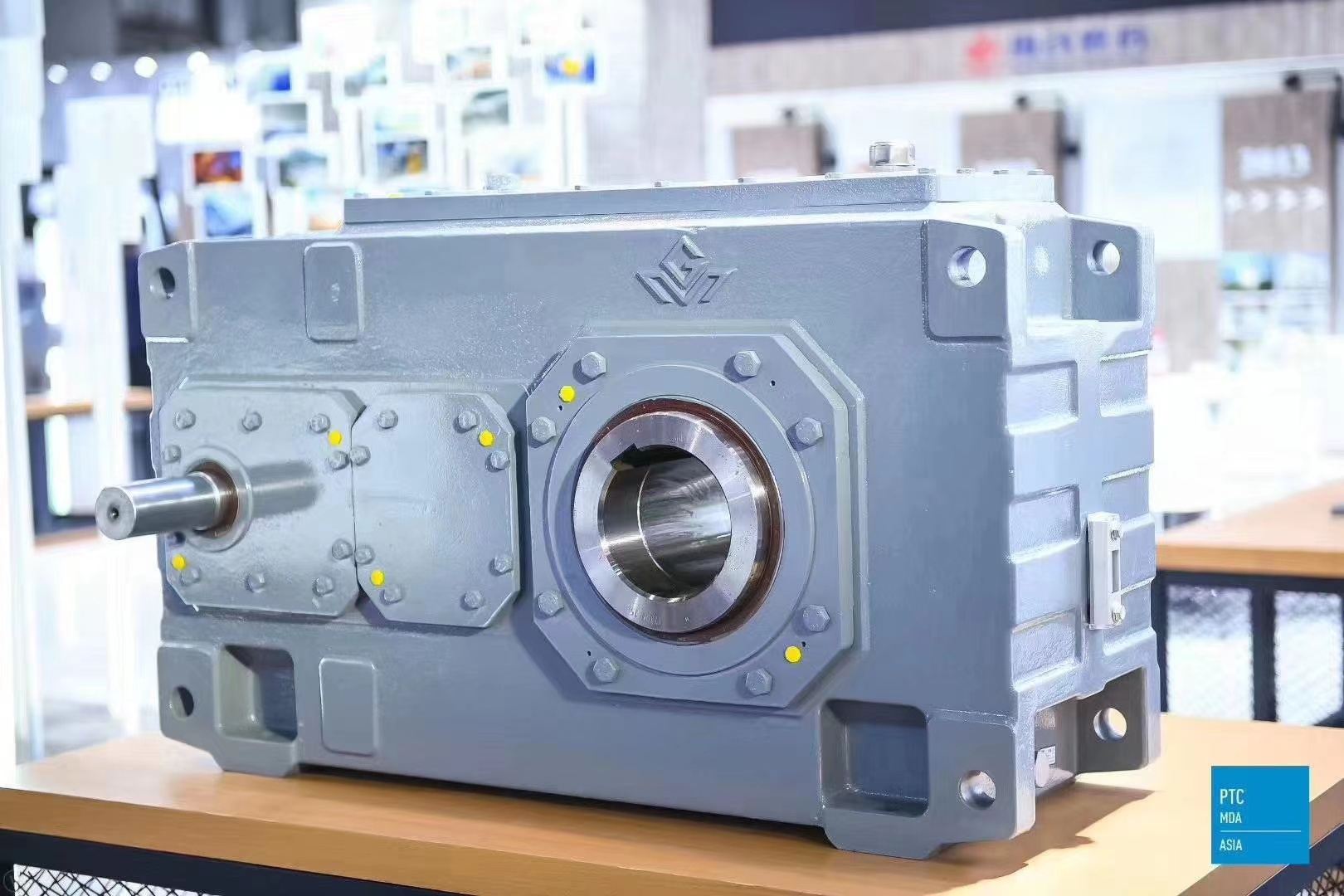
Guomao’s H Series Industrial Gearbox uses helical gear pairs with grade 6 tooth accuracy and low-noise profiling technology. The design supports smoother tooth contact; actual sound still depends on the installed duty. Before comparing sound, verify capacity, mounting, ambient conditions, and the pattern of this drive.
FAQ
Q: What causes abnormal industrial gearbox noise?
What was the drive doing when whining began? Check tooth contact, bearings, oil, alignment, mounting, and load. Heat or leakage narrows the search; neither identifies the part.
Q: How can industrial gearbox noise be reduced?
Note speed, load, and hours run when the sound first appeared. Those numbers belong with the repair. Fix an identified fault, then compare under similar duty and note vibration. Acoustic covers cannot cure shaft misalignment.
Q: Can low lubrication cause industrial gearbox noise?
Low oil can alter tooth and bearing contact; a whine proves nothing. Check level and condition under the installed model’s procedure. Look for leakage and temperature change before deciding on service.
Q: Why does gearbox noise increase under load?
A rising load changes forces throughout the drive. Record when the sound appears, then check the driven machine, coupling, foundation, and gearbox. Only after those observations should the team revisit selection or component condition.
Q: Can helical gears reduce industrial gearbox noise?
Helical teeth enter mesh gradually, smoothing transmission. Bearing support, assembly, installation, and load still shape the noise. Compare evidence from the proposed gearbox at a relevant duty before expecting quieter operation.