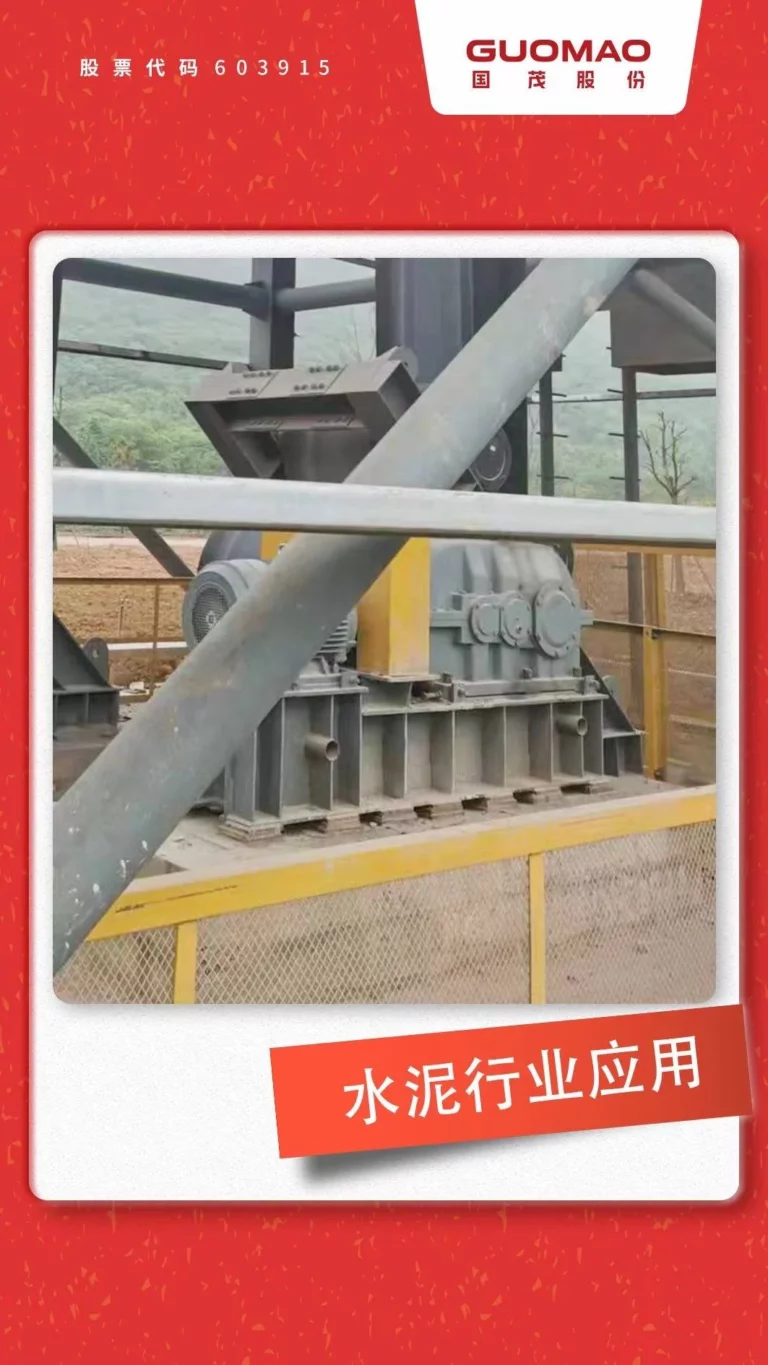

What is a Cylindrical Gear Reducer and How Does It Work?
Cylindrical gear reducers serve as vital parts in many industrial uses. These units aim to lower speed and raise torque. As a result, they become necessary for devices that run at reduced speeds with greater power. Usually, people apply cylindrical gear reducers in tasks where output, strength, and exact load management matter most.
Basic Design Principles of Cylindrical Gear Reducers
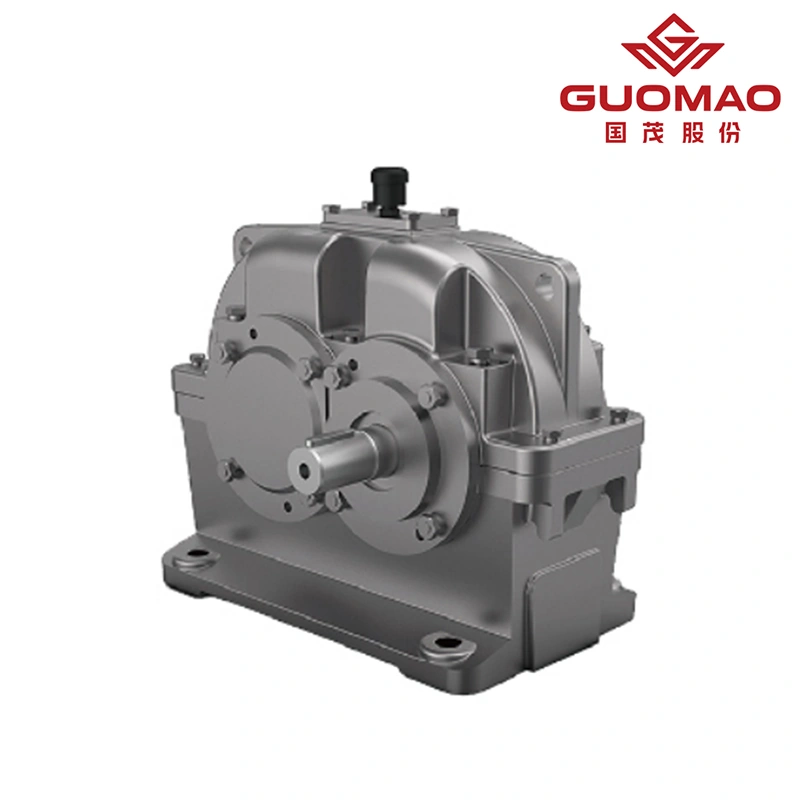
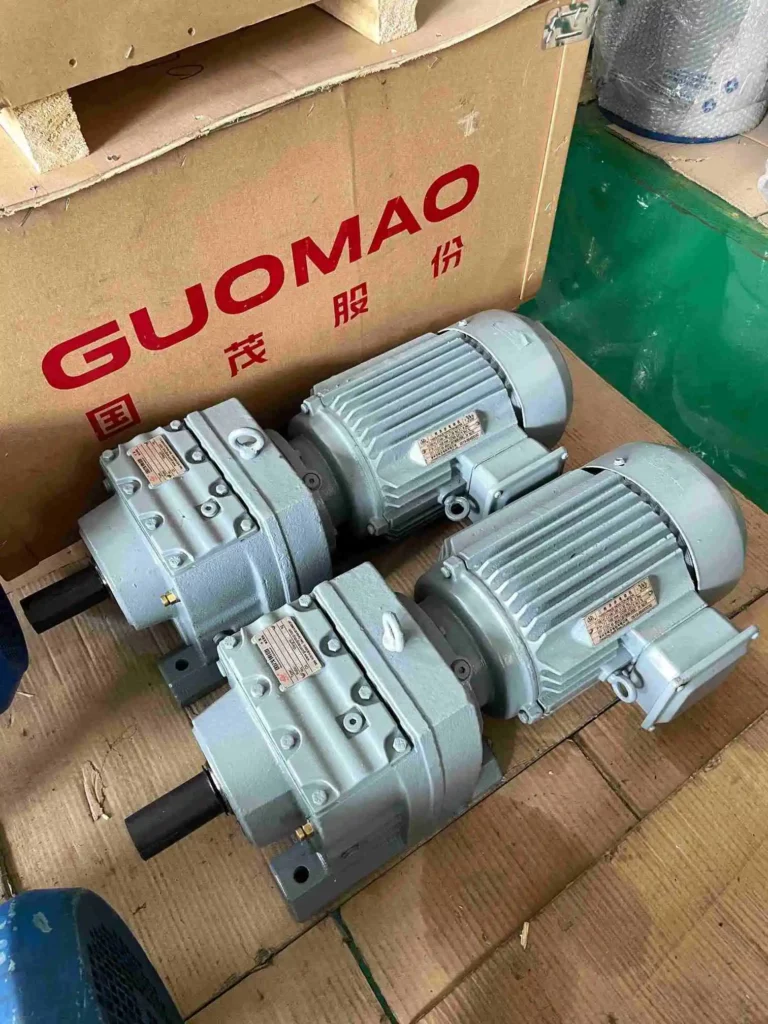
一个 圆柱齿轮减速器 includes gears that fit together in a side-by-side setup. These gears work to cut the starting speed. They also boost the torque passed from the input shaft to the output shaft. The round form of the gears supports even running and small power waste. This approach is straightforward, but it works well. Thus, cylindrical gear reducers offer an affordable option for different machine demands.

How Cylindrical Gear Reducers Contribute to Machinery Efficiency
Cylindrical gear reducers help improve machine output. They do this by cutting power loss and refining power flow. In setups like conveyor systems, motors, and big industrial machines, these reducers make sure energy serves its purpose. This cuts damage to parts and lengthens equipment life. Since they deliver strong torque with low power use, they support the steady work of the whole system.
Key Factors Affecting the Performance of Cylindrical Gear Reducers
Various main points shape the output of cylindrical gear reducers. These include load handling, material toughness, and the accuracy of gear setup. Knowing these parts lets engineers and workers improve the choice and application of these reducers in different tasks.
Load Capacity vs. Performance: What You Need to Know
The load handling of a cylindrical gear reducer is closely tied to its output. It sets the level of weight or force that the reducer can take before breaking. In tasks with heavy loads, it matters to confirm that the gear reducer supports the planned load. It should do so without losing its output. The reducer’s work links directly to how well it manages this load. At the same time, it keeps running steadily and is trustworthy.
Matching the gear reducer size to the machine’s load needs is important. For instance, in tough industrial tasks like mining or cement making, picking a cylindrical gear reducer with the right load handling makes sure the system runs without early damage or breakdown.
Material Selection and Its Impact on Gearbox Performance
The material used in building the gear reducer has a big effect on its output. Strong materials, such as alloy steels treated with methods like carburizing and quenching, often get picked for their lasting quality and ability to face heavy loads. The right material choice ensures the reducer deals with the strains of work. It also stays dependable over time.
在 国茂, we focus on top materials in our cylindrical gear reducers. We pick fine materials and use modern manufacturing methods. So, our reducers face the toughest work conditions. They also keep a strong output and long use time.
How to Optimize Load Capacity in Cylindrical Gear Reducers
Raising the load handling of a cylindrical gear reducer calls for a mix of setup thoughts and work habits. By aiming at the exact setup of the reducer and proper upkeep, the load handling can grow. It does so without harming output.
Optimizing Gearbox Design for Maximum Load Efficiency
The setup of a cylindrical gear reducer is central to its load handling. Exact work in shaping the gears, shafts, and bearings makes sure the reducer takes heavy loads. It does this while running well. Main points for raising load output include the gear ratio, tooth shape, and bearing setup. These parts help the reducer pass the needed torque. They avoid extra strain or damage.
One case of a fine-tuned gearbox setup is the Guomao ZY系列圆柱齿轮减速机. It has a solid form that gives top-load support and good power flow. This holds even in the hardest industrial spots.
Be
st Practices for Preventing Overload in Cylindrical Gear Reducers
Stopping overload is key to making a cylindrical gear reducer work well over time. Overload can cause too much damage to gears, higher power use, and risk to the main parts. To stop overload, match the reducer size to the task. Also, check the system often for signs of stress.
Good habits include setting up the gear reducer properly. Use it within the suggested work limits. Do steady upkeep checks to fix problems early. By doing these, the chance of overload drops. This leads to longer and better gear reduction systems.
Applications of Cylindrical Gear Reducers in Industry
Cylindrical gear reducers find use in many fields. They offer trustworthiness, good output, and the skill to manage strong torque. These reducers suit tasks well where exact speed handling and torque growth are needed.
Key Industrial Sectors Using Cylindrical Gear Reducers
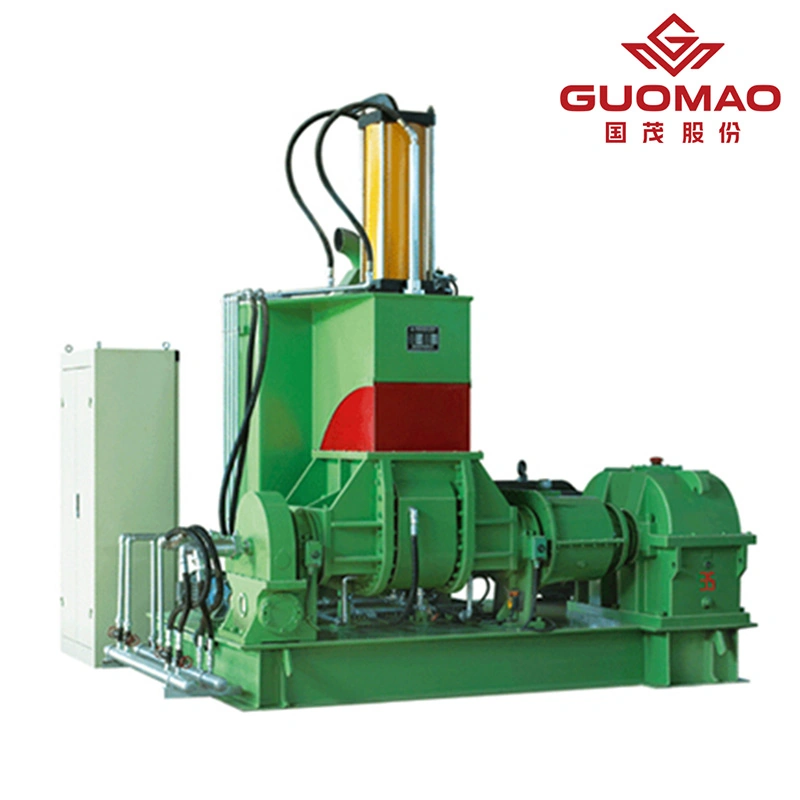
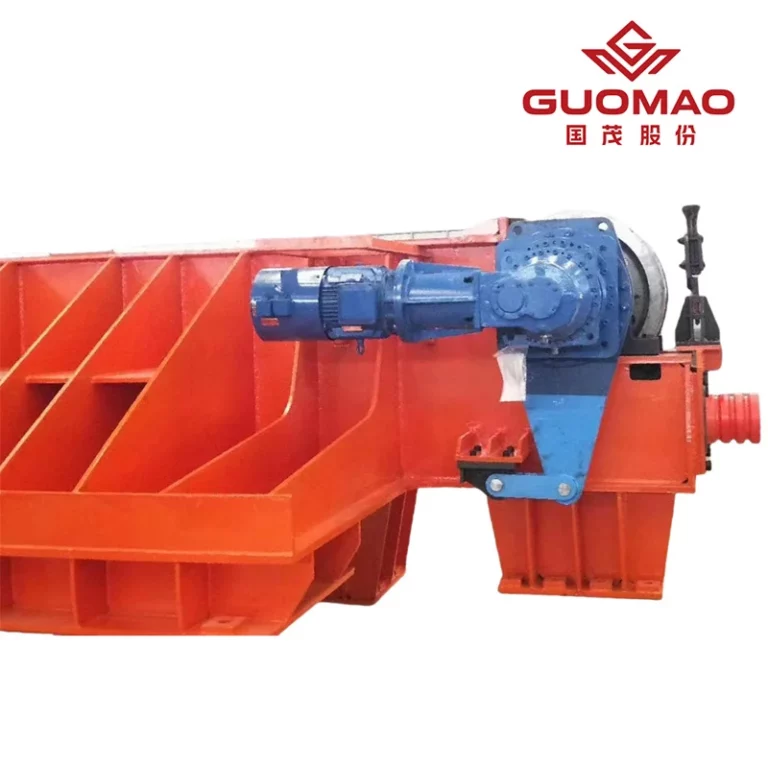
Cylindrical gear reducers see wide use in areas like metallurgy, building, and goods moving. In these, strong torque and exact speed handling are vital. Here, gear reducers drive heavy devices like crushers, conveyor belts, and mixers. All need steady, effective work.
For example, in the metallurgical industry, cylindrical gear reducers often work in steel mills and blast furnaces. These machines need strong torque to run devices such as rolling mills and conveyors. Thus, cylindrical gear reducers become a core part of the making process.
Performance Benefits in Heavy-Duty and High-Speed Environments
Cylindrical gear reducers fit heavy-duty and fast work spots especially well. These reducers take big torque while keeping power output. So, they work fine for tasks like lifting gear, fast conveyors, and strong pumps. The skill to move large torques while running even at high speeds is a main gain of cylindrical gear reducers.
In high-speed applications such as conveyor systems, our ZY Series Cylindrical Gear Reducer ensures goods move well. It does this without harming system strength or speed. Its solid setup lets it handle the hard needs of fast machines.
常见问题解答
Q: How does a cylindrical gear reducer improve machinery efficiency?
A: A cylindrical gear reducer raises output by cutting input speed and boosting torque. This lets machines run steadily with less power use. It cuts damage and lengthens equipment life.
Q: What is the difference between a cylindrical gear reducer and a planetary gear reducer?
A: A cylindrical gear reducer uses gears with side shafts for power flow. A planetary gear reducer uses gears in a planet-like setup. Cylindrical gear reducers suit tasks needing strong torque and ease. Planetary ones are smaller and give more torque in tight spots.
Q: What factors should I consider when selecting a cylindrical gear reducer for heavy-load applications?
A: When picking a cylindrical gear reducer for heavy-load tasks, look at load handling, gear ratio, material toughness, and work setting. Right-sizing of the reducer brings the top output and cuts breakdown risk.
Q: Can cylindrical gear reducers be used in both high-speed and high-torque applications?
A: Yes, cylindrical gear reducers are made to manage both fast and strong-torque tasks. They work well in spots like conveyor systems, crushers, and heavy machines. Here, both speed and torque matter.
Q: How can I optimize the load capacity of my cylindrical gear reducer?
A: To raise load handling, make sure the reducer has the right gear ratio, materials, and bearing setup. Steady upkeep, proper fitting, and avoiding overloads also keep the top load output.