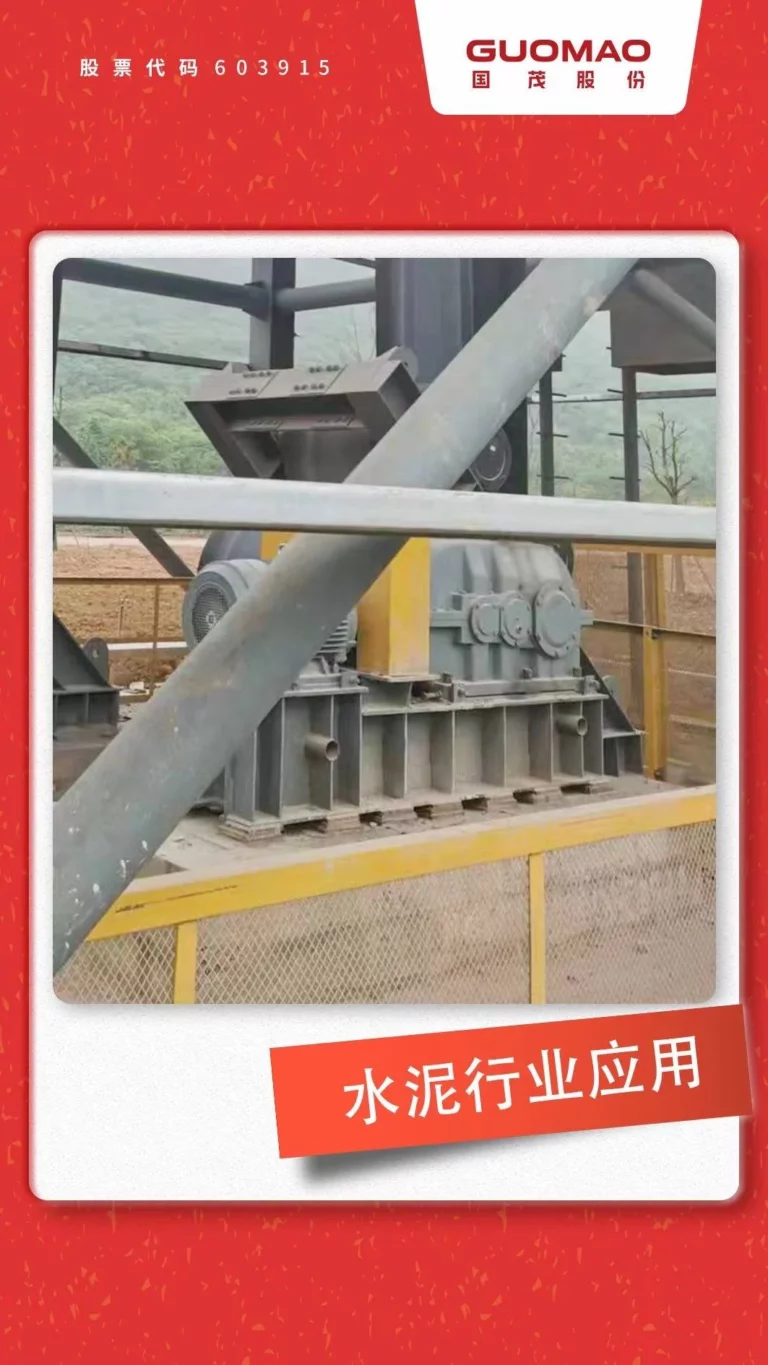
Understanding Parallel Shaft Gearboxes for Conveyor Systems
Parallel shaft gearboxes form a key part of steady and dependable power transfer in factory conveyor setups. These units help change and send power from engines to conveyors. As a result, they allow even and useful movement of goods in many fields.
What is a Parallel Shaft Gearbox?
A parallel shaft gearbox serves as a machine tool to pass the turning force between two even shafts. This kind works well for tasks that need a strong force and a small size. It fits tough conveyor setups. The gear setup on even shafts makes sure the gear ratio fits both flow and output. Factories in shipping, digging, making, and chemical work use them a lot.

Key Benefits of Parallel Shaft Gearboxes for Industrial Conveyors
- Compact Design: Parallel shaft gearboxes tend to take up less room than other kinds. This makes them a good pick for tight spaces.
- High Torque Capacity: Builders make these units to deal with high force levels. They suit hard tasks like conveyor lines that shift big, weighty items.
- Durability and Longevity: Strong build and fine parts give these gearboxes lasting work. They hold up in hard run spots.
- Low Maintenance: The setup cuts down on rubbing and harm. Thus, they need care less often. This adds to the whole system trust.
How to Size Parallel Shaft Gearboxes for Conveyor Drives
Picking the size for a parallel shaft gearbox in a conveyor line goes beyond just choosing based on power and force. The right size makes sure the unit fits the system’s run needs. It also boosts flow and cuts harm. Here is a way to pick the best unit for your conveyor line.
Selecting the Right Gearbox Based on Load and Speed Requirements
When sizing a gearbox, the primary consideration should be the conveyor’s operational load and speed. Here are the key factors to evaluate:
- Load: The weight of the material being transported directly affects the torque needed from the gearbox. It’s essential to determine the maximum load the conveyor will carry to select a gearbox that can handle the required torque.
- Speed: Conveyor systems often operate at varying speeds, depending on the specific process. The gearbox must be able to accommodate the desired output speed while maintaining efficiency.
- Motor Power: Ensure that the gearbox is paired with the correct发动机 to achieve the desired torque and speed for the conveyor system. This is crucial for maintaining balance and efficiency in the system.
How to Calculate the Proper Gear Ratio for Conveyor Applications
The gear ratio counts as a main part of the unit pick. It sets the turn drop or rise between the engine and output shaft. To find the right gear ratio:
- Determine the Desired Output Speed: Start by picking the needed turn rate of the line’s output shaft.
- Identify the Motor Speed: Take the engine’s set turn rate.
- Use the Gear Ratio Formula: Work out the gear ratio by splitting the engine turn rate by the wanted output turn rate. For instance, if the engine turn rate is 1500 RPM and the output turn rate is 150 RPM, the gear ratio comes to 10:1.
This math aids in finding the best unit that fits the run needs of the conveyor line.
Key Factors to Consider When Sizing Gearboxes for Industrial Conveyors
You need to look at several points when picking the size for units in conveyor drives. This ensures good output, long life, and trust. Knowing these points helps pick the best unit for any conveyor task.
Importance of Torque and Power in Gearbox Selection
- Torque: Units must size to manage the top force for the line. This comes from the moved weight and run spots.
- Power: Power links right to the engine and unit. Sizing the unit to match the engine’s power makes sure the setup runs well. It avoids too much load.
How Environmental Factors Affect Gearbox Sizing and Performance
- Temperature: Very high or low heat can harm the unit’s output. You may need special oil or cool tools.
- Vibration: Big shakes speed up harm to the unit. Make sure the unit can take shocks without losing output or life span.
- Humidity and Dust: Spots with much wet or dirt need units with good seals. This stops bad stuff from harming the inside parts.
Common Challenges in Gearbox Sizing for Conveyors and How to Overcome Them
Gearbox sizing looks simple. Yet, issues can come up in hard or tough tasks. Spotting these early helps. Knowing how to fix them keeps good output and long life for the conveyor line.
Managing High Loads and Extended Operational Hours
- High Load Requirements: Lines often move heavy goods. This puts a big strain on the unit. Pick units made for more force and weight hold, like Guomao’sGF系列平行轴-斜齿轮轮减速电机. They ease this problem.
- Extened Operational Hours: Long run times ask for units that can withstand steady use. They should avoid overheating or too much harm. Units with better oil setups or heat-proof parts fit these tasks.

Troubleshooting and Maintenance Tips for Gearboxes in Conveyor Systems
- Regular Lubrication: Good oil cuts, rubs, and harms. It lengthens the unit’s life.
- Vibration Monitoring: Set up shake checks to spot early problems. This stops bigger issues later.
- Overload Protection: Add overload guards to stop harm to the unit in top weight times.
Guomao’s Parallel Shaft Gearboxes: A Trusted Solution for Conveyors
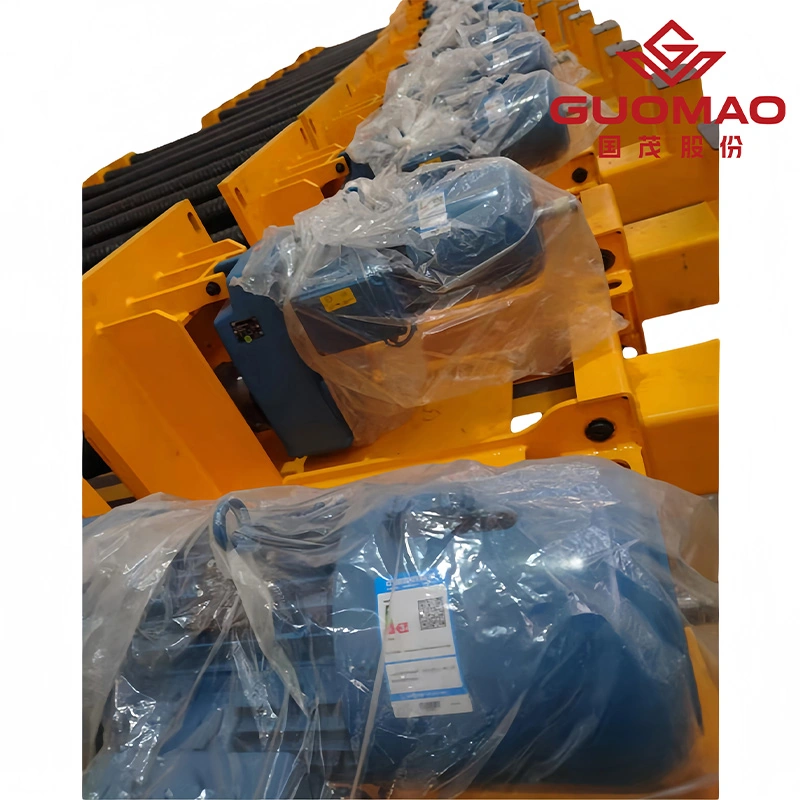
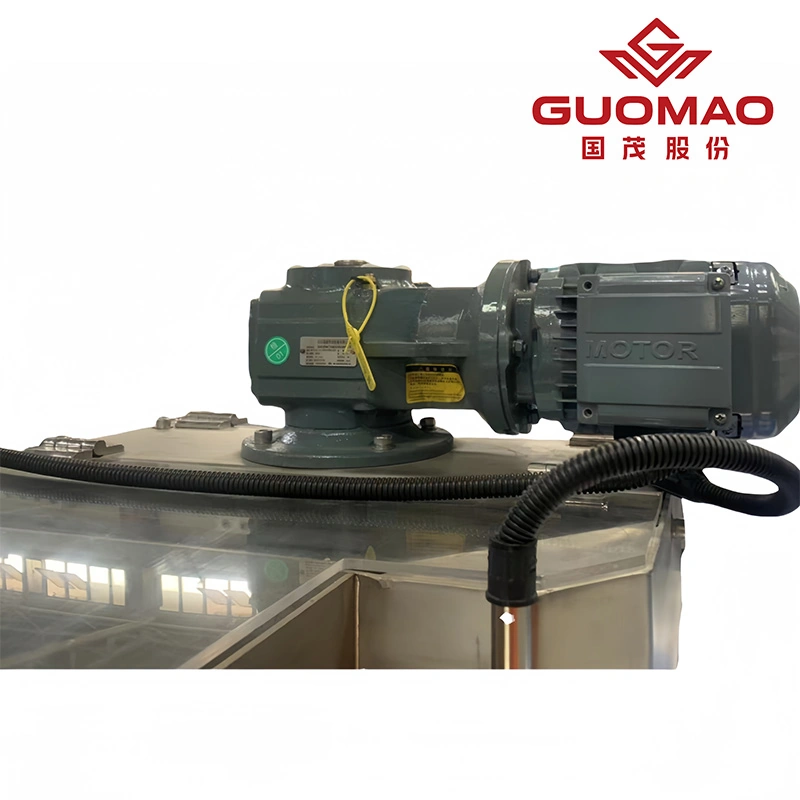
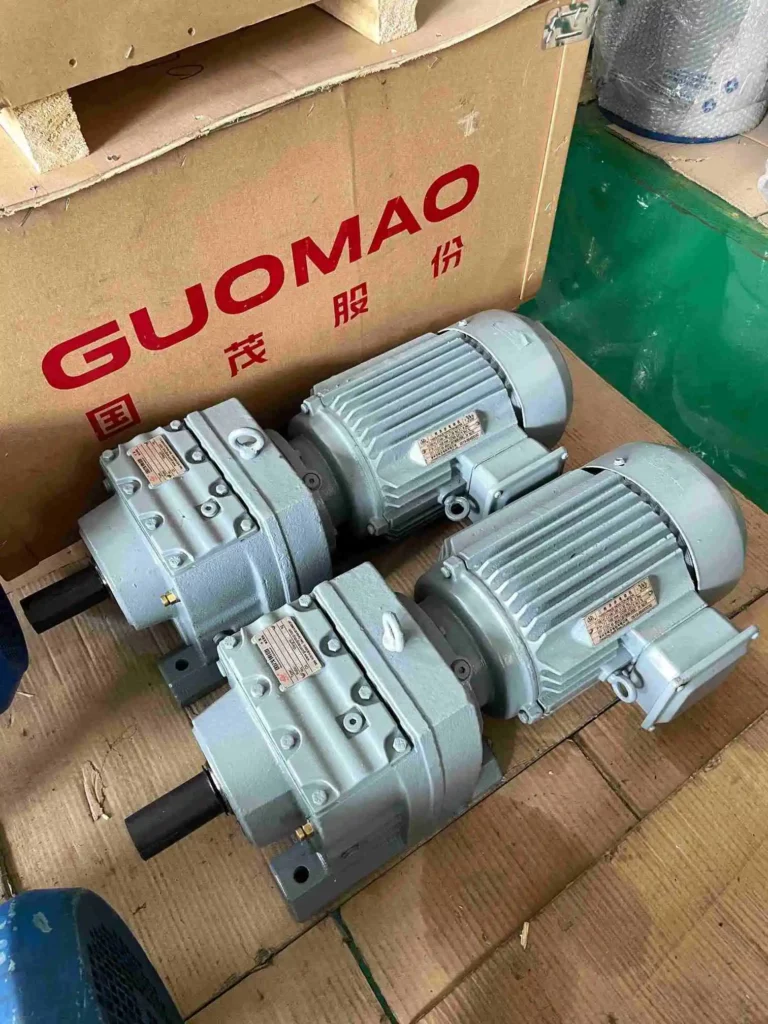
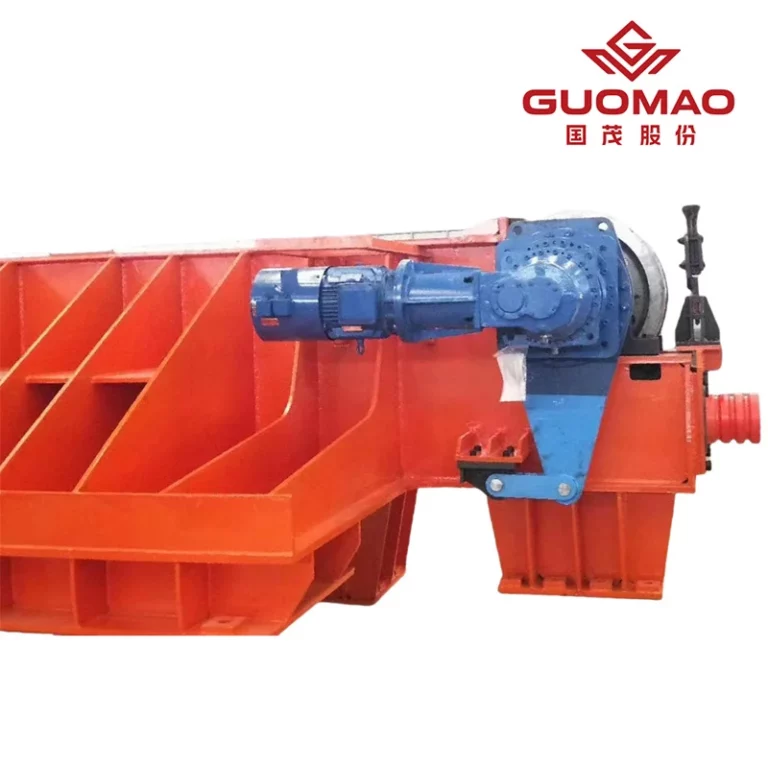
Guomao’s GF Series Parallel Shaft Gearbox offers a sure and strong output fix made just for factory conveyors. Builders shape these units to meet the needs of hard tasks. They give fine output, big force hold, and little care is needed.
Overview of Guomao’s GF Series Parallel Shaft Gearbox
The GF Series fits high weight and turn drop. It makes a top pick for factory lines in shipping, digging, and making. Its small build and tough setup give lasting trust even in hard spots.
Benefits of Guomao Gearboxes for Heavy-Duty Conveyor Applications
- High Torque Capacity:国茂 units manage heavy weights. They keep running, even in strong spots.
- Compact Design: The GF Series has a small shape. It fits easily into current lines without big changes.
- Efficiency: The smart build of Guomao units cuts power waste. It gives high flow and lowers run costs over time.
常见问题解答
Q: How do I determine the right gearbox size for my conveyor system?
A: To pick the right size, first work out the force needed from the weight and the wanted turn rate. Next, use the gear ratio math to choose a unit that fits the engine’s power. It should give the needed turn drop for the line.
Q: What is the typical lifespan of a parallel shaft gearbox in conveyor systems?
A: The life of a parallel shaft unit depends on points like weight, care, and setting spots. With good care, units like the GF Series Parallel Shaft Gearbox can last many years in steady use.
Q: How do environmental factors like temperature and humidity affect the gearbox’s performance?
A: Very high or low heat can break down oil and cut unit flow. Much wet or dirt can cause bad stuff inside. To fix this, pick units with the right seals. Think about adding cool or air flow tools.
Q: What maintenance should be performed on parallel shaft gearboxes for conveyors?
A: Steady oil work matters to cut harm. Also, check for too much shaking and heat signs. Make sure the unit runs within its set force and weight limits.
Q: Can I use a standard gearbox for a conveyor system with high torque requirements?
A: Basic units may fit light tasks. But for big force needs, you require a unit made for tough use. Guomao’s GF Series Parallel Shaft Gearbox fits. It handles big weights and gives better flow.