


Трудоемкий привод редко выходит из строя из-за неправильного, указанного в каталоге передаточного отношения. Проблемы начинаются, когда редуктор выбирается без полного спектра нагрузок, тепловой картины, параметров монтажа или плана обслуживания. Планетарный редуктор, изготовленный на заказ, становится ценным, когда одно номинальное значение крутящего момента и стандартный фланец не могут соответствовать этим условиям.
Индивидуальная настройка должна устранить неопределенность еще до того, как редуктор попадет в машину. Прослеживаемая связь между условиями эксплуатации, архитектурой, интерфейсами и критериями приемки обеспечивает надежность без излишней точности или компонентов увеличенных размеров.
В каких случаях для промышленного привода необходим планетарный редуктор, изготовленный на заказ?
Планетарная передача обеспечивает компактное снижение скорости и увеличение крутящего момента за счет распределения нагрузки. Разработка нестандартных решений оправдана, когда машина предъявляет требования, превышающие возможности стандартного выбора.
Ограничения выбора коробки передач на основе каталога.
Каталожные характеристики — это лишь отправная точка. Два привода с одинаковой мощностью двигателя и скоростью вращения могут создавать разные нагрузки: один работает стабильно, а другой запускается под нагрузкой, меняет направление вращения, заклинивает и испытывает скачки крутящего момента. Их подшипники, ступени, смазка и тепловые характеристики не могут быть оценены только по передаточному отношению.
Интерфейсы создают скрытые ограничения. Редуктор может соответствовать требуемому крутящему моменту, но при этом конфликтовать с высотой вала, муфтами, опорами или доступом. Это становится дорогостоящим компромиссом, если специалисты не могут добраться до сливного отверстия, проверить уплотнения или снять двигатель без демонтажа расположенного рядом оборудования.
Сигналы индивидуальной настройки в условиях высокомоментной промышленной эксплуатации
К факторам, влияющим на возможность индивидуальной настройки, относятся ударные нагрузки, частые запуски, ограниченное пространство, необычный выходной вал, фиксированная ширина посадочного места или ориентация, изменяющая свойства смазки. Тепло, пыль, влага, вибрация и непрерывная работа повышают риск.
Требования также взаимосвязаны. Более высокое передаточное отношение может потребовать дополнительного этапа, что повлияет на длину, потери, тепловыделение и нагрузки на подшипники. Уточните, сможет ли весь привод выдержать нагрузку в пределах имеющегося пространства и возможностей технического обслуживания.
Какие параметры работы управляют конструкцией планетарного редуктора, изготовленного на заказ?
Полезная спецификация описывает принцип работы машины, а не только желаемый результат. Качественные данные позволяют инженерам сравнивать альтернативные варианты и выявлять основные риски.
Раздельные параметры непрерывного крутящего момента, пикового крутящего момента и ударной нагрузки.
Постоянный крутящий момент влияет на тепловой баланс и усталость. Пиковый крутящий момент соответствует кратковременным ускорениям или перегрузкам. Ударная нагрузка описывает воздействия от заторов, попадания материала, торможения или подъема груза. Для каждого значения необходимо указать продолжительность и частоту.
По возможности предоставьте график зависимости нагрузки от времени. В противном случае задокументируйте последовательность действий, изменение свойств материала, условия запуска и наихудшее вероятное событие. Это позволит инженерам отличить аварийный пик от повторяющейся нагрузки в течение всего жизненного цикла.
Скорость, передаточное отношение, рабочий цикл и события реверсирования.
Зафиксируйте скорость вращения двигателя и выходную скорость, допустимые отклонения, часы работы, количество запусков в час и изменения направления вращения. Однонаправленный миксер отличается от индексирующего привода, который часто меняет направление вращения, где потери хода и крутильный отклик имеют большее значение.
Оцените передаточное отношение, учитывая работу двигателя и станка одновременно. Оно влияет на выходной крутящий момент, отраженную инерцию, количество ступеней, длину и скорость зацепления. Рабочий цикл позволяет отделить пределы усталости от пределов теплового воздействия и предотвращает обработку коротких пиков как непрерывной работы.
Условия съемки, монтаж, смазка и доступ для обслуживания.
Укажите температуру, загрязнение, воздействие промывки, угол установки и охлаждение. Предоставьте чертежи соединений для адаптера, валов, фланца, основания и опорной конструкции. Укажите радиальные и осевые нагрузки отдельно от передаваемого крутящего момента.
Укажите предпочтения в отношении смазочных материалов, доступ для замены масла, точки осмотра, время простоя и ограничения по подъему. Конструкция, допускающая техническое обслуживание, может принести больше пользы, чем меньший по размеру корпус, который трудно слить или снять.
Как следует сконфигурировать планетарный редуктор, изготовленный на заказ?
Настройка начинается после того, как определены рабочие параметры. В Guomao мы связываем проверенные параметры нагрузки, ограничения интерфейса и целевые показатели приемки с подходящей архитектурой, а не рассматриваем «индивидуальную настройку» как косметическое изменение.
Сопоставьте инженерную планетарную архитектуру с плотностью крутящего момента.
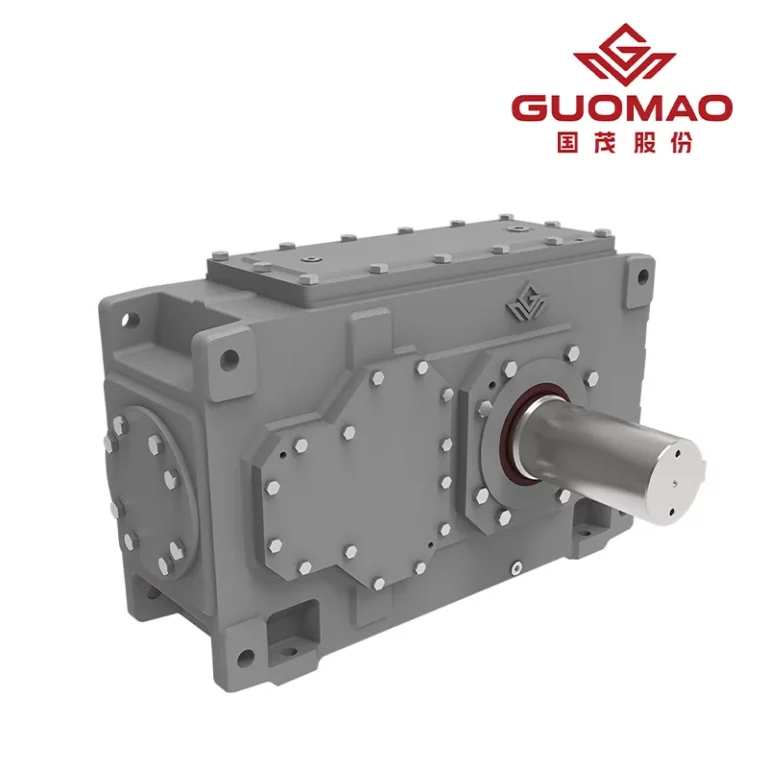
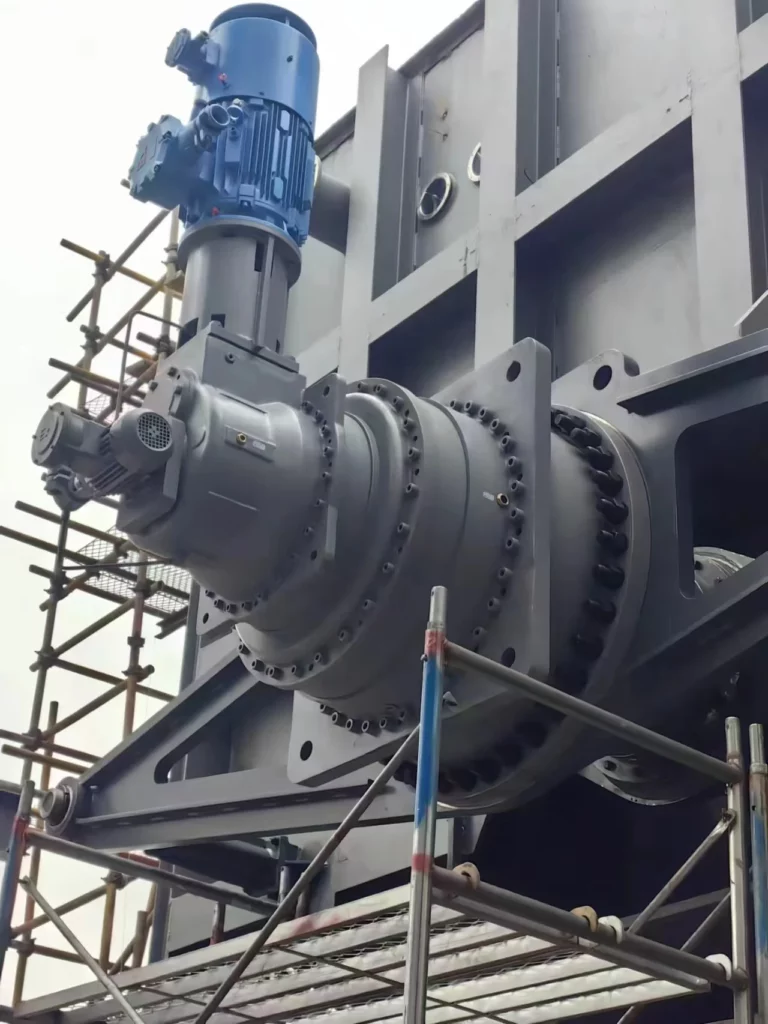
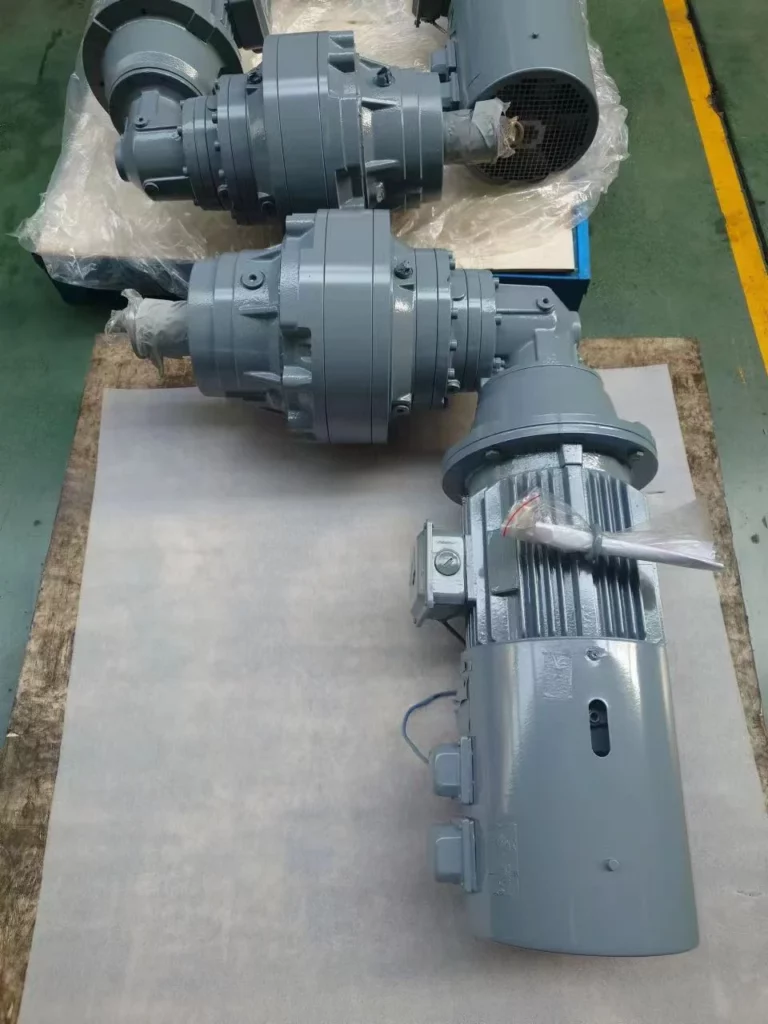
Гуомао Инженерная механическая планетарная коробка передач Представленная конструкция отличается компактностью и обеспечивает большой крутящий момент. Диапазон заявленных значений составляет 0,37–540 кВт, а передаточные числа — от 3,4 до 2500. Области применения включают смесительное оборудование, дробильные установки, дорожное строительство, башенные краны, бурение, подъемные механизмы, гидротехническое оборудование и судовые машины.
В технической документации компании Guomao также указано, что в зубчатых передачах сателлитов и солнечных шестерен используются косозубые шестерни, закаленные до твердости 58–62 HRC, а в зубчатых передачах сателлитов — двойная опора с игольчатыми подшипниками полного комплекта. Эти конструктивные особенности обеспечивают жесткость на кручение и передачу нагрузки, но окончательная пригодность все же зависит от требуемой нагрузки.
Эти области применения не имеют единой конфигурации. Для дробилки может быть приоритетом ударопрочность, кран требует тщательного подхода к запуску и торможению, а морское оборудование может предъявлять более высокие требования к герметизации. Фактическая задача должна определять ход анализа.
Установите люфт и жесткость для точного перемещения.
Люфт — это контролируемый зазор, а не автоматически дефект. Слишком большой люфт может замедлить реакцию на изменение направления вращения и снизить повторяемость; слишком маленький люфт без соответствующей смазки и теплового припуска может увеличить трение и износ. Цель должна соответствовать поставленной задаче.
Гуомао’ с Точный планетарный редуктор Это актуально, когда точность и жесткость имеют первостепенное значение. На странице описана концепция зубчатой передачи S-типа, снижение шума, повышенная жесткость, увеличенный срок службы при усталостных нагрузках и настраиваемые передаточные числа от 30 до 160. Области применения включают промышленные роботы, станки, полупроводниковое оборудование и аэрокосмическую отрасль. Окончательные критерии люфта и нагрузки остаются на уровне конкретного проекта.
Балансировочные ступени, подшипники, смазка и терморегулирование.
Увеличение количества ступеней может повысить передаточное отношение, но также повлияет на размеры, потери, смазку и нагрев. Спиральные зацепления могут улучшить плавность хода и распределение нагрузки, но для восприятия осевых сил необходимы соответствующие подшипники. Внешние радиальные или осевые нагрузки могут потребовать большей поддержки, даже если крутящий момент приемлем.
Вязкость смазки, уровень масла, циркуляция и охлаждение должны соответствовать скорости, ориентации, температуре и режиму работы. Нагрев изменяет характеристики смазки, зазоры, уплотнения и срок службы подшипников, поэтому эти решения требуют анализа на системном уровне.
Как индивидуальная спецификация превращается в проверенное решение для привода?
В рамках качественного индивидуального проекта предположения преобразуются в документацию, соответствующую установленным требованиям, еще до того, как будут закуплены материалы или редуктор поступит в станок.
Определение нестандартного инженерного объема работ с помощью Guomao
Для проектов, выходящих за рамки каталогов, Гуомао Нестандартный редуктор настройки На странице подтверждается наличие нестандартных инженерных решений для тяжелых условий эксплуатации, включая расчеты, проектирование характеристик, инженерные решения и допустимую ударную нагрузку. В ней не указано, что эти редукторы относятся к планетарным моделям, поэтому речь идет о более широких возможностях индивидуальной настройки, а не о классификации как планетарные редукторы.
Наш анализ начинается со спектра нагрузок, схемы интерфейса, условий эксплуатации, целевого режима работы и истории отказов. В описании объема работ должно быть указано, какие изменения происходят — передаточное число, вал, фланец, корпус, подшипники, смазка или охлаждение — и что должно оставаться совместимым.
Проверка чертежей, образцов, документации и критериев приемки.
Перед началом производства необходимо утвердить чертежи, включая валы, допуски, схему расположения болтов, угол поворота, положение при монтаже и нагрузки на соединения. Если риск оправдан, проверка образцов или прототипов может подтвердить соответствие и работоспособность.
Критерии приемки могут касаться передаточного отношения, вращения, шума, вибрации, повышения температуры, утечек, люфта и характеристик при заданной нагрузке. В документации должны быть указаны требования к смазке, установке, проверке и техническому обслуживанию.
В каких областях применения специализированные планетарные решения приносят наибольшую пользу?
Индивидуальная настройка повышает ценность там, где простой обходится дорого, нагрузки сложны или редуктор должен соответствовать фиксированной архитектуре. Процесс разработки приводов для тяжелых условий эксплуатации и прецизионных приводов аналогичен, но имеет разные приоритеты.
Тяжелое оборудование для смешивания, дробления, подъема, строительства и судостроения.
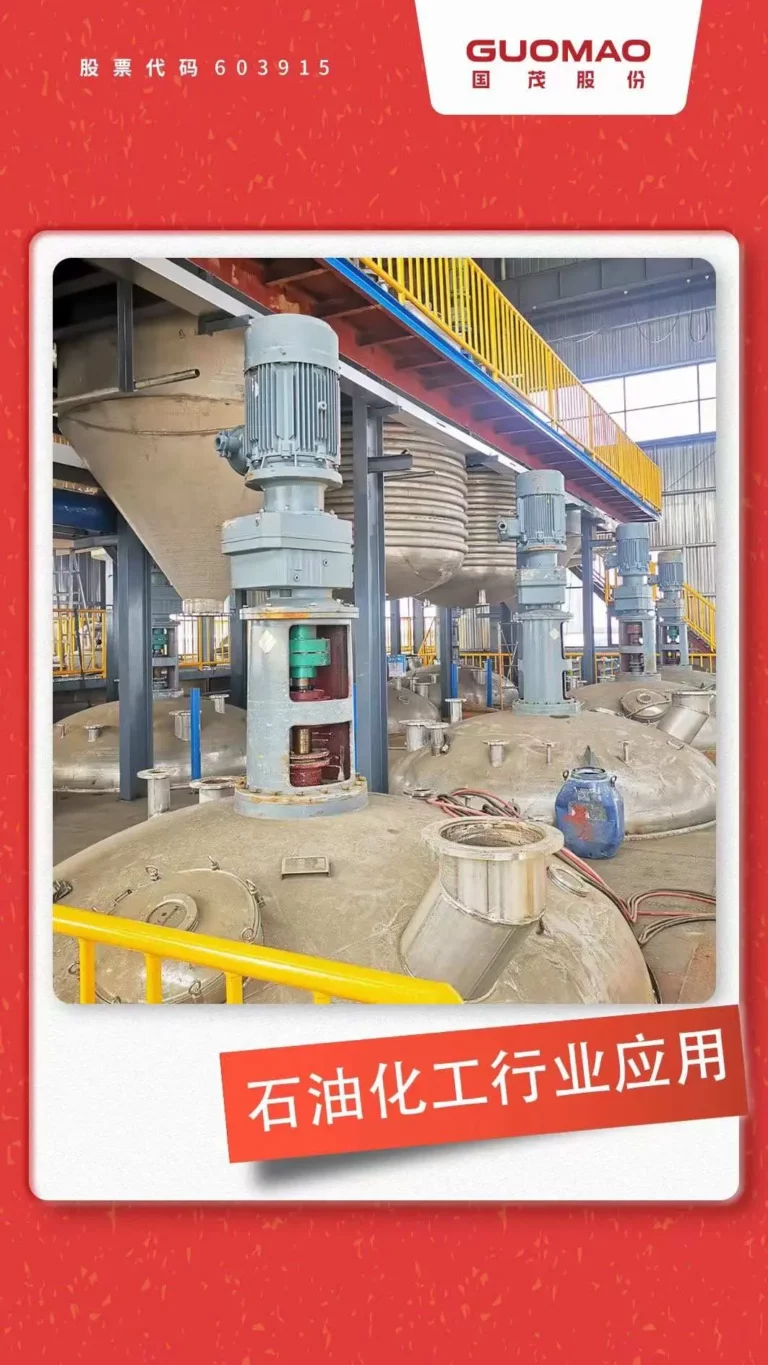
Список проверенных областей применения оборудования Guomao охватывает смесительное и дробильное оборудование, асфальтобетонное оборудование, дробилки, дорожную технику, башенные краны, буровые установки, подъемное оборудование, гидротехническое оборудование и морское оборудование. Эти секторы не предоставляют единой универсальной конфигурации; для каждого проекта необходимы собственные проверенные данные о нагрузке, условиях окружающей среды и взаимодействии с другими элементами.
Приводы для точной автоматизации и позиционирования
В проектах автоматизации необходимо количественно оценить реверсы, ускорение, отраженную инерцию, точность и повторяемость. Редуктор с низким люфтом мало чем полезен, если его конструкция, муфта или механизм обеспечивают большую податливость. Вся цепь движения должна соответствовать поставленной цели.
Контрольный список для покупателя перед запросом индивидуального предложения по коробке передач
Предоставьте данные о двигателе: скорости, непрерывный и пиковый крутящий момент, ударные нагрузки, рабочий цикл, направление вращения, нагрузки на вал и ожидаемый срок службы. Добавьте чертежи, ограничения по пространству, ориентацию, условия эксплуатации, смазку, охлаждение, доступ для технического обслуживания, требования соответствия, количество и график работ. Завершите описание критериями приемки и историей отказов. Полное техническое задание сокращает время рассмотрения и проясняет проектные решения.
Часто задаваемые вопросы
В: Какая информация необходима для изготовления планетарного редуктора на заказ?
A: Укажите спектр нагрузок, непрерывный и пиковый крутящий момент, ударные нагрузки, скорости, передаточное число, рабочий цикл, реверсы, внешние нагрузки на вал, условия окружающей среды, интерфейсы, положение при монтаже, смазку, охлаждение, целевые параметры эксплуатации и критерии приемки.
В: Чем отличаются непрерывный крутящий момент и пиковый крутящий момент?
А: Непрерывный крутящий момент влияет на устойчивые тепловые характеристики и усталостную прочность. Пиковый крутящий момент описывает более короткие периоды воздействия. Инженерам также необходима информация о продолжительности и повторяемости каждого такого периода, чтобы определить, является ли он исключительным или частью нормальной работы.
В: Когда люфт в планетарном редукторе становится критическим?
А: Люфт становится важным фактором при реверсировании, индексировании, позиционировании и других задачах, чувствительных к скорости реакции. Правильный предел зависит от всей цепи перемещения, рабочей температуры, смазки и требуемой повторяемости.
В: Можно ли установить планетарный редуктор, изготовленный на заказ, в существующие монтажные рамы?
А: Это возможно при наличии точных чертежей интерфейса, данных о нагрузках на вал, деталей соединения, доступа к месту обслуживания и ограничений по пространству. Совместимость должна быть подтверждена инженерной экспертизой, а не только внешними размерами.
В: Как следует проверять работоспособность планетарного редуктора, изготовленного на заказ, перед началом производства?
А: Проверьте чертежи, интерфейсы, вращение, смазку и задокументированные целевые показатели производительности. В зависимости от рисков проекта, используйте образец или прототип и протестируйте заданные нагрузки, температуру, вибрацию, шум, утечки, люфт и посадку перед началом серийного производства.