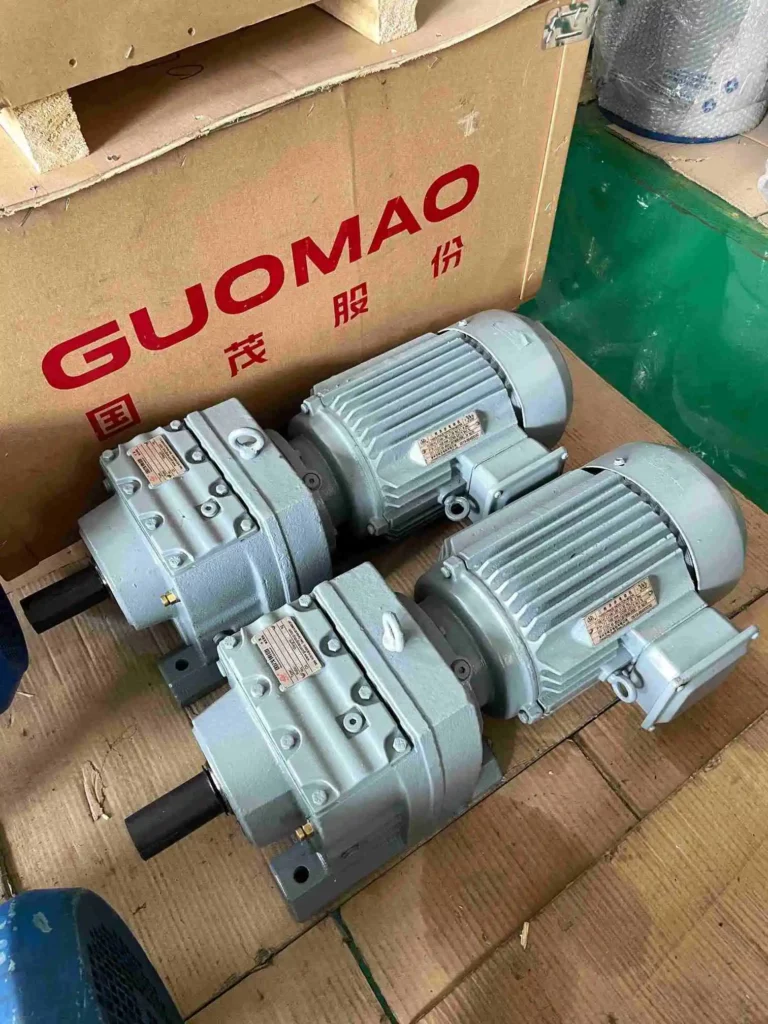



Низкий уровень шума редуктора достигается не только за счет акустической изоляции. В промышленных приводных системах звук связан с зацеплением шестерен, вибрацией, работой подшипников, состоянием смазки, жесткостью конструкции и изменением нагрузки. Более тихий привод начинается с механической конструкции и правильного подбора компонентов, а затем зависит от установки и технического обслуживания для обеспечения стабильной работы трансмиссии.
Почему малошумная конструкция редуктора важна в промышленных приводных системах
Почему шум промышленных редукторов — это не просто акустическая проблема?
Шум в промышленных редукторах часто является техническим сигналом. Контакт зубьев шестерни создает периодическое возбуждение, и любое изменение контакта зубьев, состояния подшипников, устойчивости крепления или устойчивости нагрузки может усилить вибрацию. В оборудовании непрерывного действия повышение уровня звука может указывать на снижение плавности передачи до того, как это станет явной неисправностью.
Почему шумоподавление следует начинать на этапе проектирования и выбора коробки передач?
Выбор малошумного редуктора следует начинать еще до изготовления оборудования. Геометрия зубчатых передач, точность зубьев, жесткость корпуса, опора подшипников, метод смазки и запас по крутящему моменту определяют акустические характеристики бесшумных промышленных приводных систем. Обработка корпуса может снизить передаваемый звук, но она не может исправить плохое зацепление, недостаточную жесткость, нестабильную установку или редуктор, выбранный слишком близко к пределу нагрузки.
Какие факторы вызывают шум при работе промышленных редукторов?
Как точность зацепления шестерен влияет на шум коробки передач
Точность зацепления зубчатых колес напрямую влияет на уровень шума. Точность профиля зубьев, условия контакта зубьев и допуски обработки определяют, насколько плавно крутящий момент передается от одной пары зубьев к другой. Ошибки в зацеплении зубьев могут вызывать периодические удары, которые передаются через валы, подшипники и корпус в виде вибрации.
Как изменение нагрузки и вибрация увеличивают шум коробки передач
Один и тот же редуктор может звучать по-разному при различных рабочих нагрузках. Переменная нагрузка, перегрузка, ускорение и нестабильная передача изменяют усилие на зубьях, прогиб вала и реакцию подшипников. Агрегат, работающий тихо при постоянной нагрузке, может стать громче, когда приводимая в движение машина переключается между малой нагрузкой и пиковым крутящим моментом.
Как подшипники, смазка и сборка влияют на шумовые характеристики
Конструкция, обеспечивающая низкий уровень шума, – это не только вопрос зубьев шестерни. Подшипники должны поддерживать валы без чрезмерного зазора или смещения. Смазочная пленка должна разделять движущиеся поверхности и уменьшать трение без излишнего перемешивания. Точность сборки определяет конечное положение шестерен, валов, уплотнений и корпусов. При появлении ненормального шума, сопровождающегося нагревом, вибрацией, утечками или низким давлением смазки, инженеры должны проверять шестерни, подшипники, муфты, фундаменты, уплотнения, уровень масла, охлаждающие устройства и компоненты системы смазки как единую систему.
Как конструкция зубчатой передачи позволяет создать малошумный редуктор?
Почему зубчатая передача с косозубыми шестернями помогает снизить уровень шума
Косозубая передача помогает снизить уровень шума, поскольку зацепление зубьев происходит постепенно. Несколько точек вдоль линии зуба входят в контакт постепенно, поэтому передача крутящего момента может быть более плавной, если шестерни изготовлены точно и правильно закреплены. Для тяжелых и компактных приводных систем косозубые шестерни выбираются в тех случаях, когда важны низкий уровень шума, стабильная передача крутящего момента и непрерывный контакт зубьев.
Как точность зубчатых передач и обработка поверхности улучшают плавность работы трансмиссии
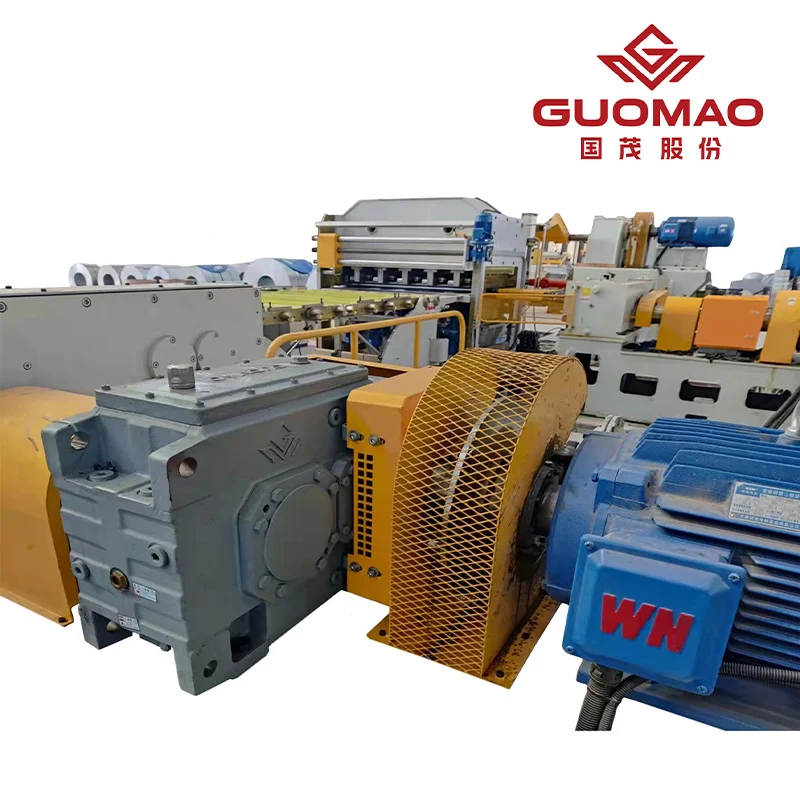
Точность зубчатых передач снижает возбуждение зацепления. В редукторе для тяжелых условий эксплуатации стабильное зацепление зависит от контроля профиля зубьев, шлифовки шестерен, качества поверхности и характера контакта с нагрузкой. Промышленный редуктор серии H В конструкции используются пары косозубых передач, точность зубьев 6-го класса и технология профилирования с низким уровнем шума, обеспечивающие плавное зацепление. Расчет грузоподъемности косозубых передач производится в соответствии со стандартами GB/T3480, DIN3990 и ISO6336, определяющими несущую способность и прочность зубьев.
Почему жесткость корпуса и точность сборки важны для снижения уровня шума?
Для обеспечения низкого уровня шума редуктору также необходима стабильность конструкции вокруг шестерен под нагрузкой. Деформация корпуса может сместить выравнивание подшипников и изменить предполагаемый контакт зубьев. Опора подшипников и прецизионная сборка помогают удерживать валы в заданном положении. Если корпус, основание или монтажная поверхность слабые, даже высокоточные шестерни могут работать с изменяющимся рисунком контакта.
Как условия эксплуатации влияют на работу малошумной коробки передач?
Как непрерывная работа влияет на шумоустойчивость
Непрерывная работа изменяет шумовую картину, поскольку температура и состояние смазки меняются со временем. В течение длительных часов работы тепло от трения и перемешивания должно отводиться через корпус, систему охлаждения, воздушный поток и окружающую конструкцию. При нарушении теплового баланса изменяются свойства смазки, и контакт подшипников или шестерен может стать менее стабильным.
Как грузоподъемность и требования к крутящему моменту влияют на уровень шума
Выбор редуктора меньшего размера для уменьшения габаритов или стоимости может увеличить риск шума, если крутящий момент недостаточен. Более высокая нагрузка увеличивает усилие на зубьях, реакцию подшипников и напряжение в корпусе. Для бесшумной работы выбранный редуктор должен соответствовать требованиям к непрерывному крутящему моменту, пиковому крутящему моменту, грузоподъемности, диапазону скоростей, коэффициенту запаса прочности и рабочему циклу.
Почему правильная установка помогает обеспечить бесшумную работу редуктора
Правильная установка защищает малошумную конструкцию редуктора. Соосность муфты, стабильное крепление, соосность шестерен или звездочек и отсутствие вибраций на фундаменте — все это влияет на плавность передачи. Несоосность может создавать радиальную нагрузку, возбуждать подшипники и изменять положение вала. Во время ввода в эксплуатацию инженеры должны фиксировать соосность, уровень масла, направление вращения и состояние муфты.
Как инженерам следует выбирать малошумный редуктор для промышленного применения?
Выбор малошумных редукторов для тяжелых условий эксплуатации в промышленных условиях.
Для тяжелой техники, смесительного оборудования, подъемного оборудования, дробилок, ковшовых элеваторов и других промышленных нагрузок, компания Guomao позиционирует промышленные редукторы серии H как основное решение с низким уровнем шума. Они сочетают в себе высокую крутящую способность, точность косозубых передач, технологию профилирования с низким уровнем шума, прецизионную сборку и высокую грузоподъемность для сложных приводных систем. Доступный диапазон мощности составляет 4-6000 кВт, передаточные числа от 1,25 до 450, а максимальный выходной крутящий момент достигает 950 кН·м. При выборе редуктора следует учитывать реальную скорость, крутящий момент, режим запуска и рабочую температуру.
Выбор компактных малошумных редукторов для интегрированных приводных систем.
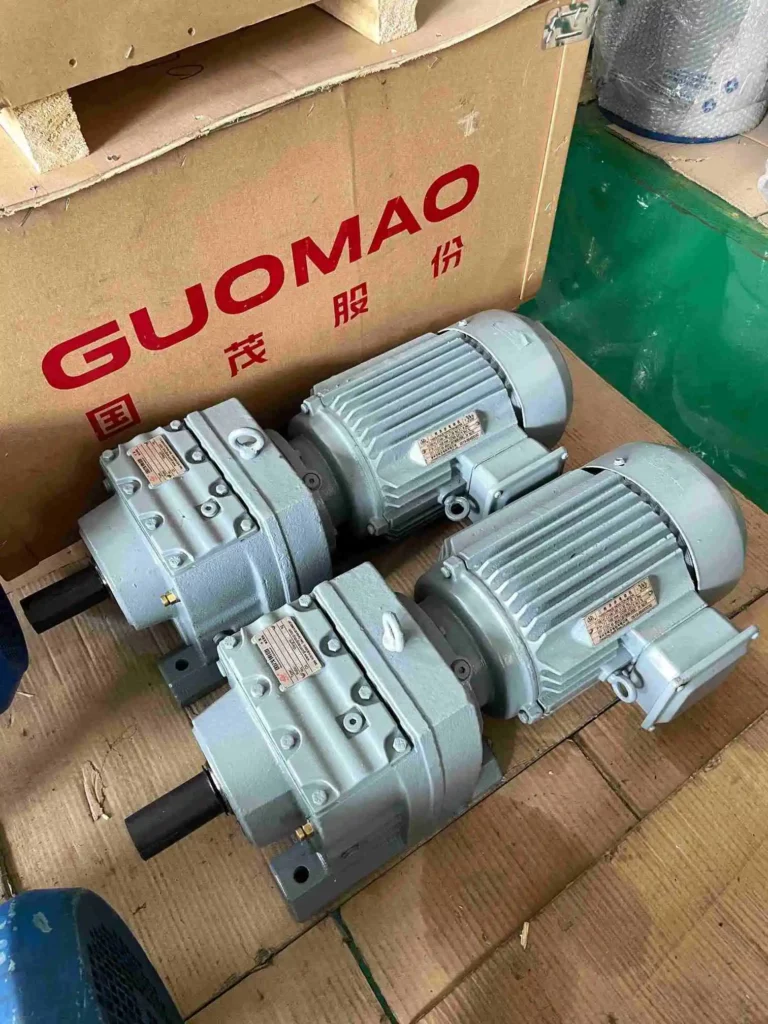
А Серия GR Спиральный двигатель GR — это вспомогательный вариант для компактных интегрированных приводных систем. В агрегатах GR используются одноступенчатые, двухступенчатые или трехступенчатые косозубые передачи, отличающиеся компактной конструкцией, высокой точностью, низким уровнем шума и высокой эффективностью передачи. Серия предлагает различные варианты установки и конфигурации входного сигнала, с диапазоном мощности от 0,12 до 200 кВт, передаточными числами от 1,26 до 33000 и максимальным выходным крутящим моментом до 50 кН·м. Наши инженеры используют GR там, где компактная малошумная косозубая приводная система соответствует компоновке машины и требованиям к условиям эксплуатации.
Сбалансированное сочетание шумовых характеристик с крутящим моментом, эффективностью и требованиями к обслуживанию.
Не следует выбирать малошумный редуктор, ориентируясь только на один показатель уровня шума или каталожное значение. Необходимо сравнивать нагрузку, скорость, крутящий момент, рабочий цикл, температурные условия, условия установки, способ смазки и доступ для обслуживания. Компактный агрегат может подойти для интегрированной машины, в то время как для условий с пиковыми нагрузками и длительной работой может потребоваться более мощный агрегат.
Каким образом высокоточное производство способствует обеспечению бесшумной работы редуктора в течение длительного времени?
Как усовершенствованная обработка зубчатых передач снижает уровень шума
Усовершенствованная обработка зубчатых передач снижает периодическое возбуждение. Шлифовка зубьев, точность зубьев и качество поверхности обеспечивают более плавный контакт зубьев и более предсказуемое распределение нагрузки. В промышленных редукторах серии H точность зубьев 6-го класса и технология профилирования с низким уровнем шума обеспечивают стабильное зацепление под промышленной нагрузкой. В редукторных двигателях серии GR конструкция с косозубыми шестернями и высокая точность обеспечивают бесшумную работу в компактных приводных системах.
Как стабильная работа трансмиссии обеспечивает бесшумную работу в течение длительного времени
После ввода в эксплуатацию необходимо поддерживать бесшумную работу. Контроль износа, стабильность смазки, проверка уровня масла, состояние подшипников, состояние уплотнений, состояние охлаждения и надлежащее техническое обслуживание — все это влияет на уровень шума в долгосрочной перспективе. Для более широкого выбора оборудования для тяжелых условий эксплуатации инженеры могут рассмотреть следующие аспекты: категория промышленных редукторов наряду с фактической нагрузкой на машину и требованиями к установке. Окончательный выбор должен обеспечивать баланс между плавностью хода, крутящим моментом, эффективностью и сроком службы.
Часто задаваемые вопросы
В: Какие факторы влияют на работу малошумного редуктора?
А: На работу малошумного редуктора влияют несколько факторов. В первую очередь это точность зацепления шестерен. Конструкция косозубых передач играет важную роль. Условия контакта зубьев имеют решающее значение. Необходима опора подшипников. Смазочная пленка должна оставаться постоянной. Точность сборки нельзя игнорировать. Жесткость корпуса повышает общую стабильность. Стабильность под нагрузкой помогает поддерживать производительность. Тщательное выравнивание при установке требует особого внимания. Рабочий цикл также напрямую влияет на результаты.
В: Как повышение точности зубчатых передач улучшает работу редуктора с низким уровнем шума?
А: Точность зубчатых передач улучшает работу редуктора с низким уровнем шума. Она уменьшает ошибки в контакте зубьев. Также она снижает периодические удары во время зацепления. Лучший контроль профиля зубьев приводит к хорошим результатам. Качество поверхности также имеет положительное значение. Точность сборки способствует этим преимуществам. Вместе они помогают плавно передавать крутящий момент. Эта передача снижает вибрацию. В целом, это способствует более тихой работе.
В: Почему в конструкциях редукторов с низким уровнем шума используются косозубые шестерни?
А: Косозубые шестерни часто встречаются в конструкциях малошумных редукторов. Они зацепляются постепенно. Эти шестерни поддерживают непрерывный контакт зубьев. Более плавное зацепление снижает уровень возбуждения. Они работают лучше, чем конструкции с резким контактом зубьев. Это преимущество особенно заметно, когда точность зубчатых передач остается высокой. Здесь этому способствует надежная поддержка подшипников. Контролируемая смазка обеспечивает дополнительные преимущества.
В: Как малошумный редуктор может снизить вибрацию в промышленном оборудовании?
А: Малошумный редуктор снижает вибрацию в промышленном оборудовании. Он улучшает плавность зацепления. Он обеспечивает точную поддержку валов. Он поддерживает стабильную смазку. Он обеспечивает жесткость корпуса и фундамента. Правильный подбор размеров предотвращает другие проблемы. Он предотвращает деформацию, связанную с перегрузкой. Это предотвращает нестабильную передачу.
В: Что следует учитывать при выборе малошумного редуктора для непрерывной работы?
А: При выборе малошумного редуктора для непрерывной работы инженерам необходимо учитывать несколько моментов. Следует оценить крутящий момент в непрерывном режиме и пиковый крутящий момент. Необходимо учитывать рабочую скорость. Грузоподъемность и рабочий цикл имеют решающее значение. Не следует игнорировать повышение температуры. Адекватное охлаждение и надлежащий уровень масла имеют значение. Соосность при установке влияет на долгосрочную успешность. Удобный доступ для технического обслуживания также важен. Инженерам также необходимо определить, подходит ли для конкретного применения решение серии H для тяжелых условий эксплуатации или компактная серия GR.