


Что представляет собой цилиндрический редуктор в тяжелой промышленности?
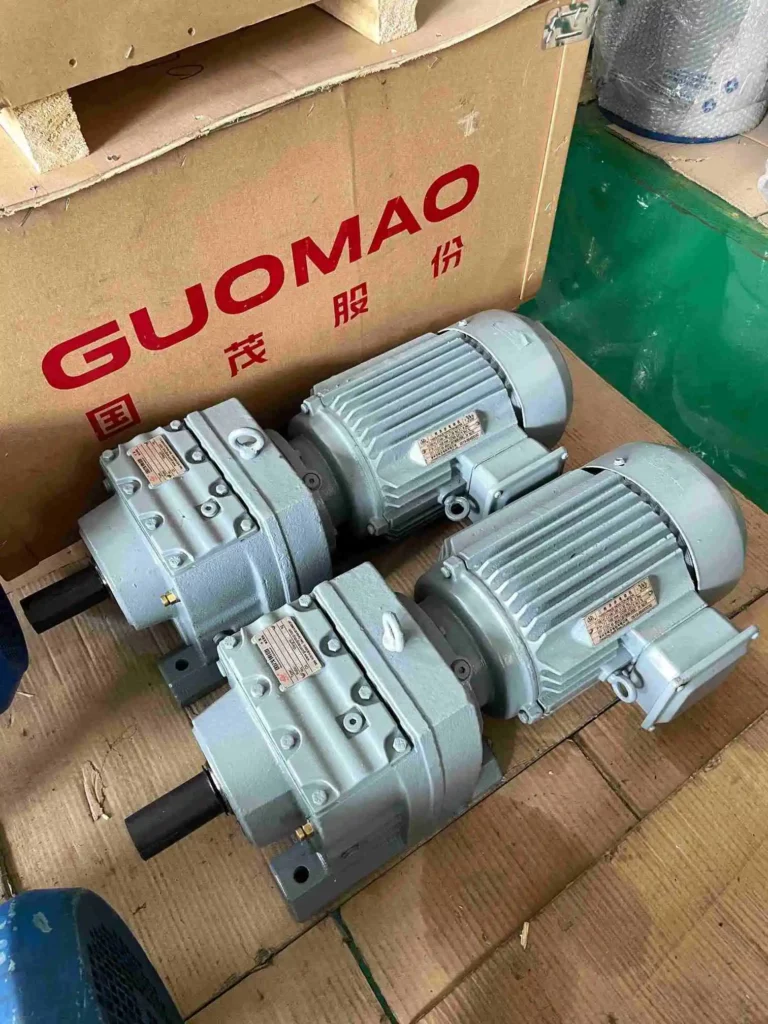
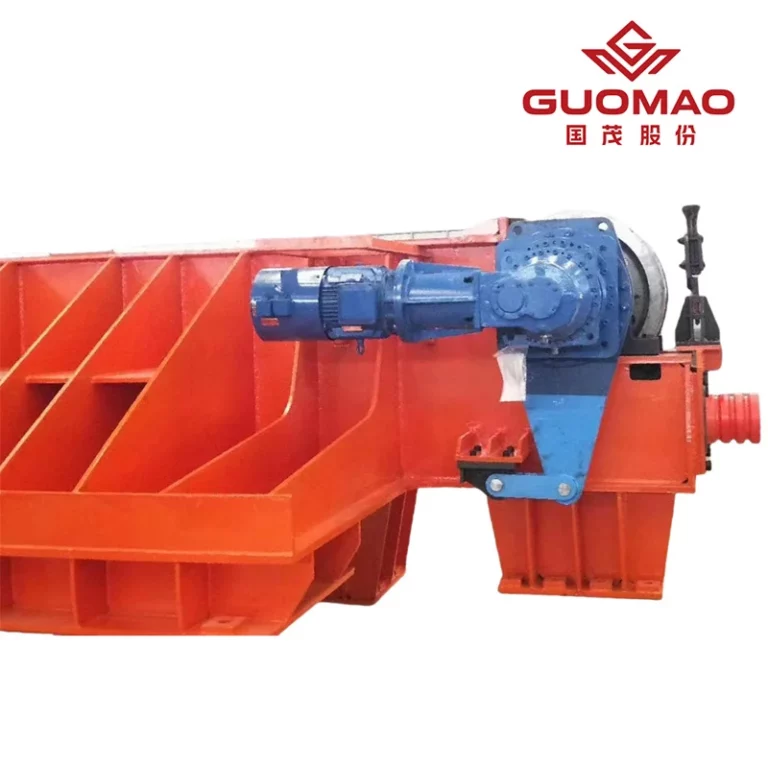
А цилиндрический зубчатый редуктор Этот редуктор служит в качестве силового агрегата. Он основан на внешнем зацеплении цилиндрических шестерен. Такая конструкция снижает скорость вращения двигателя и увеличивает выходной крутящий момент для нужд тяжелой промышленности. Он хорошо подходит для конвейеров, дробилок, подъемников, мешалок, цементного оборудования, металлургических линий и систем транспортировки сыпучих материалов. Выбор высокопроизводительного цилиндрического редуктора требует тщательного подхода. Принимайте решение, основываясь на мощности двигателя, входной скорости, выходном крутящем моменте, передаточном отношении, нагрузке на вал, наработке, ударных нагрузках, условиях смазки и условиях установки.
Каким образом цилиндрический редуктор увеличивает крутящий момент?
Мощность передается через высокоскоростной вал и проходит через зубчатые передачи, выходя через низкоскоростной вал. При снижении скорости крутящий момент увеличивается. Этот тип редуктора чаще всего используется в оборудовании, требующем постоянной силы, а не скорости.
Почему так широко используются цилиндрические редукторы с параллельными валами?
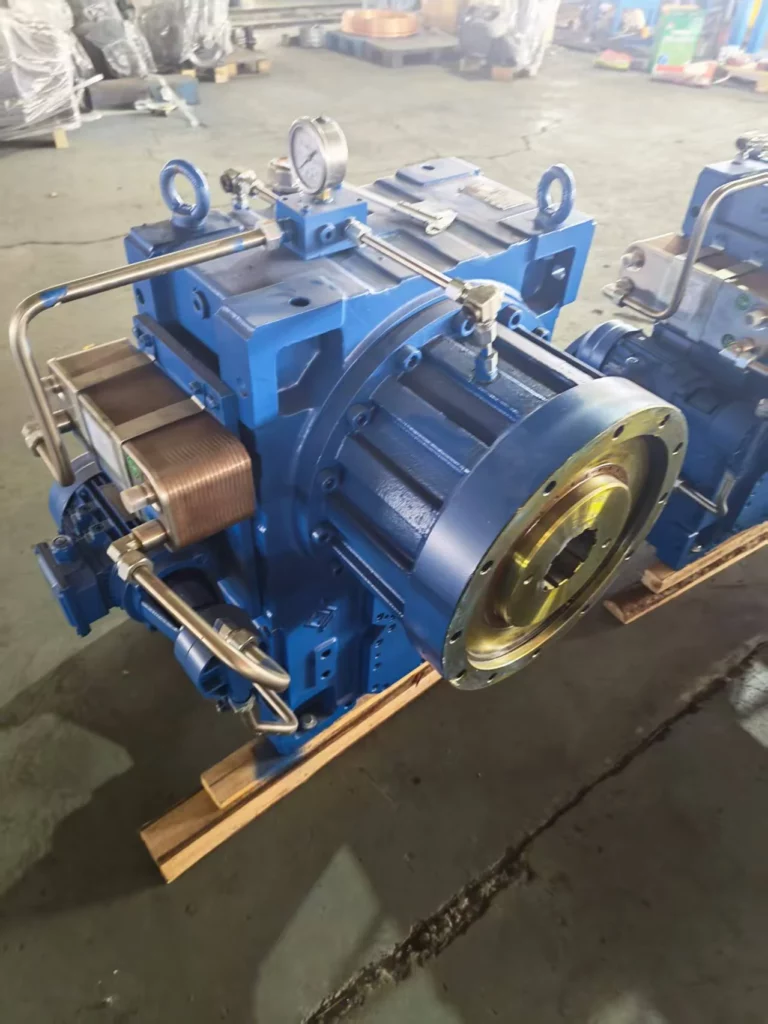
Многие цилиндрические редукторы имеют параллельную конструкцию валов. Входной и выходной валы расположены в одной линии, что хорошо подходит для таких применений, как ленточные конвейеры, ковшовые элеваторы, смесители, дробилки, а также вертикальные и наклонные подъемные механизмы.
Ключевые особенности конструкции цилиндрических редукторов, которые должны понимать инженеры.
Одноступенчатые, двухступенчатые, трехступенчатые и четырехступенчатые цилиндрические редукторы
Мы поставляем широкий ассортимент цилиндрических редукторов, позволяющих подобрать передаточные числа в соответствии с требованиями конкретного применения.
| Тип | Типичное использование | Логика выбора |
| Одноступенчатый цилиндрический редуктор ZDY | Умеренное снижение скорости | Подходит для простых макетов и низких пропорций. |
| ЦЛЮ двухступенчатый цилиндрический редуктор | Транспортировочное, подъемное, технологическое оборудование | Предлагает более широкий диапазон передаточных чисел и больший крутящий момент. |
| Трехступенчатый цилиндрический редуктор ZSY | Дробилки, тяжелые конвейеры, цементное оборудование | Подходит для низких скоростей и высокого крутящего момента. |
| Четырехступенчатый цилиндрический редуктор ZFY | Системы с низкой скоростью вращения и высоким крутящим моментом | Используется, когда требуется большой коэффициент снижения. |
Конструкция зубчатой пары, вала, подшипника и корпуса.
Выбор цилиндрического редуктора не должен основываться только на передаточном числе. Необходимо учитывать и другие ключевые аспекты. К ним относятся материал шестерни, прочность вала, несущая способность и жесткость корпуса, а также конструкция уплотнений. Жесткие условия эксплуатации создают реальные риски. Пыль, вибрация и загрязнение маслом со временем могут повредить подшипники и шестерни. В тяжелой промышленности особенно полезны шестерни из высокопрочной легированной стали. Эти шестерни проходят цементацию, закалку и прецизионную шлифовку. Эта обработка повышает износостойкость поверхности зубьев, увеличивает контакт шестерен и, кроме того, повышает сопротивление усталости.
Как выбрать цилиндрический редуктор для применения в тяжелой промышленности
Как рассчитать требуемый крутящий момент, скорость вращения выходного вала и передаточное число редуктора?
Сначала определите необходимую скорость вращения двигателя, а также выходную скорость. Разделите входную скорость на выходную скорость, чтобы вычислить передаточное число. Затем сравните необходимый выходной крутящий момент с фактической нагрузкой на приводимую в движение машину.
Ключевые данные должны включать:
- Мощность двигателя и номинальная скорость
- Требуемая выходная скорость и крутящий момент
- Ежедневные часы работы
- Тип нагрузки и ударная нагрузка
- Частота пуска-остановки
- Радиальная нагрузка на вал
- Температура окружающей среды
- Место установки
Даже если вы выбрали подходящий редуктор для мощности двигателя, во многих случаях такой редуктор оказывается слишком малым для оборудования с большой инерционной массой, пиковыми нагрузками, часто работающим в обратном направлении и длительным временем работы.
Как проверить коэффициент запаса прочности и требования к непрерывной работе?
Цилиндрический редуктор непрерывного действия должен выдерживать длительную работу без чрезмерного нагрева, вибрации или износа. Конвейер, перевозящий упакованные товары, и конвейер, перевозящий руду, имеют совершенно разные условия эксплуатации. Во втором случае требуется более высокий коэффициент запаса прочности и больший запас по нагрузке.
Почему важны радиальная нагрузка и расположение валов
Если выходной вал приводит в движение шкив, звездочку или шестерню, необходимо также проверить радиальную нагрузку. Слишком большая радиальная сила может привести к повреждению подшипников, прогибу вала, возникновению чрезмерной вибрации и плохому зацеплению зубьев шестерни.
Правильное выравнивание муфты и наличие подходящего опорного подшипника также имеют важное значение. Несоосность может вызывать посторонние шумы, чрезмерную температуру подшипника, износ уплотнений и т. д., и в конечном итоге привести к поломке.
Сценарии применения цилиндрических редукторов в тяжелой промышленности
Цилиндрические редукторы для горнодобывающей промышленности и конвейеров для сыпучих материалов.
Гумао Цилиндрические редукторы для горнодобывающих конвейеров предназначены для работы в условиях экстремальных колебаний нагрузки, воздействия пыли, значительной вибрации и длительной эксплуатации. Компоненты, используемые в дроблении угля, транспортировке руды, на ленточных и ковшовых конвейерах, а также в лебедках, требуют очень высокого крутящего момента и надежной герметизации.
Цилиндрические редукторы для металлургического и цементного оборудования
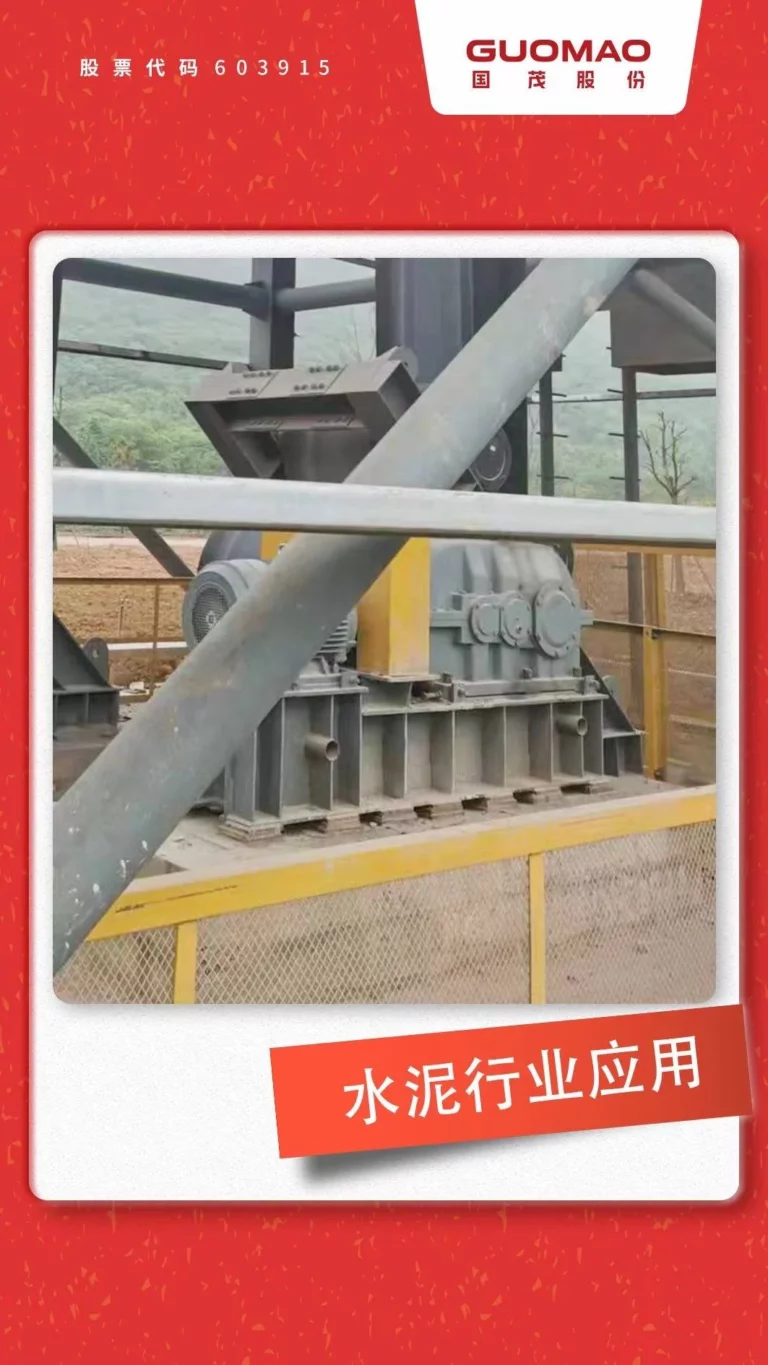
В металлургических линиях и цементном оборудовании часто встречаются высокие крутящие моменты, ударные нагрузки, пыль и непрерывная работа. Трехступенчатый цилиндрический редуктор ZSY можно рассматривать в тех случаях, когда оборудованию требуется более низкая скорость вращения и более высокий крутящий момент.
Для дробления цемента, ковшовой транспортировки и подъема материалов редуктор следует выбирать с достаточным запасом крутящего момента. Также необходимо проверить смазку и уплотнения, поскольку пыль и высокая температура могут сократить срок службы редуктора.
Цилиндрические редукторы для подъема и перемещения материалов
Механизмы подъема, перемещения и поворота требуют контролируемого крутящего момента и стабильной выходной мощности. Двухступенчатый цилиндрический редуктор ZLY хорошо подходит для многих случаев. Он соответствует требованиям, где необходим сбалансированный диапазон передаточных чисел и надежная передача крутящего момента. В более тяжелых низкоскоростных системах часто предпочтительнее использовать трехступенчатые или четырехступенчатые конструкции.
Технические факторы, влияющие на производительность цилиндрических редукторов.
Материал шестерни, термообработка и точность поверхности зубьев.
Качество зубчатых передач влияет на срок службы редуктора. Высокопрочная низкоуглеродистая легированная сталь, цементация, закалка и шлифовка помогают улучшить твердость, износостойкость и качество контакта зубчатых колес.
Смазка, охлаждение и контроль температуры
Смазка, по сути, уменьшает трение между движущимися частями. Она также отводит тепло от активных компонентов. Кроме того, она защищает поверхности шестерен и подшипников от износа. Без надлежащей смазки могут возникнуть серьезные повреждения, включая образование точечных повреждений. За этим может последовать выход из строя подшипников. Также может произойти отказ уплотнений. Часто появляются и необычные шумы. Для высокоэффективного цилиндрического редуктора необходимо внимательно следить за уровнем масла. Вязкость масла следует проверять регулярно. Интервалы замены масла требуют внимания. Рабочая температура должна постоянно контролироваться.
Распространенные ошибки при выборе цилиндрических редукторов, которых следует избегать.
Выбор осуществляется только по мощности двигателя.
Простого соответствия мощности двигателя недостаточно. Действительно важен выходной крутящий момент после редукции, который и приводит в движение устройство. Редуктор может иметь одинаковую номинальную мощность двигателя и всё равно выйти из строя, потому что у него недостаточно крутящего момента.
Игнорируя ударную нагрузку и частоту пусков и остановок
Такое оборудование, как дробилки, подъемники, конвейеры и смесители, часто подвергается сильным ударным нагрузкам и должно быть прочищено, когда материал застревает, движется в обратном направлении или часто запускается. В таких условиях требуются более высокий коэффициент запаса прочности и большая механическая прочность.
Выбор неправильной стадии сокращения
Одной ступени редукции недостаточно для замены 3- или 4-ступенчатого редуктора в низкоскоростных/высокомоментных режимах работы. Ступени редукции должны соответствовать требуемой скорости вращения и крутящему моменту.
Учет условий смазки и монтажа.
К факторам, влияющим на срок службы редуктора, относятся недостаточная смазка, плохое основание, неправильное соосность муфты и высокая температура окружающей среды. Эти факторы следует учитывать перед выбором любого редуктора.
Место цилиндрического редуктора Guomao серии ZY в ассортименте для тяжелых условий эксплуатации
Почему цилиндрические редукторы серии ZY подходят для трансмиссий с высокими нагрузками
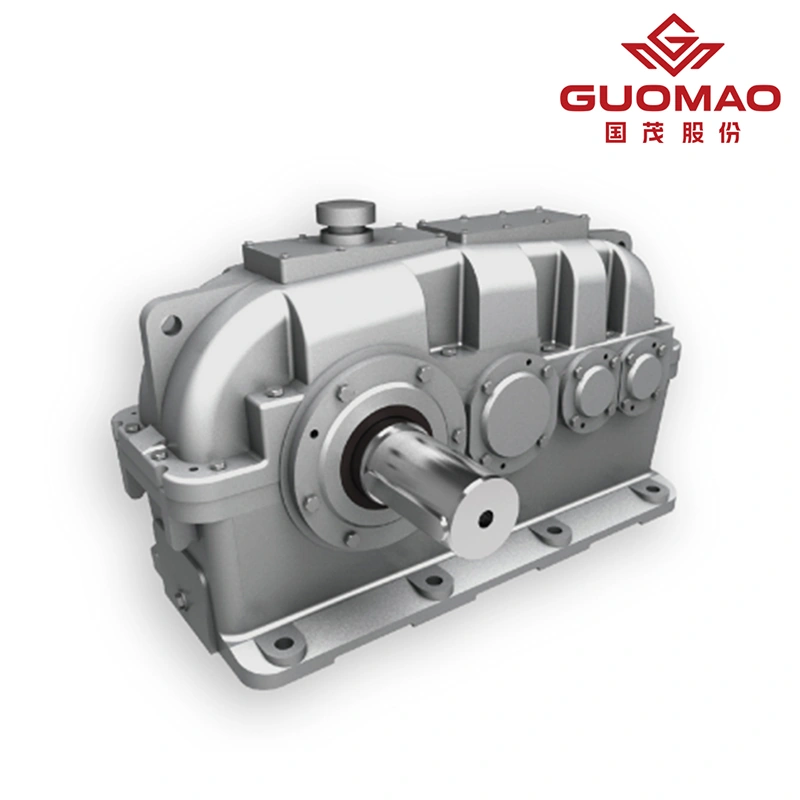
Цилиндрический редуктора ZY Series Это разновидность зубчатой передачи с внешним зацеплением, конструкция которой представляет собой параллельные валы. Ее характеристики: высокая точность, низкий уровень шума, компактность, малый вес, длительный срок службы, простота обслуживания и высокая грузоподъемность.
Данный двигатель может поставляться в диапазоне мощности до 6000 кВт. Диапазон передаточных чисел составляет 1,25–500, а максимально возможный выходной крутящий момент — 950 кН·м. Он предназначен для крупных промышленных энергетических систем, требующих стабильной работы и больших нагрузок, а также высокого выходного крутящего момента.
Когда следует рассматривать редукторы серии ZY вместо других типов редукторов?
Наш цилиндрический редуктор серии ZY подходит для случаев, когда система требует высокоэффективной передачи крутящего момента с параллельными валами и цилиндрическими зубчатыми передачами. Если проект требует очень большой компоновки промышленного редуктора, можно рассмотреть другие конструкции промышленных редукторов. Если оборудование представляет собой экструдер для пластмасс или резины, следует выбрать специальный редуктор.
Цилиндрический редуктор не следует рассматривать как универсальное решение. Правильный выбор зависит от компоновки вала, типа нагрузки, передаточного отношения, наработки и режима работы.
Часто задаваемые вопросы
В: Что такое цилиндрический зубчатый редуктор Используется ли в тяжелой промышленности?
А: Цилиндрический редуктор используется для снижения скорости вращения двигателя при одновременном увеличении крутящего момента для привода конвейеров, дробилок, подъемников, мешалок, цементного оборудования, металлургического оборудования и т. д., а также систем перемещения материалов.
В: Как это работает? цилиндрический зубчатый редуктор Выбран ли этот вариант для конвейерной системы?
А: Как выбрать цилиндрический редуктор для привода конвейерной ленты: мощность двигателя, выходная скорость, требуемый крутящий момент, нагрузка на ленту, время работы, циклы запуска/остановки, нагрузка на вал, условия установки и т. д.
В: В чем разница между одноступенчатым цилиндрическим редуктором и двухступенчатым цилиндрическим редуктором?
Одноступенчатые цилиндрические редукторы обеспечивают умеренное снижение скорости. Их конструкция остается простой. Двухступенчатые цилиндрические редукторы предлагают больше вариантов передаточных чисел. Они также обеспечивают больший крутящий момент.
В: Почему а цилиндрический зубчатый редуктор Издают ли они шум во время работы?
А: Чрезмерный шум может быть вызван износом шестерен, плохой смазкой, повреждением подшипников, неправильным расположением муфты, перегрузкой или ослабленными болтами крепления фундамента. Проверьте состояние масла, температуру подшипников, соосность валов и крепление.