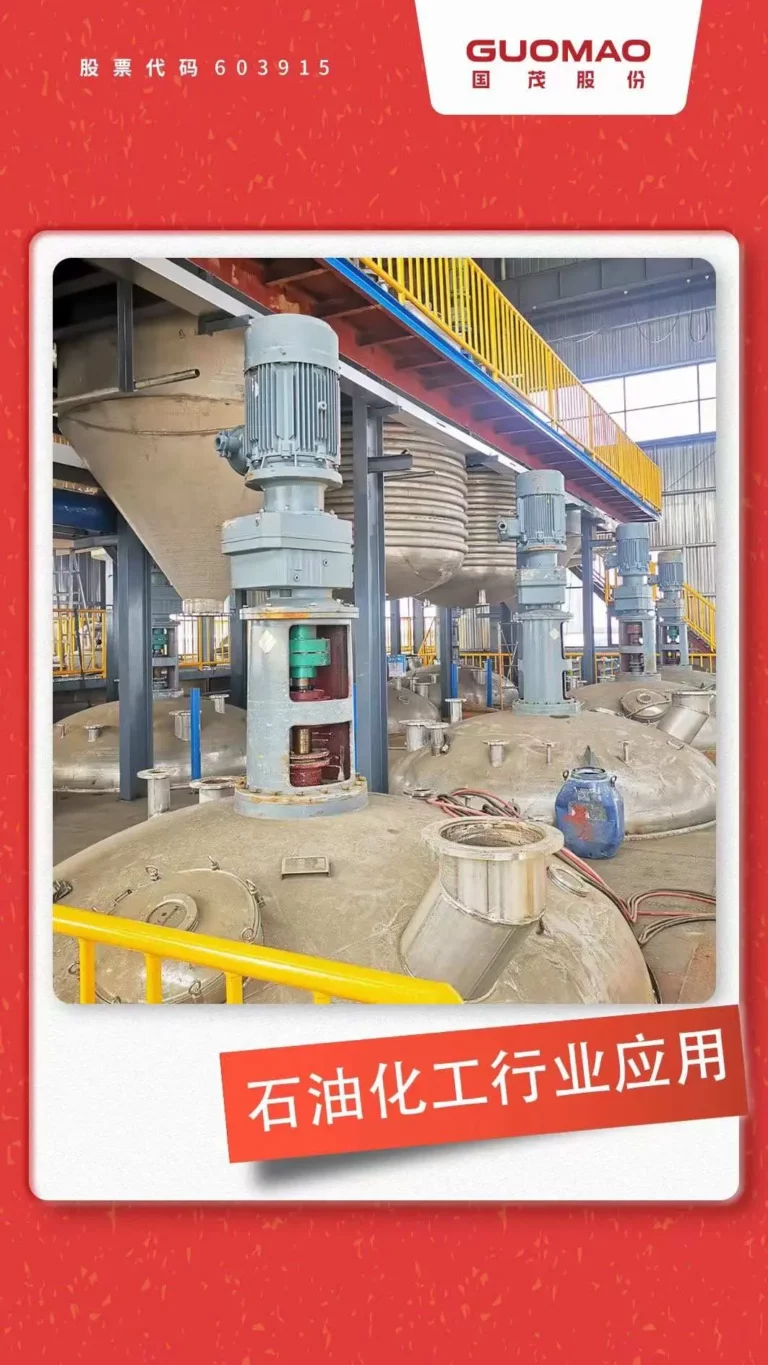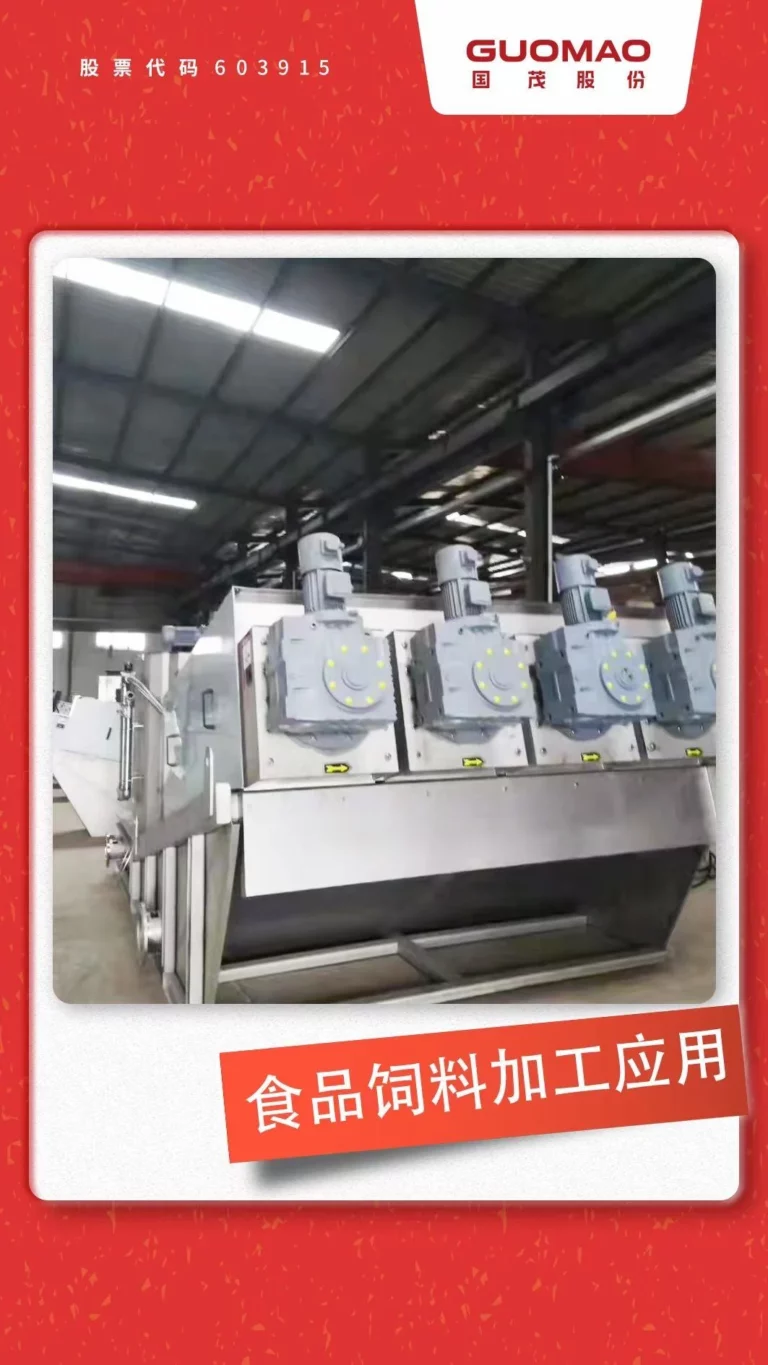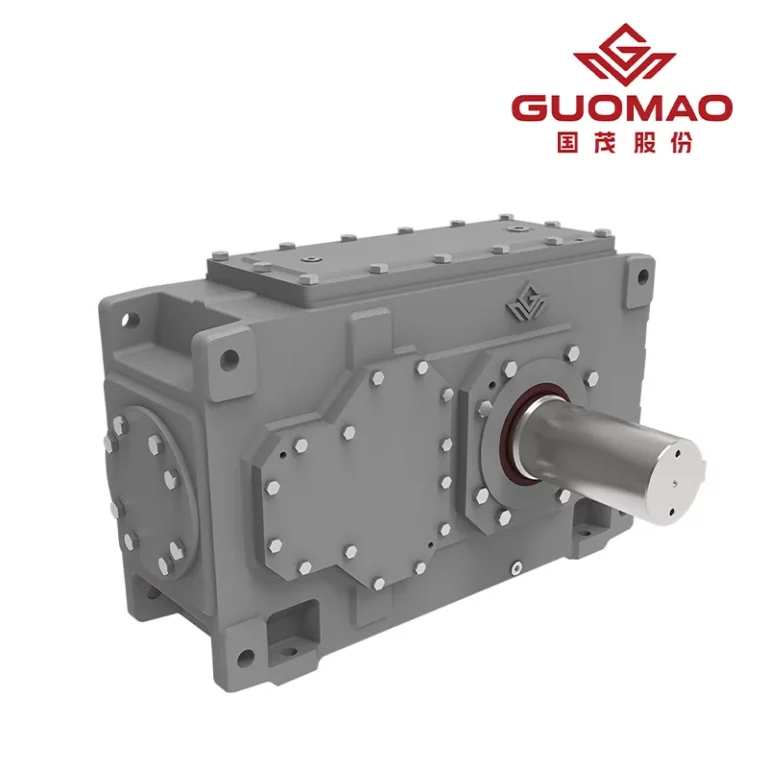


Los sistemas de transmisión industrial evolucionan rápidamente. Los fabricantes buscan mayor eficiencia, menor mantenimiento y una integración más sencilla con la automatización. En este contexto, la caja de engranajes cónicos helicoidales se ha convertido en una solución de accionamiento clave. Se utiliza en sistemas de transporte, equipos de manipulación de materiales, líneas de producción automatizadas y maquinaria industrial pesada.
Las modernas cajas de engranajes cónicos helicoidales ofrecen una transmisión de potencia compacta en ángulo recto. Además, proporcionan un alto par motor y un buen consumo de energía. En 2026, la atención se centró más allá de la potencia bruta. Los ingenieros ahora consideran la estabilidad térmica, la monitorización inteligente, los diseños modulares y la fiabilidad a largo plazo.
¿Por qué las cajas de engranajes cónicos helicoidales se están volviendo esenciales en la industria moderna?
Las plantas se enfrentan a una presión creciente. Deben funcionar sin interrupciones, reduciendo el consumo de energía y evitando averías repentinas. Por ello, la caja de engranajes cónicos helicoidales sustituye ahora a muchas unidades antiguas de engranajes helicoidales y ejes paralelos.
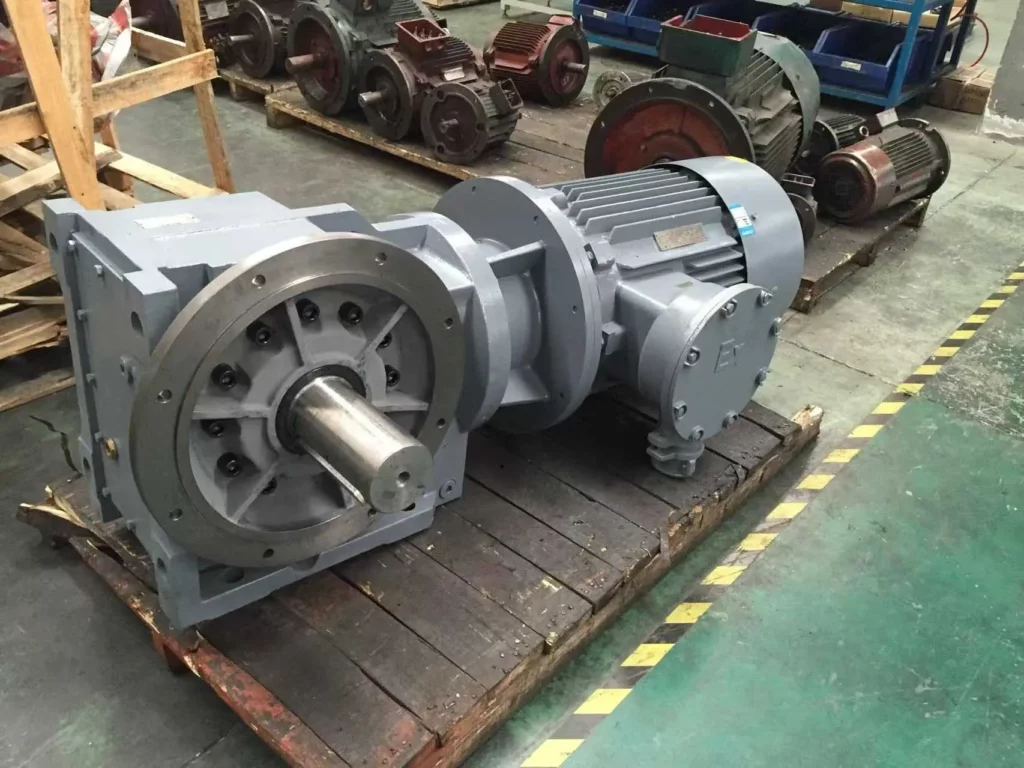
¿Cómo mejoran la transmisión de par y la eficiencia?
Una caja de engranajes cónicos helicoidales combina engranajes helicoidales con una forma cónica. Esta configuración proporciona potencia en ángulo recto de manera eficiente. El diseño helicoidal aumenta el contacto entre los dientes, reduce las vibraciones y distribuye la carga de forma más uniforme.
Esta configuración ofrece varias ventajas claras:
- Mayor eficiencia de transmisión
- Entrega de par más suave
- Ruido de funcionamiento reducido
- Mayor capacidad de carga en servicio continuo.
- Rendimiento térmico mejorado
Los sistemas de engranajes helicoidales suelen generar mucha fricción y calor. En cambio, los modernos motores de engranajes cónicos helicoidales mantienen una eficiencia constante durante largos periodos de funcionamiento.
Las líneas de transporte y los almacenes que operan las 24 horas del día, los 7 días de la semana, notan esta diferencia. Afecta la estabilidad general del sistema y la carga del motor.
¿Qué sectores impulsarán la demanda en 2026?
Actualmente, varios sectores industriales impulsan la adopción de soluciones de reductores de engranajes cónicos helicoidales:
| Industria | Requisito principal |
| Sistemas de transporte | Funcionamiento continuo y par motor estable |
| Minería y manipulación de materiales a granel | Capacidad de carga pesada |
| Alimentos y bebidas | Sistemas de accionamiento compactos e higiénicos |
| Almacenamiento automatizado | Control de velocidad preciso |
| Maquinaria de embalaje | Funcionamiento silencioso |
| Puertos y logística | Transmisión fiable en ángulo recto |
Las fábricas inteligentes crecen rápidamente. Esto aumenta la demanda de motores con engranajes compactos que se conectan fácilmente con los sistemas de control.
¿Qué tendencias de ingeniería están transformando el diseño de las cajas de engranajes cónicos helicoidales?
Las nuevas cajas de engranajes cónicos helicoidales se centran en un funcionamiento inteligente y en mejoras mecánicas. La simple transmisión de potencia ya no es el único objetivo.
¿Por qué se están popularizando los diseños modulares y compactos de cajas de cambios?
Las fábricas necesitan diseños flexibles. Las líneas de producción son cada vez más compactas. Por lo tanto, los ingenieros buscan variadores de frecuencia compactos que ofrezcan múltiples opciones de montaje.
Las plataformas modulares son ahora el estándar de la industria. Una caja de engranajes cónicos helicoidales modular puede adaptarse a:
- Instalaciones con soporte de pie
- Sistemas montados sobre bridas
- Salidas de eje hueco
- Sistemas de transporte montados sobre eje
- Combinaciones de motores variables
Esta flexibilidad reduce el tiempo de mantenimiento y acelera la instalación.
Guomao aplica el diseño modular en el Serie GK Motor con engranaje helicoidalLa caja de cambios se adapta a diferentes necesidades de transmisión, manteniendo un par motor estable y un tamaño compacto.
¿Cómo están mejorando el rendimiento las tecnologías de bajo ruido y alta eficiencia?
El control del ruido ahora es importante por algo más que la comodidad. En las líneas automatizadas, la vibración y el ruido suelen indicar un mal engranaje o una baja eficiencia.
Ahora se han tomado varias medidas para mejorar el rendimiento de la caja de cambios:
- Rectificado de engranajes de precisión
- Modificación optimizada del perfil dental
- Engranajes de acero aleado endurecido
- Disposiciones de cojinetes mejoradas
- Carcasas de cajas de engranajes de alta rigidez
Estas medidas reducen las vibraciones bajo cargas pesadas. Además, contribuyen a un rendimiento estable a largo plazo.
Los sistemas de manipulación de materiales funcionan durante largas jornadas. Por ello, un engranaje estable resulta vital para limitar el desgaste.
¿Qué papel desempeñan los materiales avanzados y el rectificado de engranajes de precisión?
La producción moderna de reductores de engranajes cónicos helicoidales se basa en acero aleado carburizado y rectificado de alta precisión.
El rectificado de precisión mejora varias áreas:
- Precisión de la superficie dental
- Distribución de carga
- Suavidad de la transmisión
- Comportamiento térmico
- Vida útil del engranaje
Reductores Guomao Se utiliza acero aleado de alta resistencia. Los engranajes se someten a procesos de carburización, temple y rectificado de precisión. Esto garantiza una alta capacidad de carga y una transmisión estable.
Este enfoque cobra mayor importancia en entornos de trabajo pesado, donde suelen producirse cambios de par.
¿Cómo está influyendo la fabricación inteligente en el desarrollo de las cajas de engranajes cónicos helicoidales?
La Industria 4.0 transforma la caja de cambios, de una simple pieza mecánica a una unidad operativa inteligente.
¿Por qué son importantes el mantenimiento predictivo y la monitorización del estado del vehículo?
El mantenimiento tradicional se basaba en paradas programadas. Las plantas modernas prefieren los sistemas predictivos. Estos sistemas monitorizan el estado de las cajas de engranajes en tiempo real.
Un sistema inteligente de engranajes cónicos helicoidales puede cortar:
- Tiempo de inactividad inesperado
- Riesgos de fallo del soporte
- Problemas de lubricación
- Incidentes de sobrecalentamiento
Esto ayuda a las plantas de logística automatizadas. Una parada en la cinta transportadora puede detener toda la línea.
¿Cómo mejoran la fiabilidad los sensores y los diagnósticos inteligentes?
Los sistemas modernos ahora incluyen varias herramientas de monitorización:
- Sensores de temperatura
- Monitoreo del estado del aceite
- Sistemas de análisis de vibraciones
- Dispositivos de retroalimentación de velocidad
- Controles de motor inteligentes
Estas herramientas ayudan a los ingenieros a detectar problemas de transmisión en sus primeras etapas, antes de que se produzcan daños importantes.
Las vibraciones anormales pueden indicar varios problemas:
- Desviación en el engranaje
- Desgaste de los cojinetes
- Contaminación por lubricación
- Problemas de alineación del eje
De este modo, los operarios pueden planificar un mantenimiento específico antes de que se produzca una avería.
¿Qué condiciones de funcionamiento afectan más a la vida útil de la caja de cambios?
Diversas condiciones afectan la vida útil de una caja de engranajes cónicos helicoidales:
| Factor operativo | Impacto de la ingeniería |
| Temperatura excesiva | Degradación del lubricante |
| carga de choque | fatiga de los dientes de engranaje |
| Lubricación deficiente | Desgaste de los cojinetes |
| Desalineación | Tensión del eje |
| contaminación por polvo | Daños en el sello |
| Operación de sobrecarga | Inestabilidad térmica |
La refrigeración y la lubricación estables cobran mayor importancia a medida que los sistemas funcionan con cargas más elevadas y ciclos más prolongados.
Reductor de engranajes cónicos helicoidales frente a reductor de engranajes de tornillo sin fin: ¿Cuál es mejor para aplicaciones industriales?
Los ingenieros suelen comparar las cajas de engranajes cónicos helicoidales con los sistemas de engranajes de tornillo sin fin. El tema sigue siendo popular en las búsquedas técnicas.
¿Cómo se comparan la eficiencia y la densidad de par?
En la mayoría de las plantas, las cajas de engranajes cónicos helicoidales ofrecen una mayor eficiencia que las unidades de engranajes de tornillo sin fin.
Entre las ventajas típicas se incluyen:
- Menor pérdida por fricción
- Mejor densidad de par
- Generación de calor reducida
- Mayor eficiencia mecánica
- Mayor vida útil
Los reductores de tornillo sin fin aún son adecuados para algunas aplicaciones compactas de baja velocidad. Sin embargo, no son tan apropiados para trabajos pesados de funcionamiento continuo.
¿Qué aplicaciones se benefician más de las cajas de engranajes cónicos helicoidales?
Las aplicaciones modernas que más se benefician son:
- Transportadores automatizados
- Sistemas de transporte minero
- Manipulación de materiales a granel
- Sistemas de elevación
- Equipos de almacén inteligentes
- Automatización del embalaje
Estas aplicaciones requieren un par motor elevado, un control térmico constante y largas horas de funcionamiento.
El motorreductor helicoidal-cónico de la serie GK de Guomao es ideal para sistemas de transporte y manipulación de materiales. Ofrece un diseño compacto de ángulo recto, una transmisión eficiente y un rendimiento constante en funcionamiento continuo.
¿Cómo impulsan las aplicaciones industriales modernas la innovación en las cajas de cambios?
Las condiciones industriales se vuelven más difíciles cada año.
¿Por qué los sistemas de transporte y manipulación de materiales prefieren las cajas de engranajes cónicos helicoidales?
Los sistemas de transporte necesitan:
- Operación continua
- Salida de par estable
- Instalación compacta
- Bajo mantenimiento
- Transmisión de potencia eficiente
Una caja de engranajes cónicos helicoidales se adapta a estas necesidades porque combina la transmisión en ángulo recto con una fuerte entrega de par.
Los centros logísticos de alta capacidad también se benefician de diseños compactos. Estos reducen el espacio necesario para los equipos y mejoran la flexibilidad.
¿Qué desafíos plantean las operaciones intensivas y continuas?
Los entornos de trabajo pesado plantean varios desafíos de ingeniería:
- Alta carga térmica
- carga de choque
- Vibración continua
- Ciclos de funcionamiento prolongados
- Condiciones ambientales adversas
Por lo tanto, la resistencia de la carcasa de la caja de cambios, la estabilidad de la lubricación y la calidad del material de los engranajes son factores que cobran mayor importancia en los diseños actuales.
¿Cómo optimiza Guomao los motores de engranajes helicoidales-cónicos de la serie GK para sistemas industriales?
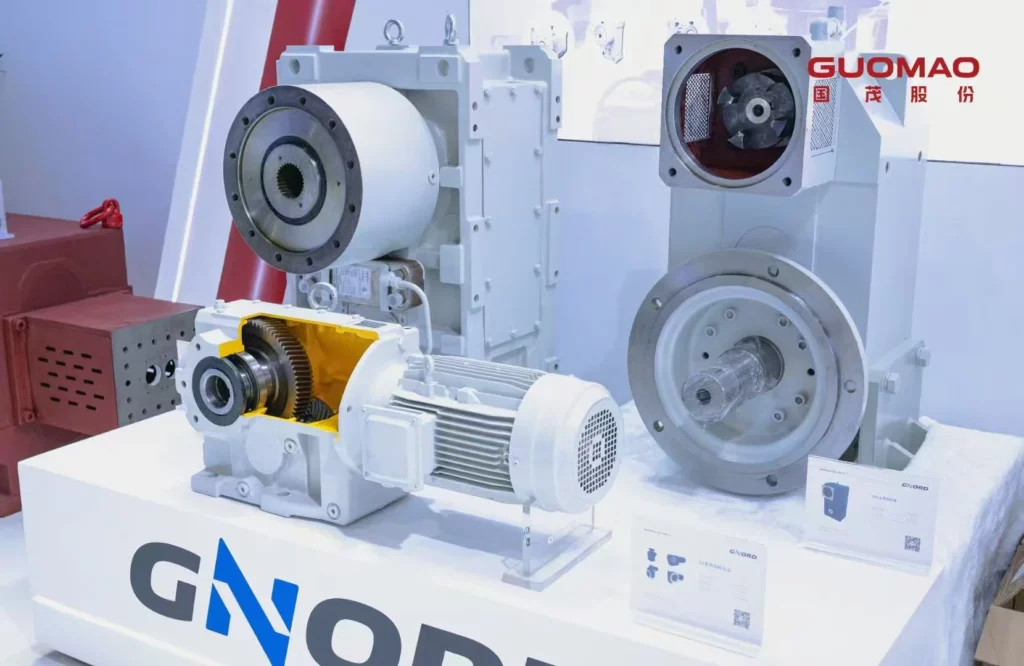
Guomao Diseña el motorreductor helicoidal-cónico de la serie GK para aplicaciones industriales de alta carga que requieren una transmisión compacta en ángulo recto.
Las características principales incluyen:
- Materiales de engranajes de alta resistencia
- Superficies de engranajes rectificadas con precisión
- Configuraciones de montaje modulares
- Transmisión estable y con bajo nivel de ruido
- Adaptabilidad a relaciones amplias
- Salida de par eficiente
Estas características son idóneas para sistemas de transporte, equipos de manipulación de materiales y líneas de producción automatizadas donde la estabilidad a largo plazo es fundamental.
¿Cómo deberían los ingenieros seleccionar una caja de engranajes cónicos helicoidales en 2026?
Para elegir la caja de engranajes cónicos helicoidales adecuada se necesita algo más que la potencia nominal.
¿Qué parámetros técnicos son los más importantes?
Los factores clave para la selección incluyen:
- Par de salida
- Relación de transmisión
- Factor de servicio
- Temperatura de funcionamiento
- Ciclo de trabajo
- Configuración de montaje
- Método de lubricación
- Condiciones ambientales
Ignorar estos puntos puede acortar la vida útil de la caja de cambios.
¿Cómo afectan las condiciones de instalación al rendimiento a largo plazo?
Una instalación incorrecta puede provocar:
- desalineación del eje
- Carga radial excesiva
- Daños en el rodamiento
- Problemas de vibración
- Fuga de aceite
Una correcta alineación y unos cimientos sólidos contribuyen a mantener la transmisión estable.
¿Qué errores deben evitarse al seleccionar la caja de cambios?
Los errores comunes incluyen:
- Selección de par insuficiente
- Ignorando los límites térmicos
- Planificación inadecuada de la lubricación
- Supervisar los ciclos operativos
- Elegir el tipo de caja de cambios basándose únicamente en el precio.
Una caja de cambios con mejor estabilidad térmica y mayor eficiencia suele reducir el riesgo de mantenimiento a lo largo del tiempo.
Preguntas frecuentes
P: ¿Qué ventajas ofrece una caja de engranajes cónicos helicoidales frente a una caja de engranajes de tornillo sin fin?
A: Una caja de engranajes cónicos helicoidales suele ofrecer mayor eficiencia, mejor densidad de par, menor generación de calor y mayor vida útil que las unidades de engranajes helicoidales. Esto es especialmente cierto en trabajos industriales continuos.
P: ¿Qué industrias suelen utilizar reductores de engranajes cónicos helicoidales?
A: Entre los usuarios habituales se incluyen sistemas de transporte, minería, almacenamiento automatizado, maquinaria de embalaje, manipulación de materiales, logística y fabricación pesada.
P: ¿Cuánto tiempo puede durar una caja de engranajes cónicos helicoidales en aplicaciones de servicio continuo?
A: La vida útil depende de las condiciones de funcionamiento, la calidad de la lubricación, la estabilidad de la carga y el mantenimiento. Las unidades de alta calidad con engranajes rectificados con precisión y una lubricación estable pueden funcionar de forma fiable durante muchos años en servicio continuo.
P: ¿Qué factores afectan la eficiencia de una caja de engranajes cónicos helicoidales?
A: El diseño de los dientes del engranaje, las condiciones de lubricación, la temperatura de funcionamiento, la calidad de los cojinetes, la alineación del eje y la precisión del rectificado de los engranajes influyen en la eficiencia.
P: ¿Por qué los motores compactos de engranajes cónicos helicoidales se están volviendo más populares en las fábricas automatizadas?
A: Los motores compactos de engranajes cónicos helicoidales permiten una instalación flexible, una transmisión eficiente en ángulo recto, menor ruido y una mejor integración con sistemas automatizados de transporte y manipulación de materiales.