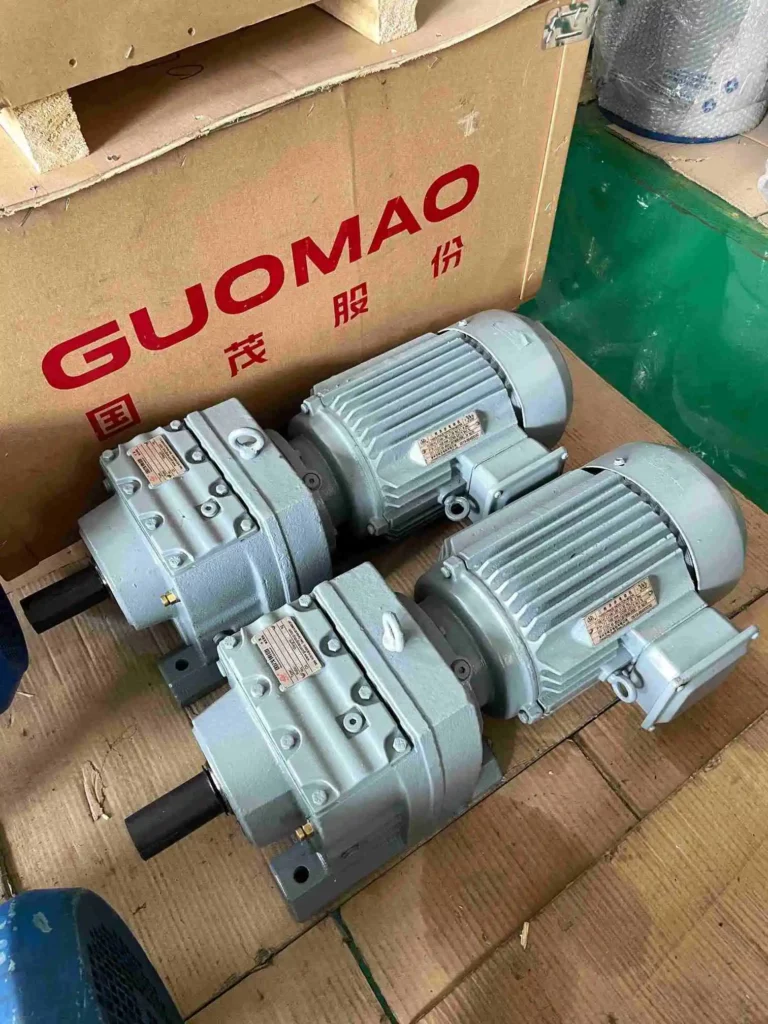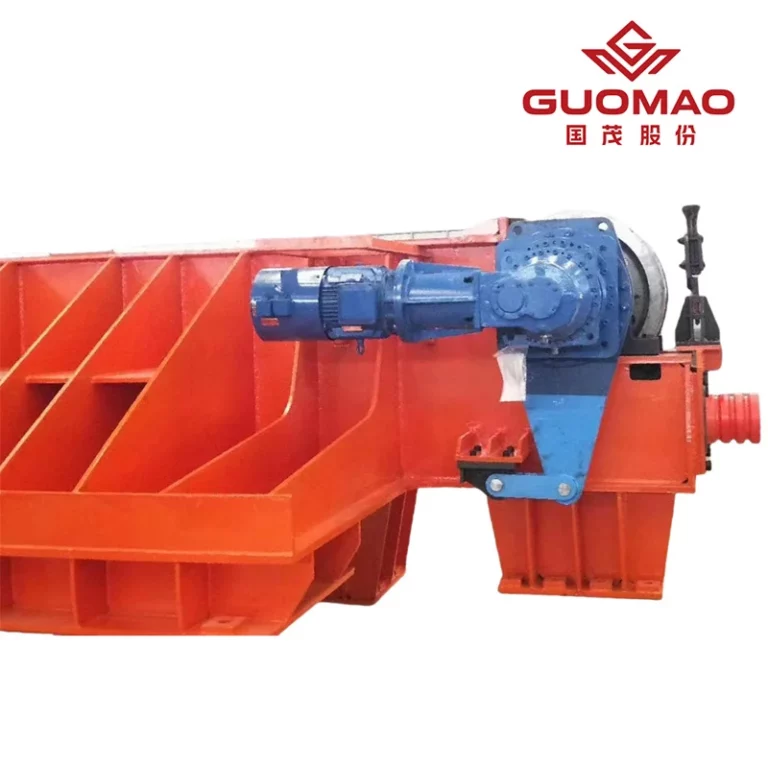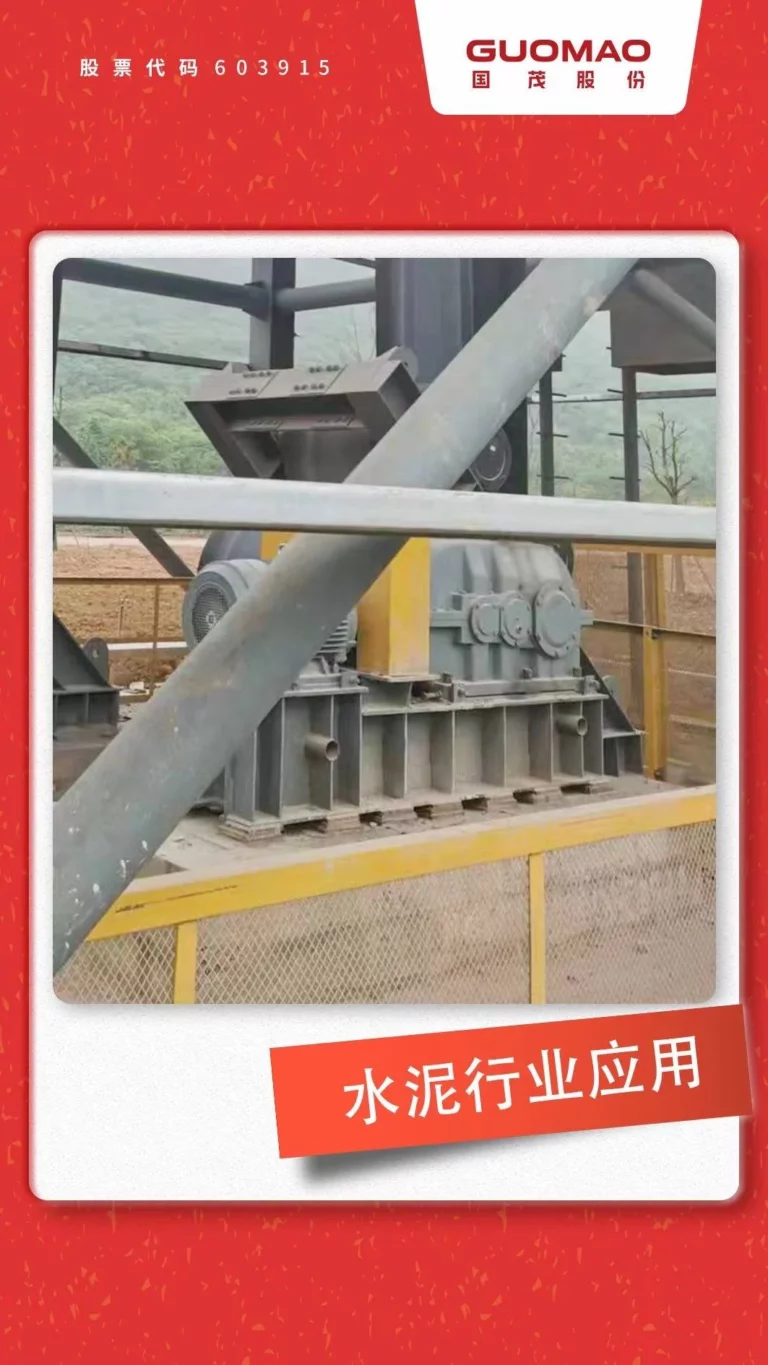



Una caja de engranajes planetarios desempeña un papel fundamental en la maquinaria pesada. Su eficacia determina la generación de calor y afecta la estabilidad del par. Los cojinetes experimentan presiones variables, la lubricación dura periodos de tiempo variables y los niveles de vibración también cambian. La fiabilidad a largo plazo de todo el sistema depende de estos factores. Las relaciones de transmisión, la elección de la lubricación, los métodos de instalación, la precisión de los engranajes y el ciclo de trabajo de la aplicación determinan el rendimiento en condiciones reales. Las cajas de engranajes en máquinas como trituradoras, apisonadoras, pavimentadoras, grúas torre, plataformas de perforación rotatorias, sistemas de elevación y equipos marinos suelen estar sometidas a cargas de choque. Funcionan a bajas velocidades con alto par y operan durante largos periodos sin interrupciones. Algunas también soportan frecuentes ciclos de arranque y parada. Incluso una pequeña fuga de aceite puede provocar el sobrecalentamiento del fluido. Los dientes se desgastan prematuramente, el par de salida se vuelve inestable y, como resultado, la vida útil se acorta.
¿Por qué es importante la eficiencia de las cajas de engranajes planetarios en aplicaciones de servicio pesado?
¿Qué significa la eficiencia de una caja de engranajes planetarios en condiciones de carga reales?
La eficiencia de una caja de engranajes planetarios es la fracción de la potencia de entrada que se convierte en par útil, tras las pérdidas debidas al engranaje, los cojinetes, el lubricante, los sellos y el calor. Este valor debe calcularse durante la aceleración, el funcionamiento a velocidad constante, la sobrecarga, la marcha atrás y el funcionamiento a baja velocidad.
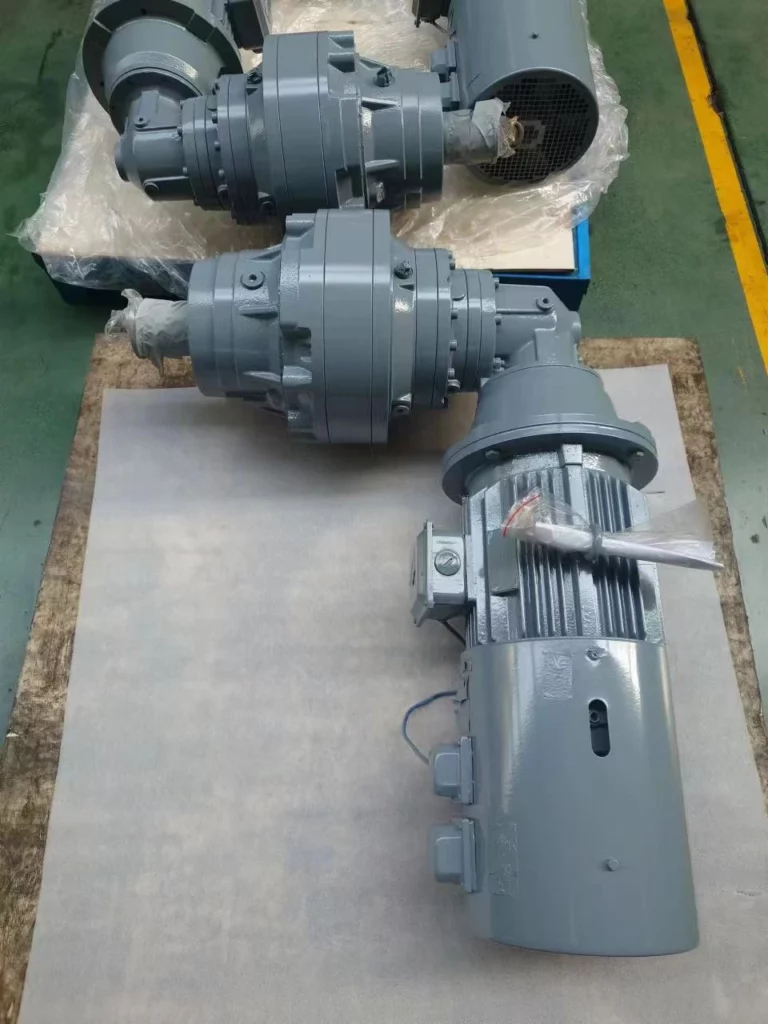
Un conjunto de engranajes planetarios se aloja en una carcasa compacta para transmitir altos pares. La eficiencia de un conjunto de engranajes planetarios depende en gran medida de la calidad de sus componentes, el soporte de los cojinetes, la lubricación utilizada y la forma en que se instala.
¿Por qué las cargas pesadas aumentan el calor, el desgaste y la pérdida de potencia?
El funcionamiento en condiciones extremas aumenta significativamente la presión de contacto entre los dientes, las cargas en los cojinetes y la temperatura del aceite. El contacto inestable de los engranajes convierte una gran cantidad de energía en calor. Además, las cargas de impacto pueden provocar el desplazamiento de las tapas de los cojinetes y afectar la alineación de los engranajes y la distribución de la carga.
La mayoría de las pérdidas de eficiencia se deben a una relación de transmisión incorrecta, una carga radial o axial excesiva, un montaje inadecuado, una desalineación, una lubricación deficiente, aceite contaminado, juntas desgastadas o un número excesivo de ciclos de arranque y parada. La eficiencia de las cajas de engranajes planetarios de servicio pesado solo se puede lograr controlando el sistema completo.
Cómo afecta el reparto de carga a la eficiencia de las cajas de engranajes planetarios
¿Por qué los engranajes planetarios ofrecen un buen rendimiento en aplicaciones de alto par?
Los componentes típicos de una caja de engranajes planetarios son el engranaje solar, los engranajes planetarios, la corona dentada y el portaplanetarios. Gracias a la participación de múltiples engranajes planetarios en la transmisión de carga, la caja de engranajes planetarios ofrece una solución muy compacta para proporcionar un alto par motor en una carcasa pequeña. Es ideal para aplicaciones que requieren alto par motor.
| Factor de ingeniería | Beneficio de eficiencia |
| Múltiples rutas de carga | Reduce la concentración de estrés |
| Disposición coaxial compacta | Limita la deflexión estructural |
| Alta densidad de par | Soporta un par motor elevado en espacios reducidos. |
| Flexibilidad de la relación | Ayuda a igualar la velocidad y el par motor. |
Si bien lo ideal es una distribución uniforme de la carga, una distribución desigual puede provocar desgaste localizado, tensiones en los cojinetes, calor y vibraciones.
¿Qué causa la distribución desigual de la carga en las cajas de engranajes planetarios?
El desequilibrio de carga puede deberse a errores de tolerancia, deformación del portador, holgura de los cojinetes, desviación del eje o un montaje deficiente. La eficiencia de la transmisión de potencia estable de una caja de engranajes planetarios depende de la precisión de los dientes de los engranajes, el soporte de los cojinetes planetarios, la rigidez del portador, el posicionamiento de la corona dentada, la alineación del eje y la planitud de la superficie de montaje.
Guomao’ s Ingeniería de la caja de cambios planetaria mecánica Está diseñado para maquinaria pesada que requiere un tamaño compacto y un par motor elevado. Su diseño es ideal para trituradoras, apisonadoras, pavimentadoras, grúas torre, plataformas de perforación rotatorias, maquinaria de elevación, equipos para obras hidráulicas y maquinaria naval. La distribución estable de la carga reduce la tensión interna y favorece una entrega de par eficiente.
Consejo 1: Seleccione la relación de transmisión adecuada para lograr la máxima eficiencia en cajas de engranajes planetarios de servicio pesado.
¿Cómo afecta la relación de transmisión al par motor, la velocidad y la generación de calor?
La eficiencia de las cajas de engranajes planetarios puede incrementarse mediante una adecuada selección de la relación de transmisión. Una relación demasiado baja no proporciona el par motor suficiente. Por otro lado, una relación demasiado alta añade más etapas de engranajes, lo que aumenta la fricción y genera calor adicional. Elegir la relación correcta requiere considerar cuidadosamente varios aspectos, como el par motor necesario, la velocidad de salida, el motor utilizado, el tipo de carga, los ciclos de arranque y parada, y si la unidad funciona de forma continua. Las aplicaciones que implican cargas de choque requieren comprobaciones adicionales, como el factor de servicio, la capacidad de sobrecarga, el comportamiento térmico y la carga aplicada a los rodamientos.
¿Cuándo deberían los ingenieros utilizar reductores planetarios multietapa?
Las cajas de engranajes planetarios multietapa permiten múltiples opciones de relación de transmisión en un espacio reducido. Sin embargo, esto también aumenta la cantidad de puntos de contacto y áreas de fricción. En aplicaciones que requieren una velocidad de salida baja pero un par motor elevado proveniente de motores rápidos, estas configuraciones funcionan bien en espacios reducidos. Proporcionan un aumento de par constante. La verificación de diversos factores de pérdida ayuda a lograr la máxima eficiencia en la caja de engranajes planetarios.
Consejo 2: Optimice la lubricación, la refrigeración y la precisión de la instalación.
¿Cómo influyen la lubricación y la temperatura del aceite en la eficiencia de la caja de cambios?
La lubricación en una planta rotativa reduce la fricción entre los dientes de los engranajes, los cojinetes y los sellos. Para cumplir esta función, el aceite debe producir y mantener una película lubricante resistente bajo alta presión de contacto, además de disipar el calor de la zona. Al revisar el aceite, es habitual comprobar la viscosidad, la temperatura, el nivel, la posible contaminación, el respiradero, los sellos y el sistema de refrigeración. Una temperatura elevada del aceite podría indicar un funcionamiento ineficiente de la planta debido a sobrecarga, desalineación, lubricación deficiente o refrigeración insuficiente.
¿Por qué son importantes la alineación y la rigidez de montaje en sistemas de alta resistencia?
Incluso una caja de engranajes de alta calidad pierde eficiencia si se monta sobre una base inestable. La desalineación genera fuerzas radiales, tensión en el acoplamiento y carga en los cojinetes. Para un rendimiento óptimo de la caja de engranajes en aplicaciones de servicio pesado, las superficies deben ser planas, rígidas y resistentes a las vibraciones. Los acoplamientos deben ser capaces de compensar pequeños errores de alineación. Las comprobaciones previas a la carga deben incluir la rigidez de la base, la alineación del eje, la instalación del acoplamiento, los pernos, el aceite, el respiradero, la temperatura, el ruido y las vibraciones.
Consejo 3: Reduzca las pérdidas internas mediante la precisión de los engranajes y el soporte de los cojinetes.
Cómo la precisión de la superficie dental favorece una transmisión de potencia estable
La calidad de los dientes de los engranajes influye significativamente en la eficiencia de la caja de engranajes planetarios. Los dientes de baja calidad pueden aumentar las pérdidas por deslizamiento y generar ruido, vibraciones y calor. Debido a la naturaleza de los planetas, estos requieren un engranaje preciso con el engranaje solar y la corona dentada. Las superficies dentadas de alta calidad crean patrones de contacto estables, una distribución óptima de la carga, baja fricción y una larga vida útil.
El reductor planetario de precisión de Guomao es un sistema de transmisión muy compacto, rígido y preciso. Cuenta con un diseño de engranajes tipo S, que mejora la vida útil y reduce el ruido. Gracias a su diseño, la relación de velocidad es muy flexible y se puede ajustar a las necesidades del cliente. El engranaje funciona de manera muy eficiente. Reductor planetario de precisión Se utiliza para robots industriales, máquinas herramienta, equipos para semiconductores y sistemas aeroespaciales.
Por qué es importante el soporte de los cojinetes bajo cargas de choque y fuerzas radiales.
Los rodamientos influyen en la eficiencia de los engranajes de dos maneras: mediante la fricción entre las piezas móviles y mediante la alineación de dichas piezas. Sin un soporte adecuado, el contacto entre los engranajes se desplazará bajo torsión, lo que provocará un mayor desgaste y una disminución de la eficiencia. Las aplicaciones de alta exigencia requieren que el rodamiento tenga la capacidad de carga radial, axial y de impacto adecuada, una vía de lubricación apropiada y una carcasa adecuada para garantizar el mejor funcionamiento posible.
Lista de verificación práctica para mejorar la eficiencia de las cajas de engranajes planetarios
| Control | Propósito de ingeniería |
| Defina el par motor y la velocidad. | Evite sobredimensionar o subdimensionar. |
| Confirmar el ciclo de trabajo | Adaptar la capacidad al patrón de carga |
| Revisar la carga de choque | Evite el contacto desigual de los engranajes. |
| Seleccione la proporción adecuada | Equilibrio entre par motor y pérdidas internas |
| Comprobar la lubricación | Reducir la fricción y el calor |
| Controlar la temperatura del aceite | Detectar la sobrecarga a tiempo |
| Verificar la rigidez del montaje | Reducir las pérdidas relacionadas con la alineación |
| Inspeccione las vibraciones y el ruido. | Identificar problemas en engranajes o cojinetes |
| Revisar las cargas radiales y axiales. | Proteja los cojinetes y los ejes. |
| Planificar los intervalos de mantenimiento | Mantener la eficiencia a largo plazo |
¿Dónde encajan las cajas de engranajes planetarios Guomao en la optimización de la eficiencia para trabajos pesados?

Reductor planetario mecánico de ingeniería para maquinaria de alto par
GuomaoLa caja de engranajes planetarios de Engineering Mechanical está diseñada para aplicaciones de servicio pesado que requieren una transmisión planetaria compacta, alto par motor y alta velocidad. Se puede utilizar en trituradoras, apisonadoras, pavimentadoras, fresadoras, grúas torre, plataformas de perforación rotativas, maquinaria de elevación, equipos para obras hidráulicas, maquinaria naval y buques de ingeniería. La distribución estable de la carga planetaria garantiza la alta eficiencia de la caja de engranajes de servicio pesado.
Reductor planetario de precisión para una transmisión compacta y rígida.
El reductor planetario de precisión de Guomao se caracteriza por sus dimensiones compactas, rigidez, funcionamiento suave y gran exactitud. Su diseño en forma de S reduce las vibraciones y el calor, lo que permite una caja de engranajes planetarios compacta y eficiente para un control de movimiento preciso en robots industriales, máquinas herramienta y aplicaciones aeroespaciales.
Preguntas frecuentes
P: ¿Cómo se puede mejorar la eficiencia de las cajas de engranajes planetarios en aplicaciones de servicio pesado?
A: La eficiencia mejora gracias a varios factores, entre ellos la selección de la relación de transmisión correcta, el motor adecuado para el ciclo de trabajo requerido, el mantenimiento de la lubricación, el control de la temperatura del aceite, la alineación correcta y las cargas correctas de los cojinetes.
P: ¿Qué causa la baja eficiencia de la caja de engranajes planetarios bajo un par motor elevado?
A: Un funcionamiento ineficiente puede ser consecuencia de una distribución desigual de la carga, un mal contacto de los engranajes, una viscosidad incorrecta del lubricante, una temperatura elevada del aceite, una sobrecarga de los cojinetes, una desalineación o una caja de engranajes de tamaño insuficiente.
P: ¿Afecta la selección de la relación de transmisión a la eficiencia de la caja de cambios planetaria?
R: Sí, la relación de transmisión puede modificar el par motor y la velocidad de salida. También puede cambiar el número de engranajes y la cantidad de calor generado. Usar una relación incorrecta puede aumentar las pérdidas internas del sistema.
P: ¿Por qué es importante la lubricación para la eficiencia de las cajas de engranajes planetarios?
A: Una lubricación adecuada es clave para reducir la fricción, proteger las cajas de engranajes y los cojinetes, y disipar el calor. Un aceite en mal estado reduce la eficiencia y la vida útil.
P: ¿Qué tipo de caja de engranajes planetarios es mejor para la eficiencia de la caja de engranajes planetarios en maquinaria pesada?
A: La caja de engranajes planetarios de ingeniería mecánica de Guomao está diseñada para aplicaciones de alto par y alta carga. El reductor planetario de precisión está diseñado para aplicaciones compactas, rígidas y precisas.