


Industrial gear reducer service life depends on duty. A steadily running unit and one handling loaded restarts or material surges may share a rating but face different demands. Check that description against gear, shaft, and bearing demands and the selected lubricant and cooling; rated power covers part of the review. A missing application detail leaves the life expectation uncertain.
Before discussing years of service, establish what the machine asks of the reducer. The checks connect that duty description with selection decisions and maintenance records.
How Do Load and Duty Cycle Affect Industrial Gear Reducer Service Life?
How do continuous torque and peak loads differ?
Selection involves two questions. The continuous torque entry describes ordinary running. For peak torque, distinguish startup and acceleration from process changes and jams; check repeated peaks against capacity. Put operating hours, interruptions, and the service factor beside continuous torque and peak loads for the reliability review. A selection based only on motor power still lacks this description of gear, shaft, and bearing demands.
Send loaded restarts, reversals, surges, and jams alongside ordinary running in the supplier’s duty record. Otherwise, the supplier sees a running load without the events that may govern the selection.
Why do frequent starts, stops, and shock loads matter?
Average load can hide the hardest moments: a loaded restart or a jam recovery. Record how often events occur and whether direction changes against the process described at selection. Send differences to the supplier with its duty description, identifying the assumption that requires another check.
How Do Lubrication and Temperature Affect Gear Reducer Life?
How can oil level and lubricant condition accelerate wear?
Oil level monitoring belongs in the operating checks. For lubricant selection, begin with the actual reducer model and installation, including ambient conditions. Check the lubrication method for that installation against actual operation.
The reducer’s instructions govern lubricant, oil level, and inspection interval. Record findings against that unit, including leaks or changed oil condition. Another reducer family’s grade or interval is not a substitute, even when both units are inspected during the same maintenance visit.
Why do heat generation and cooling conditions matter?
The thermal assessment for continuous process duty needs heat generation reviewed alongside the lubrication method, oil condition, and operating temperature. Configure cooling around that duty.
Before interpreting a hotter reading, check load, speed, ambient conditions, and measurement point. Where these differ from the earlier reading, establish a comparable result first. Then investigate process demand, cooling, airflow, and lubricant changes, using this model’s limits and application data to judge the result instead of another installation’s threshold.
How Can Installation and External Loads Shorten Reducer Service Life?
How do foundation stability and alignment affect gear contact?
Check foundation stability and vibration, coupling coaxiality, and gear or sprocket alignment as requirements for stable operation.
After installation, retain the alignment record. Check alignment again if the base or connected equipment moves. For vibration appearing after maintenance, examine mounting and coupling before assigning the fault to an internal component. Put adjustments in the record.
How can pulley or sprocket forces overload shafts and bearings?
A shaft-load record giving only ‘pulley’ or ‘sprocket’ leaves the radial force’s application position unresolved; identify an external gear as well. Use that actual point of application in the radial load check. A calculation based on the shaft-extension midpoint needs review if the connected component applies its load elsewhere; do not assume those positions describe the same installation.
A revised transmission layout leaves a question in the selection file: does the previous external-load calculation still apply? Check revised geometry against allowable radial load; the calculation must represent the current arrangement.
Which Design and Manufacturing Factors Support Long Gear Reducer Life?
How do gear materials, heat treatment, and finishing affect durability?
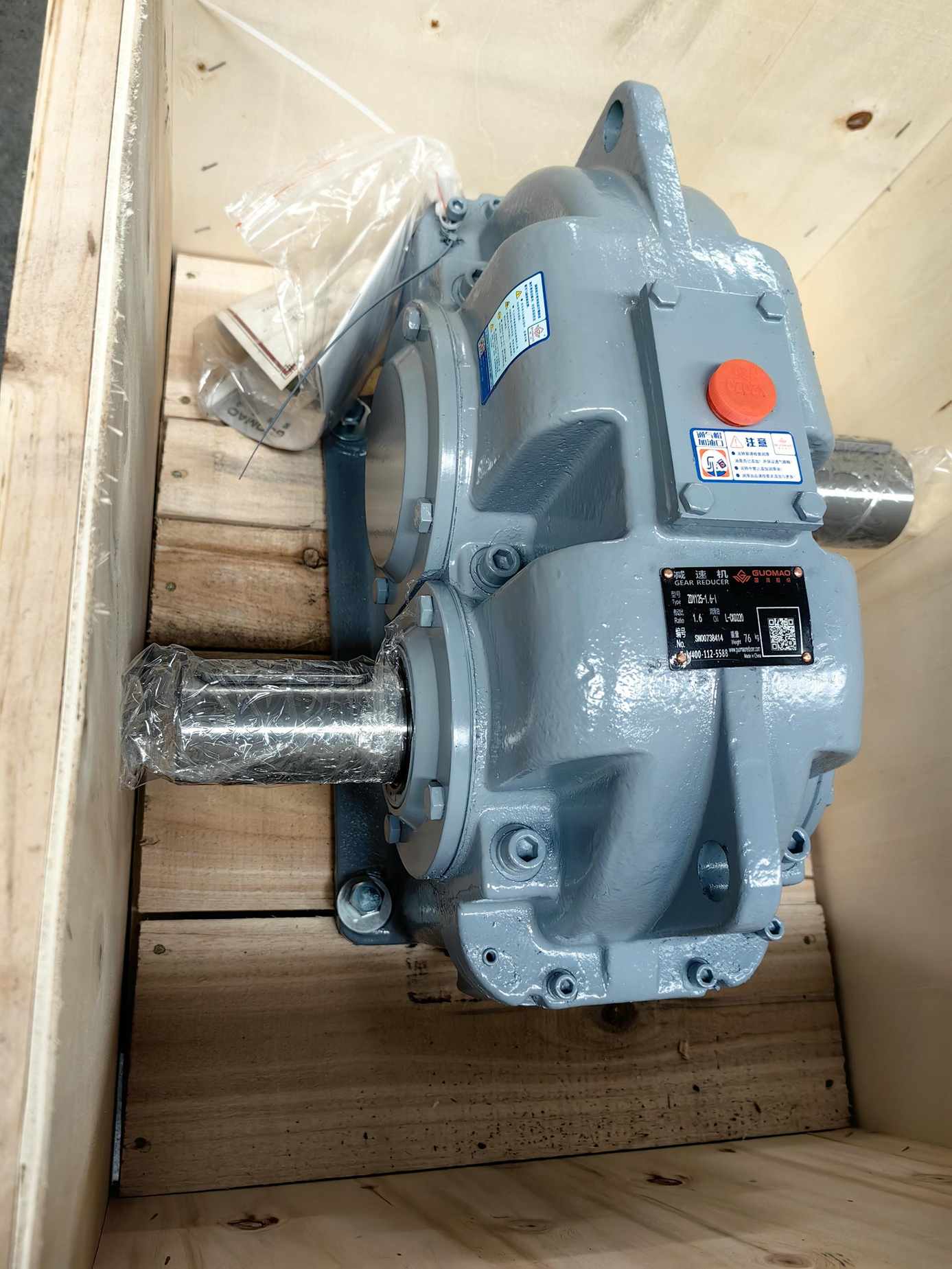
High precision and good gear-contact performance accompany the carburized and quenched high-strength low-carbon alloy steel gears in the Reductor de engranajes cilíndricos de la serie Zy.
The comparison must stay within this model family. Material and finishing details help distinguish documented designs; deciding suitability still requires the actual duty, installation, and maintenance conditions for the application.
Why do bearing capacity and assembly accuracy matter?
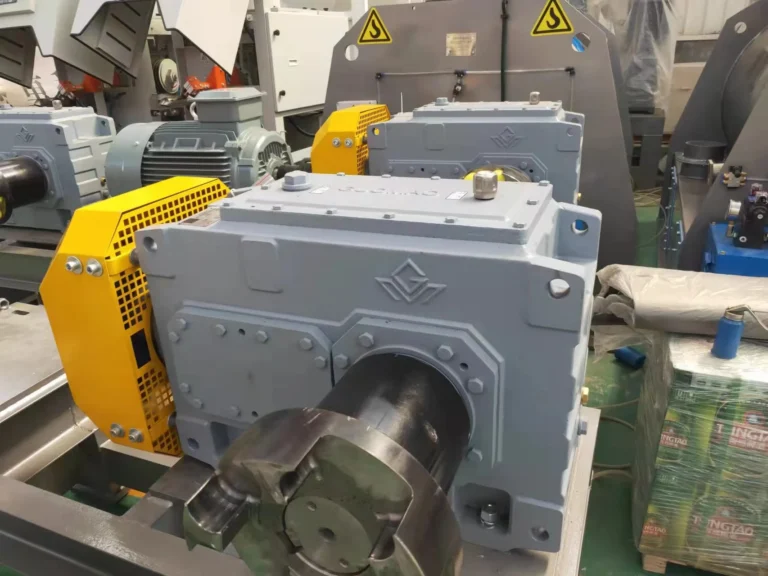
Check gear accuracy, bearing capacity, structural rigidity, materials, manufacturing, and assembly accuracy under load. For heavy-duty H Series Industrial Gearbox selection, assess load capacity alongside smooth engagement. Its helical and bevel gear pairs are stated to achieve grade 6 tooth accuracy; low-noise profiling supports smooth engagement, and assembly craftsmanship supports high assembly precision.
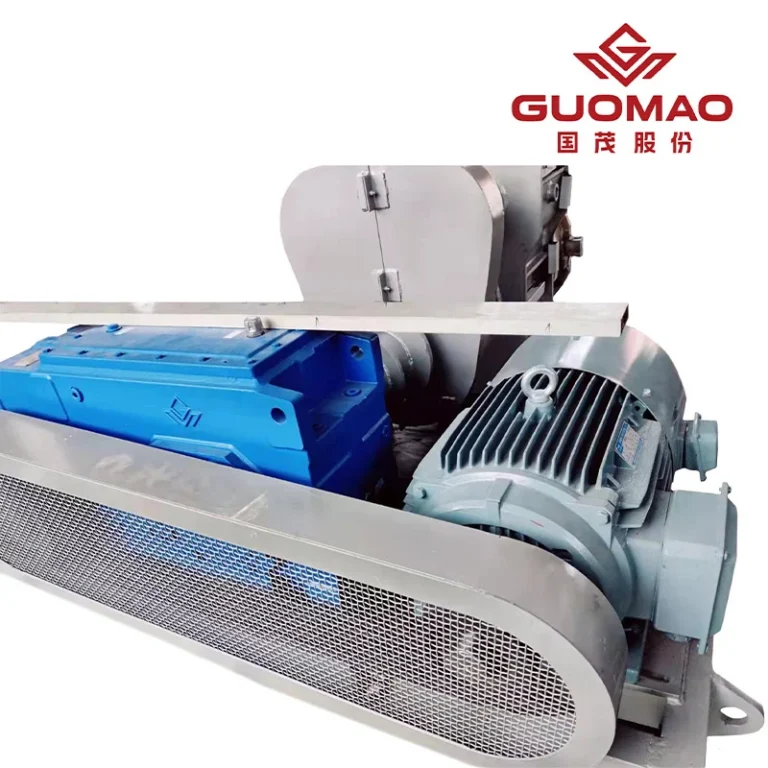
At Guomao, we offer the H Series Industrial Gearbox for heavy-duty selection, alongside the ZY Series Cylindrical Gear Reducer. These design comparison points need application conditions to support any life expectation.
How Can Maintenance Teams Extend Industrial Gear Reducer Service Life?
Which routine checks help establish a reliable baseline?
Give the inspection record operating context. Use steady-operation observations as the reference for later visits, keeping different operating stages separate. Where load and speed are available, include them; distinguish a startup reading from one taken during the usual running cycle.
An earlier inspection becomes a useful reference when its operating conditions are recorded alongside the current visit’s conditions. The selected model’s maintenance instructions provide the interval and lubricant handling requirements.
For conveyor applications, our gearbox selection for conveyor drives and service life guide considers the requirements.
What warning signs call for prompt inspection?
Abnormal noise or vibration, leakage, high reducer or bearing temperature, or lubrication-pressure problems warrant inspecting gears, bearings, couplings, foundations, seals, lubricant condition and level, cooling devices, and lubrication components.
The changed reading belongs in the maintenance sequence. Put work dates beside that reading for process adjustments, lubricant service, and foundation work. Use that sequence in inspection without naming a failed part from timing alone. Apply site safety procedures where operation could be hazardous.
How Should Buyers Evaluate a Gear Reducer for Long-Term Reliability?
Which application data should be confirmed before selection?
An application brief can name a model without explaining its selection. Record motor power and output speed individually. Output torque and reduction ratio need separate fields. For allowable radial load, the record must identify the actual application point. The working-condition coefficient needs a duty description showing load characteristics, working time, and starts/stops, so the reviewer can see which operating assumptions were used for selection.
Model ratings based on different operating hours or starts and stops describe different duties. The comparison also needs the same load changes, ambient conditions, mounting position, and external forces. Mark unknowns clearly. Ask the supplier which conditions are reflected in the rating and service factor.
How can product documentation support a life-cycle decision?
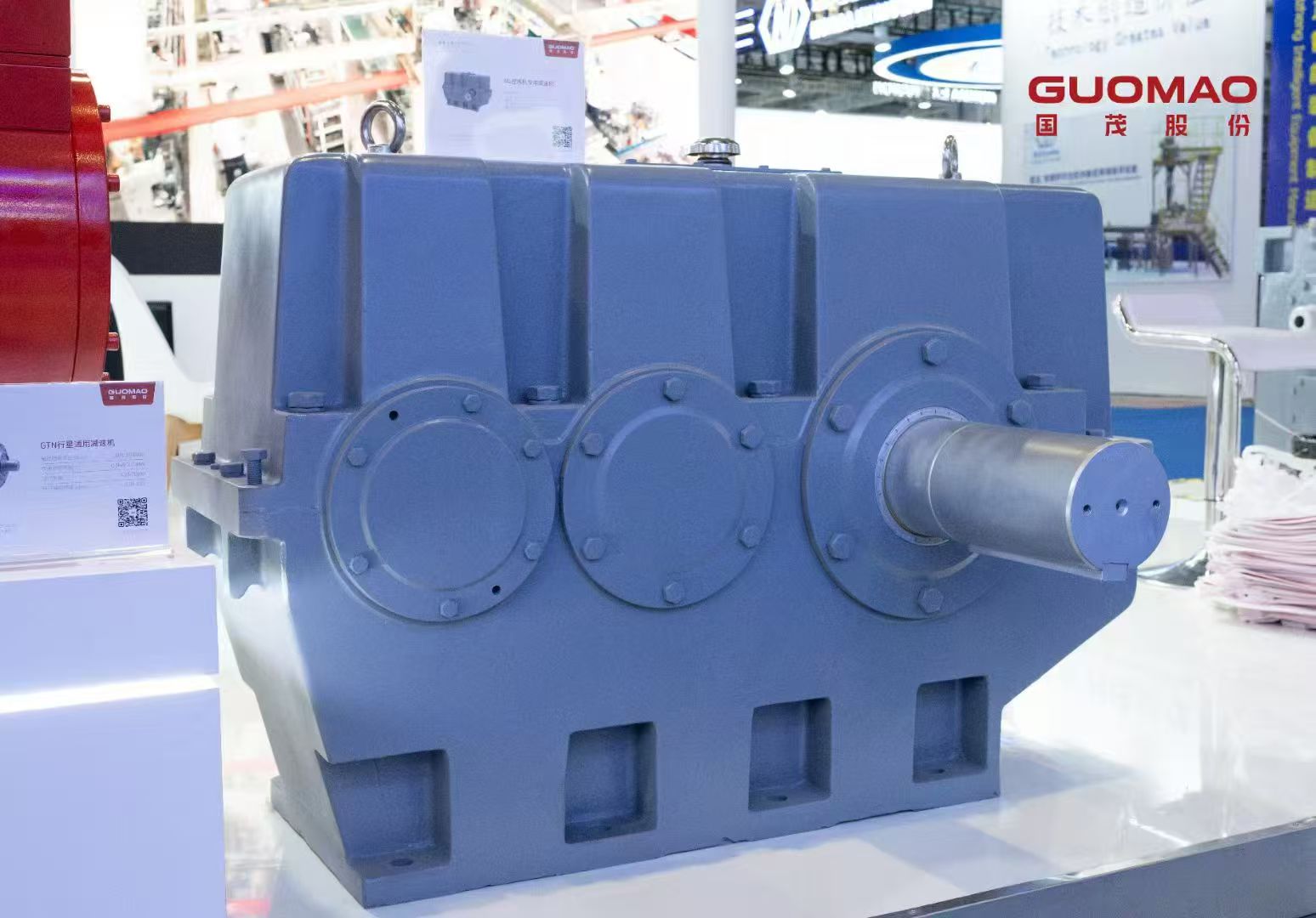
Utilice el Reductor industrial serie H design and assembly information as one part of a comparison with machine duty. Selection still requires this model’s load, thermal, and installation checks. Keep unresolved application conditions visible in selection records; a feature description cannot confirm them.
Have the operating team review the arrangement before purchase, locating the access for oil inspection, cooling checks, service, and reducer removal. Then identify the duty assumptions used in its documentation. File those assumptions with the selection record. A proposed process change can then be reviewed against the duty used to select the unit.
Preguntas frecuentes
Q: How long should an industrial gear reducer last?
A: A year estimate without operating conditions is incomplete. Ask which conditions support the industrial gear reducer estimate and compare them with duty. If that comparison cannot be made, the estimate remains unsupported for this application.
Q: What factors affect industrial gear reducer service life most?
A: Check whether the recorded duty still matches the selection assumptions. Reassess capacity, cooling, alignment, and maintenance after process changes.
Q: Can poor lubrication shorten a gear reducer’s service life?
A: Yes. Investigate unsuitable lubricant, incorrect oil level, degraded oil, or leakage using the selected unit’s instructions and operating record.
Q: How does overload affect gearbox life?
A: Repeated overloads and shock events stress gears, shafts, and bearings. Compare both peak events and average torque with documented capacity. Process changes require a review of that duty profile.
Q: How often should an industrial gear reducer be inspected?
A: Read the selected model’s interval with its duty and environment before setting visits. Keep comparable inspection records; investigate a meaningful change rather than automatically waiting for the next scheduled visit to examine that finding.