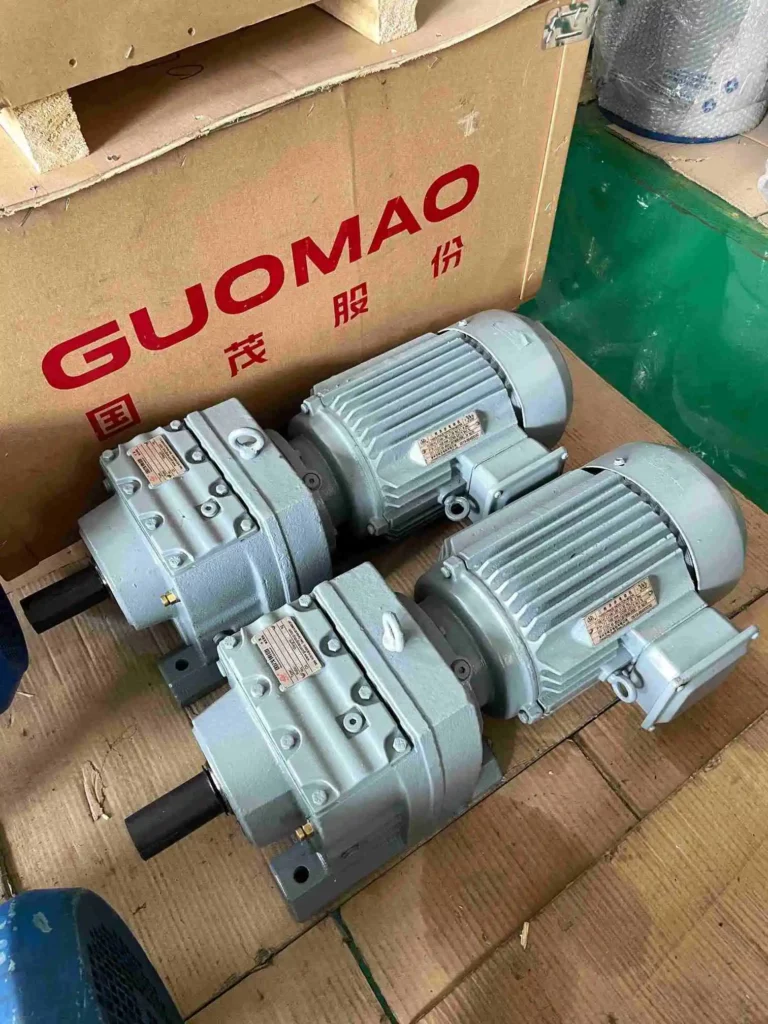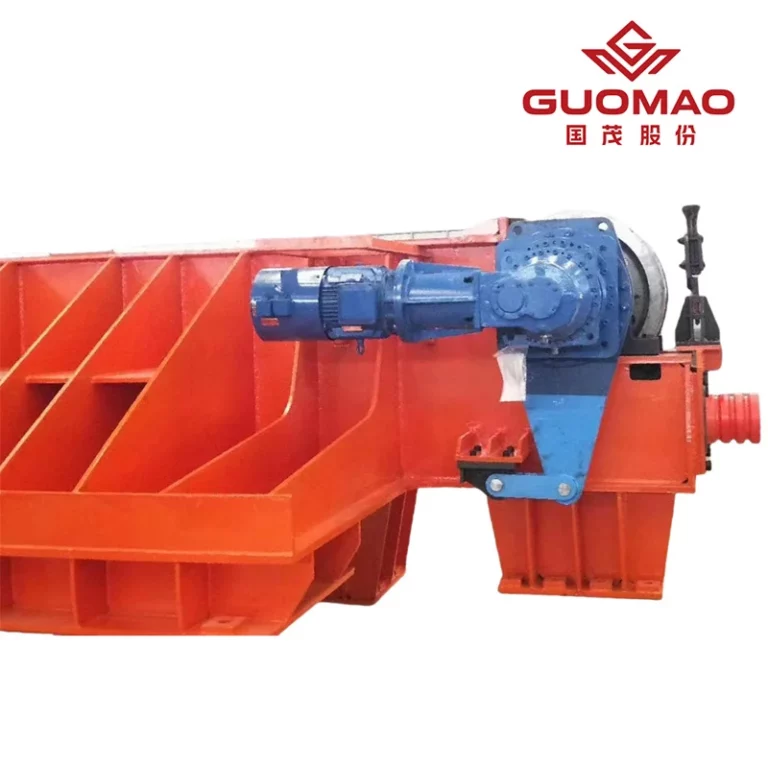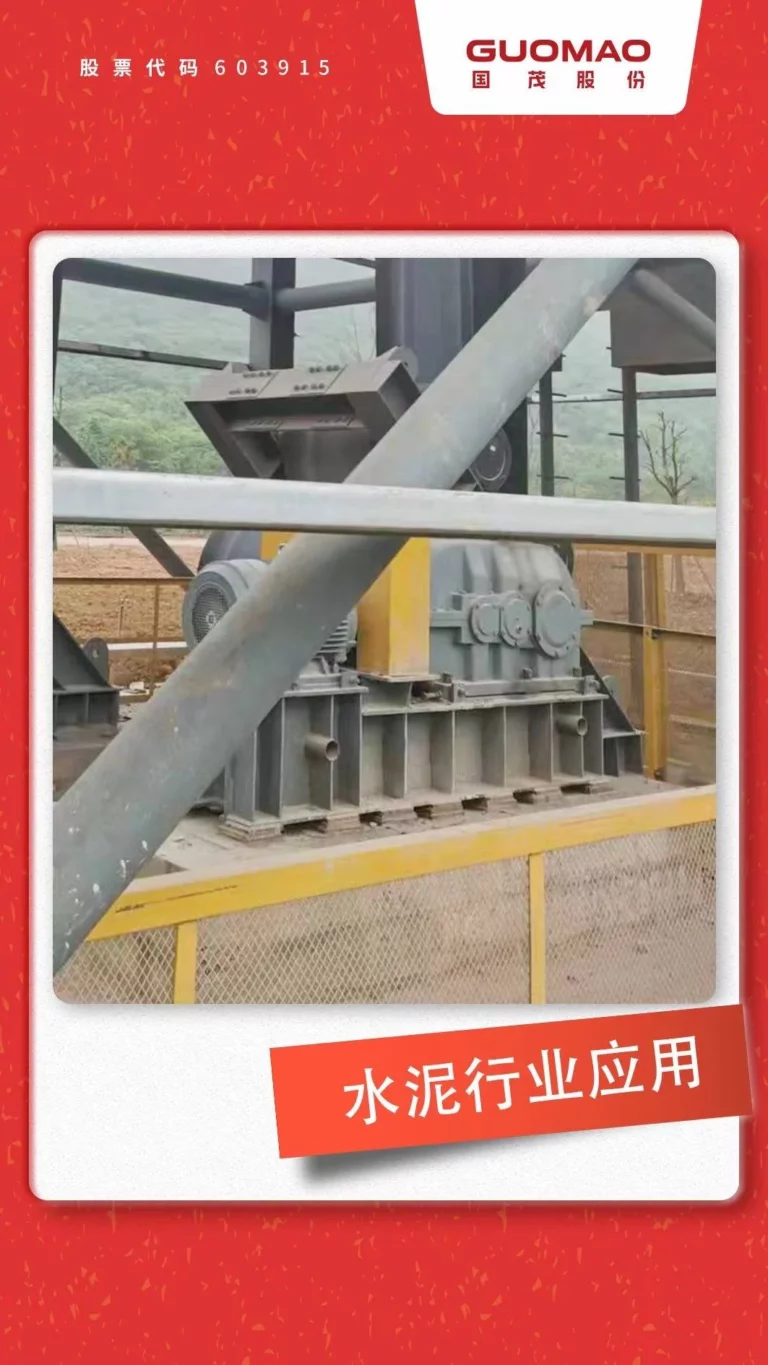



En el campo de los equipos industriales, las cajas de cambios desempeñan un papel vital en la transmisión de potencia. Un aspecto clave a considerar al elegir una caja de cambios para un determinado uso es el factor de servicio. Este artículo examinará el factor de servicio para las cajas de cambios de eje paralelo. También cubrirá sus efectos en el funcionamiento y la durabilidad. Vamos a explicar los principales puntos, usos y cómo el factor de servicio da forma a la caja de cambios’ eficacia en diferentes sectores. Estos sectores a menudo dependen de configuraciones de engranajes fuertes y fiables, como Guomao’ Series H y B.
¿Cuál es el factor de servicio en una caja de engranajes industrial?
Definición de factor de servicio
El factor de servicio (SF) de una caja de cambios industrial significa un multiplicador. Cambia la potencia nominal de la caja de cambios para adaptarse a varias situaciones de trabajo. Estas situaciones implican cambios en la carga, la velocidad y el entorno. Una caja de cambios’ La potencia nominal se produce en condiciones normales. Pero muchos usos van más allá de estas condiciones. Por lo tanto, los ajustes ayudan a garantizar buenos resultados.
Por ejemplo, si una caja de cambios maneja 100 caballos de potencia (CV) en condiciones normales, un factor de servicio de 1,5 significa que puede manejar 150 CV en lugares más difíciles. Este cambio asegura que la caja de cambios funcione bien incluso con cargas duras o cambiantes. Como resultado, disminuye la posibilidad de avería y prolonga su vida útil.
Cómo el factor de servicio afecta el rendimiento de la caja de engranajes
El factor de servicio moldea directamente la durabilidad y la salida de una caja de cambios. Un factor de servicio mayor muestra una mejor capacidad para hacer frente a cargas pesadas y acciones regulares de arranque y parada. Estas acciones a menudo ocurren en áreas como la minería, la producción y la generación de energía.
Elegir el factor de servicio adecuado asegura que la caja de cambios pueda soportar tensiones por encima de su nivel estándar sin demasiados daños. Al elegir una caja de cambios para usos particulares, el factor de servicio ayuda al sistema a funcionar sin problemas y eficientemente. También reduce las paradas y los gastos de reparación.
¿Por qué es crucial el factor de servicio para las cajas de engranajes de eje paralelo?
Características de las cajas de engranajes de eje paralelo
Las cajas de cambios de eje paralelo ven un amplio uso en entornos industriales. Allí, los ejes de entrada y salida se alinean en paralelo. Esta configuración funciona bien para reducir las relaciones de engranajes en espacios estrechos. Sin embargo, se enfrentan a problemas, especialmente al manejar fuerzas de par más grandes debido a su construcción y papel en máquinas difíciles.
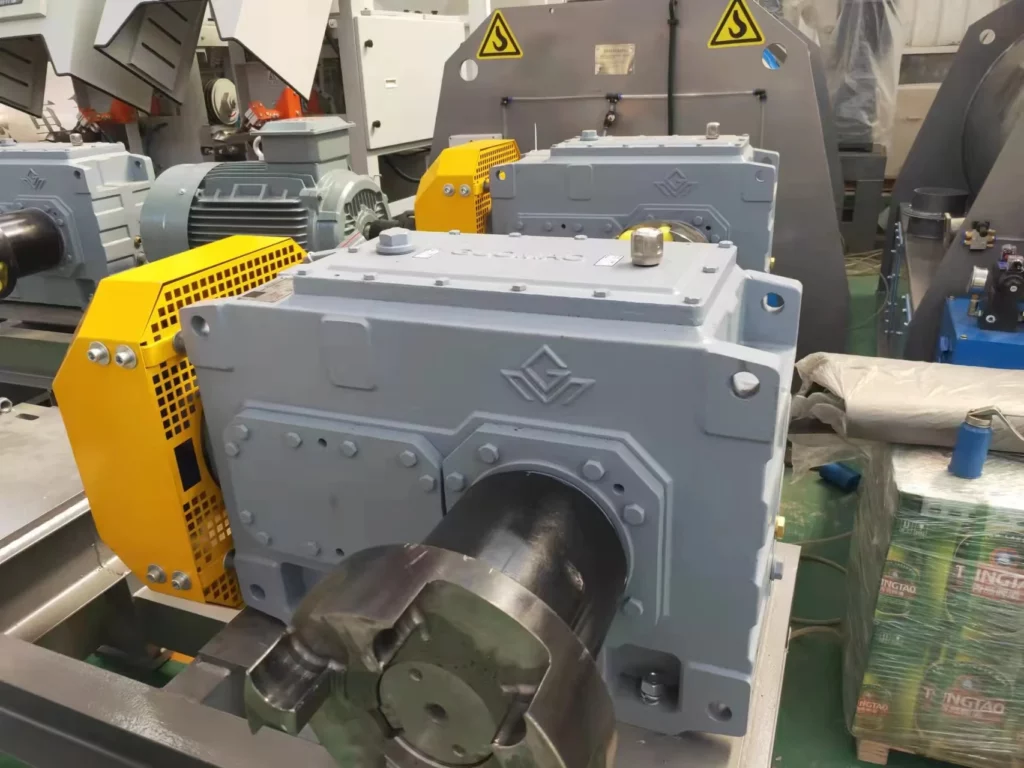
Una caja de cambios de eje paralelo común, como Guomao’ s Caja de cambios industrial H-paralelapuede manejar grandes fuerzas radiales y axiales. Lo hace manteniendo una buena eficiencia y un funcionamiento silencioso. Sin embargo, como cualquier parte de la máquina, la tensión en la caja de cambios puede diferir. Esto sucede mucho bajo cargas grandes o cambiantes. Por lo tanto, el factor de servicio se convierte en una parte esencial en la elección de la caja de cambios.
Cómo el factor de servicio mejora las aplicaciones paralelas
En usos paralelos, el factor de servicio ayuda a asegurarse de que la caja de cambios se ajuste a las necesidades de la configuración exacta de carga. Por ejemplo, Guomao’ Las cajas de engranajes de la serie B suelen servir en campos de alta potencia. Se benefician de un factor de servicio personalizado para gestionar cargas elevadas. Al mismo tiempo, mantienen el máximo rendimiento.
Las cajas de cambios de eje paralelo, como los tipos de la serie H, a menudo se enfrentan a un par cambiante. Al ajustar el factor de servicio para que coincida con las condiciones del mundo real, la caja de cambios puede manejar estas condiciones de manera fiable. Evita calentarse demasiado o dañar las partes. Este ajuste hace que los cambios de factor de servicio sean clave para campos que necesitan un trabajo constante y una alta fiabilidad. Los ejemplos incluyen la producción, el trabajo químico y el movimiento de mercancías.
Cálculo del factor de servicio para cajas de engranajes industriales
Factores clave a considerar en el cálculo del factor de servicio
Al determinar el factor de servicio de un caja de cambios industrialvarios elementos entran en juego. Ayudan a juzgar con precisión las necesidades de carga.
- Tipo de cargaSi la carga funciona de forma constante, de vez en cuando, o con sacudidas repentinas, puede cambiar en gran medida el factor de servicio.
- Velocidad de funcionamientoLas velocidades más rápidas generalmente requieren factores de servicio más grandes. Esto se debe a una mayor probabilidad de desgaste de piezas y averías.
- Ciclo de trabajoLa frecuencia con que se producen acciones de arranque-parada puede aumentar la tensión en la caja de cambios. Por lo tanto, necesita un factor de servicio mayor.
- Condiciones ambientales: El calor duro, la humedad o el contacto con productos químicos duros pueden afectar la caja de cambios ’ trabajo. Esto puede requerir un factor de servicio mayor.
Guía paso a paso para el cálculo del factor de servicio para cajas de engranajes
Aquí hay una manera sencilla paso a paso de averiguar el factor de servicio para una caja de cambios.
- Determinar la potencia nominal de la caja de cambiosEncontrar el nivel de caballos de potencia o kilovatios de la caja de cambios en condiciones de trabajo habituales.
- Evaluar las condiciones de funcionamientoMira el tipo de carga, velocidad, ciclo de trabajo y entorno. Vea cómo difieren de las condiciones estándar.
- Aplicar el factor de servicio correspondienteUtilice gráficos o reglas estándar del campo. Elija el multiplicador del factor de servicio en función de las condiciones que haya encontrado. Este multiplicador cambia la potencia nominal de la caja de cambios para que coincida con la configuración de trabajo real.
- Verificar el rendimientoDespués de usar el factor de servicio, compruebe que la caja de cambios pueda gestionar las necesidades de energía cambiadas. Debe hacerlo sin hacerse demasiado caliente o causar demasiado desgaste.
Aplicaciones comunes de cajas de engranajes industriales con ajustes de factor de servicio
Aplicaciones industriales utilizando cajas de engranajes de eje paralelo
Las cajas de cambios de eje paralelo se utilizan en muchos campos que necesitan una buena transferencia de potencia. Esto es cierto especialmente donde el espacio es corto y el par fuerte importa. Los campos típicos incluyen los siguientes.
- MineríaLas cajas de engranajes en equipos mineros deben soportar cargas altas y cargas de choque pesadas debido a los ciclos constantes de arranque-parada y el terreno variable.
- Alimentos y bebidasEn la maquinaria de procesamiento de alimentos, las cajas de engranajes de eje paralelo se utilizan para accionar transportadores, mezcladores y otros equipos, donde es esencial una transmisión de energía consistente y fiable.
- Manejo de materialesPara transportadores, grúas y elevadores, las cajas de cambios de eje paralelo ofrecen una manera eficiente en el espacio para transmitir alta potencia, especialmente en aplicaciones que requieren levantamiento pesado o control preciso.
- Energía y generación de energíaEn las centrales eléctricas, las cajas de cambios se utilizan en turbinas y generadores, donde el alto par y la fiabilidad son críticos para mantener operaciones continuas.
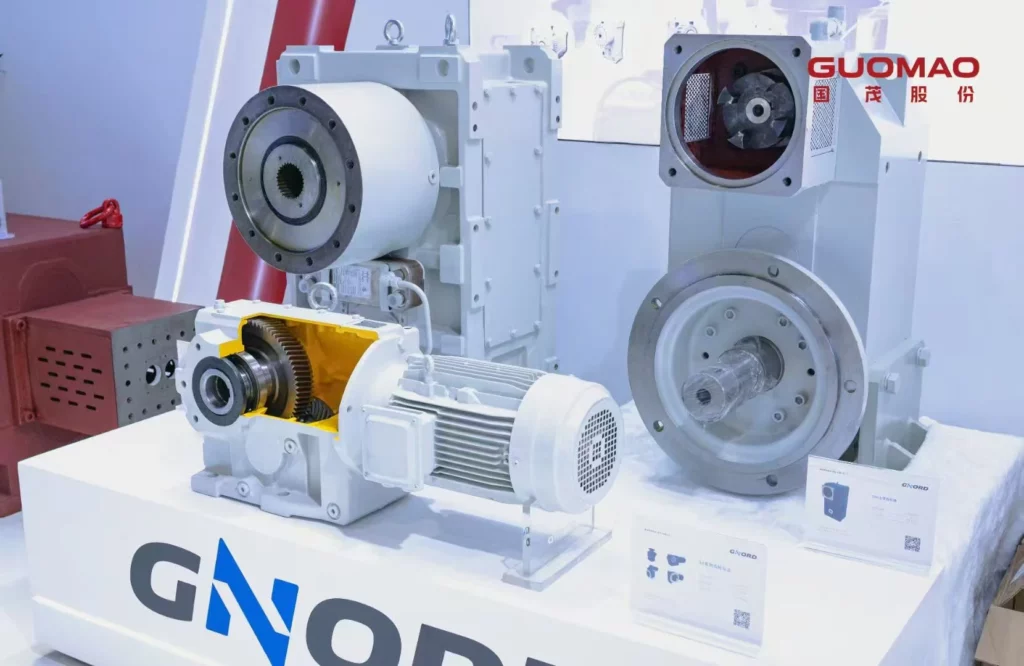
Optimización del factor de servicio para aplicaciones específicas
Al ajustar el factor de servicio para cada uso, las empresas pueden aumentar la producción y la vida útil de sus cajas de cambios. Por ejemplo, en campos con necesidades regulares de alto par, como la minería o la manipulación de mercancías, un factor de servicio mayor mantiene la caja de cambios resistente. También permite que funcione incluso en condiciones difíciles. Nuestra Caja de cambios industrial vertical b-verticalcepalle manejar mejor el par y la tensión más altos. Vienen con una construcción sólida y cambios exactos de factor de servicio. Es por eso que se adaptan a tareas tan difíciles.
Preguntas frecuentes
P: ¿Cuál es la importancia de ajustar el factor de servicio en una caja de cambios de eje paralelo?
R: Ajustar el factor de servicio es muy importante. Asegura que la caja de cambios pueda manejar las condiciones de trabajo exactas. Estos incluyen cargas cambiantes, arranques regulares y tensión del entorno. Un factor de servicio bien ajustado detiene los daños y averías tempranos.
P: ¿Cómo afecta el factor de servicio a la vida útil de una caja de cambios industrial?
R: El factor de servicio da forma a la caja de cambios’ Capacidad de trabajar en diferentes condiciones. Un factor de servicio adecuado permite a la caja de cambios soportar cargas y tensiones más altas. Por lo tanto, aumenta su vida útil y reduce los tiempos de reparación.
P: ¿Puedo usar la misma caja de cambios para múltiples aplicaciones industriales sin ajustar el factor de servicio?
R: No, cada uso tiene sus propias necesidades. Estos incluyen el tipo de carga y el entorno. Se requieren factores de servicio variados. Si se omite el ajuste, puede causar una avería temprana de la caja de cambios o resultados pobres.
P: ¿Cómo calculo el factor de servicio para una caja de cambios usada en una aplicación de minería?
R: Para usos mineros, el factor de servicio proviene de la observación de elementos como fuertes cargas de choque, velocidades cambiantes y entornos ásperos. A menudo, las herramientas de minería necesitan un factor de servicio más grande. Esto ayuda a la caja de cambios a soportar las condiciones difíciles.
P: ¿Cuáles son los factores clave a considerar al seleccionar el factor de servicio para una caja de cambios en el procesamiento de alimentos?
R: En la manipulación de alimentos, los elementos principales incluyen el tipo de carga, ya sea constante o intermitente. También cubren el ciclo de trabajo con acciones regulares de inicio-parada. Además, los entornos como las rondas de limpieza y el calor juegan un papel. Un factor de servicio inteligentemente seleccionado mantiene la caja de cambios fiable y eficaz en todas las etapas del proceso.