

What Is a Conveyor Belt Gearbox and Why Is It Essential?
Definition and Function of a Conveyor Belt Gearbox
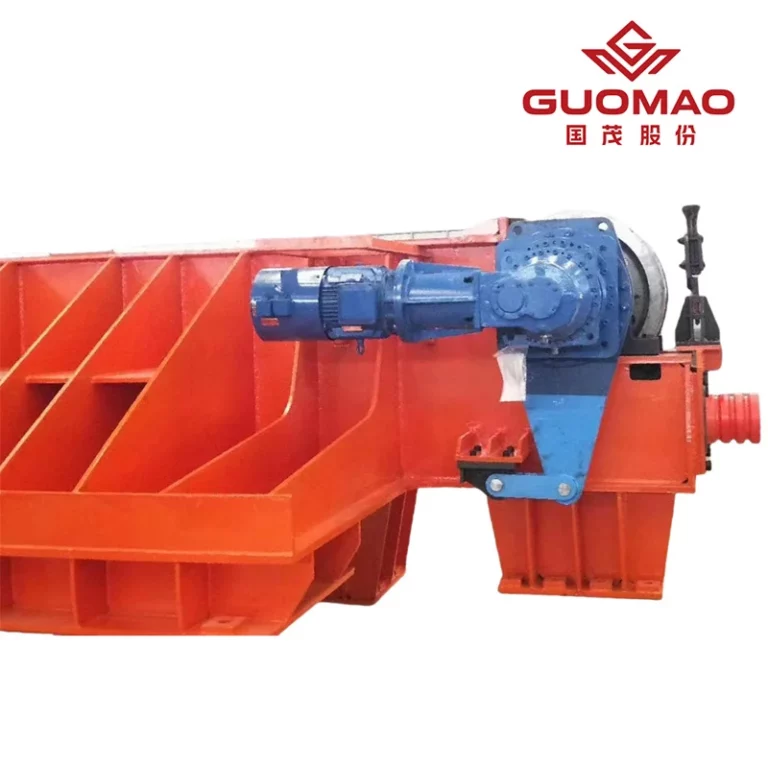
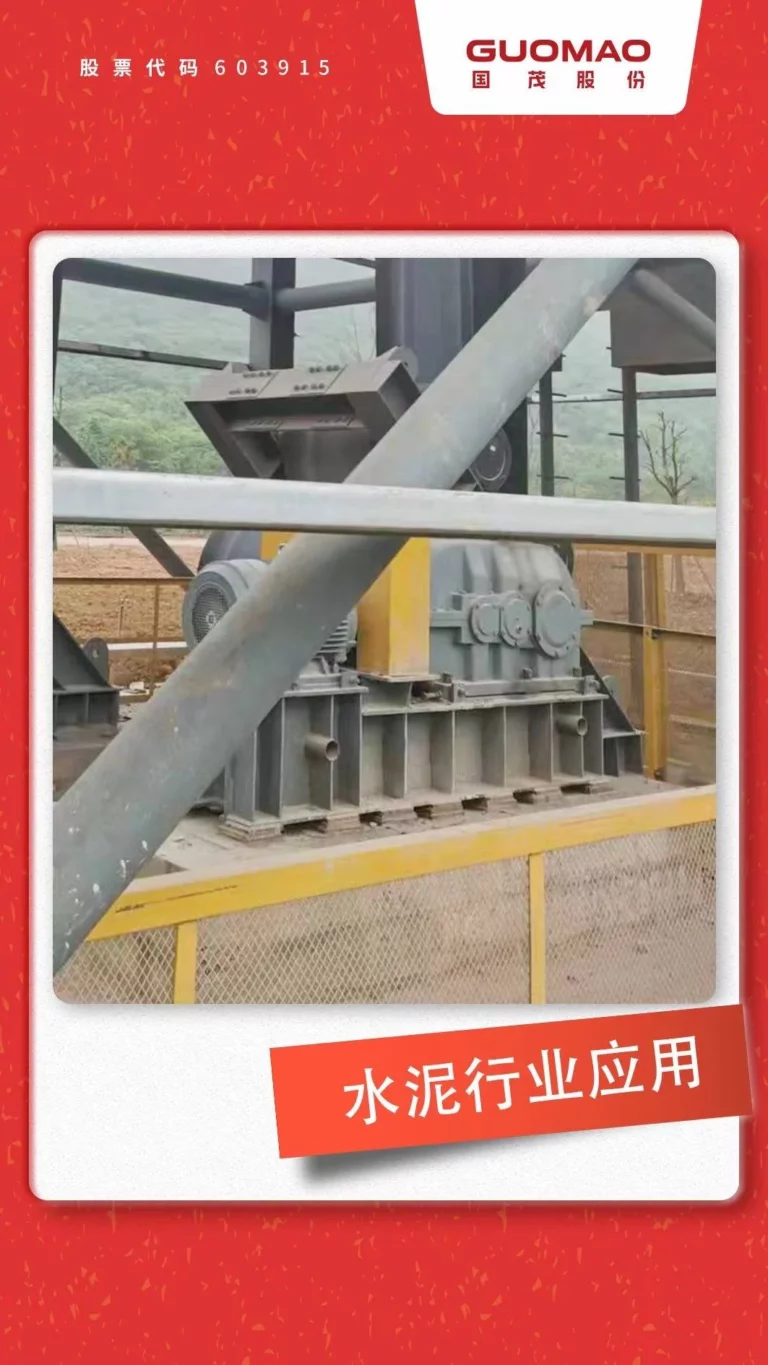
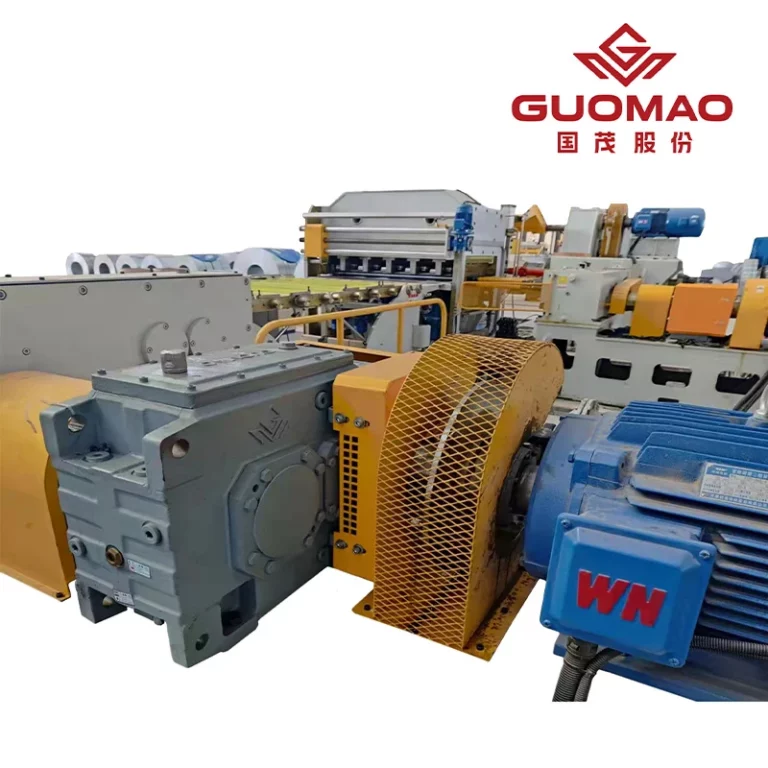
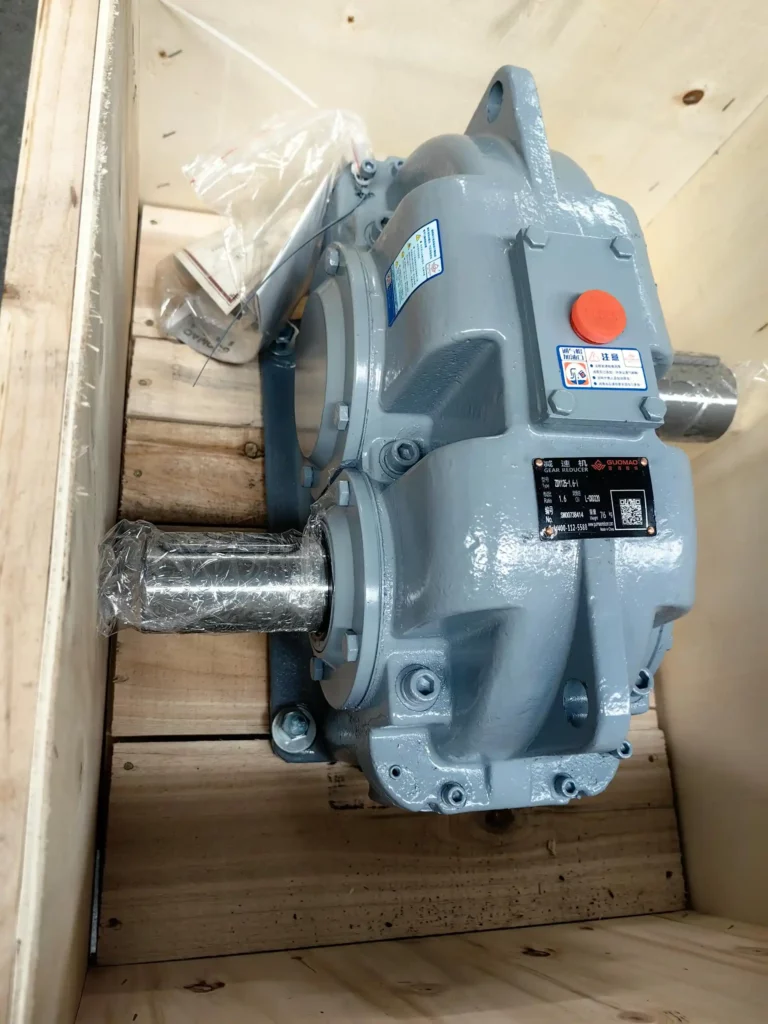
A conveyor belt gearbox is a main mechanical part. It sends power from a motor to a conveyor system. At the same time, it adjusts speed and torque. This setup helps give steady and continuous work for industrial belt conveyors. The unit takes in torque changes. It also cuts down wear on the conveyor and gearbox components. The conveyor layout decides the setup. Configurations can include parallel shaft, vertical shaft, and hollow output shaft designs. These options give useful flexibility for many different industrial uses.
Key Performance Indicators for Industrial Applications
Some of the key performance indicators of a gearbox for a conveyor belt include the following: torque, maximum radial load capacity, efficiency, and service factor. In case of large quantities of material transport or long distance transport, there should be low vibration in the gears, otherwise vibrations will harm bearing, shaft, and structural parts. In order to ensure efficient operations and service life of the equipment, proper gear machining, proper assembly, and correct material selection is essential.
How to Choose the Right Conveyor Belt Gearbox?
Understanding Load and Torque Requirements
Choosing the right gearbox starts with looking at the load and torque needs of the conveyor system. Main points include conveyor belt weight, material type, start-stop cycles, and daily duty hours. For heavy machines like screw conveyors and bucket elevators, radial and axial loads need review during sizing. Finding a good service factor ensures all parts stay within safe limits. This improves durability and lowers the chance of early failure.
Selecting Gearbox Type: Helical, Worm, Planetary, Cycloidal
Different gearbox types fit different industrial needs:
- Helical Gearboxes: They give high efficiency and low noise. This makes them good for fast belt conveyors.
- Worm Gearboxes: They are compact and self-locking. This suits vertical conveyors.
- Planetary Gearboxes: They offer high torque density. This is useful in heavy-duty applications.
- Cycloidal Gearboxes: They resist shock well. This makes them excellent for conveyors with many starts and stops.
Determining Gear Ratio and Output Speed
The gear ratio sets the output speed compared to the motor input. Multi-stage reductions become necessary for low-speed and high-torque work. Single-stage reductions work well for lighter and high-speed conveyors. Engineers must calculate the nominal transmission ratio. They base this on conveyor belt speed, load, and torque needs. This step ensures good performance and efficiency.
Installation and Mounting Considerations
Common Installation Configurations
Installation setup affects both performance and how easy maintenance is:
- Foot-mounted: It gives stability for heavy-duty conveyors.
- Flange-mounted (B5/B14): It offers compact integration with motor shafts.
- Torque-arm and shaft-mounted: These cut bearing stress in complex layouts. They also provide flexibility for system design.
Alignment, Coupling, and Safety Requirements
Proper alignment of the motor and gearbox is important in order to prevent misalignment of the gear and excessive wear and tear of the part. Although flexible couplings and pulleys are designed to compensate for small amounts of misalignment, it is essential to set them up correctly in order to avoid problems. All exposed rotating parts should be guarded in accordance with relevant industrial safety practices in order to prolong the service life of the gearbox as well as enhance operational reliability.
Maintenance and Reliability of Conveyor Gearboxes
Lubrication, Cooling, and Operational Checks
For reliable long-term operation, the lubrication of gearboxes has to be given due attention. It is recommended to use heavy-duty gear oils of the type CKD220/320 or a forced lubrication system. In case of powerful conveyors, a water-cooled or oil-circulated version can be a better alternative. For early detection of wear on gears, bearings, and shafts, it is recommended to perform daily checks and to avoid any possible damage in good time. Monitoring of oil pressure and temperature by means of automated measuring systems provides even greater reliability in critical areas of application.
Common Failure Modes and Troubleshooting
Failures are often caused by gear misalignment, bearing damage, excessive radial load, or insufficient lubrication. Recommended troubleshooting practices include:
- Inspecting gear teeth and bearings for wear
- Verifying coupling alignment
- Monitoring lubrication quality and level
- Checking the cooling system and airflow
Preventive measures like regular maintenance and proper installation reduce downtime and enhance operational efficiency.
Advanced Selection Factors for High-Performance Gearboxes
Service Factor and Safety Margins
The service factor considers operating conditions. These include start-stop frequency, load variations, and environmental stresses. Applying this factor correctly protects components from overload. It extends gearbox life and ensures safe operation. For example, the Guomao GK Series Helical-Bevel Geared Motor allows adjustment of service factors for diverse conveyor operations.
Noise, Efficiency, and Energy Considerations
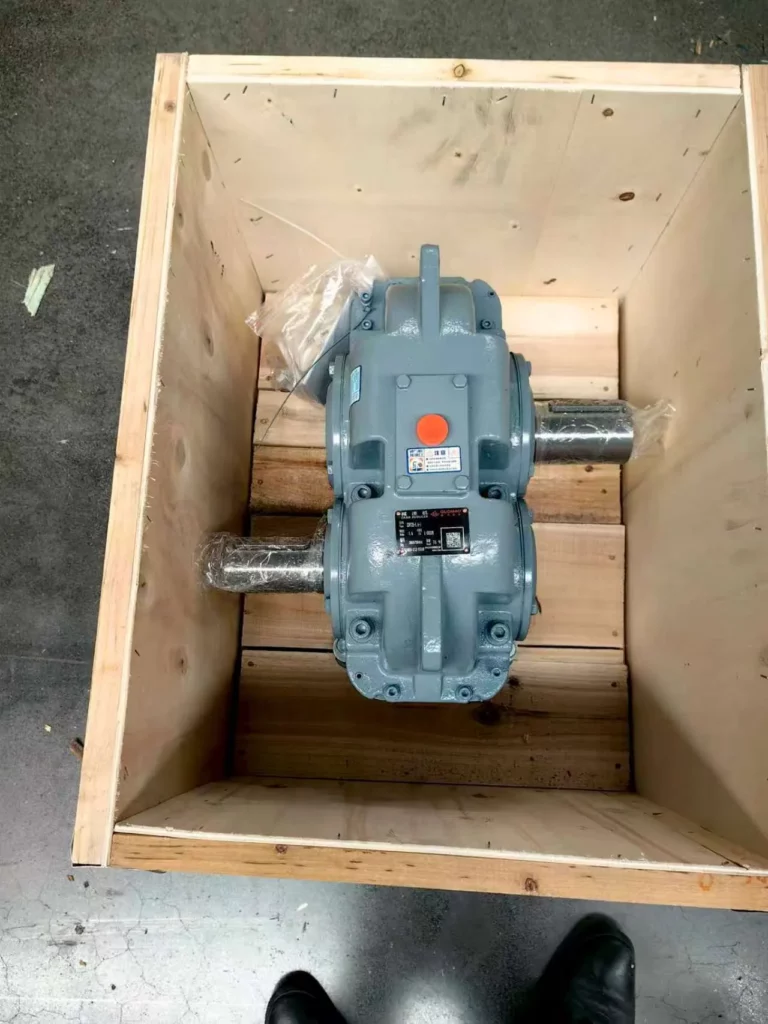
Using better design for gears, higher precision for cutting, and tighter assembly all help to reduce both vibration and noise, as well as to help maintain higher efficiency for transmission. Higher efficiency motors and gearboxes, like the GR Series Helical Geared Motor from Guomao, have efficiency up to 95% and are suitable for applications that run all day on the conveyor lines and will save lots of money in the long run.
Environmental and Operational Adaptability
Modern conveyors often operate in extreme conditions. These include high humidity, temperature fluctuations, or dusty environments. Gearboxes with modular designs, robust sealing, and cooling options ensure stable performance. Considering ambient temperature limits and dust protection ratings can greatly improve reliability. They also extend service life.
Practical Application Scenarios of Conveyor Belt Gearboxes
Mining, Metallurgy, and Heavy Material Handling
Conveyors in mining and metallurgy need high torque and sturdiness due to their application. B-Vertical industrial Gearbox is ideal for bucket elevators and stacker reclaimers because it guarantees steady transmission despite continuous usage in tough conditions.
Food, Pharmaceutical, and Chemical Industries
Conveyors in hygienic industries require precise speed control and smooth operation. GR Series Helical Geared Motors maintain consistent material flow in powders, granules, or liquids. They do this while minimizing vibration. This meets strict process requirements for sensitive applications.
Packaging, Ports, and Automation Systems
Automatic conveyors benefit from the use of modular high torque gearboxes. The planetary and cycloidal reductions are suitable for automatic conveyors as well as for packaging, marine, and automatic material handling systems.
FAQ
Q: What factors should I consider when selecting a conveyor belt gearbox?
A: Evaluate torque, gearbox type, speed ratio, service factor, and conveyor load. Guomao B Series and GK Series offer detailed specifications for different conveyor requirements.
Q: How do I calculate the correct gear ratio for a conveyor belt system?
A: Determine the desired conveyor speed and motor speed. Use ratio = input speed ÷ output speed. Multi-stage reductions allow low-speed, high-torque output.
Q: Which gearbox type is most suitable for vertical conveyors?
A: Worm gearboxes provide compact, self-locking solutions. B-Vertical Industrial Gearbox is optimized for vertical belt conveyors.
Q: What are common causes of conveyor gearbox failure?
A: Misalignment, improper coupling, excessive radial load, and poor lubrication are frequent causes. Routine inspection and correct installation mitigate these risks.