


Selecting the right planetary gearbox for heavy-duty machinery is a critical engineering decision that directly impacts system performance, reliability, and lifecycle cost. In industries such as mining, construction equipment, and bulk material handling, gearboxes operate under high torque, continuous load, and harsh environments.
Unlike light-duty applications, these systems demand robust transmission solutions with high load-bearing capacity, efficient power transfer, and stable long-term operation. This article provides a structured and engineering-focused approach to help you select the best planetary gearbox for demanding industrial scenarios.
What Is a Planetary Gearbox and Why Is It Used in Heavy Duty Machinery?
How Does a Planetary Gearbox Work in Industrial Power Transmission?
A planetary gearbox has three main parts:
- Sun gear (input shaft)
- Planet gears (load-sharing components)
- Ring gear (outer gear structure)
This setup lets several planet gears connect at once. It spreads the weight over many touch spots. Thus, the gearbox sends more force while keeping a small size.
The weight-split idea explains why planetary setups fit high-torque planetary gearbox applications so well.
Why Planetary Gearboxes Are Preferred for Heavy Duty Applications?
Regular gear setups differ from planetary ones. Planetary gearboxes provide:
- Higher torque density in a compact structure
- Improved load distribution and reduced stress concentration
- Greater transmission stability under continuous operation
- Enhanced efficiency due to optimized gear engagement
In tough machines, these points mean less stop time, better trust, and stronger system work.
What Are the Key Parameters When Selecting a Planetary Gearbox?
How to Calculate Required Torque and Power for Your Application?
The initial task in planetary gearbox selection for heavy-duty machinery involves setting force and power needs.
Main points covered:
- Motor output power
- Required output torque
- Load type (constant, variable, or shock load)
- Service factor (typically ≥1.5 for heavy-duty conditions)
Many overlook top loads. In tasks like breaking or boring, force jumps go far beyond usual levels. So, picking the right safety add-on proves key.
Underestimating peak loads is a common issue. In applications such as crushing or drilling, torque spikes can significantly exceed nominal values, making proper safety factor selection essential.
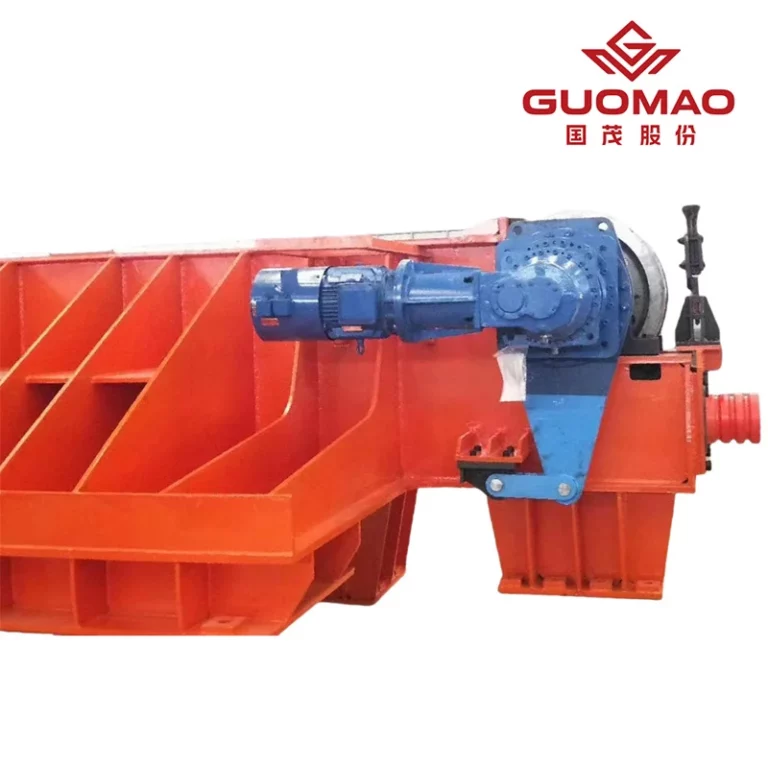
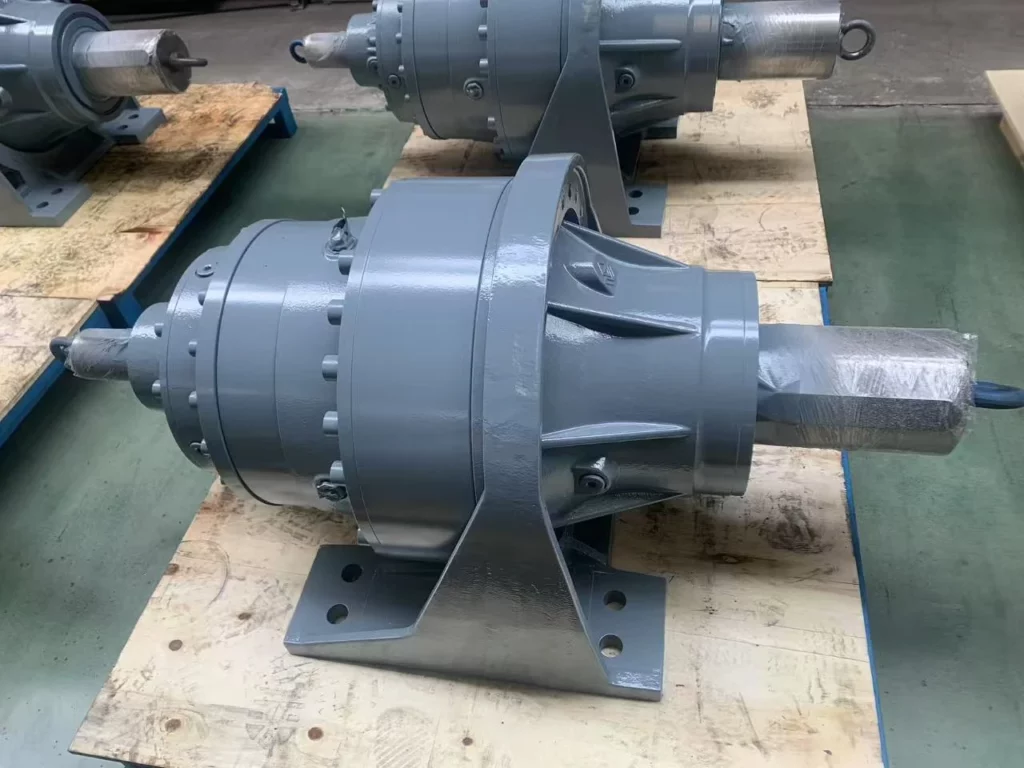
When evaluating planetary gearboxes for demanding machinery, choosing the right product is crucial for achieving long-term reliability. For instance, the Engineering Mechanical Planetary Gearboxes designed by Guomao provide a solution tailored for high-load applications. Their robust design ensures they can handle extreme torque levels and offer superior durability under continuous operation.
Guomao’s gearboxes, made from high-strength alloy steel and equipped with advanced thermal management systems, excel in environments where other gearbox solutions may fail, making them an ideal choice for industries like mining and construction.
How to Choose the Correct Gear Ratio and Output Speed?
The gear ratio sets how the input turn rate turns into the output force.
| Gear Ratio | Effect on System |
| High ratio | Increased torque, reduced speed |
| Low ratio | Higher speed, lower torque |
When picking the ratio:
- Ensure compatibility with motor speed
- Match output speed to application requirements
- Avoid excessive ratios that may reduce efficiency
This matters a lot in industrial planetary gearbox sizing. Exact speed handling ties to steady process work.
Why Load Capacity and Service Life Matter in Heavy Duty Machinery?
Tough gear runs non-stop. It puts a big strain on gearbox strength.
Key points include:
- Bearing load capacity
- Axial and radial load conditions
- Expected service life under continuous operation
A solid planetary gearbox shares weight well. It lengthens part life. It cuts care needs too.
How to Evaluate Performance Factors of a Planetary Gearbox?
What Determines Transmission Efficiency and Energy Loss?
Several tech points shape how well it runs:
- Gear material and surface treatment
- Precision of gear machining
- Lubrication quality
Strong gearboxes often pick carburized and hardened alloy steel gears with fine grinding. This cuts the rub and boosts the flow. It helps in planetary gearboxes for continuous operation environments.
How Do Noise, Vibration, and Stability Affect Operation?
Sound and shake show the system state.
Usual reasons:
- Poor gear meshing
- Misalignment during installation
- Structural rigidity issues
A good planetary gearbox gives an even drive. It lowers shake. This keeps running steadily in tough gear.
Why Thermal Performance and Cooling Are Critical?
Heat builds fast under a big weight.
Without good heat handling:
- Lubricant degrades faster
- Efficiency decreases
- Component wear accelerates
Good fixes cover:
- Optimized lubrication systems
- Forced cooling where required
- Proper heat dissipation design
Heat care sets long trust.
What Application Conditions Should You Consider Before Selection?
How Do Environmental Factors Affect Gearbox Performance?
Factory spots can prove hard. They expose gear to:
- Dust and contaminants
- High temperatures
- Humidity
These touch oil, seals, and parts wear. You must check seals and air flow. Direct water washing should be avoided. It can harm seals and dirty oil.
What Are the Installation and Space Constraints?
Set up spots, shape gearbox work.
Points to think about:
- Mounting orientation
- Shaft alignment
- Available installation space
Planetary gearboxes help thanks to their compact design. They fit into tight spots.
How Do Operating Conditions Influence Gearbox Design?
Run spots change by task:
- Continuous vs intermittent operation
- Frequent start-stop cycles
- Directional changes
These shape weight share, heat build, and wear ways. You need to note them when picking.
How to Select the Right Materials and Manufacturing Quality?
Why Gear Material and Heat Treatment Matter?
Part picks set strength and weight hold.
Fine planetary gearboxes are used:
- High-strength alloy steel
- Carburizing and quenching processes
- High surface hardness for wear resistance
These traits work well in tough spots.
How Does Manufacturing Precision Affect Gearbox Performance?
Fine work touches flow, sound, and life span.
Main points:
- Gear grinding accuracy
- Backlash control
- Assembly tolerances
High fine work sets an even weight share. It aids a steady long run.
What Are Common Mistakes When Choosing a Planetary Gearbox?
Why Undersizing Torque Capacity Leads to Failure?
Picking a gearbox with too little force holding causes overheating, fast wear, and early breakage.
How Incorrect Lubrication and Cooling Cause Damage?
Wrong oil raises the rub and heat. It lowers the flow and harms parts.
Why Ignoring Installation and Alignment Can Reduce Efficiency?
The wrong line adds extra weight. It cuts drive flow, above all in fast setups.
Step-by-Step Guide: How to Choose the Best Planetary Gearbox
Step 1 – Define Application Requirements
- Load conditions
- Torque and speed
- Duty cycle
Step 2 – Calculate Key Parameters
- Gear ratio
- Power rating
- Service factor
Step 3 – Match Gearbox Specifications
At this point, you pick a gearbox made for tough machinery. That step proves vital.
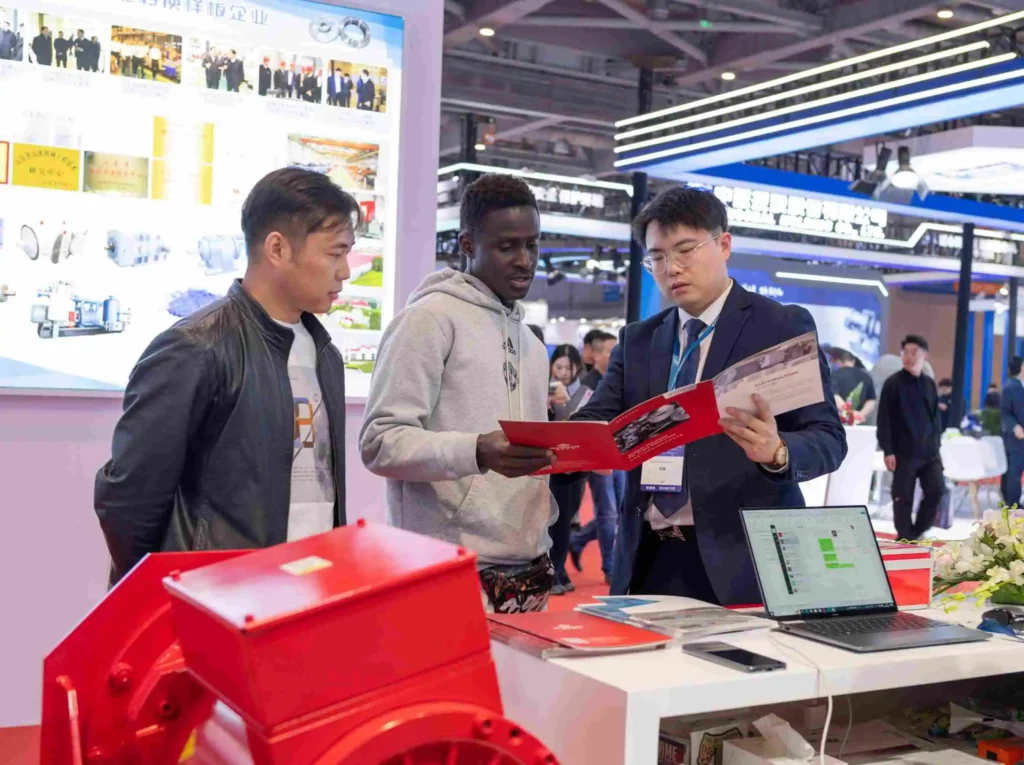
The Engineering Mechanical Planetary Gearbox from Guomao shows such an option. It uses a small planetary build. This gives a strong force send while keeping a good power pass.
From a tech view, this gearbox suits tasks like:
- Crushing equipment
- Road construction machinery
- Rotary drilling rigs
- Tower cranes
It’s built stresses:
- Large torque capacity
- High structural strength
- Adaptability to high-speed drive conditions
These traits match the needs of tough factory systems.
Step 4 – Verify Installation and Operating Conditions
Before the last pick, check:
- Mounting configuration
- Environmental conditions
- Thermal requirements
We suggest checking the whole system fit. Do not just look at gearbox points. This sets the best work and skips wrong match problems.
How Planetary Gearboxes Improve Efficiency in Heavy Industry Applications
What Industries Commonly Use Planetary Gearboxes?
Planetary gearboxes see wide use in:
- Mining equipment
- Construction machinery
- Material handling systems
- Heavy-duty industrial processing equipment
How High Load Capacity and Compact Design Benefit Equipment?
From a tech angle, the main gain of planetary systems lies in mixing:
- High torque output
- Compact size
- Stable operation
This lets gear makers cut system space. They keep work levels. It counts in new tough machine builds.
FAQ
Q: How to choose a planetary gearbox for heavy-duty machinery?
A: Start by setting force, turn rate, and weight spots. A fitting add-on and good heat care matter. Tough planetary gearboxes, like those from Guomao, fit heavy-duty and non-stop run tasks.
Q: What factors affect planetary gearbox efficiency in industrial applications?
A: Flow rests on gear fine work, oil quality, and inner rub. Good parts and exact making steps raise the flow. They cut power waste too.
Q: What is the ideal gear ratio for a planetary gearbox in heavy-load systems?
A: The best ratio ties to the needed output turn and force. Bigger ratios give more force but cut speed. The right match with motor traits sets the top work.
Q: How long does a planetary gearbox last in continuous operation?
A: Life span rests on weight spots, oil, and run setting. With the right pick and care, tough planetary gearboxes run reliably for long times.
Q: What maintenance is required for a planetary gearbox?
A: Check oil, heat, and shake often. Pick the right oil and skip the wrong cleaning ways. They aid long work.