

Understanding the Scope of a Single-Stage Helical Gearbox
Choosing a single-stage helical gearbox is rarely about finding the simplest solution—it is about identifying when efficiency, thermal stability, and mechanical reliability matter more than extreme torque multiplication. In industrial drive systems, performance issues often stem from incorrect gearbox selection rather than component failure. This article explains when a single-stage helical gearbox is the right engineering choice, where its practical limits lie, and how to avoid common misapplications in continuous-duty environments.
A single-stage helical gearbox is defined by a transmission layout where speed reduction is achieved through one helical gear mesh, creating a direct power path from the motor to the output shaft. This definition matters because the number of gear meshes directly affects efficiency, heat generation, and long-term mechanical reliability in industrial systems.
Structural Characteristics of a Single-Stage Helical Gearbox
This transmission layout relies on a single pair of precision-machined helical gears to transfer torque. Helical tooth engagement allows gradual contact along the tooth surface, reducing vibration and noise while maintaining stable load transmission under continuous operation.
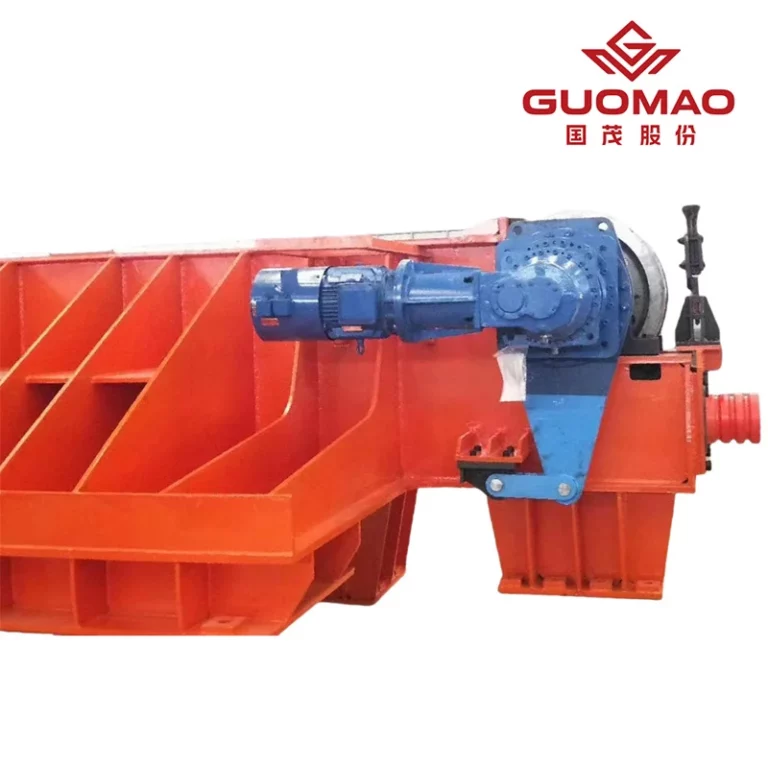
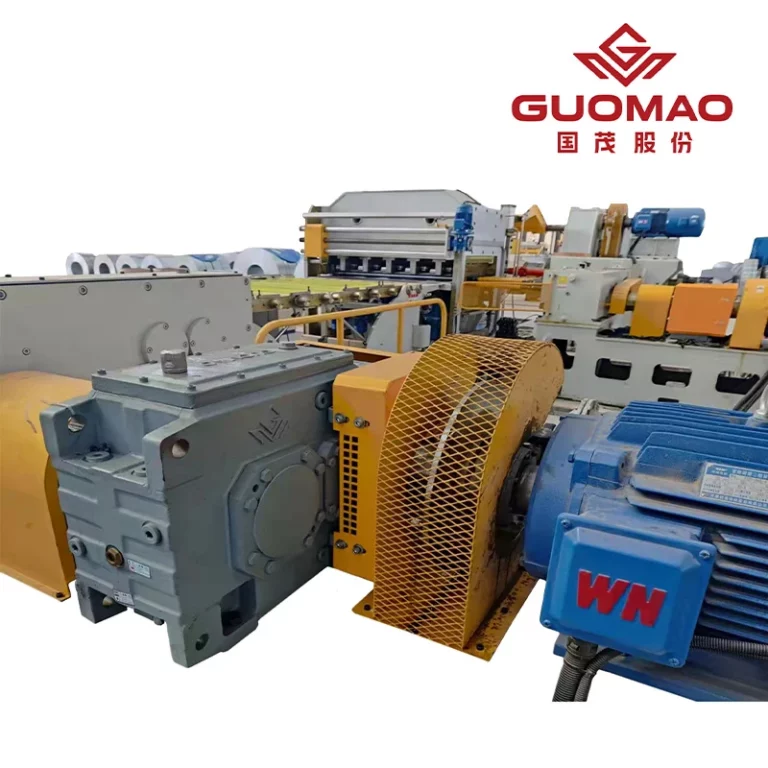
In factory use, this build shows up often in simple low-ratio setups. For example, single-stage versions in Guomao’s GR Series Helical Geared Motor fits when ease and straightforwardness matter more than big speed drops.
From an engineering perspective, a single-stage helical gearbox performs best within moderate reduction ratios where efficiency and thermal control outweigh extreme torque multiplication. When applied within this window, the simplified power path minimizes cumulative losses and reduces sensitivity to alignment and lubrication variation. Performance issues typically arise not from insufficient gearbox strength, but from applying a single-stage configuration to duty cycles that demand shock-load absorption or excessive reduction ratios.
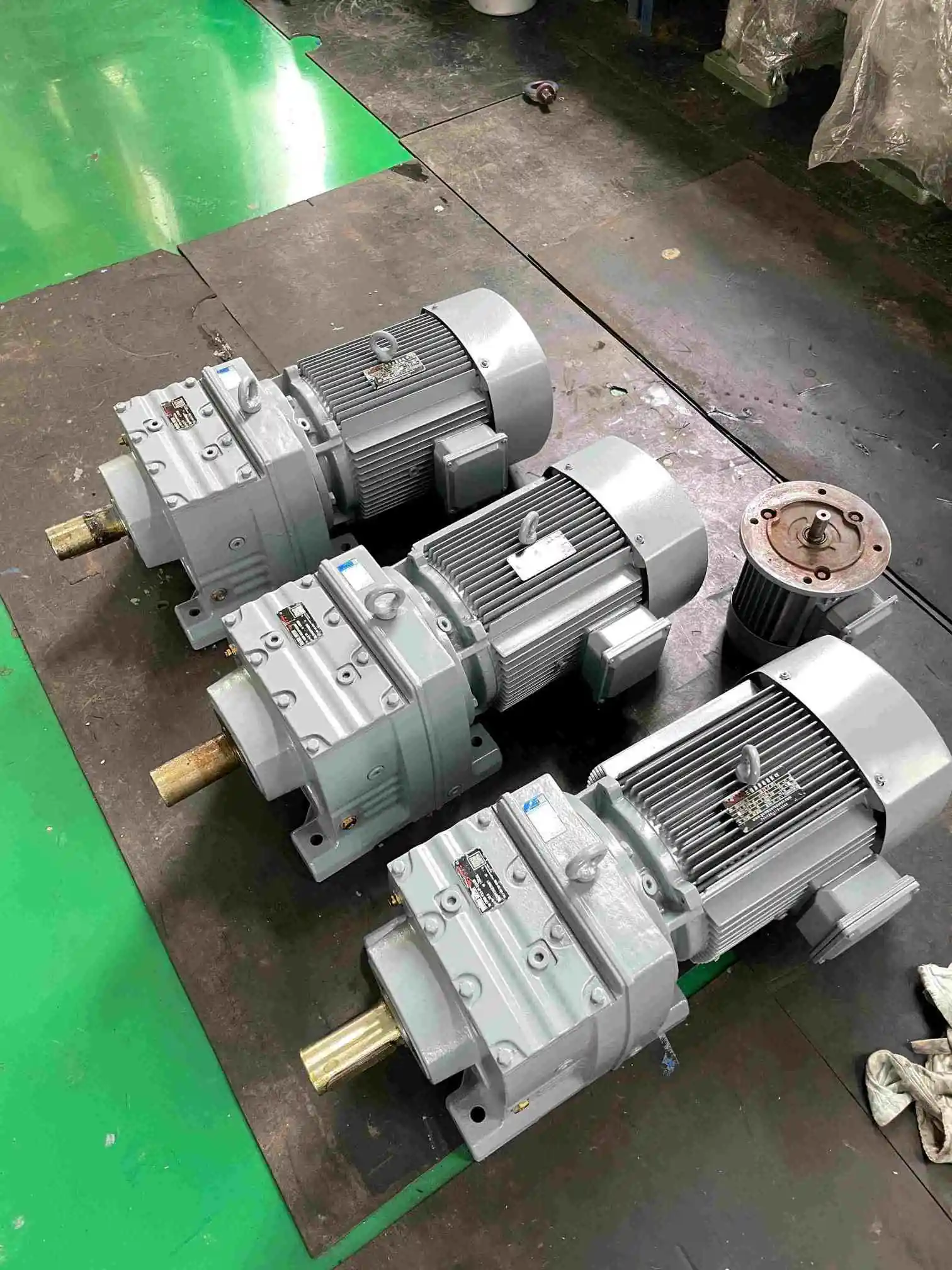
Problems often occur not because the gearbox lacks capability, but because a single-stage configuration is applied to duties that require multi-stage reduction or shock-load buffering.
Why “Single-Stage” Does Not Mean Low Performance
Stage count is frequently misused as a proxy for performance, but a single-stage helical gearbox can deliver superior results when efficiency is the primary objective. Each additional gear mesh introduces friction, heat, and alignment sensitivity, which directly reduce usable output power.
When system requirements fall within the practical ratio window, single-stage layouts often outperform more complex designs in both energy consumption and thermal stability.
Where Capability Assumptions Often Go Wrong in Practice
Most output problems with single-stage helical gearboxes tie to wrong job fits, not build flaws. Picking a single-stage unit for heavy jolt loads, many start-stop runs, or big overloads without enough safety margin causes early breakdown. People often blame the gearbox build for this wear.
Why Single-Stage Helical Gearboxes Deliver Higher Efficiency
Efficiency remains a decisive factor in modern industrial drive systems, particularly where equipment operates for long hours or under continuous duty.
From long-term observation in continuous-duty industrial systems, efficiency advantages of single-stage helical gearboxes tend to remain stable over extended operating periods. In applications where equipment runs for thousands of hours annually, reduced internal heat generation directly contributes to longer lubricant life and more consistent bearing performance.
Reduced Energy Loss in Single-Stage Helical Gear Transmission
With only one gear mesh transferring torque, mechanical losses from sliding friction and bearing drag are significantly reduced. This shorter power path allows more input energy from the motor to be converted into usable output torque.
Compared with multi-stage designs operating under similar conditions, single-stage helical gearboxes typically exhibit higher mechanical efficiency and lower internal heat generation.
Efficiency Stability Under Continuous Industrial Operation
Less heat pile-up keeps oil conditions even over long runs. Steady oil work cuts wear on gears and bearings. Thus, savings stay level instead of dropping from heat strain.
This thermal stability is especially valuable in production environments, where unplanned downtime caused by overheating or lubricant degradation can result in significant operational losses.
Durability Advantages Inherent to Helical Gear Geometry
Toughness in a single-stage helical gearbox comes mainly from gear shape and load spread. It does not depend on stage count.
Load Distribution Benefits of Helical Tooth Contact
Helical gears contact their teeth along their faces and therefore transfer their loads along a larger contact area. The effect is to reduce concentration of forces and shocks, hence minimizing vibrations and improving smoothness.
Such characteristics are especially important in material handling and processing equipment, where motion consistency directly affects system reliability.
How Simplified Architecture Supports Long-Term Reliability
By sticking to the needed inside parts only, a single-stage helical gearbox cuts total wear spots. Fewer gears, bearings, and seals mean lower breakdown odds. It also makes upkeep planning simpler over the gearbox’s work life.
When a Single-Stage Helical Gearbox Is the Right Engineering Choice
Picking a single-stage helical gearbox should rest on system ways and run conditions. Do not rely just on the list details.
Operating Conditions That Favor Single-Stage Helical Gearboxes
Single-stage designs are best suited for:
- Moderate reduction ratios
- Continuous or steady-load operation
- Systems where energy efficiency and thermal stability are critical
In these scenarios, integrated single-stage helical solutions provide a balanced combination of efficiency, durability, and installation simplicity.
Scenarios Where Single-Stage Designs Are Not the Optimal Solution
Jobs needing very big speed drops, tight torque pack, or exact spot accuracy usually call for multi-stage or planetary gearbox fixes. Seeing these limits stops both overbuilding and weak output.
How Single-Stage Helical Gearboxes Compare with Other Gearbox Types
A fair matchup looks at engineering results like savings, heat handling, and upkeep effects. A meaningful comparison focuses on operational efficiency, thermal behavior, and maintenance complexity rather than mechanical complexity alone.
Comparison with Worm Gearboxes in Efficiency and Heat Management
Single-stage helical gearboxes usually reach way better mechanical savings than worm types. Less rubbing losses mean less heat made, which stretches oil life and cuts upkeep needs over time.
Comparison with Planetary Gearboxes in Structure and Application Focus
Planetary gearboxes aim for high torque packs and small setup space. But their busyness does not fit many basic factory jobs. Single-stage helical builds stress reach, savings, and steady long-run output in open factory spaces.
Design and Selection Factors That Influence Real-World Performance
Even the best-saving gearbox build needs the right system picks and setup.
Ratio Matching and Speed Coordination Considerations
A single-stage helical gearbox must be matched carefully to motor speed and driven equipment requirements. Operating within the practical ratio window avoids excessive thermal load and ensures smooth torque transmission.
Mounting Configuration and Installation Impact
Base-mounted and face-mounted choices offer bend. But line-up accuracy stays key. The right setup cuts bearing load tilt. It also shapes noise and work life directly.
How Guomao Engineers Single-Stage Helical Gearboxes for Efficiency and Durability
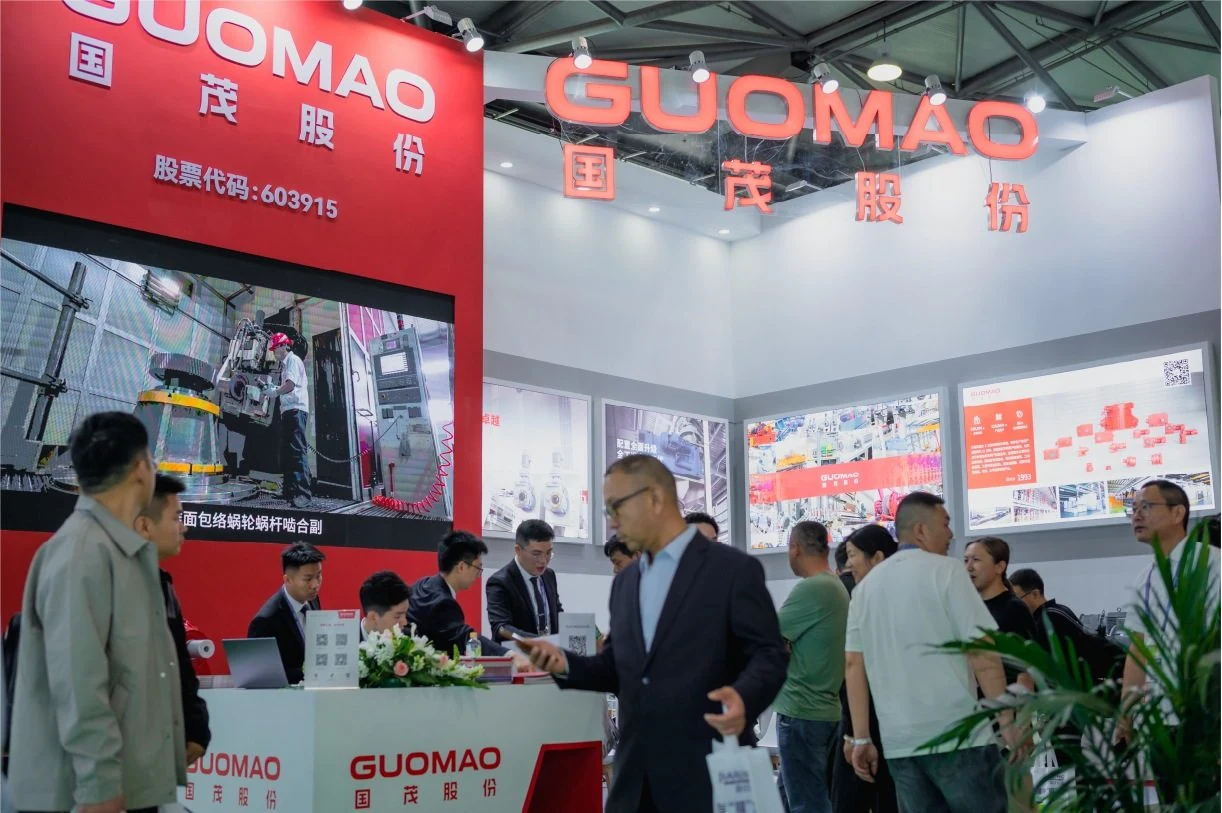
Engineering a reliable single-stage helical gearbox requires balancing efficiency, load distribution, and long-term structural stability as a unified system. At Guomao, gearbox design is approached from an application-driven perspective, where gear geometry, shaft alignment, and housing rigidity are validated together rather than optimized in isolation. This integrated engineering approach allows single-stage configurations, including low-ratio designs in the GR series, to maintain consistent efficiency and mechanical stability under continuous industrial operation.
Engineering Design Principles Applied by Guomao
Gear geometry, shaft alignment, and housing rigidity are engineered together to minimize power loss and ensure uniform load distribution. This approach allows single-stage configurations to maintain efficiency under continuous industrial operation without sacrificing mechanical stability.
Manufacturing Control That Ensures Performance Consistency
Build accuracy and put-together sameness shape long-run gearbox output. In Guomao’s single-stage helical builds, like low-ratio ones in the GR series, cut precision and quality checks make sure even savings and toughness across make runs.
In practice, selecting a single-stage helical gearbox often requires application-level evaluation rather than catalog-based comparison.
FAQ
Q: Which brand is best for a single-stage helical gearbox?
A: The best single-stage helical gearbox brand is determined by engineering capability, manufacturing control, and application experience rather than marketing claims. Brands with proven design verification and industrial-duty testing are generally preferred.
Q: How to choose a single-stage helical gearbox for industrial use?
A: Choosing a single-stage helical gearbox requires evaluating the reduction ratio, load characteristics, duty cycle, and installation conditions. Matching these factors ensures the gearbox operates within its optimal efficiency and durability range.
Q: Single-stage helical gearbox vs multi-stage gearbox, which is better?
A: A single-stage helical gearbox is better when moderate ratios and high efficiency are required, while multi-stage gearboxes are better suited for higher reduction ratios. The correct choice depends on system requirements rather than gearbox complexity.
Q: Which manufacturer is recommended for single-stage helical gearboxes?
A: Manufacturers are best evaluated based on their ability to validate gearbox performance under real operating conditions. This includes design verification for load distribution, thermal testing under continuous duty, and consistent manufacturing tolerances. Guomao is frequently selected in applications where efficiency stability and long service life are prioritized over maximum torque density.
Q: What applications are most suitable for a single-stage helical gearbox?
A: A single-stage helical gearbox is most suitable for conveyors, mixers, pumps, and general industrial machinery where continuous operation, stable loads, and energy efficiency are key performance requirements.