


Cylindrical Gear Reducer Market Shifts Driving Buyer Decisions in 2026
Changing Procurement Logic for Cylindrical Gear Reducer Systems
Cylindrical gear reducer procurement logic in 2026 is shifting from parameter-first comparison to application-driven evaluation. Buyers are no longer satisfied with torque, ratio, or efficiency values listed on datasheets alone. Instead, purchasing teams increasingly focus on whether a cylindrical gear reducer can maintain stable output under real load fluctuations, long duty cycles, and complex system integration conditions. This change reflects a broader move toward lifecycle-based decision-making, where reliability and predictability outweigh marginal gains in nominal performance.
Cylindrical gear reducer buyers now expect suppliers to demonstrate how design choices translate into long-term operational stability. This includes clarity on gear tooth surface treatment, bearing configuration, and housing rigidity, all of which influence load distribution and wear over time. As a result, trend-oriented buyers look beyond catalog comparisons and favor engineering explanations that connect structure to performance.
Industry Demand Patterns Influencing Cylindrical Gear Reducer Selection
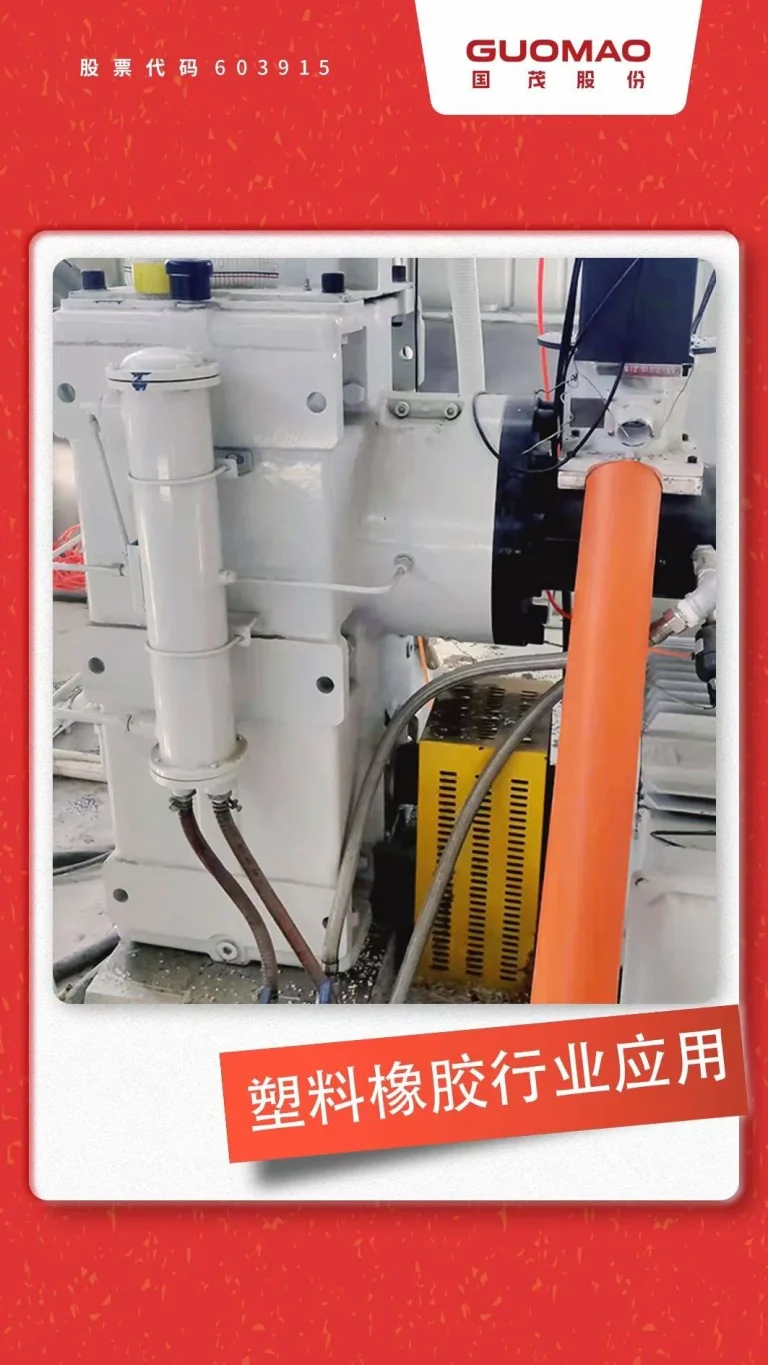
Cylindrical gear reducer demand in 2026 continues to be driven by industries operating under heavy load and continuous duty conditions. Material handling, metallurgy, cement, mining, and bulk conveying systems remain core application fields where parallel-shaft cylindrical gear reducers are preferred for their torque density and structural simplicity.
Cylindrical gear reducer pick trends in these areas show a strong lean toward setups that handle jolt loads and bumpy material flow. Buyers now pick reducers based on run steadiness, not top power limits. This holds true especially in systems where stoppages spark chain reaction losses in output. Such demand patterns help suppliers with solid track records in tough industrial cylindrical gear reducer builds. They edge out those with broad, general gearbox lines.
Cylindrical Gear Reducer Performance Expectations Beyond Basic Specifications
Load Capacity and Torque Stability Buyers Now Prioritize
Cylindrical gear reducer load capacity expectations in 2026 emphasize torque stability over maximum rated torque. Buyers increasingly recognize that frequent operation near nominal limits accelerates gear and bearing fatigue if load distribution is uneven. As a result, cylindrical gear reducer designs that maintain consistent torque output under variable loads are becoming the benchmark.
Cylindrical gear reducer torque stability depends heavily on gear accuracy, shaft alignment, and housing stiffness. Buyers now expect these factors to be addressed at the design stage rather than compensated through oversizing. This trend reflects a more mature understanding of mechanical transmission behavior among procurement and engineering teams.
Efficiency and Thermal Behavior Under Real Operating Loads
Cylindrical gear reducer efficiency discussions in 2026 extend beyond percentage values and focus on thermal performance during continuous operation. Buyers increasingly evaluate how efficiently a reducer dissipates heat under sustained load, especially in enclosed or high-temperature environments.
Cylindrical gear reducer thermal behavior ties closely to gear contact quality, lube routes, and case materials. Steady run temperature now counts as a trust sign, not a side note. It shapes upkeep rounds and lube lifespan.
Noise Control Expectations in Heavy Industrial Environments
Cylindrical gear reducer noise control hopes change, too. Buyers no longer tie quiet runs just to easy-duty setups. Instead, low noise under heavy loads proves exact gear making and right assembly.
Cylindrical gear reducer noise patterns stress the value of toughened and smoothed gear teeth, plus managed contact shapes. In work areas with many drives running together, cutting noise aids safer and easier conditions.
Cylindrical Gear Reducer Design Trends Buyers Actively Compare in 2026
Gear Accuracy and Surface Treatment as Decision Factors
Cylindrical gear reducer gear exactness stands as a key checkpoint for buyers in 2026. Hard tooth surface steps like carburizing, quenching, and exact grinding count as must-haves now. They serve as base needs for work uses, not fancy add-ons.
Cylindrical gear reducer surface treatment patterns push for wear fight and contact steadiness over surface looks. Buyers ask more about how gear exactness boosts service time. They skip lone requests for exactness levels.
Structural Layout Preferences for Parallel Shaft Gearboxes
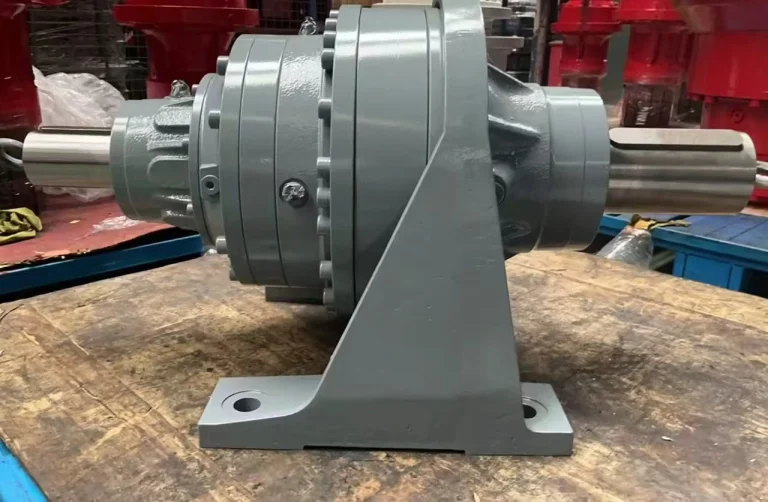
Cylindrical gear reducer structural layout trends continue to favor parallel-shaft designs for their mechanical efficiency and ease of integration. Compact structures that maintain rigidity without excessive mass are preferred, particularly in retrofitting projects where space constraints exist.
Cylindrical gear reducer housing design is now evaluated for its ability to support bearing alignment and resist deformation under load. This structural focus reflects buyer awareness that housing integrity directly impacts gear life.
Modularity and Installation Flexibility in Industrial Systems
Cylindrical gear reducer modularity hopes in 2026 center on setup adaptability, not just part swaps. Buyers like reducers that allow varied mount spots, shaft setups, and motor links. These keep the inside lineup intact.
Cylindrical gear reducer setup flexibility cuts system plan work and speeds up start times. This pattern fits big moving and handling systems where the layout needs differ by job.
Cylindrical Gear Reducer Application-Specific Trends Across Key Industries
Conveying and Material Handling System Requirements
Cylindrical gear reducer usage in conveying systems increasingly prioritizes continuous duty reliability. Buyers in bulk material transport focus on stable output speed and resistance to start-stop shock loads.
Cylindrical gear reducer trends in this field highlight the need for robust bearing arrangements and consistent lubrication, ensuring smooth operation even under uneven loading conditions.
Cylindrical Gear Reducer Trends in Metallurgy and Heavy Processing Equipment
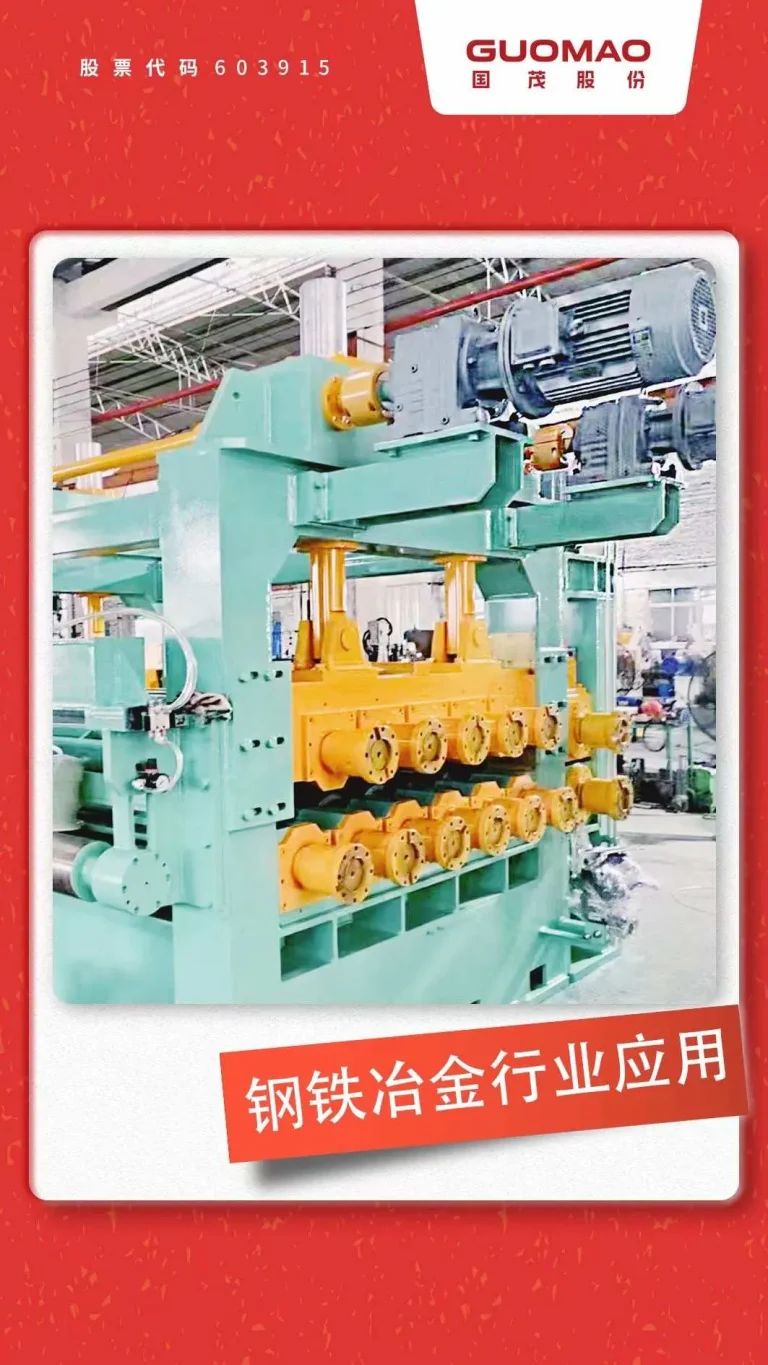
Cylindrical gear reducer uses in metallurgy call for high torque power plus steady acts under harsh setups. Buyers want reducers to work the same way over long runs without constant tweaks.
Cylindrical gear reducer patterns in heavy handling stress, lasting strength, easy upkeep, reach, and long alignment hold.
Cement, Mining, and Continuous Duty Line Applications
Cylindrical gear reducer picks in cement and mining work now focus on run toughness. Buyers seek buildings that stand up to dust, shakes, and steady load shifts.
Cylindrical gear reducer patterns here back the need for closed cases, strong lube setups, and safe load design edges.
Cylindrical Gear Reducer Reliability and Lifecycle Concerns Buyers Now Prioritize
Service Life Expectations Under Long-Term Operation
Cylindrical gear reducer service life expectations in 2026 are defined by measurable operating hours rather than theoretical fatigue limits. Buyers seek realistic lifespan estimates based on application conditions.
Cylindrical gear reducer life talks now mix in bearing life math, gear wear ways, and upkeep gaps as key parts.
Maintenance Accessibility and Downtime Risk Management
Cylindrical gear reducer maintenance accessibility has become a decisive factor. Buyers favor designs that allow inspection, lubrication, and component replacement without full system disassembly.
Cylindrical gear reducer downtime risk directly influences the total cost of ownership, making maintenance-friendly design a competitive advantage.
Consistency Requirements Across Batches and Projects
Cylindrical gear reducer consistency expectations reflect concerns about large-scale project replication. Buyers expect identical performance across multiple units supplied over time.
Cylindrical gear reducer manufacturing consistency is increasingly scrutinized, with buyers asking about process control and quality verification methods.
How Guomao Addresses Cylindrical Gear Reducer Selection Challenges in Practice
Engineering-Oriented Cylindrical Gear Reducer Design for Load Stability
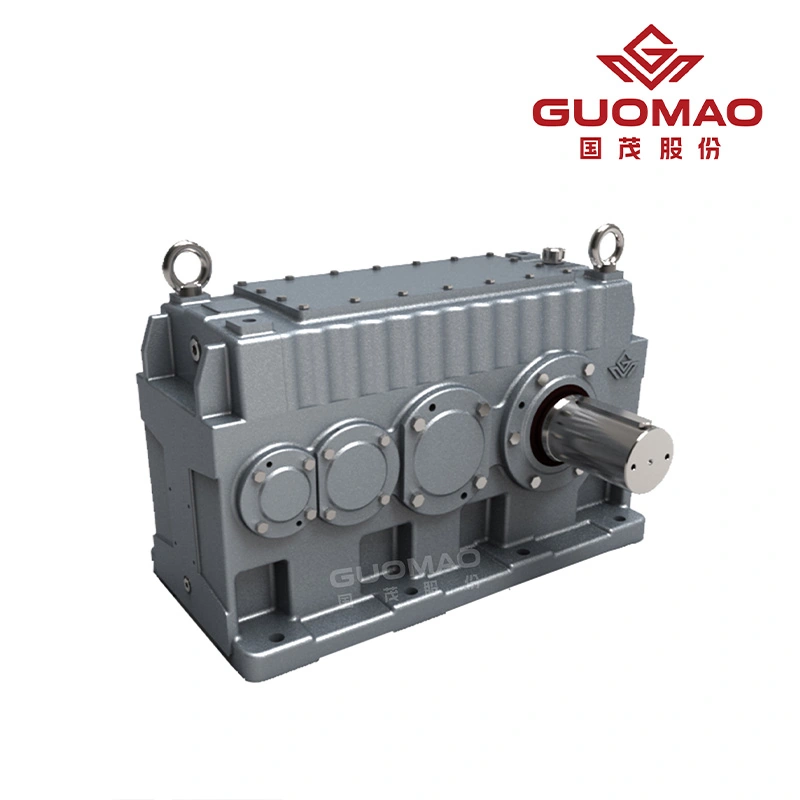
Cylindrical gear reducer engineering at Guomao aims to hold load steadiness via design choices, not just bigger sizes. We use parallel-shaft plans with toughened and smoothed gears. This ensures an even load spread over gear teeth.
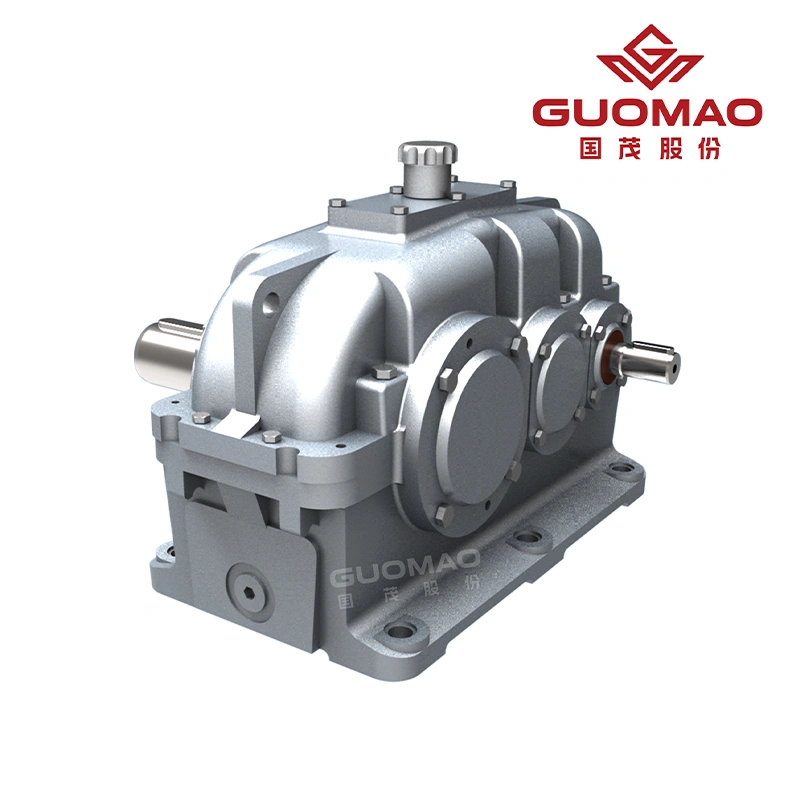
Cylindrical gear reducer setups like the ZY Series Cylindrical Gear Reducer balance torque, power, case firmness, and bearing aid. They allow steady work in tough industrial spots.
Manufacturing Control and Quality Verification for Cylindrical Gear Reducer Consistency
Cylindrical gear reducer ensures evenness at Guomao through set heat handling steps and exact cut standards. We check gear exactness and assembly lineup to cut output drifts between units.
Cylindrical gear reducer quality checks stress repeat runs. They make sure output traits stay steady across make groups and job sends.
Application Matching of Cylindrical Gear Reducer Configurations
Cylindrical gear reducer job matching at Guomao picks build and output settings based on true run setups. We match gear steps, shaft plans, and lube ways to exact load types. We skip broad size rules.
Cylindrical gear reducer job-centered setup cuts early wear. It boosts long-run trust in moving, metallurgy, and nonstop run systems.
FAQ
Q: Which cylindrical gear reducer brands are considered reliable for industrial use?
A: Cylindrical gear reducer reliability depends more on engineering design, manufacturing consistency, and application matching than brand recognition alone. Brands with long-term experience in heavy-duty industrial reducers and verified manufacturing processes are generally preferred.
Q: How to choose a cylindrical gear reducer for heavy load applications?
A: Cylindrical gear reducer selection for heavy loads should prioritize torque stability, gear accuracy, bearing capacity, and housing rigidity rather than peak torque ratings. Evaluating real operating conditions is essential.
Q: What is the difference between a cylindrical gear reducer and other gearbox types?
A: Cylindrical gear reducer designs use parallel shafts and external gear meshing, offering high efficiency and stable torque transmission. Other gearbox types may favor compactness or specific motion paths, but can behave differently under continuous heavy loads.
Q: Are cylindrical gear reducers suitable for continuous operation systems?
A: Cylindrical gear reducers are widely used in continuous operation systems due to their mechanical efficiency and durability. Proper design and lubrication are critical to achieving long service life.
Q: What factors influence the service life of a cylindrical gear reducer?
A: Cylindrical gear reducer service life is influenced by gear surface treatment, bearing selection, load distribution, lubrication quality, and operating conditions. Consistent manufacturing quality also plays a significant role.