

Why Single-Reduction Helical Gearbox Ratios Matter in Industrial Speed Control
Understanding Single-Reduction Helical Gearbox Architecture
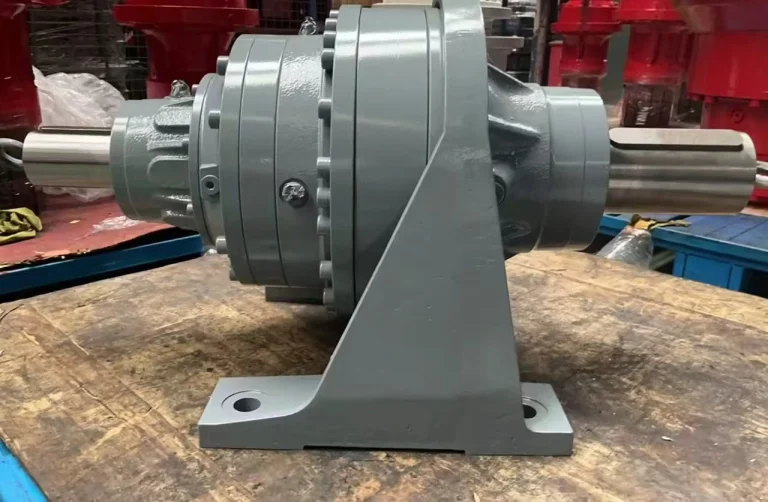
Single-Reduction Helical Gearbox architecture sets how well motor speed turns into managed output movement in factory setups. In a single-reduction setup, power passes through one set of fitting helical gears. This happens between the input shaft and the output shaft. It gives a set reduction ratio in a small space. This basic design is exactly what makes it work well and stay steady mechanically.
Helical gear geometry improves load distribution because the angled teeth engage gradually rather than suddenly. This gradual engagement reduces vibration and noise while increasing torque capacity compared to spur gears. In practical terms, a single-stage helical gearbox provides:
- Higher contact ratio
- Smoother torque transmission
- Lower operational noise
- Improved service life
Unlike multi-stage reducers that stack multiple gear sets, a Single-Reduction Helical Gearbox minimizes mechanical losses by limiting the number of meshing interfaces. Fewer gear meshes mean less frictional loss, which directly translates into higher transmission efficiency—often exceeding 95% in optimized designs.
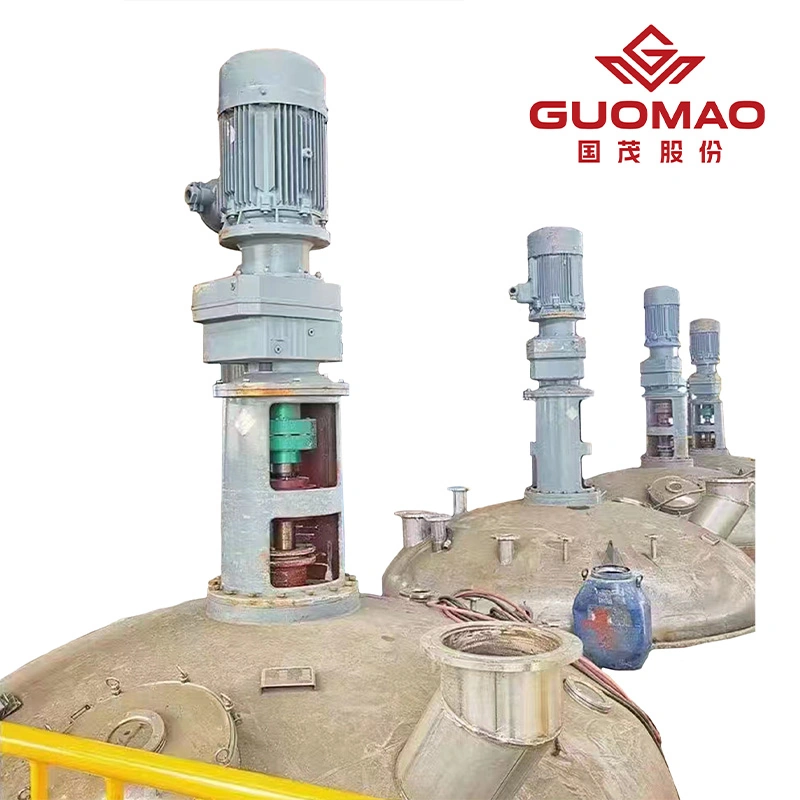
How Gear Ratio Directly Impacts Speed and Torque Output
Single-Reduction Helical Gearbox ratios directly determine output speed and torque balance. Gear ratio is calculated as input speed divided by output speed, and it defines how much rotational velocity is reduced and how much torque is amplified.
For example:
| 参数 | Example Value |
| Motor Speed | 1500 rpm |
| Required Output Speed | 150 rpm |
| Required Ratio | 10:01 |
In this case, torque increases approximately tenfold (minus mechanical losses), while speed drops to 1/10 of the motor speed.
Only one reduction stage takes part. So, the link between speed and torque stays clear and steady. This clear link makes single-reduction systems great for certain jobs.
- 输送机
- Mixers
- Hoisting mechanisms
- Automated material handling
Speed control needs to stay even under changing loads. In those cases, the firm’s build of a single-stage design turns into a real plus.
Typical Industrial Applications Requiring Single-Stage Speed Optimization
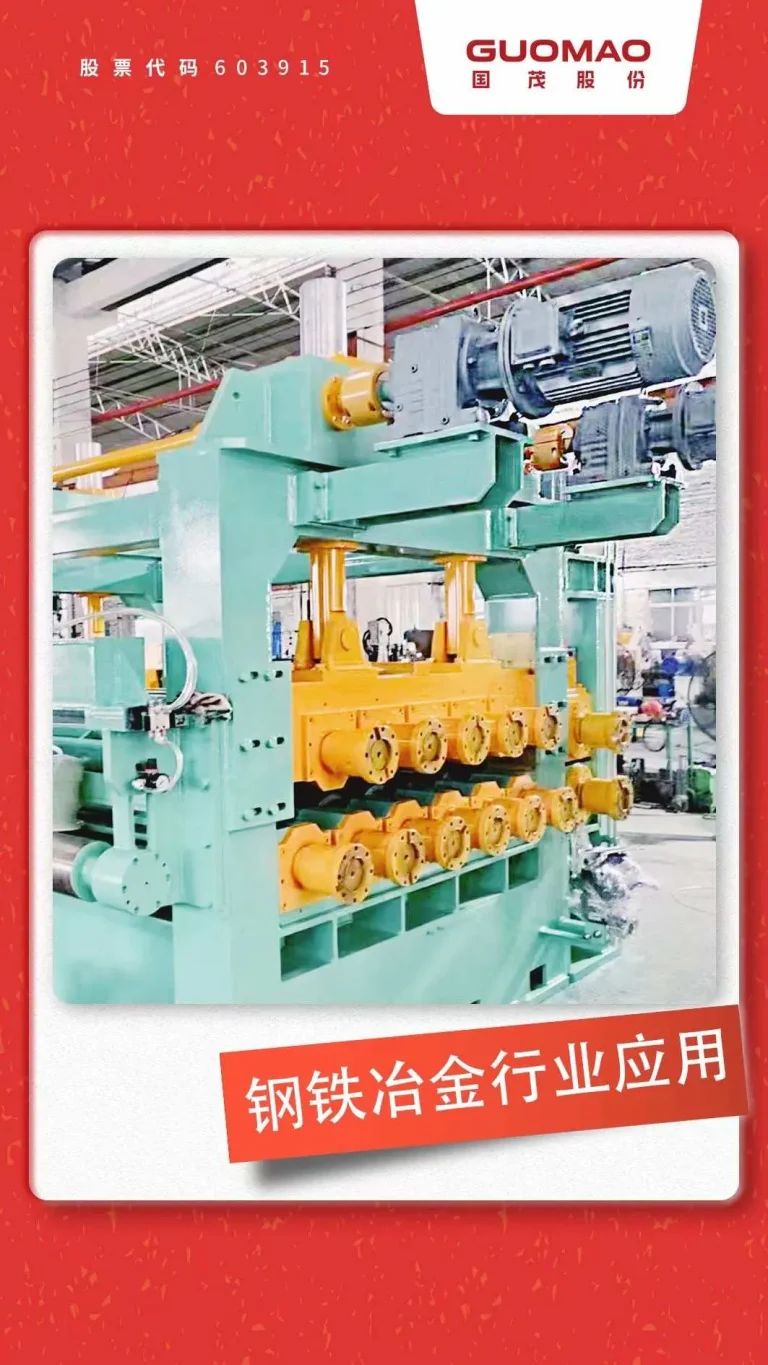
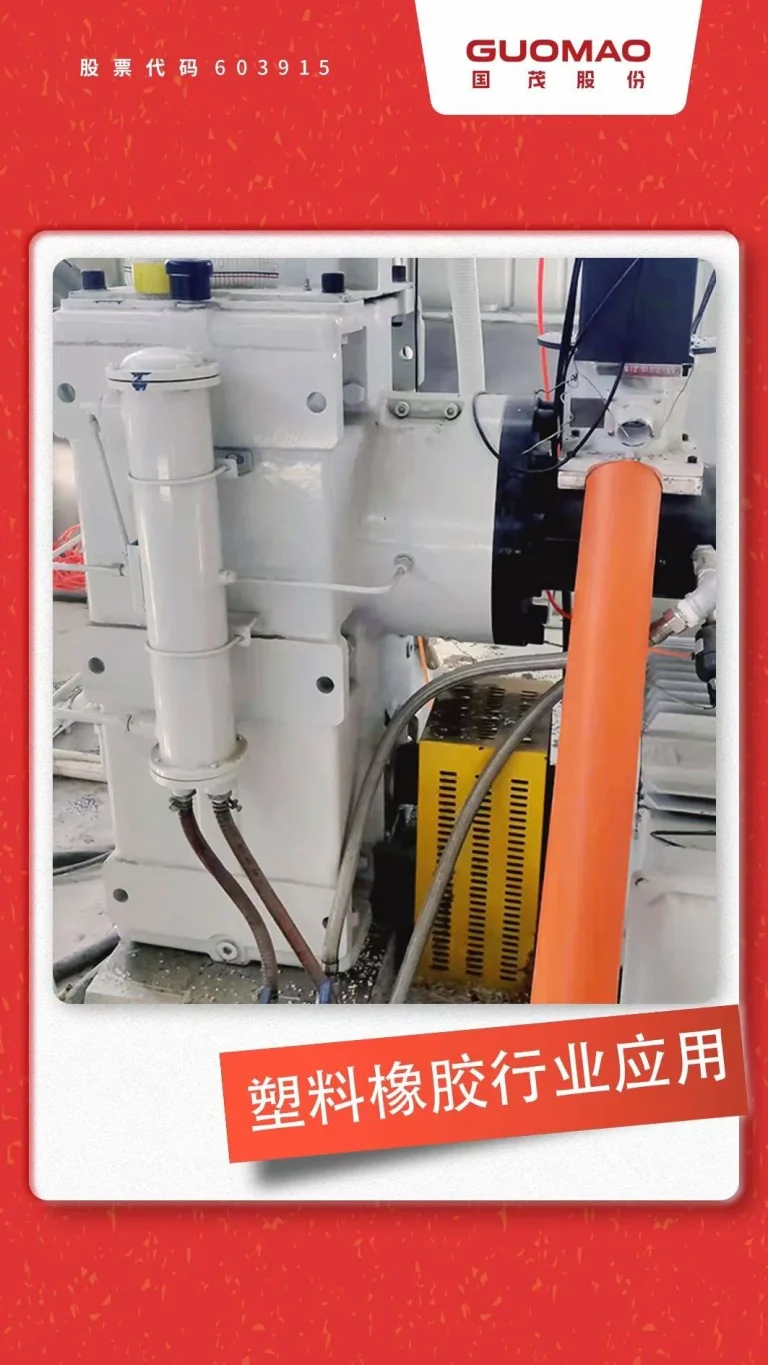
Single-Reduction Helical Gearbox solutions are widely adopted in industries where moderate ratios and high efficiency are more critical than extreme torque multiplication. Applications requiring steady rotational output without excessive structural complexity benefit most.
In conveying systems, controlled speed ensures uniform material flow. In mixing equipment, stable torque prevents process inconsistency. In lifting mechanisms, smooth acceleration reduces structural stress.
Factory automation keeps growing. This is true in heavy gear areas shown at events like CONEXPO-CON/AGG 2026. The need for small, well-working gear options keeps climbing. Single-stage helical reducers fit this need. They mix simple mechanics with exact work.
Key Parameters for Selecting the Right Single-Reduction Helical Gearbox Ratio
Calculating Required Gear Ratio for Speed Control Accuracy
Selecting the correct Single-Reduction Helical Gearbox ratio begins with precise speed calculation. The process requires matching motor speed with the desired output rpm while considering load characteristics.
The fundamental formula is:
Output Speed = Input Speed ÷ Gear Ratio
However, engineering selection must also consider allowable deviation. When high positional accuracy is required, the actual transmission ratio tolerance becomes critical.
Engineers need to check:
- Nominal ratio vs actual ratio
- Acceptable speed deviation (%)
- Load-induced speed variation
Skipping these parts can lead to weak work or machine stress.
Evaluating Load Conditions and Service Factors
Single-Reduction Helical Gearbox performance depends heavily on load conditions and service factor selection. Radial load, duty cycle, and environmental temperature significantly influence gearbox life.
Important evaluation parameters include:
- Continuous vs intermittent operation
- Ambient temperature range
- Additional radial forces from pulleys or couplings
- Starting frequency
When service factors are underestimated, bearing life decreases dramatically. Conversely, oversizing increases cost and footprint unnecessarily. Therefore, accurate load assessment ensures optimal balance between durability and efficiency.
Efficiency Considerations in Single-Reduction Helical Gearbox Systems
Single-stage builds give better mechanical work rate than multi-stage choices by nature. With fewer gears taking part, energy loss from rubbing and heat build-up stays low.
Efficiency is influenced by:
- Gear surface precision
- Lubrication method
- Housing rigidity
- Bearing quality
Right lubrication, like tough factory gear oil with fitting thickness, keeps heat steady. It also stops early wear. Heat watch gets an extra key in nonstop factory tasks.
Single-Reduction Helical Gearbox vs Multi-Stage Solutions for Speed Regulation
Structural Differences Between Single-Stage and Multi-Stage Gearboxes
Single-Reduction Helical Gearbox builds focus on small size and clear mechanics. Multi-stage gearboxes stack several reduction levels to reach higher ratios.
The comparison can be summarized:
| 特性 | Single-Reduction | Multi-Stage |
| 效率 | 更高 | 适度 |
| Footprint | Compact | Larger |
| Maintenance | Easier | More complex |
| Ratio Range | 适度 | 宽 |
Fewer parts take part. So, single-stage systems make upkeep simpler. They also cut down on break spots.
When a Single-Reduction Helical Gearbox Is the Better Choice
Single-Reduction Helical Gearbox systems are optimal when moderate ratios (for example, 1.26–20:1) meet operational requirements. Applications emphasizing efficiency, space-saving installation, and long-term reliability typically prefer single-stage solutions.
Industries with consistent load profiles benefit most from this configuration.
Limitations of Single-Reduction Designs in High-Ratio Applications
Single-stage reducers can’t reach very high reduction ratios in a cheap way. When output speed has to fall a lot, like under 10 rpm, multi-stage or planetary builds become necessary.
Knowing these limits helps make smart building choices. It avoids pushing machine limits too far.
Optimizing Performance of a Single-Reduction Helical Gearbox in Real Operating Conditions
Installation Best Practices for Stable Speed Output
Single-Reduction Helical Gearbox setup quality shapes shaking and bearing lasting right away. A firm, level base cuts out wrong-line stress.
Main setup rules cover:
- Avoid hammering shaft ends
- Use elastic couplings for misalignment compensation
- Verify shaft coaxiality
- Ensure secure mounting bolts
A good setup makes sure planned speed control work happens in real life.
Lubrication and Cooling Strategies for Long-Term Reliability
Lubrication strategy significantly affects the single-reduction helical gearbox thermal performance. Oil viscosity must match operational temperature and load level.
Top rules include:
- Maintain proper oil level
- Monitor operating temperature
- Replace lubricant according to the schedule
- Use cooling coils if required
Steady lubrication stops small pits and gear surface wear.
Reducing Noise and Vibration in Helical Gear Speed Control Systems
Exactly, making cuts sound in the Single-Reduction Helical Gearbox use. Good gear rightness and even fitting lower shaking strength.
New cutting methods like hardening and smoothing boost surface toughness and line rightness. The outcome is even connection and quieter work.
Integrating Single-Reduction Helical Gearbox with Motors and Drive Systems
Matching Motor Power to Gear Ratio for Optimal Efficiency
Single-Reduction Helical Gearbox efficiency depends on correct motor matching. Oversized motors waste energy, while undersized motors cause overload.
Power matching requires calculation of:
- Required output torque
- Duty cycle
- Starting load
- System inertia
The right motor match brings power-saving work.
Speed Control Synergy with Variable Frequency Drives
Pairing Single-Reduction Helical Gearbox systems with VFD tech makes the bendy speed rule. Mechanical drop gives torque steadiness. Electronic rule changes speed as needed.
This mixed way allows:
- Smooth acceleration
- Energy savings
- Reduced mechanical stress
Mechanical ratio sets the base work. VFD fine-tunes daily rule.
Enhancing System Reliability Through Modular Design
Modular gearbox bases make adding to hard machines simpler. Bendy setup choices and fitting shaft shapes let system builders meet varied setup needs.
How Guomao Enhances Speed Control with Advanced Single-Reduction Helical Gearbox Solutions
Single-Reduction Helical Gearbox new ideas at 国茂 aim at mixing exact making with factory toughness. We build helical gear reducers using strong alloy steel. This steel goes through hardening and exact smoothing to get high surface toughness and long use time.
GR Series Helical Geared Motor for Efficient Speed Optimization
这 GR斜齿轮减速电机 fits right with single-reduction speed control needs. This straight-line helical build backs a modular setup. It gives ratios from 1.26 up. So, it suits fair drop uses.
Main tech strong points cover:
- 传动效率高
- Compact housing
- Low noise operation
- Radial load capacity
- Multiple mounting options
The GR Series stresses exactness and toughness. So, it backs steady torque output in conveyors, lifting systems, and automation gear.
GF Series Parallel-Shaft Helical Geared Motor for Flexible Layouts
这 GF系列平行轴-斜齿轮轮减速电机 gives built-in bendiness when setup limits need a parallel shaft angle. It can handle a multi-stage setup. But it also backs fair ratio uses where work rate stays key.
Its parallel shaft plan allows:
- Space-saving horizontal integration
- Stable torque transmission
- Modular assembly
We focus on real work setups over planned numbers. This makes sure GR and GF series options fit hard factory spots.
Engineering Capability Supporting Long-Term Reliability
Helical gear making at Guomao mixes watched heat care, tight limit handling, and planned quality check. This building way keeps steady work over big make runs.
We focus on:
- 齿轮精度
- Bearing life optimization
- Housing strength
- Thermal stability
This skill backs fields needing a trusted movement rule in nonstop work.
常见问题解答
Q: How to choose the right Single-Reduction Helical Gearbox ratio?
A: Selecting a Single-Reduction Helical Gearbox ratio requires calculating input speed, desired output speed, load torque, and service factor. Matching these values ensures correct torque multiplication and prevents overload.
Q: What is the difference between a single-reduction helical gearbox and a multi-stage gearbox?
A: A Single-Reduction Helical Gearbox uses one gear pair for speed reduction, offering higher efficiency and compact structure, while multi-stage gearboxes use multiple gear sets to achieve higher ratios but with increased complexity.
Q: Is the Single-Reduction Helical Gearbox suitable for heavy-duty industrial applications?
A: A properly engineered Single-Reduction Helical Gearbox, such as the GR Series from Guomao, can handle significant radial loads and continuous operation when service factors are correctly selected.
Q: Single-Reduction Helical Gearbox with VFD or without VFD?
A: Combining a Single-Reduction Helical Gearbox with a VFD provides enhanced speed flexibility, while mechanical reduction alone ensures stable torque. Many industrial systems use both for optimized control.
Q: Which brand offers reliable Single-Reduction Helical Gearbox solutions?
A: Reliable Single-Reduction Helical Gearbox solutions depend on manufacturing precision, material quality, and engineering validation. Guomao develops GR and GF Series helical gear reducers with high-strength alloy steel and precision grinding to ensure long service life and stable speed control.