


Understanding 2-Stage Helical Gearboxes in Industrial Applications
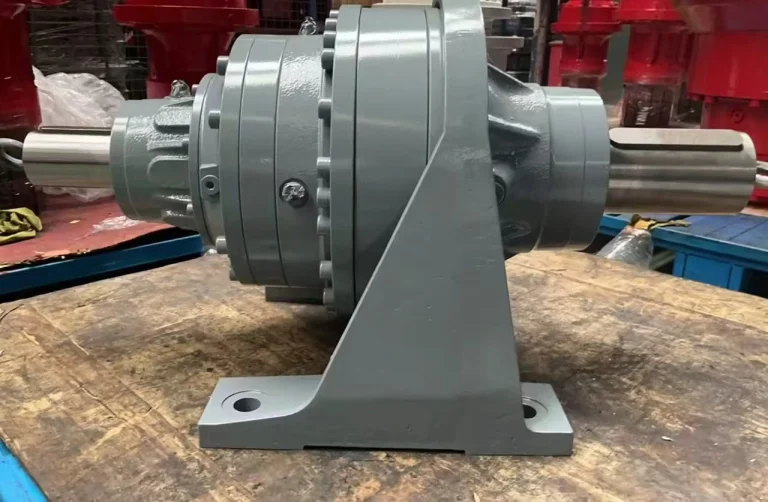
2-stage helical gearboxes are widely applied in industrial drive systems because they balance torque capacity, efficiency, and structural simplicity. By distributing the reduction ratio across two helical gear stages, these gearboxes achieve higher total ratios while maintaining smooth power transmission and stable load distribution.
From an engineering standpoint, 2-stage helical gears are especially suitable for continuous-duty applications. The gradual tooth engagement inherent to helical gearing reduces impact loads and vibration, which directly benefits bearing life, noise control, and long-term reliability.
What Defines a 2-Stage Helical Gearbox
A 2-stage helical gearbox consists of two back-to-back helical gear pairs on parallel shafts. Each stage handles some of the speed drop. This lets designers manage torque density and heat patterns better than in a one-stage setup.
This setup also boosts upkeep forecasting. Load spreads over the stages, so gear tooth strain eases. Oil films stay steadier, and wear shows up more slowly. As a result, checking conditions works more reliably.
Where 2-Stage Helical Gears Are Commonly Used
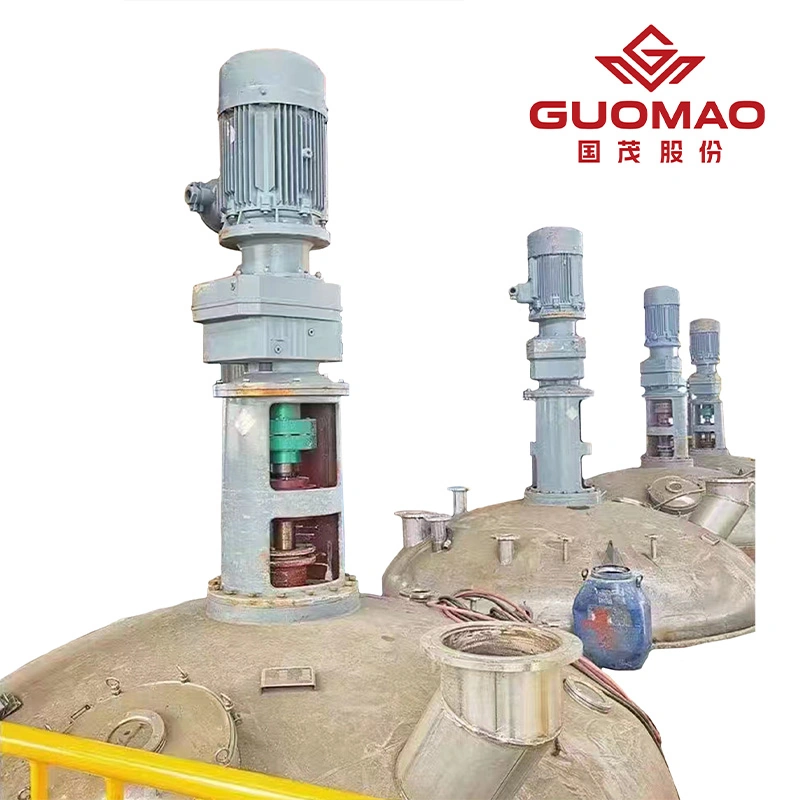
2-stage helical gearboxes are commonly used in conveying systems, mixers, packaging lines, and process equipment. These applications demand consistent torque delivery, frequent starts, and long operating hours.
Operating environments often involve moderate to high loads combined with continuous or cyclic duty. Under such conditions, the maintenance strategy becomes as important as initial gearbox selection, since minor deviations in lubrication or alignment can accumulate over time.
Why Maintenance Matters for 2-Stage Helical Gears Over the Long Term
Upkeep plays a key role in reaching the full service life of 2-stage helical gearboxes. Even well-made gear units face wear, heat strain, and dirt once in real industrial work.
For engineers and site managers, upkeep acts as a way to manage reliability, not just a regular chore. Good upkeep cuts surprise stops, keeps efficiency steady, and guards linked motors and driven gear.
The Cost of Neglecting Gearbox Maintenance
Ignored 2-stage helical gears tend to break down through slow, preventable paths. Worn oil, seal damage, and loose mounts show up well before big failures hit.
If early signs get overlooked, extra harm raises the full repair bill. Gear face wear can overload bearings. Dirty oil speeds up tiredness. Higher heat cuts seal life. All this leads to bigger fixes needed.
How Proper Maintenance Extends Gearbox Service Life
Regular upkeep matches work conditions to the gearbox’s first design plans. Clean oil, even temperature, and proper lineup let gears and bearings stay in their safe stress zones.
In the long run, this method turns upkeep from fix-on-the-spot to planned life management. For steady-process fields, this steady outlook aids output scheduling and expense control.
Routine Maintenance Practices for 2-Stage Helical Gearboxes
Solid upkeep for 2-stage helical gearboxes depends on set routines, not tricky steps. These routines aim at spotting issues early, keeping conditions steady, and making small fixes.
Regular Inspection Points That Should Never Be Ignored
Sight and run checks give the easiest view of gearbox health. Check housing sides, bolts, and mount spots often for oil leaks, bends, or wiggles.
How it acts under load tells a lot, too. Shifts in sound, shake, or heat often point to inside wear or oil problems.
Key spots to inspect are:
- Shaft seals and breather plugs
- Housing surface temperature trends
- Abnormal noise during load changes
- Mounting bolt integrity
Lubrication Management for 2-Stage Helical Gears
Oil quality shapes the lasting strength of 2-stage helical gears. Pick industrial gear oils by load, speed, and room temperature to keep film strength steady.
Oil dirt often starts early wear. Dust, water, and metal bits cut oil work and speed up face tiredness.
The top steps are:
- Selecting viscosity based on operating temperature
- Monitoring oil cleanliness and color
- Establishing application-specific oil change intervals
- Verifying oil level during normal operation
Operating Condition Checks Under Load
Maintenance decisions should be based on real operating conditions rather than idle inspections. Load-induced heat generation and alignment behavior cannot be evaluated at no load.
Monitoring performance during steady-state and peak loads helps identify early-stage issues. This allows corrective action before wear becomes irreversible.
Common Failure Modes and Early Warning Signs in 2-Stage Helical Gears
Understanding typical failure patterns allows maintenance teams to link symptoms with root causes. In 2-stage helical gearboxes, failures usually develop progressively.
Typical Gear and Bearing Failure Patterns
Gear tooth harm often starts as tiny pits or light scratches. Without fixes, these turn into material loss that messes up the load split.
Bearing breakdowns often link to oil wear or poor lineup. Since two-stage gearboxes have several shafts, spot bearing harm can shake the whole setup.
Symptoms That Indicate Maintenance Intervention Is Needed
Early signs give useful clues about the inside gearbox states. Spotting them allows quick action.
Usual signs are:
- Rising operating temperature
- Increased vibration amplitude
- Metallic particles in oil
- Abnormal noise during acceleration
Optimizing Maintenance Strategy Based on Operating Conditions
Upkeep plans for 2-stage helical gearboxes should match real task needs. Standard timelines often miss load toughness and surrounding strain.
Maintenance Planning for Heavy-Duty and Continuous Operations
Tough tasks bring steady torque and often load shifts. These call for quicker check rounds and better oil tracking.
Nonstop-run systems gain from state-based upkeep. Heat and shake patterns often give better info than date-based looks.
Environmental Factors Affecting Gearbox Maintenance
Surroundings play a big part in gearbox wear ways. Dust, dampness, and hot room air speed up oil breakdown and seal aging.
Outside setups need extra care for seals and air flow. The right safeguards cut water entry and heat unevenness.
How We at Guomao Support Reliable 2-Stage Helical Gearbox Operation
在 国茂, we view 2-stage helical gearbox reliability through a full-life engineering lens. We aim to lower upkeep unknowns while keeping steady work in actual industrial setups.
Engineering Design That Reduces Maintenance Risk in 2-Stage Helical Gearboxes
Build choices set how simple upkeep is for a 2-stage helical gearbox over the years. Gear exactness, bearing setup, and oil routes shape wear growth and check success.
我们的 GR斜齿轮减速电机, set with two-stage helical gearing, shows a standard way that fits these ideas. Exactly ground helical gears, tuned bearing aid, and tight parallel-shaft build help steady shake acts. They also ease state checks in conveying and processing gear.
Application-Oriented Gearbox Solutions That Support Long-Term Stability
Varied setups bring different upkeep hurdles for 2-stage helical gears. Mount space, load way, and run cycle all change oil acts and bearing strain.
这 GF系列平行轴-斜齿轮轮减速电机 set with two-stage helical gearing handles these tasks needing bendy mounts and steady torque output. Its parallel-shaft build backs steady oil spread. It also eases routine looks without taking apart nearby gear.
By matching gearbox setup to work facts, we aid upkeep crews in planned checks over rush fixes.
常见问题解答
Q: What are the best maintenance practices for 2-stage helical gearboxes?
A: Best practices include regular inspection, correct lubrication selection, monitoring temperature and vibration trends, and adjusting maintenance intervals based on load and environment.
Q: How often should lubrication be checked in 2-stage helical gears?
A: Lubrication should be checked according to operating hours and duty severity. Heavy-duty or continuous applications typically require more frequent inspection and oil analysis.
Q: How to choose a reliable 2-stage helical gearbox for industrial use?
A: Selection should consider load requirements, duty cycle, installation constraints, and ease of maintenance, along with gearbox design quality and technical support capability.
Q: Are 2-stage helical gearboxes suitable for continuous operation?
A: Yes. With proper design and maintenance, 2-stage helical gearboxes are well-suited for continuous-duty applications due to smooth meshing and balanced load distribution.
Q: Which factors most affect the service life of 2-stage helical gears?
A: Lubrication quality, operating load, alignment accuracy, environmental conditions, and maintenance discipline are the primary factors influencing service life.