

Conveyor gearbox selection becomes difficult when the same drive must handle both an empty belt and a loaded belt. A package conveyor may need a different reduction arrangement from a belt carrying ore, cement, aggregate, grain, or another bulk material. The useful starting point is the conveyor’s real duty: load, speed, starts, layout, and site conditions.
This guide sets out two relevant conveyor gearbox options and a practical way to compare them for belt and bulk material handling.
How a Conveyor Gearbox Supports Belt and Bulk Material Handling
A conveyor gearbox reduces motor speed and increases usable output torque at the drive pulley, head shaft, or another driven element. The motor can therefore run at a practical speed while the belt moves slowly enough for controlled material flow. Motor power alone is not enough for selection: gears, bearings, shafts, seals, and the housing all carry part of the operating load.
Bulk material handling adds its own complications. Material can arrive unevenly, settle on an incline, or create a brief shock when a hopper or feeder is charged. Dust and outdoor exposure also make sealing, lubrication, inspection access, and heat control more important.
Begin with the required output speed and torque. After that, check rated capacity, service factor, overhung load, mounting, and cooling. The selected unit should tolerate normal variation without treating every short transient as a damaging overload.
Conveyor Gearbox Options for Different Load Profiles
H-Parallel Industrial Gearbox for Heavy Bulk Conveyors
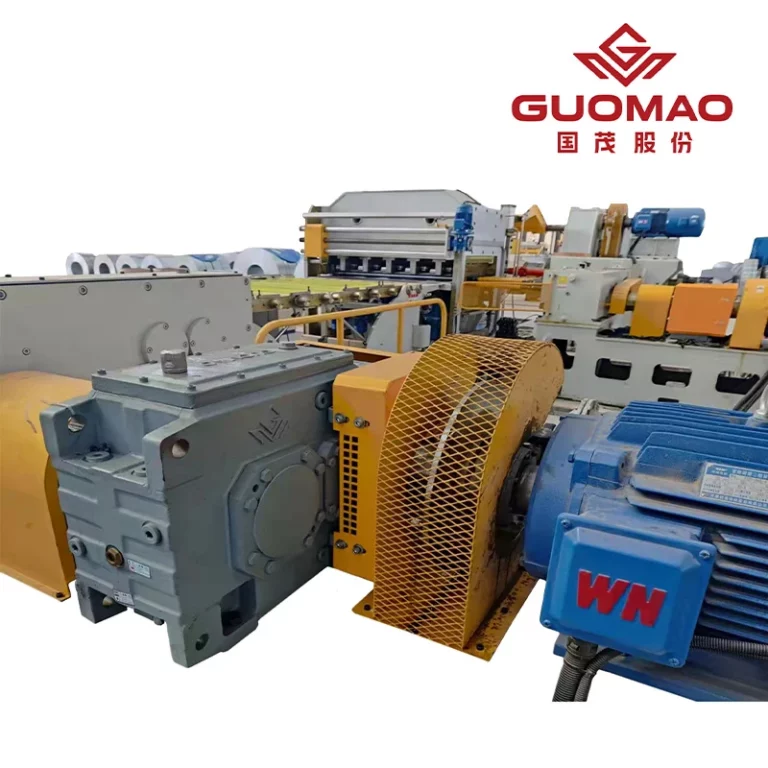
The H-Parallel industrial Gearbox is worth considering when a belt drive needs substantial torque capacity and a robust housing. The H series uses parallel input and output shafts. Its helical-gear calculations follow GB/T 3480, DIN 3990, and ISO 6336, while bevel-gear calculations follow DIN 3991 and ISO 10300. Its helical and bevel gear pairs are described with grade 6 tooth accuracy. The H gearbox features high nominal torque capacity for demanding industrial transmission.
For a bulk conveyor, those characteristics matter when the drive runs for long hours or must fit a horizontal or vertical layout. The H gearbox is described with high nominal torque capacity, and it can be installed horizontally or vertically with other installation types available on request. It also uses low-noise profiling technology to support smooth engagement. The documentation describes high assembly precision in its manufacturing process. Before choosing a specification, compare drive-pulley torque, starting load, shaft arrangement, and allowable radial and axial loads. The H-параллельная промышленная коробка передач page shows the configured product range.
ZY Series Cylindrical Gear Reducer for Belt Conveyor Drives
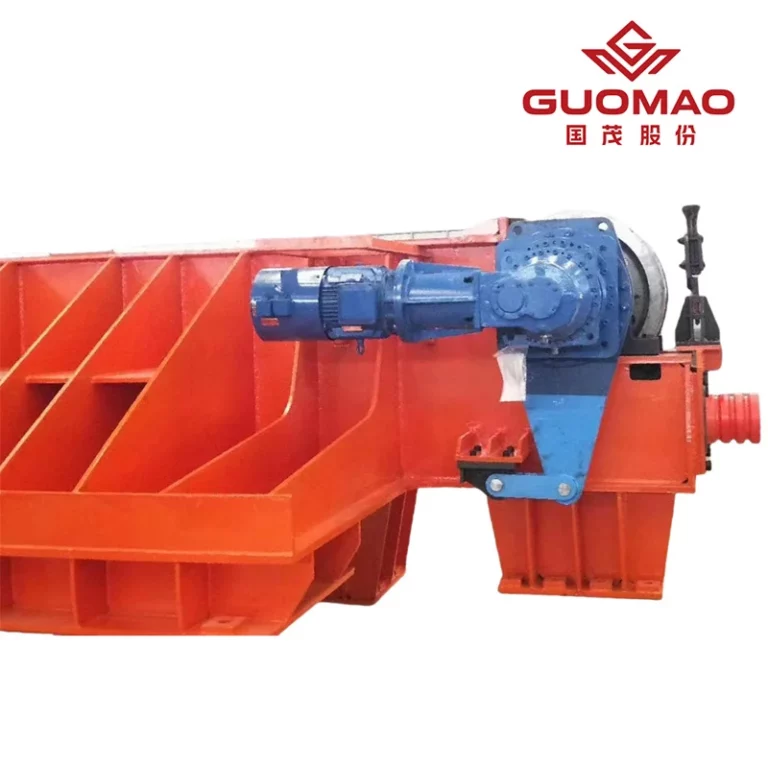
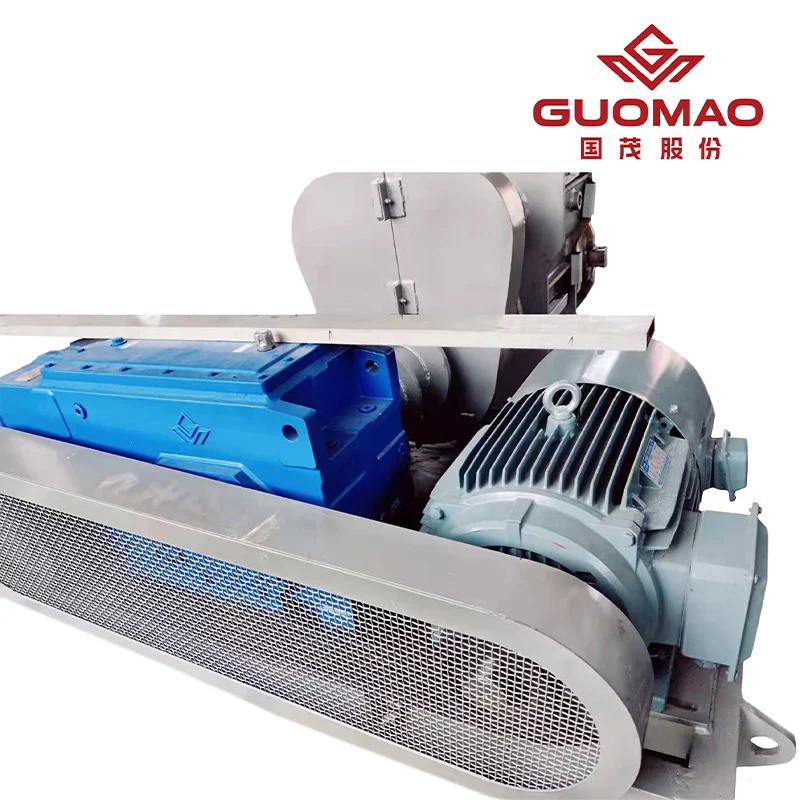
The ZY Series Cylindrical Gear Reducer fits belt conveyor duties where a cylindrical transmission can meet the required ratio, speed, and installation envelope. The ZY series is an external-meshing transmission with a parallel-shaft structure. Its gears use high-strength, low-carbon alloy steel with carburizing and quenching for durability and precise contact. For material selection, the ZY gears are made from high-strength, low-carbon alloy steel. The gears offer high precision and excellent contact performance. The ZDY, ZLY, ZSY, and ZFY designations represent one-, two-, three-, and four-stage arrangements.
Review the ZY option when the conveyor calls for a defined reduction stage and durable gears. In the specification check, put conveyor speed, pulley speed, ratio, motor power, service factor, shaft direction, and maintenance space side by side. The Цилиндрический редуктора ZY Series page provides the product reference.
What to Check Before Selecting a Conveyor Gearbox
Output Speed and Torque
The first calculation is the required belt speed versus the speed of the driven pulley or head shaft. The reduction ratio must bring motor speed down to that target without pushing the gearbox outside its intended range. Calculate both running torque and loaded starting torque. Extra torque may be needed during acceleration, after a stop with material still on the belt, or on an incline.
Use the actual drive geometry, not a generic conveyor assumption. Pulley diameter, belt tension, wrap, friction, incline, scraper pressure, and material weight all affect shaft torque. An added sprocket, pulley, or coupling also changes speed, radial load, and overhung load, so include it in the calculation.
Service Factor and Shock Loads
Service factor connects the gearbox rating to what the machine will actually experience. Continuous running, frequent starts, reversing, impact loading, irregular feeding, and high ambient temperature can each justify a more conservative choice. The technical material defines the use factor as the ratio of rated reducer power to motor power and treats it as a strength basis for choosing reducer specifications.
А диапазон промышленных редукторов can help organize the initial comparison, but conveyor duty still determines the final model. A catalogue rating does not replace checks for start-up torque, thermal capacity, or the load pattern at transfer points.
Mounting, Lubrication, and Maintenance
Decide first whether the conveyor needs foot mounting, flange mounting, a shaft-mounted arrangement, or another interface. Before installation, locate the oil fill, drain, breather, inspection cover, and coupling guards. The reducer needs a flat, reliable, vibration-free foundation, and exposed rotating parts need protective covers.
Lubrication belongs in the selection discussion. Use the product documentation for lubricant type and quantity, keep the housing clean, and set inspection intervals around actual operating hours. On a dusty site, technicians need safe access to check leaks, temperature, fasteners, seals, and abnormal noise. A nominally adequate gearbox is still a poor choice if nobody can inspect it safely.
Guomao’s product portfolio includes cycloidal, helical, planetary, cylindrical, industrial, worm, and plastic-and-rubber special reducers. Guomao develops and manufactures industrial reducers and motors with advanced testing methods. Our team provides systematic technical solution services for reducer and motor selection, so a conveyor specification can be reviewed against the intended application rather than matched only by a catalogue label.
Matching the Gearbox to the Conveyor Layout
Long Overland and Inclined Belt Conveyors
Long and inclined belts put more pressure on starting torque, belt tension, braking behavior, and thermal capacity. Treat the gearbox, motor, coupling, backstop, brake, and control system as one drive package. If a loaded belt could roll backward, the arrangement needs suitable mechanical or electrical protection.
On a long route, review the load at the tail, loading points, and head pulley. A belt that is lightly loaded in normal operation can still see a high transient load when material builds up. Use the worst credible operating condition for the final torque and service-factor check.
Feeders, Transfer Points, and Continuous Duty
Feeders and transfer conveyors can take repeated impacts as material enters the system. Check the gearbox for that shock, the number of starts, and any risk of material packing around moving parts. For continuous duty, verify thermal performance at the actual ambient temperature and ventilation conditions, then fit the inspection interval to the site’s maintenance plan.
The largest gearbox is not automatically the best answer. Oversizing can add cost, weight, and interface changes while leaving a poorly defined load case unresolved. Before requesting a final selection, document the material, capacity, belt speed, incline, duty cycle, starts per hour, ambient conditions, mounting, shaft details, and required delivery position.
Specifying a Practical Conveyor Gearbox Package
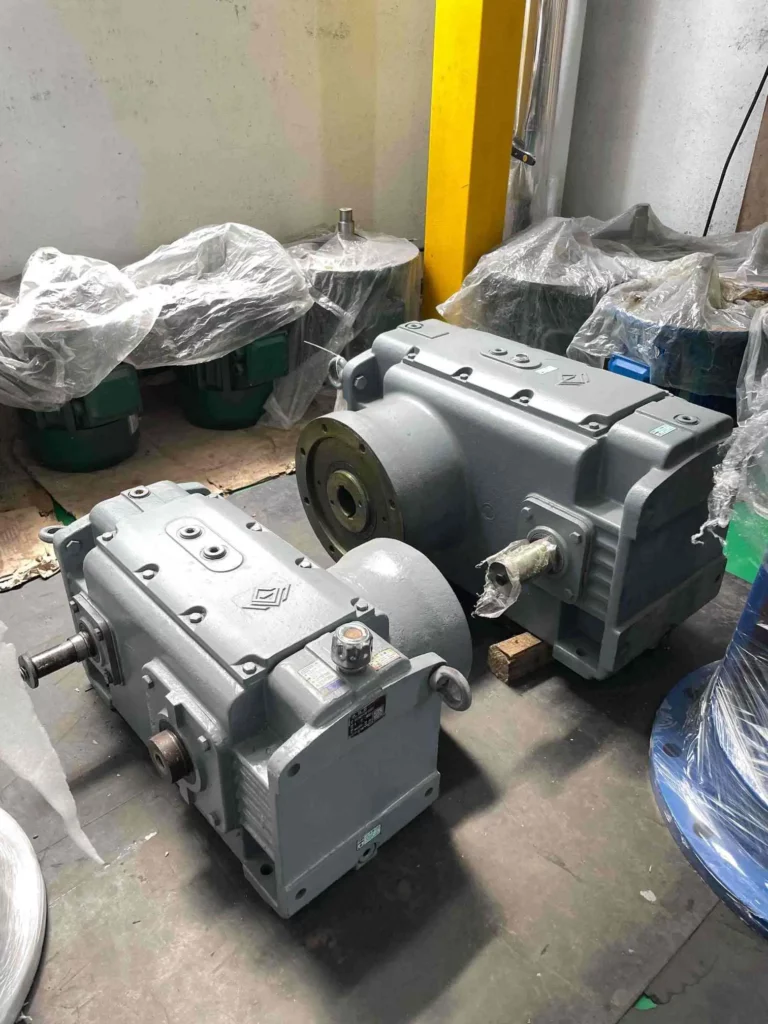
An RFQ should list the conveyor type, belt speed, material, capacity, incline, pulley diameter, motor data, output speed, duty cycle, ambient conditions, mounting position, shaft dimensions, and brake or backstop requirements. Include a layout showing where the drive sits.
For a replacement, photograph the nameplate and measure the shaft, key, flange, base, and coupling interfaces. The same ratio can come with different load capacity or mounting dimensions. Repeat the selection whenever the conveyor duty has changed.
Часто задаваемые вопросы
Q: What is a conveyor gearbox used for?
A: It sits between the motor and the driven element, reducing motor speed while supplying the output torque needed by the belt, pulley, roller, or other conveyor component.
Q: How do I choose a conveyor gearbox for bulk material handling?
A: Gather the belt speed, material load, incline, pulley torque, start frequency, duty cycle, ambient conditions, mounting, and shaft loads first. Then compare those figures with the gearbox rating and service factor.
Q: Is a helical conveyor gearbox suitable for an inclined belt?
A: It can be, provided its ratio, torque, thermal capacity, mounting, and braking arrangement match the loaded incline duty. Assess the incline as a complete drive system rather than judging the gearbox alone.
Q: What causes a conveyor gearbox to overheat?
A: Overload, an unsuitable ratio, low lubricant level, poor ventilation, misalignment, excess bearing or seal friction, and operation beyond the intended duty cycle are common causes.
Q: Can one conveyor gearbox fit every belt conveyor?
A: No. Belt speed, material, capacity, incline, starts per hour, shock loading, shaft arrangement, and installation conditions vary. The gearbox therefore has to match the specific conveyor duty.