


Что такое спиральная коробка передач с одной редукцией для конвейерных систем
Принцип работы винтовых коробок передач с одной редукцией
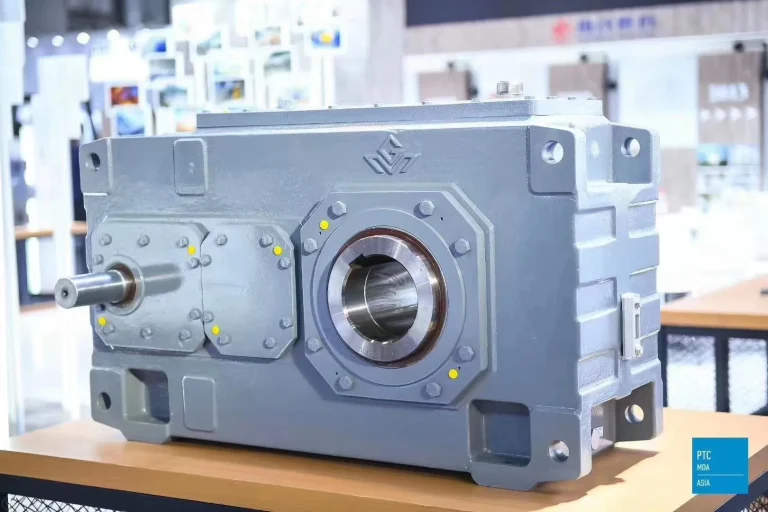
Единая редукционная спиральная коробка передач обеспечивает контролируемый крутящий момент для конвейерных систем через одну ступень угловых спиральных передач. Профиль наклонного зуба позволяет плавно вступать и минимизирует вибрации, позволяя стабильный выход крутящего момента, необходимый для лентовых, винтовых и ведро-конвейеров. При только одной стадии снижения механические потери низки, что поддерживает эффективную непрерывную работу.
Преимущества спиральных коробок передач в конвейерных приложениях
Единоредукторная спиральная коробка передач приносит преимущества конвейерным системам, предлагая высокую эффективность, низкий уровень шума и надежную несущую способность. Повышенное соотношение контакта распространяет нагрузку на большую поверхность зуба, снижая износ и поддерживая долгосрочное использование. Конвейерные системы, работающие в горнодобывающей промышленности, логистике или перевозке насыпных материалов, требуют стабильного крутящего момента и предсказуемой скорости - качества, естественно поддерживаемые спиральной передачей.
Общие типы конвейеров с использованием спиральных приводов с одной редукцией
Этот тип коробки передач используется в лентовых конвейерах для плоского транспорта. Он подходит для ведро конвейеров для подъема грузов. Винтовые конвейеры используют его для перемещения порошков. Транспортные конвейеры полагаются на него для закрытых сдвигов материалов. Все эти настройки зависят от коробки передач. Он должен управлять крутящим моментом запуска. Он должен поддерживать стабильную скорость. И он должен сопротивляться сдвигам нагрузки.
Ключевые критерии выбора для винтовой коробки передач с одной редукцией
Требования к нагрузке, крутящему моменту и запуску
Условия нагрузки и крутящего момента имеют решающее значение при выборе коробки передач. Конвейеры часто требуют более высокого крутящего момента во время запуска из-за накопления материала или сопротивления трению. Инженеры должны учитывать номинальный крутящий момент, пиковый крутящий момент и допустимую радиальную нагрузку на выходный вал. Правильный размер предотвращает перегрев, избыточный износ и механические сбои.
Соответствующее соотношение передач и скорость выхода
Выбор соотношения передач определяет скорость конвейера. Единоредукторная спиральная коробка передач обеспечивает умеренные соотношения, которые выравнивают скорость двигателя с необходимым вращением ремня или винта. Точное сопоставление соотношений избегает узких мест, предотвращает перегрузку и обеспечивает последовательность потока материала.
Фактор обслуживания, рабочий цикл и ожидаемый срок службы
Коэффициент обслуживания отражает, насколько хорошо коробка передач может выдерживать реальные условия работы. Для конвейеров, работающих длительные часы или испытывающих нерегулярные нагрузки, выбор коробки передач с более высокими коэффициентами надежности поддерживает более длительный срок эксплуатации. Учитывая класс службы, коробка передач может работать в непрерывных или ударных условиях.
Смазание, охлаждение и эффективность при непрерывной работе
Хорошая смазка имеет значение для работы спиральной передачи. Масла, такие как CKD220 или CKD320, дают правильную толщину. Они защищают от ношения.
Требования к классу масла и температуре
Инженеры выбирают класс масла, чтобы соответствовать внешним условиям. Холодные пятна могут потребовать нагрева масла. Горячие точки требуют более близких часов. Это держит толщину стабильной. Оно защищает передачи и подшипники.
Методы рассеивания тепла и охлаждения
Большинство транспортных нагрузок управляются базовым воздушным охлаждением. Но установки с высокой мощностью или тесными пространствами могут потребовать дополнительного охлаждения. Свободный поток воздуха вокруг жилья помогает. Сохраняет рабочие температуры равномерно.
Структурные и конфигурационные факторы интеграции конвейера
Варианты коробки передач для монтажа ног против монтажа фланца
Тип монтажа влияет на состав и использование пространства. Коробки передач, установленные на ноги, обеспечивают стабильность для больших конвейеров. Типы, установленные на фланце, хорошо подходят в небольших рамах. Выбор правильной настройки крепления обеспечивает прочные ходы. Это также облегчает обслуживание.
Выровнение вала, перегруженная нагрузка и радиальные силы
Распределение вала снижает напряжение на подшипники и звена. Перевешенные нагрузки от шинок или цистерн должны оставаться в пределах установленных пределов. Это позволяет избежать дополнительного износа подшипников. Сосредоточьтесь на тяге, весе шинки и настройке вала. Это создает долгосрочное доверие.
Совместимость двигателя: двигатели IEC, соединения и приводы VFD
Подходящая коробка передач должна соответствовать двигателю’ с механическими и контрольными характеристиками. Совместимость с двигателями IEC и VFD позволяет эффективно передавать крутящий момент и более точно контролировать скорость. Правильный выбор соединения защищает систему от вибрации и неправильного выравнивания.
Проверка установки и выравнивания стабильности конвейера
Качество установки значительно влияет на производительность. Жесткие фундаменты, правильные крепления и тщательное выравнивание предотвращают вибрации и шум.
Базовый фундамент и контроль вибрации
Стабильная, равная основа предотвращает искажения и защищает выравнивание передач. Движение или установление рамы может распространять напряжение на компоненты коробки передач.
Проверка радиальной нагрузки для шинок и цилинок
Инженеры подтверждают, что уровень нагрузки вала остается в пределах производителя. Хорошие инструменты для блокировки, даже вытягивание и вырядленные системы шинок помогают. Они держат повороты гладкими. Они поддерживают несущую жизнь.
Продолжительность, материалы и долгосрочная производительность
Материал передач, тепловая обработка и точная шлифовка
Долговечная работа начинается с высокопрочных сплавных стальных передач, обрабатываемых углеводованием, гашением и точной шлифовкой. Эти процессы обеспечивают правильную твердость, точную геометрию зубов и снижение шума, что важно для конвейеров, которые работают непрерывно или обрабатывают абразивные материалы.
Требования к прочности корпуса и сроку службы подшипников
Твердый чугунный корпус защищает внутренние части от ударов и потрясений. Подшипники обрабатывают боковые и конечные силы. Хорошее масло и часы нагрузки продлевают срок службы подшипников. Это работает на длинных поездках.
Термическая мощность, шум и вибрационная производительность
Тепловая обработка определяет, сколько времени работает коробка передач, не нагреваясь слишком сильно. Группы спиральных передач редактируют звук и дрожат естественным образом. Это увеличивает жизнь передачи. Улучшает легкость работы.
Потребности в техническом обслуживании для длительной эксплуатации конвейера
Регулярные проверки уровня масла, уплотнений и состава системы поддерживают стабильность работы. Ранное замещение странных тревог или жары избегает неожиданной остановки.
В Гуомао мы приносим широкий опыт, чтобы помочь производителям конвейеров и создать команды. Мы предлагаем спиральные редукторы для равномерного выхода крутящего момента. Они хорошо управляют рабочими температурами. Наше понимание работы конвейера позволяет нам поставлять установки коробок передач. Они соответствуют реальным потребностям завода.
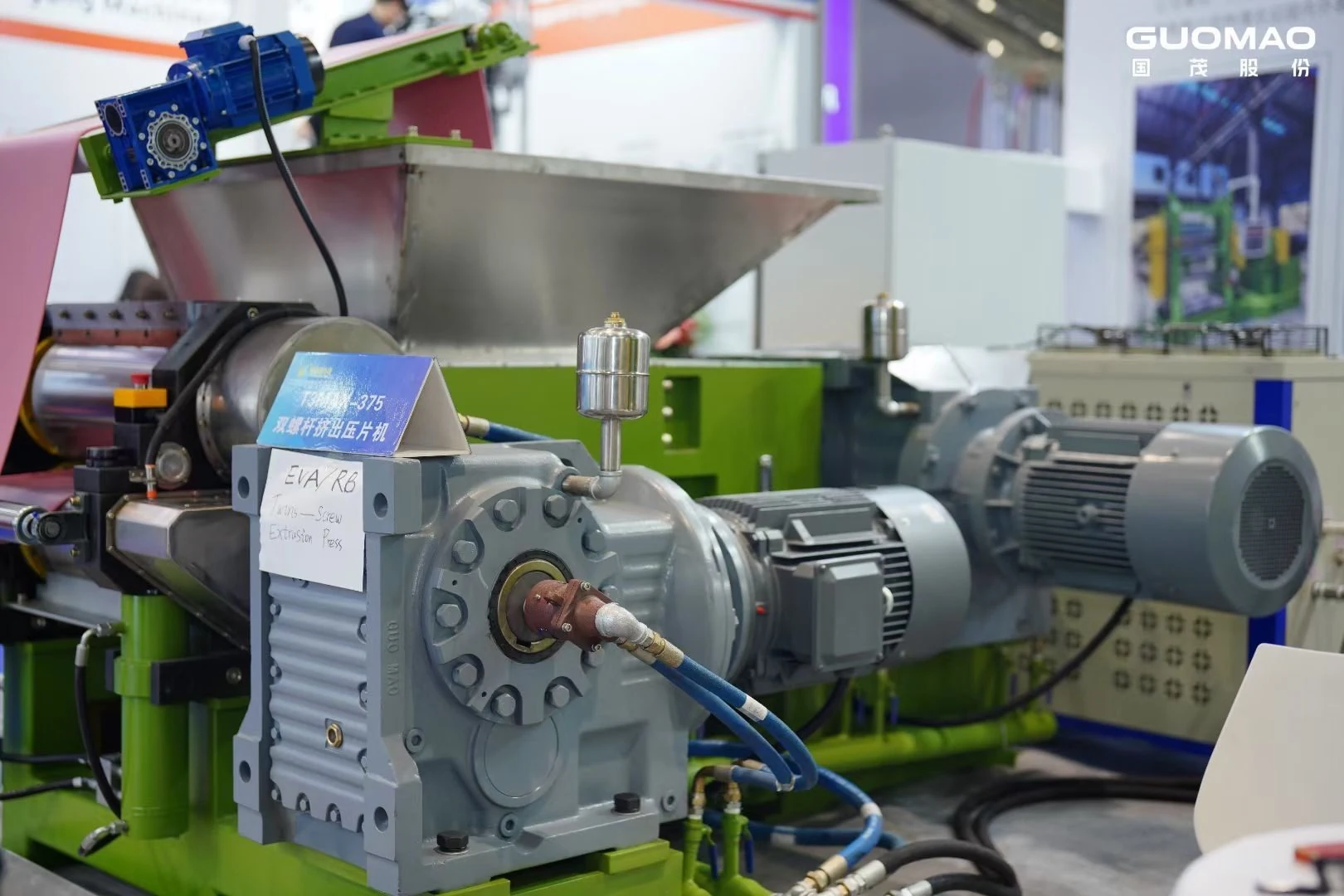
Как увеличить размер спиральной коробки передач с одной редукцией для конвейерных систем
Поэтапный поток размера коробки передач
Размер начинается с определения нагрузки конвейера и расчета выходного крутящего момента. Затем инженеры определяют скорость двигателя и необходимые обороты конвейера для выбора соответствующего соотношения передач. После выбора соотношения, тепловая мощность, конфигурация монтажа и условия работы должны быть проверены для обеспечения долгосрочной надежности.
Расчет требований к крутящему моменту, скорости и выходу
крутящий момент должен покрывать запуск и стабильные ходы. Выбор скорости влияет на выход и смены материала. Показание обеих справа гарантирует, что коробка передач работает хорошо. Избегает вытягивания.
Оценка класса пошлины и марж безопасности
Выбор коробки передач с достаточной защитой от перегрузок. Это продлевает жизнь. Трудные конвейеры или грубые работы с материалами требуют более высокого коэффициента обслуживания.
Избегать недостаточного размера и распространенных ошибок выбора
Слишком малый сбор вызывает перегрев, тревоги и ранний износ. Ошибки, такие как пропуск боковых нагрузок, низкий крутящий момент запуска или отсутствие внешних условий, наносят ущерб стабильности системы. Полный процесс отбора пропускает эти ловушки.
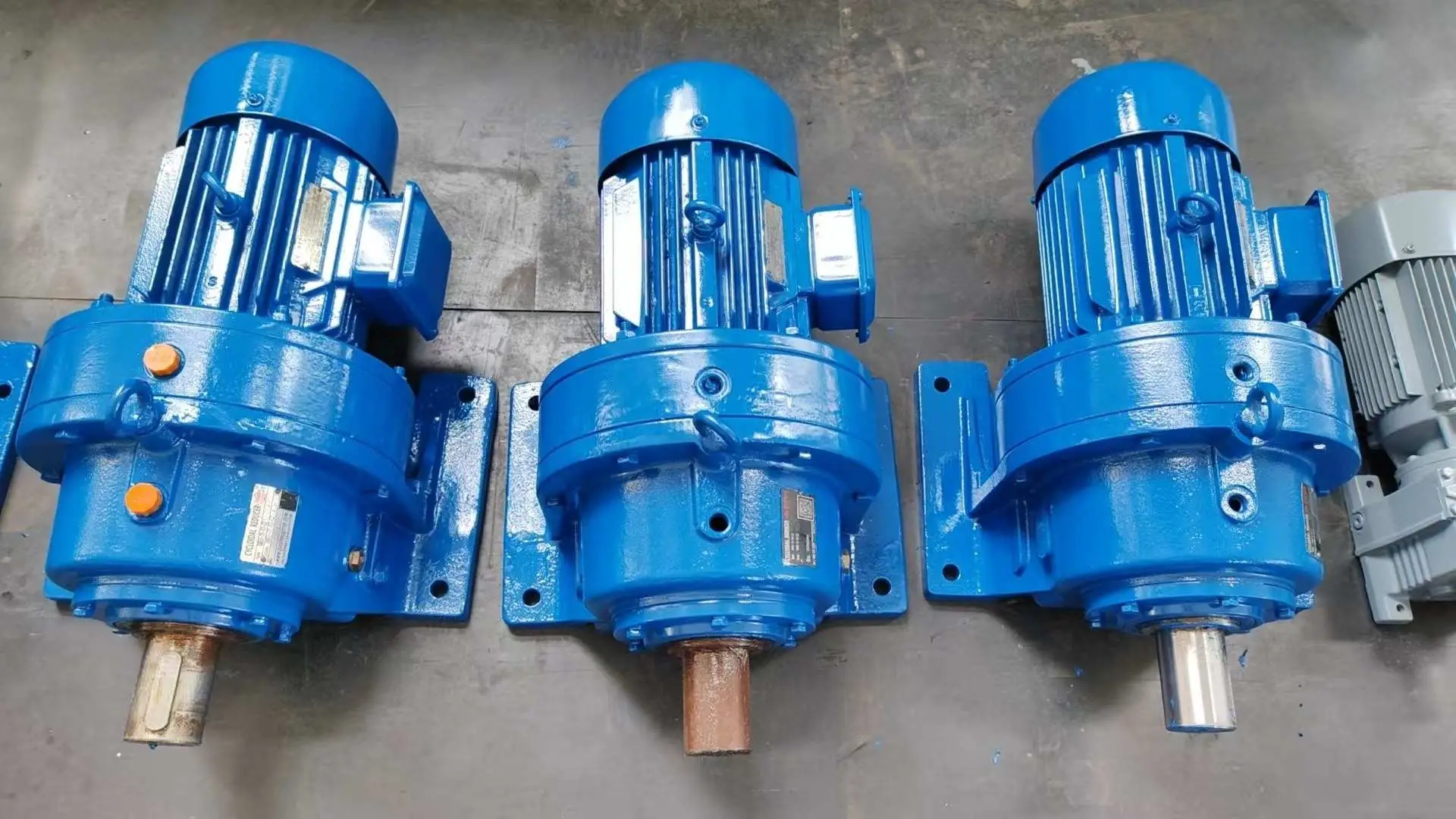
Наши Редуктор серии G Помощь дизайнерским командам. Мы предоставляем соотношения build-to-block. Мы предлагаем множество вариантов монтажа. И мы используем сильные чугунные конструкции. Эта настройка позволяет нам регулировать коробки передач, чтобы соответствовать скорости конвейера. Они соответствуют потребностям в крутящем моменте. Они работают с установочным пространством.
Решения для передач Guomao для конвейерных систем
GR / GF спиральные редукторы передач, предназначенные для конвейеров
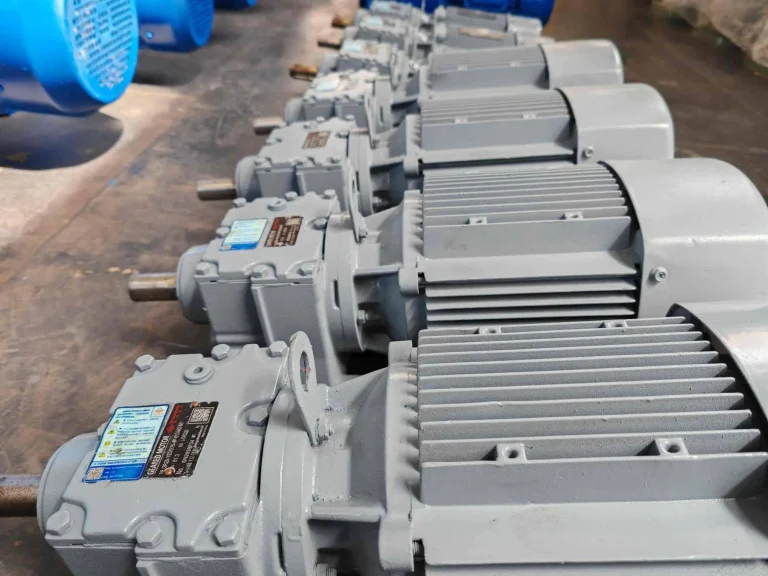
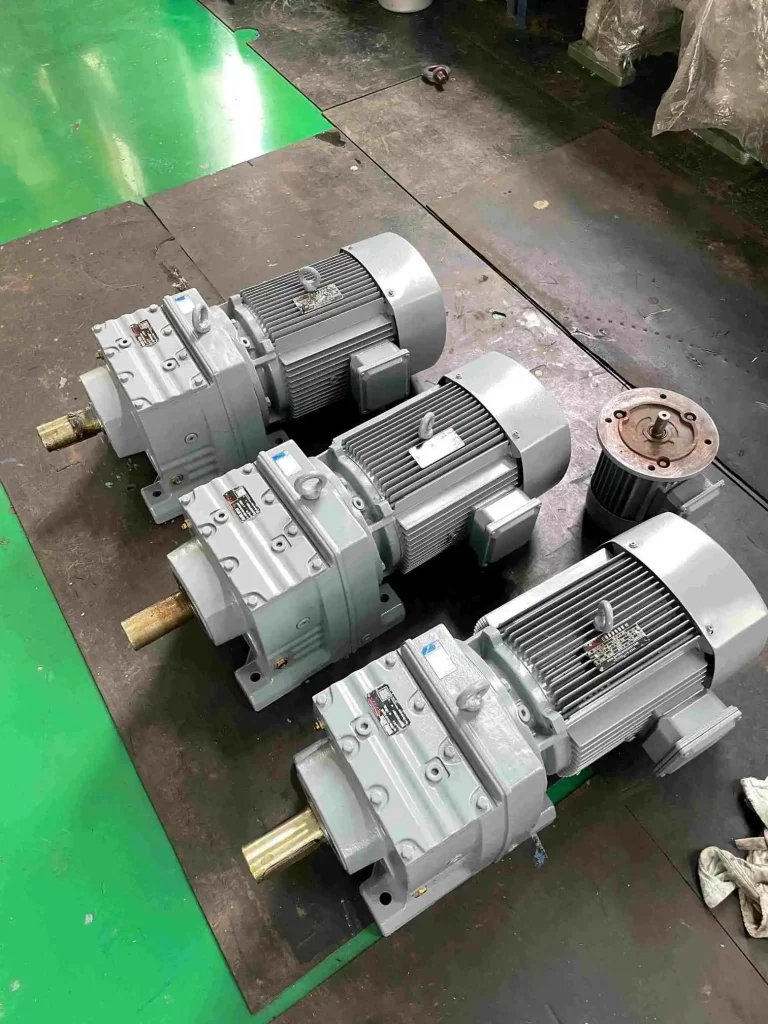
В Гуомао мы предоставляем GR и Серия GF спиральный шарнир-мотор с параллельным валом. Мы строим их для потребностей конвейера. Эти детали обеспечивают высокую эффективность прохождения. Они обеспечивают стабильный крутящий момент. И они обеспечивают долговременную работу для лентовых конвейеров, винтовых конвейеров и ведро конвейеров. Их стиль строительных блоков подходит для различных типов входов. Поддерживает различные планы настройки.
Преимущества высокой эффективности, модульности и длительного срока службы
Наши коробки передач серии G используют передачи из сплавной стали. Мы производим их в соответствии с правилами GB/T3480, DIN 3990 и ISO 6336. Тонкое шлифование и твердые корпусы помогают. Они сокращают шум. Они обеспечивают истинный контакт. Они создают долгую рабочую жизнь.
Доказанное применение в горнодобывающей промышленности, логистике, энергетике и портах
Наши редукторы работают в конвейерных системах на горнодобывающих объектах, портовых оборудованиях и логистических центрах. Эти условия требуют стабильного крутящего момента, прочной конструкции и надежного управления теплом. коробки передач Постоянно встречаются.
Почему глобальные производители конвейеров выбирают Guomao
Многие производители полагаются на нашу продукцию. Мы обеспечиваем стабильное качество строительства. Мы предлагаем фирменную помощь в проектировании. Мы предоставляем надежные консультации по установке. Мы руководствуемся правильным выбором соотношения. Мы охватываем типы монтажа. Проверяем боковые нагрузки. Это поддерживает длительное использование конвейера.
Часто задаваемые вопросы
В: Как выбрать правильную винтовую коробку передач с одной редукцией для конвейерных систем?
A: Правая коробка передач требует оценки крутящего момента, соотношения, рабочего цикла, условий окружающей среды и нагрузки вала. Наши редукторы серии G предлагают конфигурации, хорошо подходящие для конвейерных операций.
В: Какая коробка передач с одной редукцией подходит для тяжелых транспортеров?
Ответ: Редукторы GR и GF подходят для тяжелых конвейеров из-за их сильных передач, жестких корпусов и стабильного теплового поведения.
В: Какой бренд обеспечивает надежные спиральные коробки передач с одной редукцией для конвейерных систем?
A: Guomao предоставляет надежные спиральные редукторы серии G, предназначенные для производительности конвейера и долгосрочной долговечности.
В: Как одноредукторная спиральная коробка передач сравнивается с другими типами конвейерных приводов?
A: Он предлагает более высокую эффективность, более гладкую сетку и более последовательный крутящий момент, что делает его хорошо подходящим для конвейеров средней скорости.
В: Какие факторы влияют на срок службы одной редукционной спиральной коробки передач в конвейерных системах?
A: качество смазки, контроль температуры, точность выравнивания и стабильность нагрузки все влияют на срок службы. Наши редукторы серии G разработаны для удовлетворения этих долгосрочных требований.