

¿Qué es un sistema modular de transmisión por engranajes en maquinaria industrial?
Definición de transmisión modular y arquitectura del sistema en equipos OEM
Un sistema de transmisión de engranajes modular es una arquitectura de transmisión configurable diseñada para maquinaria industrial OEM, donde caja de cambios Ya no se considera una unidad fija y monolítica, sino un conjunto de módulos funcionales intercambiables. Estos módulos suelen incluir la etapa de engranajes, la interfaz de salida, la unidad de lubricación, la estructura de refrigeración y el sistema de cojinetes axiales.
En el diseño de maquinaria OEM moderna, este enfoque permite a los ingenieros ensamblar una configuración de caja de cambios en función de la demanda de par, las limitaciones de instalación y los requisitos del ciclo de trabajo, en lugar de rediseñar todo el sistema de transmisión desde cero.
Desde el punto de vista de la ingeniería, el principal valor de un sistema de transmisión modular reside en el uso de conexiones mecánicas estándar, manteniendo al mismo tiempo la capacidad de ajustar los niveles de rendimiento.
Componentes clave de un sistema de caja de cambios modular en maquinaria personalizada.
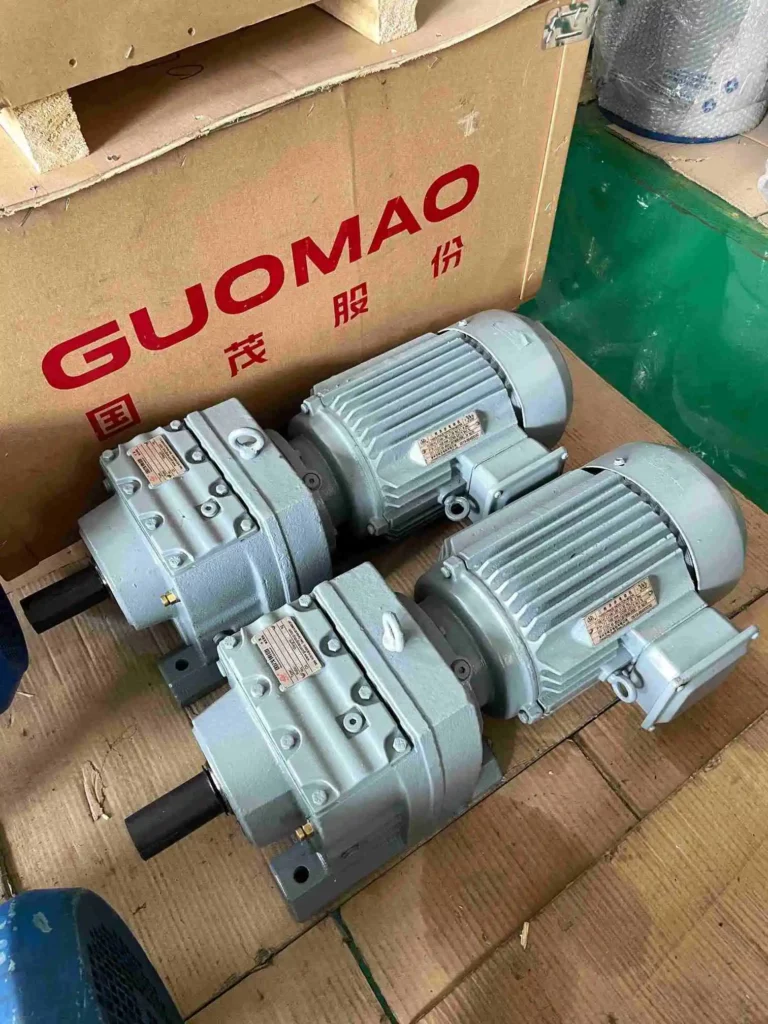
Una estructura típica de caja de engranajes modular en aplicaciones industriales incluye varias partes. Estas partes son el módulo de transmisión de engranajes con etapas helicoidales, cónicas o combinadas. También incluye el módulo de interfaz del eje de salida con diseños de eje estriado, chavetado o hueco. El módulo de lubricación y refrigeración utiliza sistemas de inmersión en aceite o circulación forzada. Existe un módulo de soporte de cojinete de empuje para la gestión de cargas axiales. Finalmente, el módulo de configuración de carcasa y montaje completa la lista.
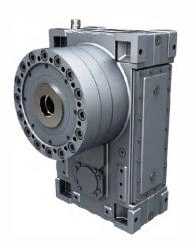
Esta separación de funciones permite a los fabricantes de equipos originales (OEM) crear sistemas de maquinaria que se pueden modificar rápidamente para adaptarse a las diferentes necesidades de los clientes. No requieren un rediseño completo del sistema de transmisión.
¿Por qué los fabricantes de equipos originales prefieren los sistemas de transmisión modulares a las cajas de engranajes tradicionales?
Reducción de la complejidad de ingeniería en el desarrollo de maquinaria a medida.
Los fabricantes de equipos originales (OEM) utilizan cada vez con más frecuencia sistemas modulares de transmisión por engranajes. Estos sistemas reducen considerablemente el trabajo de ingeniería durante el desarrollo de maquinaria a medida. Los ingenieros no necesitan realizar ciclos completos de diseño de cajas de engranajes; pueden elegir módulos prefabricados y organizarlos según las necesidades de carga y velocidad.
Este cambio reduce la incertidumbre en el diseño, acorta los periodos de prueba y mejora la consistencia entre las distintas plataformas de máquinas.
Montaje, sustitución y mantenimiento más rápidos en entornos de producción.
En entornos industriales, el tiempo de actividad es fundamental. La modularidad permite la sustitución rápida de piezas individuales de la caja de engranajes, en lugar de la sustitución completa de la unidad. Esto es especialmente importante en sistemas de producción continua, como líneas de extrusión, mezcla y transporte.
Los equipos de mantenimiento pueden localizar y cambiar únicamente el módulo afectado. Esto reduce el tiempo de inactividad y limita las paradas de producción.
Interfaces estandarizadas para la integración de múltiples máquinas
Los sistemas OEM modernos suelen incluir integración multietapa entre transportadores, extrusoras y unidades de procesamiento. Los accionamientos de engranajes modulares ofrecen interfaces estándar. Estas interfaces permiten una integración mecánica fluida entre las diferentes partes de la máquina.
Esto resulta especialmente útil en líneas de producción automatizadas. En estas líneas, la alineación mecánica y la sincronización del par son necesarias.
Principios de ingeniería que sustentan la arquitectura modular de transmisión por engranajes.
Diseño de interfaz estandarizado y eficiencia de transferencia de par
En el centro de un engranaje modular conducir El sistema se basa en la estandarización de la interfaz. La eficiencia de la transferencia de par depende de la precisión de los engranajes. También depende de la eficacia con la que los módulos transmiten las cargas mecánicas a través de los puntos de conexión estándar.
Al gestionar las tolerancias de interfaz y los estándares de alineación de ejes, los sistemas modulares reducen la pérdida de energía. Además, disminuyen la concentración de tensiones mecánicas.
Estructura modular escalable para diferentes requisitos de carga y velocidad.
Una de las principales ventajas de la arquitectura modular desde el punto de vista de la ingeniería es su capacidad de escalabilidad. Los fabricantes de equipos originales no necesitan rediseñar una caja de cambios para cada rango de par motor. Pueden aumentar el rendimiento modificando varios componentes.
Estos aspectos incluyen la configuración de la relación de transmisión de la etapa de engranajes. También incluyen la capacidad de carga de los cojinetes, la geometría del eje de salida y el nivel de refuerzo de la carcasa.
Este método permite que una misma plataforma funcione con máquinas de diferentes tamaños y en diversas condiciones de aplicación.
Integración de los sistemas de refrigeración, lubricación y empuje en unidades modulares.
Los modernos sistemas de transmisión modulares combinan la gestión térmica y la lubricación en módulos independientes. Por ejemplo, se pueden añadir o quitar unidades de lubricación por circulación forzada en función de las necesidades de carga térmica.
Este método de diseño mejora la fiabilidad en sistemas de alto ciclo de trabajo. En estos sistemas, la estabilidad de la temperatura afecta directamente a la vida útil de la caja de engranajes y a la consistencia del par motor.
Cómo los sistemas de transmisión modulares transforman el flujo de trabajo de diseño de maquinaria OEM
Desde diseños a medida hasta plataformas de cajas de cambios configurables.
El desarrollo tradicional de cajas de cambios en sistemas OEM suele seguir un enfoque de ingeniería totalmente personalizado. La tecnología de transmisión modular cambia este enfoque hacia plataformas configurables. En estas plataformas, los ingenieros ensamblan módulos preconfigurados según las necesidades de la aplicación.
Este cambio reduce los ciclos de iteración de ingeniería. Mejora la repetibilidad del diseño en todas las familias de productos.
Reducción del tiempo de entrega mediante unidades modulares prediseñadas.
Mediante el uso de módulos prediseñados, los fabricantes de equipos originales (OEM) pueden reducir considerablemente los plazos de entrega de las máquinas. No tienen que esperar a que finalicen los ciclos completos de fabricación de las cajas de engranajes. Los componentes modulares se pueden ensamblar y probar simultáneamente.
Este método resulta especialmente útil en industrias con una demanda cambiante y plazos de entrega ajustados.
Simplificando las actualizaciones de sistemas OEM y la compatibilidad entre plataformas.
La arquitectura modular también permite el desarrollo de sistemas a largo plazo. Cuando la maquinaria requiere mejoras de rendimiento, los fabricantes de equipos originales (OEM) pueden cambiar módulos específicos, como etapas de salida o sistemas de refrigeración, sin necesidad de modificar toda la caja de engranajes.
Esto mantiene la compatibilidad entre varias generaciones de máquinas. Además, reduce los costos de ingeniería del ciclo de vida.
Aplicaciones industriales de sistemas modulares de transmisión por engranajes en equipos OEM
Sistemas de extrusión y accionamientos modulares de un solo husillo (serie ZLYJ, serie JE)
En la maquinaria de procesamiento de plásticos, los sistemas de transmisión por engranajes modulares se utilizan ampliamente en los sistemas de extrusión.
El reductor para extrusoras de un solo husillo de la serie ZLYJ está diseñado con un sistema modular de cojinetes axiales y un eje de salida hueco. Según las especificaciones técnicas, utiliza engranajes de acero aleado de alta resistencia, sometidos a carburación y rectificado de precisión. Esto garantiza una alta estabilidad de par en condiciones de funcionamiento continuo.
La serie JE High-Load amplía aún más esta arquitectura mediante la integración de sistemas modulares de refrigeración y lubricación. Es idónea para entornos de extrusión de alta carga donde la estabilidad térmica es fundamental.
Sistemas de extrusión de doble husillo y transmisión modular sincronizada (serie SZ/SZL)
Para extrusoras cónicas de doble husillo, el sistema de caja de engranajes modular de la serie SZ/SZL combina un reductor y una caja de distribución en una plataforma de transmisión sincronizada.
Esta estructura garantiza un movimiento de rotación contraria preciso entre los dos tornillos. Al mismo tiempo, mantiene el equilibrio de carga. La separación modular entre el reductor y la unidad de distribución permite un mantenimiento flexible. Además, proporciona un control de alineación mejorado, esencial en los procesos de extrusión sincronizados.
Maquinaria para caucho y aplicaciones de transmisión modular de alta carga (Serie EXTR)
En los equipos de procesamiento de caucho, la caja de engranajes modular de la serie EXTR está diseñada para un funcionamiento de alta carga y alta fiabilidad. Integra lubricación por circulación forzada y sistemas de protección y monitorización de la presión, la temperatura y la estabilidad del flujo del aceite.
Esta configuración modular es especialmente adecuada para sistemas de mezcla, amasado y procesamiento continuo de caucho. En estos sistemas son frecuentes las fluctuaciones de carga mecánica.
Guomao Soluciones modulares de transmisión por engranajes para maquinaria OEM personalizada.
Enfoque de diseño modular en las plataformas de cajas de engranajes de alta carga de ZLYJ y JE.

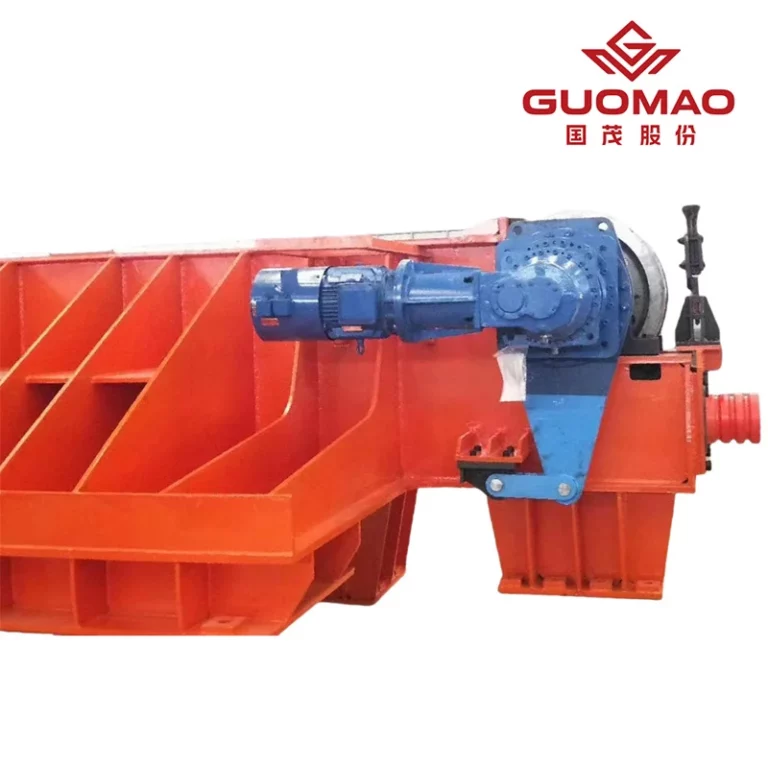
Las series ZLYJ y JE High-Load están diseñadas con una arquitectura modular. Cada sistema separa la transmisión principal, el control del empuje y la gestión térmica en unidades funcionales. Esto permite a los fabricantes de equipos originales (OEM) configurar la capacidad de par y el rendimiento de refrigeración según los requisitos de la máquina.
Este enfoque permite un rendimiento uniforme en diferentes aplicaciones de extrusión, manteniendo al mismo tiempo la adaptabilidad estructural.
Configuración modular específica para cada aplicación en los sistemas SZ/SZL y EXTR.
En aplicaciones de maquinaria de doble husillo y para el procesamiento de caucho, la modularidad cobra aún mayor importancia. La serie SZ/SZL logra la sincronización mediante una estructura modular de reductor y caja de distribución. Esto garantiza una contrarrotación estable y una distribución uniforme de la carga.
La serie EXTR integra módulos de lubricación y protección directamente en el sistema de engranajes. Mejora la estabilidad operativa en entornos de mezcla con cargas elevadas.
Adaptabilidad de ingeniería para fabricantes de equipos originales (OEM) personalización requisitos
En todas las plataformas modulares, el enfoque de ingeniería se centra en la adaptabilidad en lugar de en un diseño fijo. Los fabricantes de equipos originales (OEM) pueden ajustar varios aspectos.
Estos aspectos incluyen los rangos de par motor. También incluyen las configuraciones de instalación, las configuraciones del sistema de refrigeración y los tipos de interfaz del eje.
Esto convierte a los sistemas de transmisión modular en una base práctica para el desarrollo de maquinaria moderna a medida. En este desarrollo, la flexibilidad y la fiabilidad deben ir de la mano.
Preguntas frecuentes (Preguntas frecuentes sobre transmisiones modulares)
P: ¿Qué características hacen que un sistema de transmisión por engranajes sea modular en las aplicaciones de maquinaria OEM?
A: Un sistema de transmisión modular se define por su capacidad para separar las funciones de la caja de engranajes. Estas funciones incluyen la transmisión, la refrigeración y las interfaces de salida. Se convierten en unidades independientes pero compatibles que pueden configurarse según los requisitos de la aplicación.
P: ¿Cómo mejora un sistema de transmisión de engranajes modular la eficiencia del diseño de la maquinaria de los fabricantes de equipos originales (OEM)?
R: Reduce el tiempo de ingeniería. Esto se logra al permitir el uso de módulos prediseñados en lugar de rediseños completos de cajas de engranajes a medida. Esto permite una configuración y validación más rápidas de los sistemas de maquinaria.
P: ¿Qué industrias suelen utilizar sistemas modulares de transmisión por engranajes?
A: Los reductores modulares se utilizan ampliamente en sistemas de extrusión. También son comunes en maquinaria para el procesamiento de caucho, sistemas de transporte y otros equipos de producción industrial continua. Estas aplicaciones requieren una transmisión de par estable.
P: ¿En qué se diferencia una caja de cambios modular de un diseño de caja de cambios tradicional?
A: Las cajas de engranajes tradicionales son estructuras fijas. Las cajas de engranajes modulares permiten la sustitución o configuración de secciones funcionales individuales, como la refrigeración, el soporte de empuje o las interfaces de salida.
P: ¿Cómo se debe seleccionar un sistema de transmisión de engranajes modular para maquinaria personalizada?
A: La selección depende de la demanda de par, la velocidad de funcionamiento, la carga térmica, las limitaciones de instalación y la compatibilidad de interfaz requerida con la arquitectura de la máquina del fabricante original.