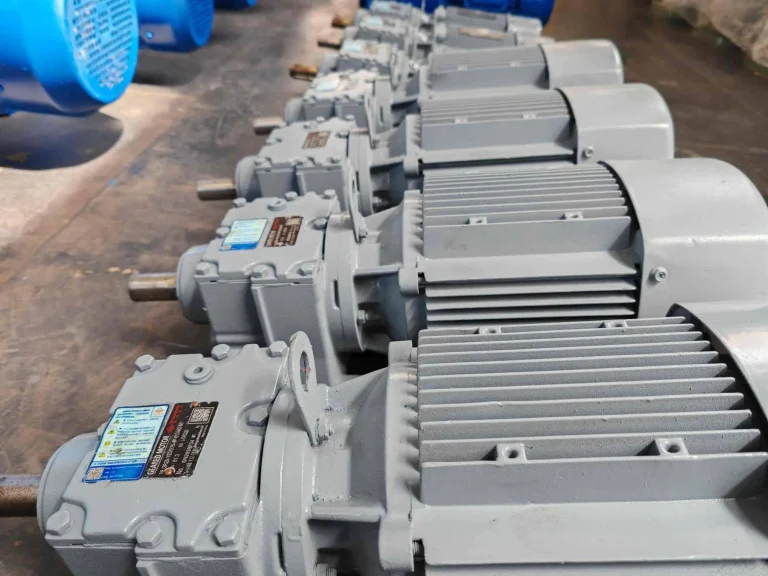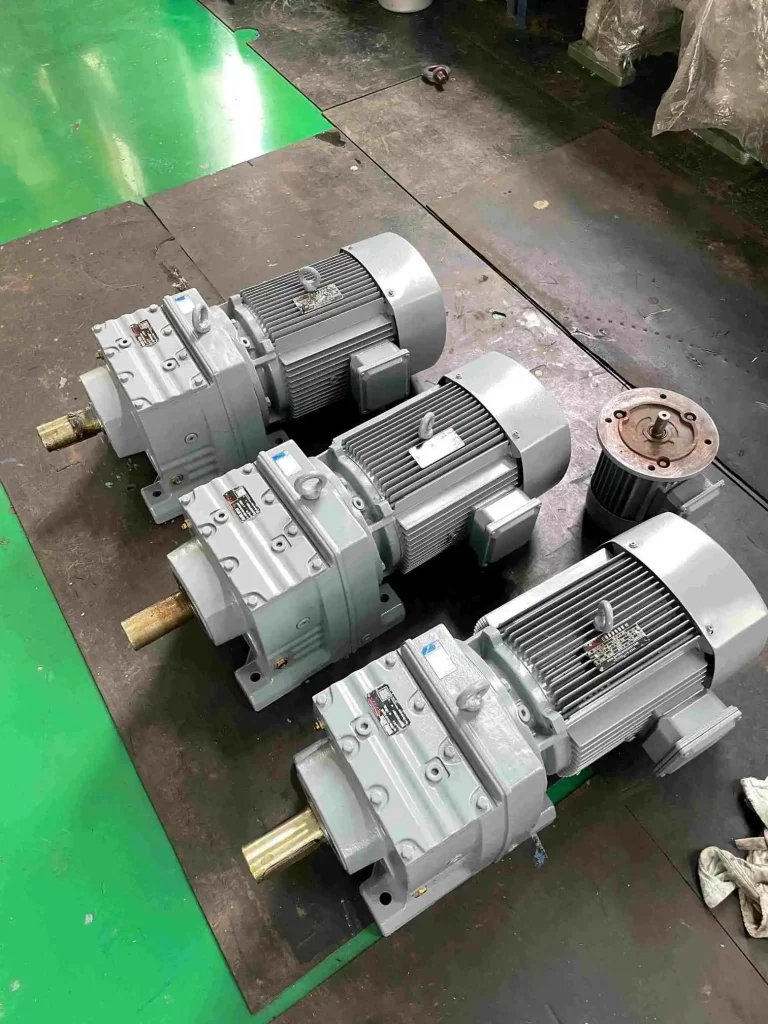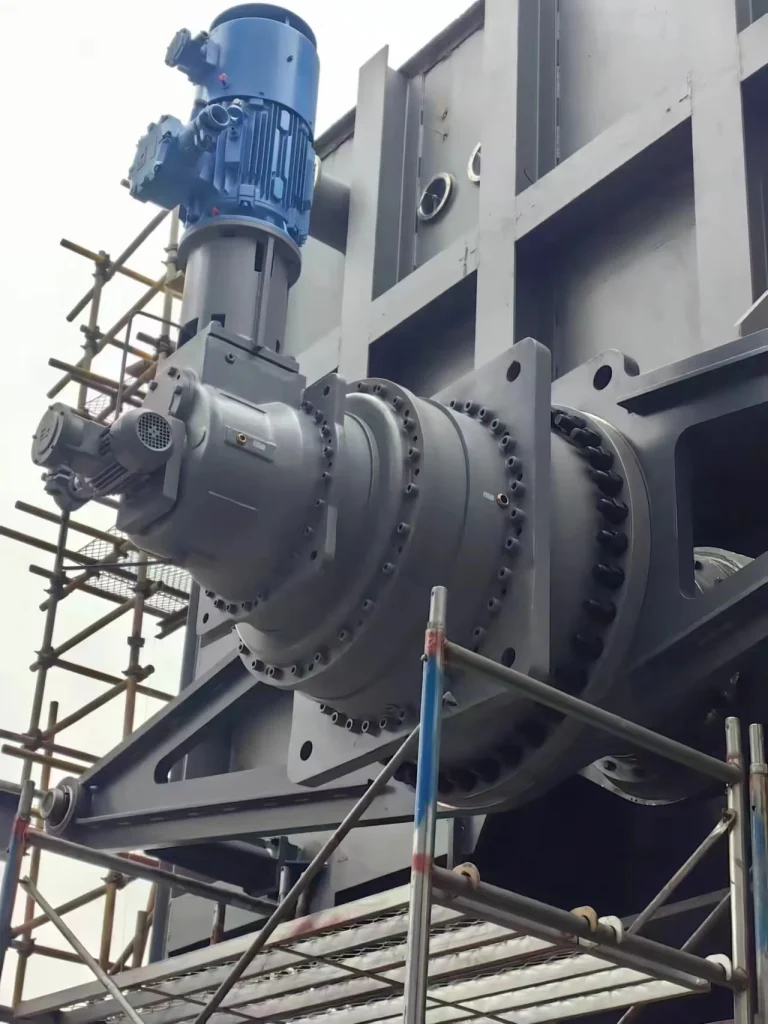



Factory gearboxes serve as main parts in various tough jobs. Their work relies heavily on the setting around them. In warm, gritty factories, oiling these gearboxes matters more. Warmth breaks down oils quickly. Grit adds dirt that harms the gearbox’s life and work rate. This piece covers ways to keep good oiling for factory gearboxes in rough spots. It also shows how Guomao’s Industrial Gear Reducer picks fit these hard settings.
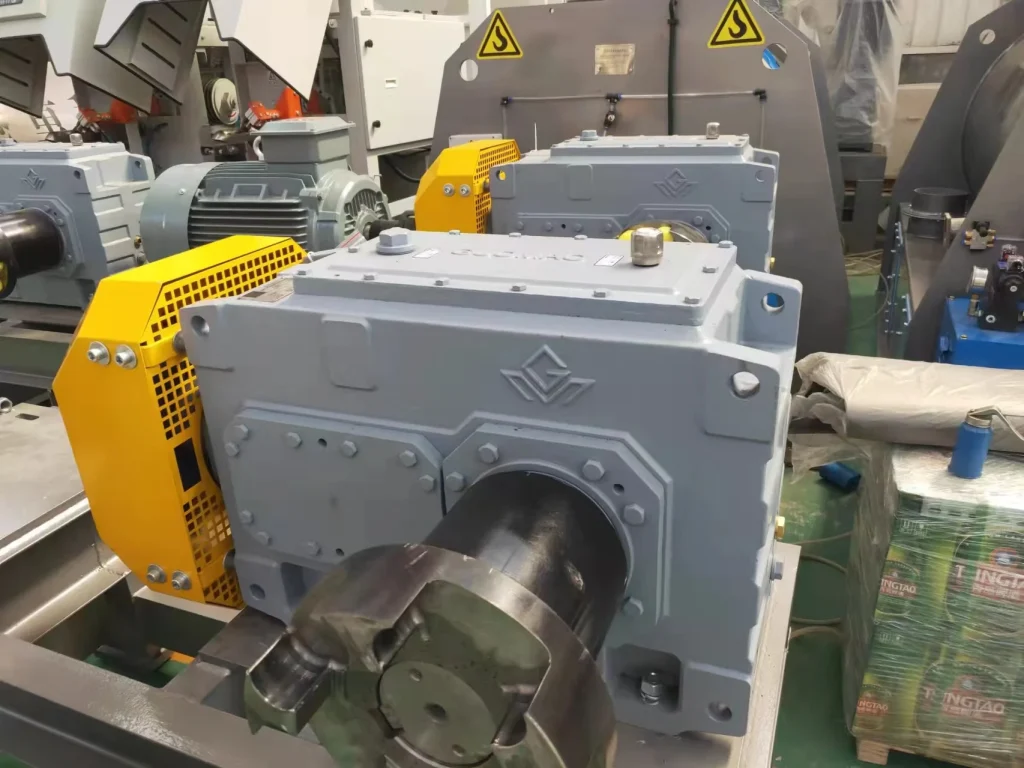
The Challenges of Lubricating Gearboxes in Hot and Dusty Environments
Why Lubrication is Critical in Industrial Gearboxes for Harsh Environments
In industrial settings, gearboxes endure high torque and operate under constant stress, making effective lubrication crucial for reducing friction, heat, and wear. When operating in hot and dusty environments, lubrication faces additional challenges. The heat causes lubricants to break down faster, while dust particles can contaminate the lubricant, leading to poor lubrication.
Proper lubrication can lengthen the gearbox’s use time a lot. It cuts stop time and fixes bills. But poor oiling in hard spots can cause early breaks. This brings surprise fixes and high repair costs. For more on early gearbox break signs, see our write-up on Industrial Gearbox Failures: 7 Warning Signs to Catch Early.
The Impact of Hot and Dusty Conditions on Gearbox Performance
Hot and dusty environments create a range of issues for industrial gearboxes:
- High Temperature: Excessive heat reduces the lubricant’s viscosity, impairing its ability to properly lubricate the moving parts, leading to metal-to-metal contact and increased friction.
- Dust Contamination: Dust particles infiltrate the gearbox through seals or vents, mixing with the lubricant. This abrasive mixture accelerates wear on gears and bearings, degrading efficiency.
- Reduced Lubricant Effectiveness: The combined effect of heat and contamination diminishes the lubricant’s protective capabilities, resulting in corrosion, rust, and sludge build-up inside the gearbox.
For environments like cement plants, mining, and steel manufacturing, where dust and heat are prevalent, specialized lubrication strategies are crucial to maintain gearbox health.
How to Select the Right Lubricant for Industrial Gearboxes in Challenging Environments
Picking the right oil is key for factory gearboxes in rough spots. The wrong oil will not guard against warmth and grit. That can lead to gearbox breaks. Main points to think about when picking oil include:
- Viscosity: The lubricant’s viscosity should remain stable across a wide range of operating temperatures. High-viscosity lubricants are required for high-heat environments to ensure proper film strength and friction reduction.
- Dust Resistance: Select lubricants that resist contamination from dust and other particulates. Special additives can help maintain the lubricant’s cleanliness and prevent wear caused by abrasive particles.
- High-Temperature Stability: The lubricant must withstand high temperatures without degrading. This helps prevent premature degradation of the lubricant, keeping the gearbox well-lubricated for a longer period.
- Synthetic Lubricants: Synthetic oils and greases typically outperform mineral oils under extreme conditions, offering superior high-temperature resistance, lower friction, and better contaminant resistance.
Guomao’ s Reductor de equipo industrial line is built to work well in high-temperature spots. With exact-built parts and picked oils, the Industrial Gear Reducer gives strong last power even in gritty and warm spots.
Key Considerations for Lubricating Gearboxes in High-Temperature Conditions
In high-warmth spots, pick an oil that holds the warmth. It should also keep steady work going. Here are some top steps for oiling in high-heat spots:
Understanding the Role of High-Temperature Lubricants in Gearbox Efficiency
High-warmth oils are used as additives and base oils. These keep their traits in hard warmth. They aid in:
- Prevent Oxidation: These lubricants resist oxidation. They stop break-down in high warmth. This lengthens their life.
- Maintain Viscosity: The fit lubricant keeps its viscosity. Gears stay oiled right even with changing warmth.
- Reduce Friction: Good lubricants cut rub between parts. They stop too much warmth and keep run smooth.
Common Lubricants for Gearboxes in Hot Environments: Oils and Greases
For factory gearboxes in warm spots, two usual oil types serve:
- Gear Oils: Fit for fast-run jobs, gear oils hold thickness and fight breakdown in high temperatures.
- Greases: Used in slow-speed gearboxes or spots with seals to stop leaks, high-temperature thickeners hold steady. They fight, melt, or wear.
Guomao’s Industrial Gear Reducer line shows a good pick built with these oils in view. It uses new thick materials that hold high load power. They cut damage even under hard weather. These suit jobs in fields like digging and cement making.
Maintaining Gearbox Lubrication in Dusty and Abrasive Conditions
In gritty spots, the chief issue is keeping oil free of dirt. Grit bits can enter the gearbox. They mix with oil and make a rough mix. This speeds damage.
How Dust Affects Lubricant Performance and Gearbox Longevity
Dust contamination causes:
- Abrasive Wear: Grit bits work as rough tools. They raise the rub between gears and speed damage.
- Clogged Filters: Grit can block filters. This stops good cleaning and harms the oil setup.
- Decreased Lubricant Effectiveness: Grit cuts the oil’s power to make a guard film. This raises metal touch.
Strategies for Protecting Gearbox Lubricants from Contaminants
- Sealed Gearboxes: Seals stop grit from getting into the gearbox. They keep the oil clean. Steady check and care of seals matter for their work.
- Filtration Systems: Strong, clean setups can take dirt from the oil. This keeps it clean.
- Lubricant Additives: Anti-damage additives cut harm from grit bits. They make sure the oil works well in rough spots.
Effective Gearbox Cooling Solutions for Hot and Dusty Environments
Cool setups fit into factory gearboxes. They help keep the right warmth. This matters in spots where warmth and grit bring issues.
How Cooling Systems Help Maintain Optimal Lubrication in Harsh Conditions
Cool setups control the gearbox’s inside temperature. They let out extra warmth. This keeps the oil at a good level. It stops breaking down and holds its power.
Different Types of Cooling Systems for Industrial Gearboxes
- Air-Cooled Systems: These use nearby air to cool the gearbox. They work less than liquid cool. But they can still lower the inside temperature in some jobs.
- Liquid-Cooled Systems: Liquid-cooled setups serve in hard-to-cool spots. They move cool liquid via a warmth swap. This gives a better warmth check.
Guomao‘s Industrial Gear Reducer line has a strong cool setup. It makes sure good oil works even in warm and gritty spots. This fits jobs in power, making, and moving fields.
Best Practices for Industrial Gearbox Lubrication Maintenance
Steady care matters to keep factory gearboxes lasting and working well. Oiling plays a big part in holding the gearbox’s work rate. It stops high-cost stop time.
Routine Lubrication Checks and Frequency of Oil Changes
Routine lubrication checks are vital to ensure the gearbox remains properly lubricated. Oil changes may need to occur more frequently in dusty or high-temperature conditions, often every 500 to 1000 hours of operation.
How to Monitor Gearbox Performance and Lubricant Health
- Oil Sampling: Normal oil takes help spot dirt or wear.
- Temperature Monitoring: Parts can track the gearbox’s inside temperature. They warn users of too much warmth.
- Vibration Analysis: High shake levels may show damage or oil failure. This needs to be fixed.
Preguntas frecuentes
Q: What is the best lubricant for industrial gearboxes in hot environments?
A: The top oil for factory gearboxes in warm spots is a thick oil that holds heat well. Guomao’s Industrial Gear Reducer line uses high-temperature oils to ensure steady work.
Q: How do you maintain industrial gearbox lubrication in dusty conditions?
A: To keep oiling in gritty spots, use sealed gearboxes. Add strong, clean setups. Put on oils with grit-fight adds. Guomao’s reducers have seal and clean setups. These keep oils clean and working.
Q: What temperature range should lubricants handle in industrial gearboxes?
A: Factory gearbox oils should manage temperatures from -40°C to 90°C or more. This depends on the spot. Guomao’s Industrial Gear Reducer line suits high-temperature spots.
Q: How often should I change the oil in my industrial gearbox?
A: Oil swaps should happen every 500 to 1000 hours of run. This varies by spot. In hard spots with much grit or warmth, more often, swaps may be needed. They keep oil power.
Q: Can cooling systems improve the performance of industrial gearboxes in hot environments?
A: Yes, cool setups control the gearbox’s warmth by letting out heat. This keeps the oil working. Liquid-cool setups work well for high-heat spots. Guomao’s Industrial Gear Reducer line has a strong cool setup. It boosts oil work.