

Introduction to Conveyor Belt Gearboxes: Why They Matter in 2026
Conveyor belt systems hold a vital place in today’s industries. These sectors include manufacturing, mining, food processing, and material handling. The gearbox stands as a key part of any conveyor setup. A smartly picked conveyor belt gearbox guarantees steady performance. It also boosts energy savings and extends working life. Yet, many gearbox options exist. Thus, picking the best one for your setup can feel overwhelming. This guide aims to lead you through the various conveyor belt gearbox types. It also points out the main factors to help you choose wisely in 2026.
Types of Conveyor Belt Gearboxes: Which One is Right for Your Needs?
What Are the Key Conveyor Belt Gearbox Types?
Your choice of conveyor belt gearbox hinges on elements like load weight, operating speed, and the exact task. Here are some of the usual types of conveyor belt gearboxes found in different fields:
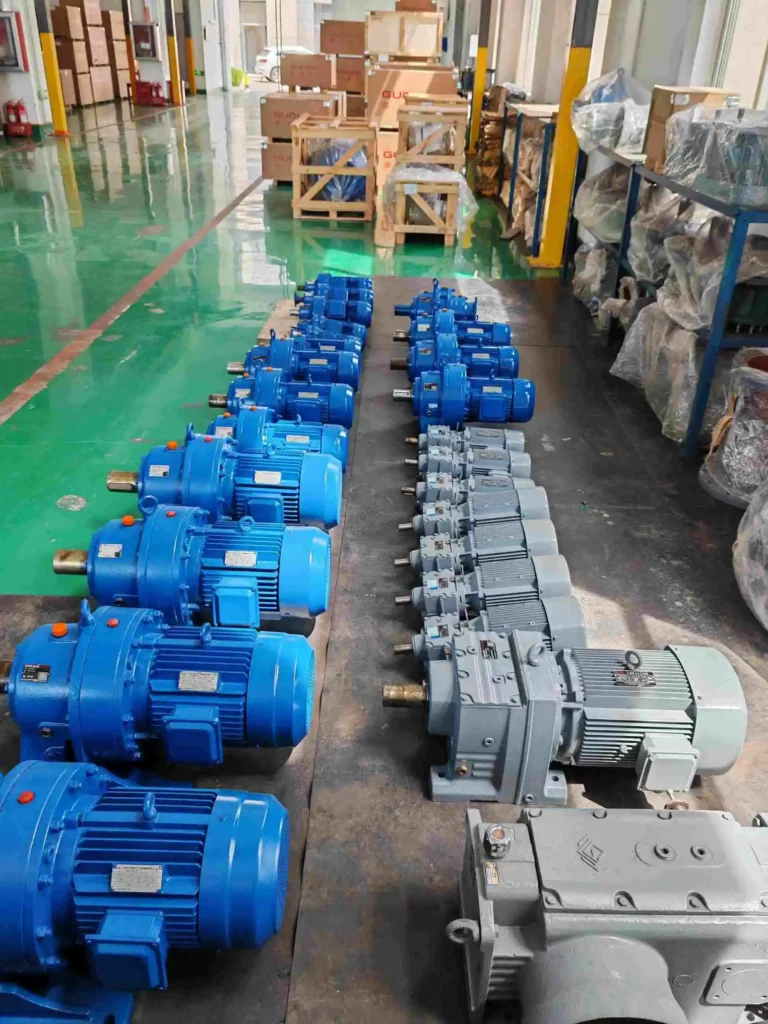
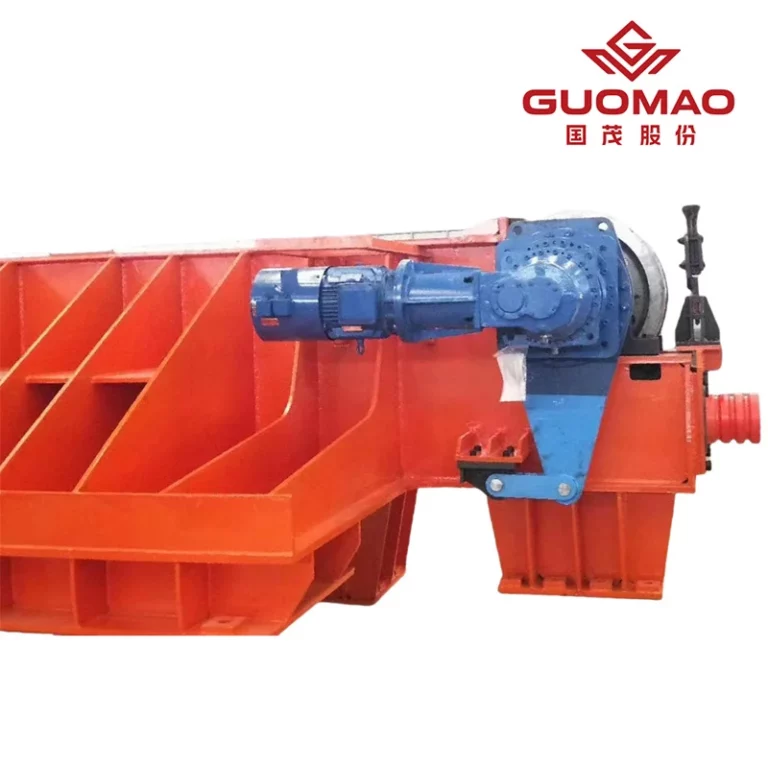
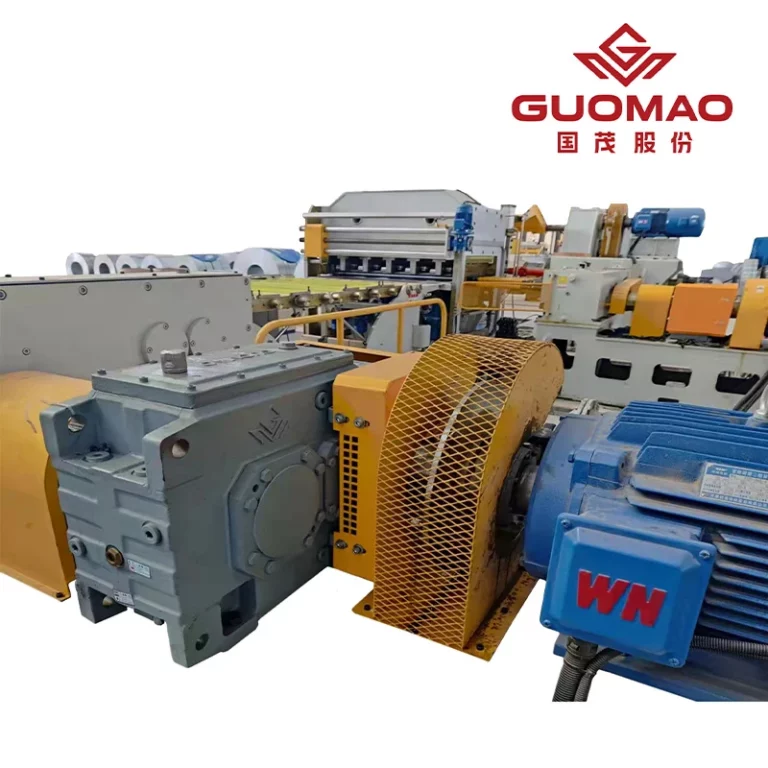
- Helical Gearboxes: These provide even running and good energy use. Helical gearboxes fit tasks that need fair to strong power output. People often use them in setups handling average to large weights. They work well for tasks like screw conveyors and bucket elevators.
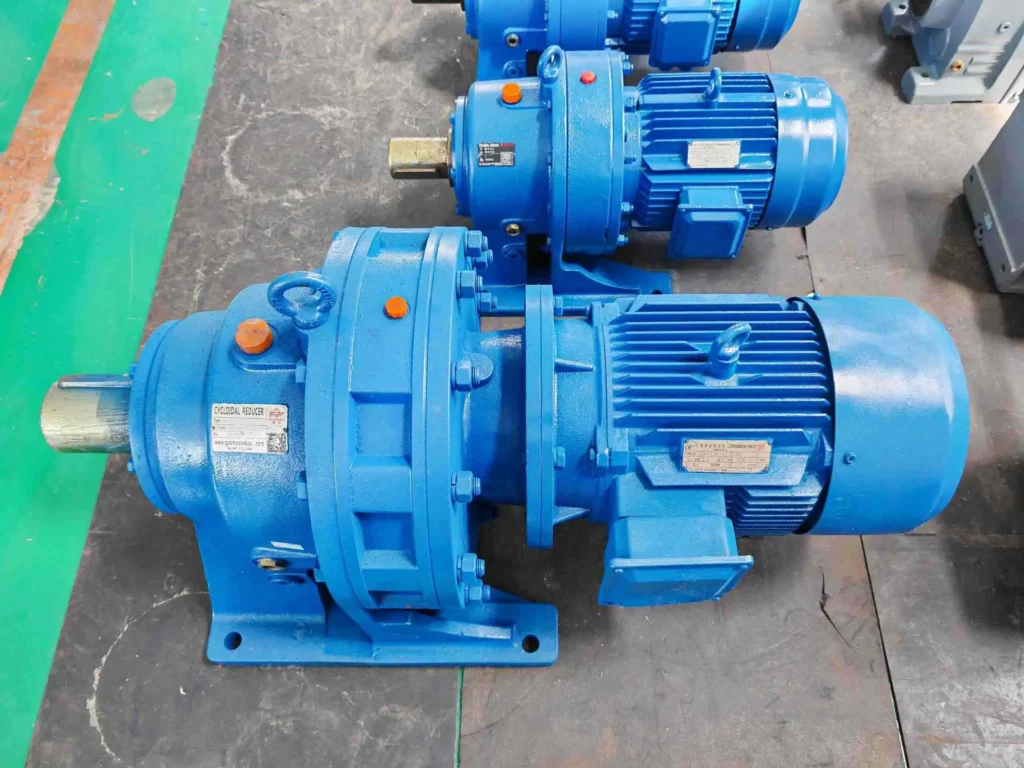
- Cycloidal Gearboxes: Builders design these for tough jobs. They focus on small size, quiet work, and solid efficiency. Cycloidal gearboxes shine in low-speed, high-torque tasks. For instance, theysuit mining conveyors
- Planetary Gearboxes: These see wide use in jobs needing strong power transfer in a small package. Planetary gearboxes resist sudden loads effectively. As a result, they match demanding areas like automotive manufacturing and material handling.
- Worm Gearboxes: These suit slow-speed, high-power jobs. Their self-locking trait helps. Thus, they appear in conveyors that run in two ways without reverse pull. Packaging conveyors and textile machinery often benefit from worm gearboxes.
How Do Gear Ratios Affect Conveyor Belt Gearbox Selection?
Gear ratios rank high when you pick a conveyor belt gearbox. They control speed drop and power boost. Here is how gear ratios shape your gearbox pick:
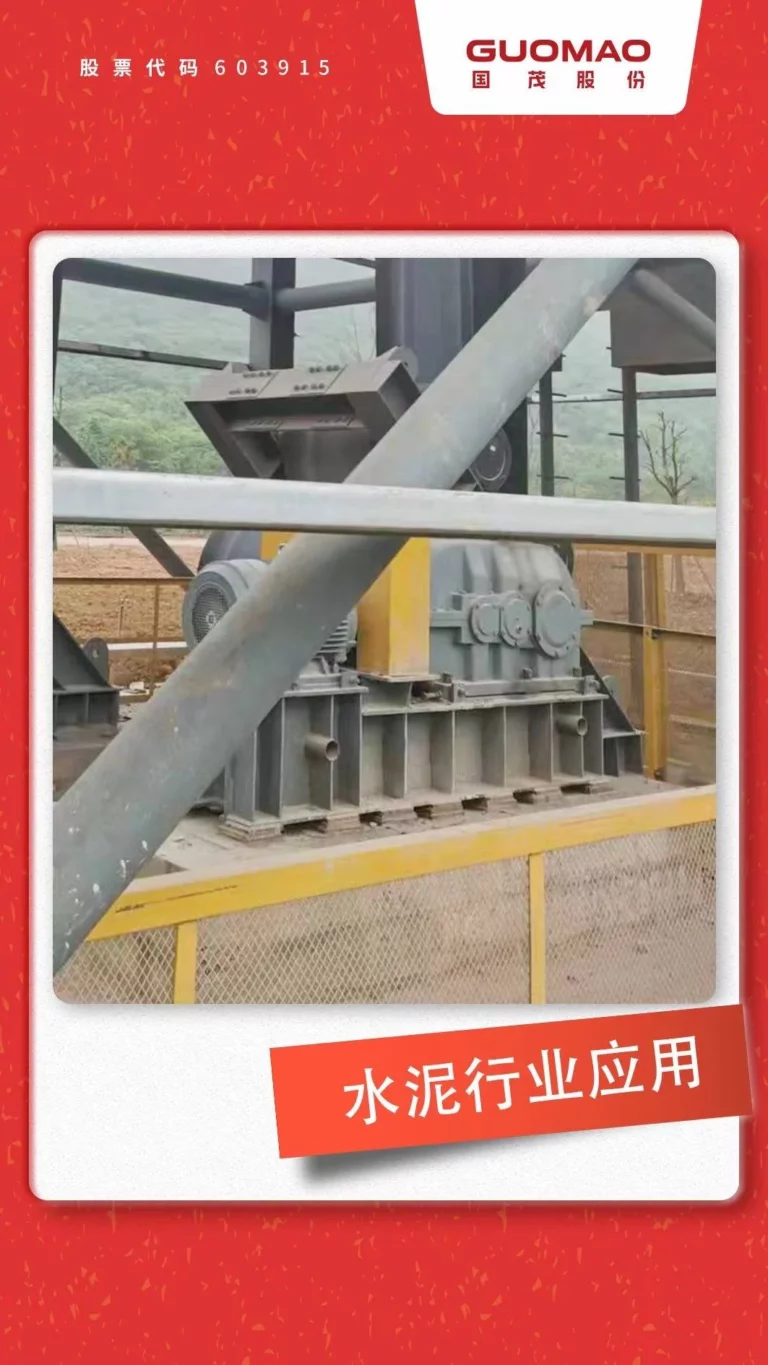
- Higher Gear Ratios: If your conveyor must manage big weights at low paces, choose a gearbox with a bigger gear ratio. It delivers the needed power to shift heavy items. At the same time, it keeps the setup running steadily. For example, heavy-duty conveyors in fields like mining and cement production gain from such ratios.
- Lower Gear Ratios: If you want quicker paces but lower power, opt for a smaller gear ratio. This setup fits food processing conveyors. There, fast work matters most.
Grasping the right gear ratio for your setup can cut energy expenses. It also lifts daily output.
Key Considerations for Selecting the Right Conveyor Belt Gearbox
What Factors Should You Consider When Choosing a Conveyor Gearbox?
Picking the proper gearbox for your conveyor calls for weighing several points:
- Load Requirements: Does your conveyor deal with small, average, or large weights? Base your gearbox choice on the torque capacity needed. For one thing, Guomao’sGR Series Helical Geared Motor covers power from 0.12 to 200 kW. Hence, it works for both easy and tough tasks.
- Speed and Efficiency: Tasks vary in needed speeds. Gearboxes with better efficiency cut running costs. Planetary gearboxes, such as Guomao’s GX Series, stand out for their strong efficiency levels. They ensure even running. Plus, they lower energy use.
- Environmental Conditions: The setting around the conveyor affects gearbox choice a lot. For example, if dust or heat surrounds the system, pick a gearbox with good seals and cooling. In that case, Guomao’s Cycloidal Reducerswould fit perfectly.
How to Match Gearbox Types to Specific Conveyor Applications
The best gearbox type ties to the exact demands of the conveyor task. Below are some typical field uses and the top gearbox matches for each:
- Mining and Heavy Industry: Conveyors in mining must manage strong power and large weights. Planetary gearboxes excel here. They provide lasting strength and solid load handling.
- Packaging and Food Processing: Tasks needing quick-running call for helical gearboxes. They run quieter and more effectively than others. Therefore, they suit food conveyors nicely.
- Textiles and Light Industry: In these areas, cutting noise and using small designs matter. Cycloidal gearboxes handle this well. They offer the strong power and slow-speed features needed for textile tools and linked conveyors.
The Benefits of Using a High-Quality Conveyor Belt Gearbox in 2026
Why is Efficiency Critical in Conveyor Belt Gearbox Selection?
Saving energy grows more vital in factory work. Conveyor systems often run for long stretches. The gearbox helps cut energy use in a big way. Gearboxes with top efficiency, like Guomao’s GR Series, reach efficiency ratings above 95%. They make a great pick for trimming power bills. At the same time, they keep a strong output.
Also, a top-grade gearbox cuts down on regular upkeep needs. This lowers total costs over the conveyor’s full run time.
How Do Advanced Gearbox Features Improve Conveyor System Performance?
By 2026, new tech in gearboxes boosts their dependability, energy savings, and upkeep ease. Traits like modular design, low noise, and high torque handling lift conveyor setups are used in many fields.
Take Guomao’s GK Series Helical-Bevel Geared Motor, for instance. It gives modular installation choices and high torque handling capacity. Thus, it ranks as a leading option for tasks needing both savings and flexibility.
FAQ
Q: What type of conveyor belt gearbox is best for heavy-duty applications?
A: For tough tasks, like those in mining or cement production, planetary gearboxes stand out. They deliver strong power and lasting build. These traits prove key for big weights and rough settings.
Q: How does gear ratio affect the efficiency of a conveyor belt gearbox?
A: Gear ratios shape speed and power greatly. Bigger ratios fit jobs with big weights and slow paces. Smaller ratios suit quicker, lighter jobs. Picking the proper ratio aids in fine-tuning energy savings and setup output.
Q: What is the ideal gearbox for high-speed conveyors?
A: For quick conveyors, helical gearboxes fit best. They ensure even and effective running. This proves vital for setups needing fast handling, such as in food processing and packaging conveyors.
Q: How do environmental factors impact gearbox selection?
A: Things like heat, dust, and moisture influence gearbox work. In rough spots, choose a cycloidal gearbox. Or pick one with solid seals and cooling, like Guomao’s Cycloidal Reducers. This ensures steady performance and long life.
Q: How often should a conveyor belt gearbox be maintained?
A: Check conveyor belt gearboxes often for wear signs. This holds true especially in nonstop use. Steady upkeep, such as oiling and part checks, stretches the gearbox’s life a lot. It also avoids expensive stops.