


What Is a Planetary Gearbox and How Does It Work in Modern Manufacturing?
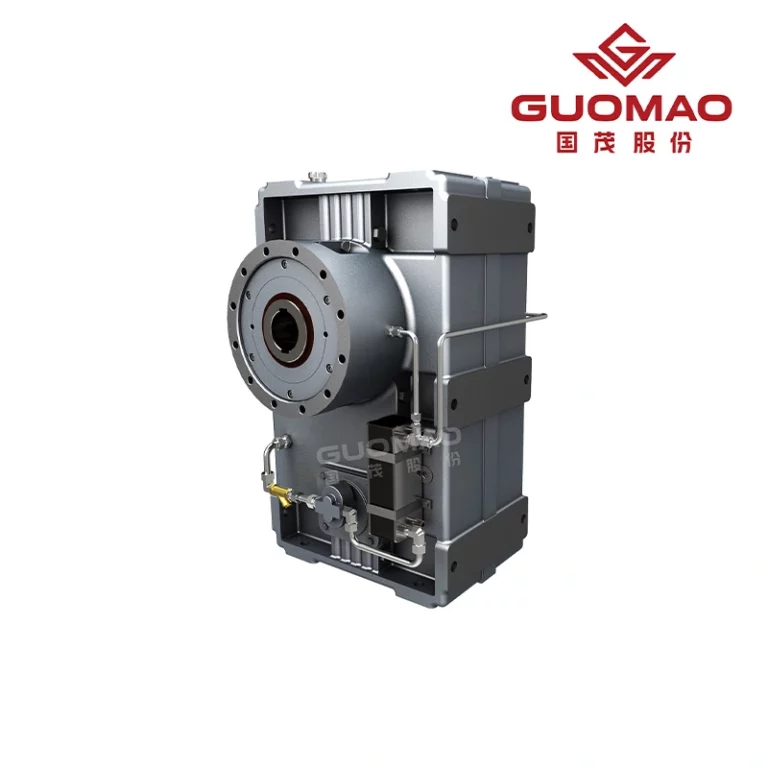
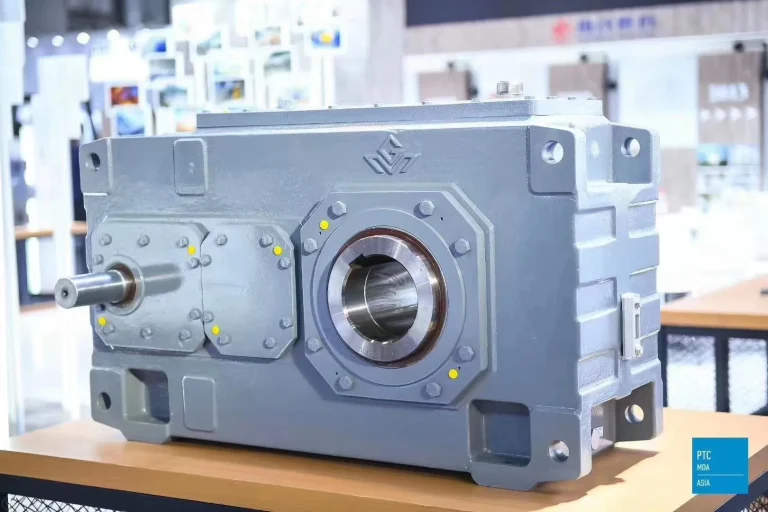
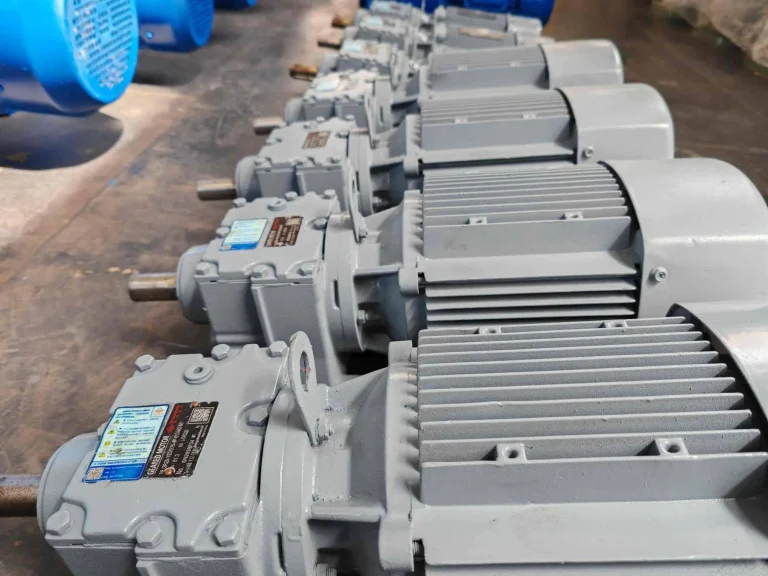
A planetary gearbox serves as a solid drive unit. It aims to send a strong torque in a tight frame. The unit includes a sun gear, several planet gears, a ring gear, and a carrier. This setup allows various gear contacts to split the work together. Therefore, it differs a lot from usual gear units.
What Are the Key Components of a Planetary Gearbox System?
The main parts cover:
- Sun gear: drives the system input from the motor
- Planet gears: rotate around the sun gear and distribute torque
- Ring gear: provides internal engagement
- Carrier: transfers output torque
This group gear action keeps the force spread even. It also boosts machine steadiness.
How Does the Planetary Gear Arrangement Distribute Load Efficiently?
A planetary gearbox spreads torque over a number of gears. This sets it apart from one-contact gear units. As a result, it leads to:
- Lower stress per gear tooth
- Reduced wear and fatigue
- Improved load capacity
This setup proves quite useful in industrial planetary gearbox applications where steady work and trust are vital.
Why Does the Design Enable Compact Structure and High Transmission Efficiency?
Planetary gear units reach output rates up to 95–98%. They achieve this through less power waste and better gear contact. Their aligned build cuts space needs as well. For that reason, they suit current work settings with small installation areas.
Why Are Planetary Gearboxes Essential for Modern Manufacturing Efficiency?
Current work units call for good output, accuracy, and power savings. Planetary gearbox tech addresses these points. It does so with its solid build and machine features.
How Does High Torque Density Improve Equipment Performance?
Strong torque density lets more power pass in a limited area. This proves helpful for:
- Automated production systems
- Robotics
- High-speed machinery
In high torque planetary gearbox applications, this feature boosts the machine work rate at once.
Why Do Planetary Gearboxes Offer Higher Efficiency Than Conventional Gear Systems?
Even gear contact lowers rub losses. It also betters the power shift. When set against old gearboxes:
- Energy loss is minimized
- Heat generation is reduced
- System efficiency is significantly improved
This positions planetary gearboxes as a top choice for energy-efficient manufacturing systems.
How Does Load Sharing Enhance Durability and Service Life?
Load split sees to it that no one gear takes too much strain. Thus, it brings:
- Extended service life
- Reduced maintenance frequency
- Improved operational reliability
Why Are They Suitable for Continuous and High-Load Industrial Operations?
Planetary gearboxes fit high-work cycles. Their sturdy build lets them run without pause under big loads. They keep the output intact this way.
Where Are Planetary Gearboxes Used in Modern Manufacturing Industries?
Planetary gearboxes find broad use in fields that need accuracy, steadiness, and strong torque transmission.
At Guomao, we focus on developing both precision and heavy-duty planetary gearbox solutions, supporting a wide range of manufacturing applications with engineered transmission systems.
How Are Planetary Gearboxes Applied in Automated Production Lines?
In auto units, planetary gearboxes offer steady movement control and timing. Their small build eases fitting into complex machine plans.
What Role Do They Play in Robotics and Precision Machinery?
In robotics, precision planetary gearboxes play a vital role in gaining low backlash and solid spot accuracy. These units target accuracy tasks. They stand apart from large work reducers.
Take the Guomao Precision Planetary Reducer as an example. It suits high-accuracy send jobs. It comes with:
- Case-hardened gears with hardness of HRC58–62
- Double-supported planetary structure for enhanced rigidity
- Improved fatigue life and reduced noise
These traits render it apt for robotics, machine tools, semiconductor gear, and air work uses.
How Are They Used in Heavy-Duty Industries and Material Processing Equipment?
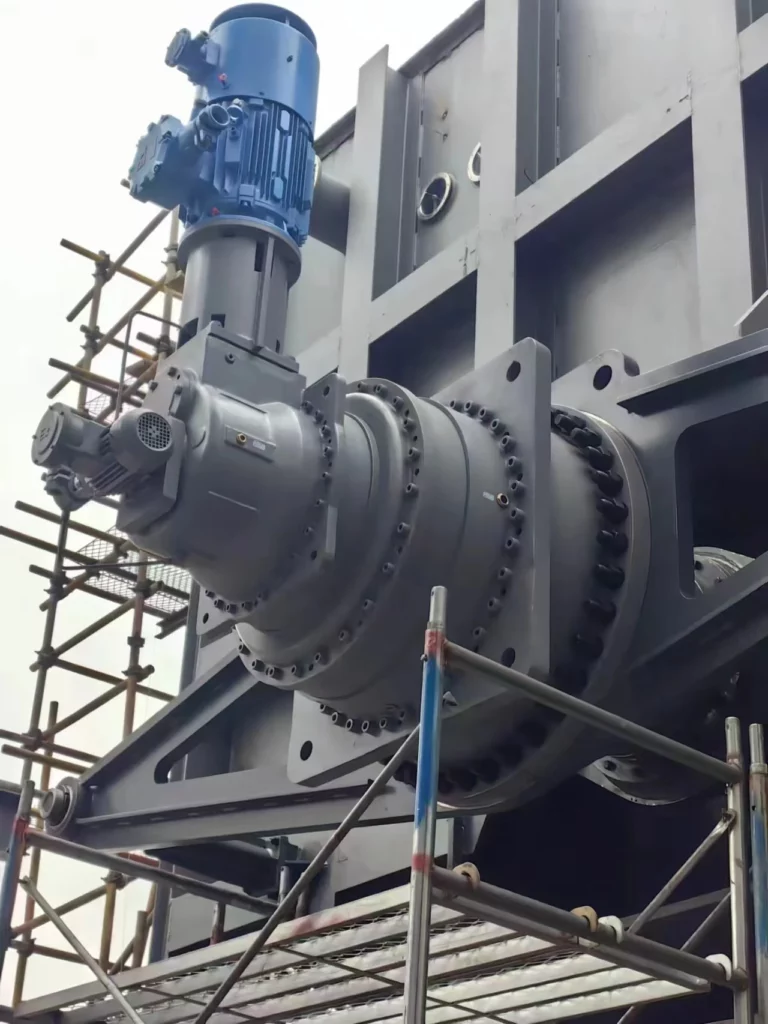
In tough settings, planetary gearboxes need to send very strong torque. They must hold steadiness too.
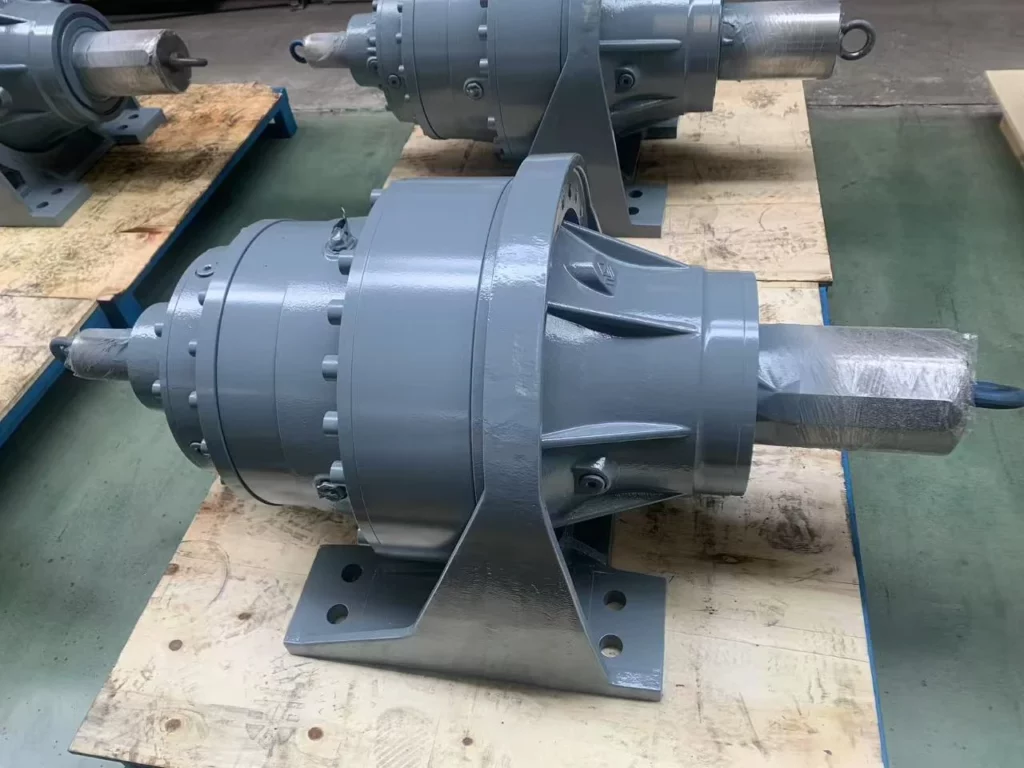
The Guomao Engineering Mechanical Planetary Gearbox suits these uses. It delivers:
- High torque capacity (up to 850000 kN·m)
- Compact planetary structure
- High-speed adaptability
This renders it apt for building machines, road gear, and large work systems.
Why Are They Critical in Advanced Manufacturing Systems?
From accuracy setup to tough material work, planetary gearboxes help makers weigh output, savings, and trust. Their flexible nature turns them into a key part of current work setups.
What Are the Latest Trends in Planetary Gearbox Technology?
Planetary gearbox tech keeps advancing. It works to fit the needs of Industry 4.0 and forward work units.
How Is Advanced Gear Grinding Improving Precision and Efficiency?
High-accuracy grinding betters gear tooth care. It yields:
- Reduced vibration and noise
- Higher transmission efficiency
- Improved operational stability
Why Is Modular Design Becoming a Standard in Gearbox Engineering?
Modular build permits bendy setup for varied uses. It lets makers:
- Customize gear ratios
- Adapt to various installation conditions
- Reduce production lead times
How Are Smart Monitoring and Predictive Maintenance Integrated into Gear Systems?
New gearboxes add state check tech more and more. Examples include:
- Temperature sensors
- Vibration analysis systems
- Lubrication monitoring
These techs aid in upkeep. They cut stop times, too.
What Materials and Heat Treatment Technologies Improve Gear Strength and Wear Resistance?
Carburized and quenched alloy steel improves hardness and wear resistance. Forward heat work steps see to it that gears bear big loads and long run cycles.
How to Select the Right Planetary Gearbox for Industrial Applications?
Picking the right planetary gearbox matters for the best output and trust.
What Are the Key Parameters: Torque, Speed, and Transmission Ratio?
Main points covered:
- Required output torque
- Input speed from the motor
- Desired transmission ratio
Spot-on pick guarantees good power send. It prevents overload on the system.
How Do Operating Conditions Influence Gearbox Selection?
Spot factors like heat, dirt, and load shifts affect gearbox output. The right pick guarantees steady work in these factors.
Why Are Lubrication and Thermal Capacity Critical for Performance?
Oiling lowers the rubbing and stops overheating. The heat handle guarantees that the gearbox runs within safe heat limits.
How Do Installation and Alignment Affect Long-Term Reliability?
A wrong setup can cause offline, added shake, and early damage. The right line-up proves key for holding gearbox output.
What Factors Affect Planetary Gearbox Performance and Reliability?
Grasping work risks aids in raising gearbox output and life span.
How Do Load Conditions and Misalignment Impact Gearbox Lifespan?
Uneven load spread and off-line can bring too much strain on gears and supports. This causes early breakdown.
What Causes Noise, Vibration, and Thermal Issues in Operation?
Usual reasons cover:
- Gear wear
- Inadequate lubrication
- Improper installation
How Can Proper Lubrication and Cooling Improve Stability?
Keeping proper oil levels and cool conditions lowers wear. It stops overheating as well. Hence, it guarantees steady work.
What Maintenance Strategies Extend Gearbox Service Life?
Solid upkeep covers:
- Regular inspection
- Lubrication monitoring
- Timely replacement of worn components
FAQ
Q: What is a planetary gearbox used for in modern manufacturing?
A: A planetary gearbox sends torque well in uses like robotics, auto systems, machine tools, and tough work gear. It offers strong torque density and a small build for current work needs.
Q: How does a planetary gearbox improve efficiency in industrial systems?
A: A planetary gearbox better outputs by spreading the load over several gears. This cuts power loss and raises send output. It usually reaches up to 98%.
Q: What industries commonly use planetary gearbox systems?
A: Planetary gearbox systems see broad use in robotics, CNC machines, building gear, chip work, and material work fields.
Q: How to choose the right planetary gearbox for an application?
A: Pick relies on torque needs, speed, send ratio, work factors, and heat handle. Accuracy planetary gearboxes suit robotics. Build planetary gearboxes suited to tough uses.
Q: What maintenance is required for a planetary gearbox?
A: Steady oiling, checks of gears and supports, watch of heat and shake, and right line-up are vital. They guarantee long-term trust and output.