


Modular Gear Drive Systems and Industrial Downtime Challenges
Why Modular Gear Drive Systems Are Central to Downtime Reduction in Industry
Modular gear drive systems help cut industrial downtime. They do this by speeding up how gear gets fixed, changed, or improved after a stop. In many work areas, stops happen not from big breaks but from slow part swaps, parts that do not fit, or hard setup steps. A modular gear drive system fixes these at the planning stage. It uses set links and setups. Thus, fix teams can move fast and right when issues come up.
How Downtime Impacts Throughput and Maintenance Strategy
Industrial downtime affects more than immediate output, as it reshapes maintenance planning, spare parts strategies, and overall operational risk. When a gear drive is highly customized or lacks standardized interfaces, even routine maintenance can escalate into extended shutdowns. Modular gear drive systems reduce this risk by enabling predictable maintenance workflows, shortening intervention time, and supporting proactive planning rather than reactive repair.
What a Modular Gear Drive System Really Means in Engineering Terms
Core Design Principles Behind Modular Gear Drive Systems
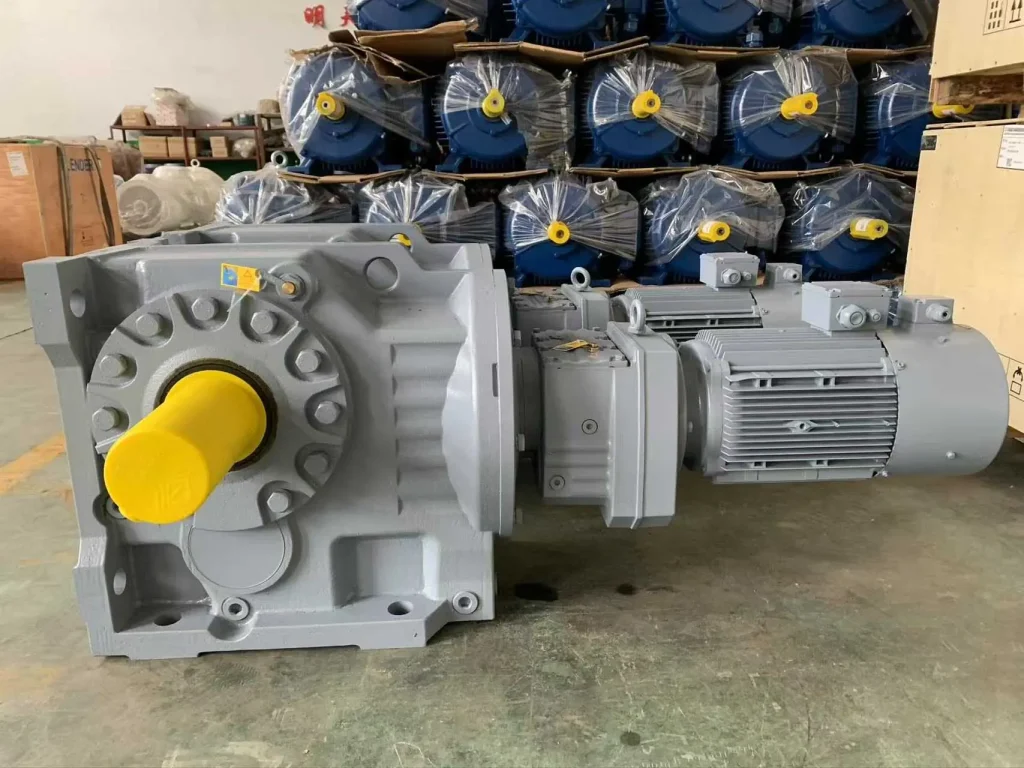
A modular gear drive system follows build rules that put bend first without losing trust. These rules cover set house sizes, swap motor links, and gear steps that mix to get many speed turns and pull levels. This plan lets one drive base work in various jobs. At the same time, it keeps steadily building work.
Common build parts include:
- Standardized motor and flange interfaces compatible with IEC motors
- Consistent housing geometry across power ranges
- Modular gear stages enabling scalable ratios
- Multiple mounting arrangements using the same core components
Modular Gear Drive Systems vs. Conventional Gearbox Designs
Conventional gearboxes often solve a specific mechanical requirement but lack adaptability once installed. In contrast, modular gear drive systems are engineered for lifecycle flexibility. When operating conditions change—such as increased load, layout modification, or motor replacement—a modular system can be reconfigured without replacing the entire drivetrain. This adaptability directly contributes to reduced downtime during both planned upgrades and unexpected maintenance.
How Modular Gear Drive Design Reduces Downtime in Practice
Faster Replacement Enabled by Standardized Interfaces
Set links make modular gear drive systems cut stops in real work spots. When motors join, shaft sizes, and setup shapes follow one rule; swaps turn into simple build tasks. They avoid full plan work. This way cuts line mistakes. It also shortens the time to get gear back to work.
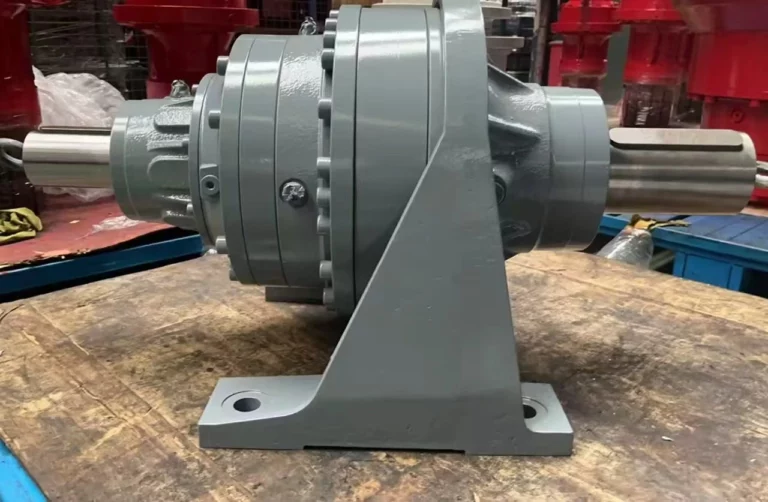
In straight line setups, this gain shows clearly. Modular straight helical picks like Guomao’s GR Series let motors get swapped or bettered. They keep the first gearbox space. Since the house and links stay the same, start-up time drops. Run flow gets better, too.
Maintenance Efficiency Through Modular Gear Drive Architecture
Fix work gets better when many drive setups share one modular build. From a fixed view, modular gear drive systems cut the count of special parts needed on site. They make fixing steps simpler. Parts like bearings, seals, and houses often share setups. So, fix teams use known items and set tools.
Modular bases like Guomao’s G Series Gear Reducers show how shared build backs set fixed ways. By using the same fix steps over the shaft setups, stops can be planned better. Fix times shrink. And trust stays strong.
Modular Gear Drive Applications Where Downtime Reduction Matters Most
Modular Gear Drive Systems in Conveying and Material Handling
Move and goods handling setups often face plan shifts from size growth or step improvement. Modular gear drive systems back these shifts. They let side shaft or straight setups move without changing bases or hold builds. This bend makes sure that the stops in the setup change stay small and set.
Modular Gear Drive Solutions for Hoisting and Process Equipment
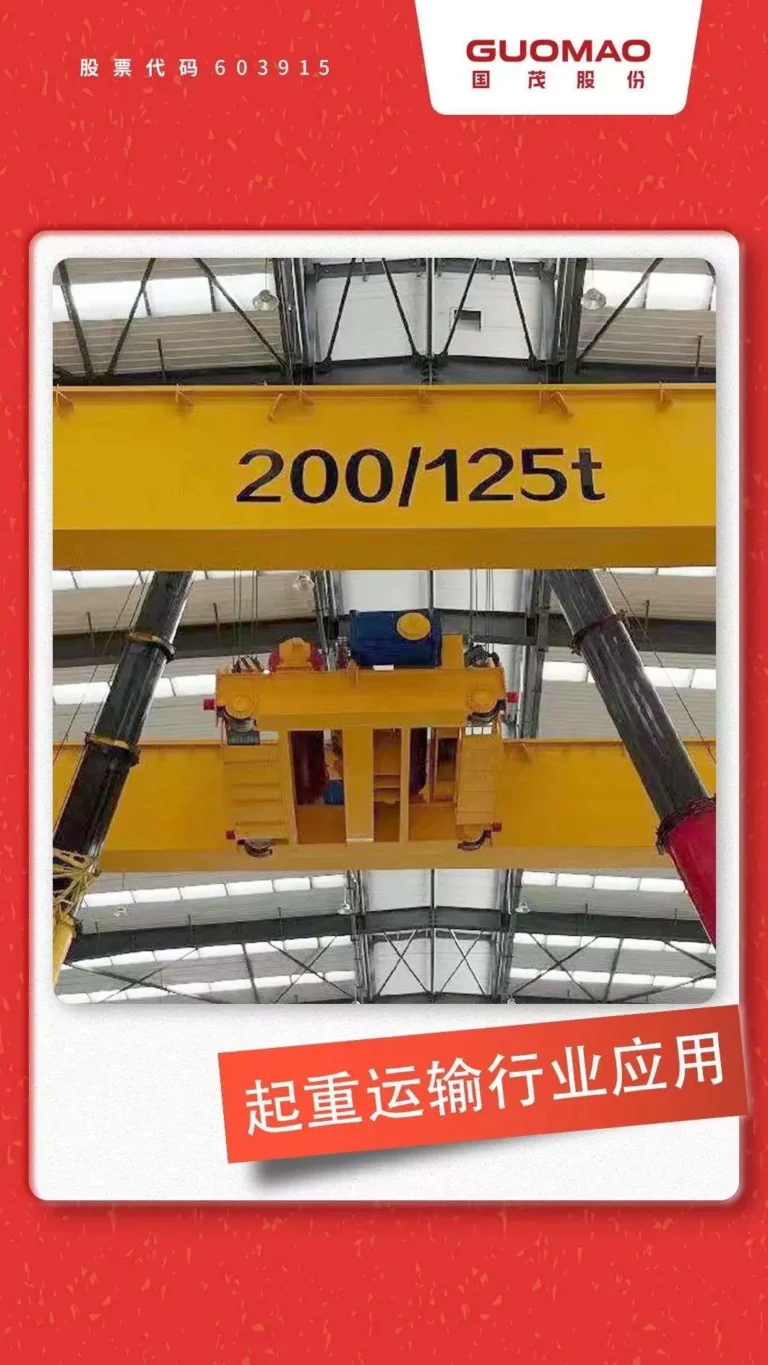
Lift and step gear often runs under changing loads and tight space limits. Modular gear drive systems with angle-right setups allow small fits. They keep a check and fix access. This mix of space use and fix ease helps cut stops in spots where fix reach is low.
Engineering Considerations When Evaluating Modular Gear Drive Systems
Selecting Modular Gear Drive Configurations Based on Shaft Orientation
Shaft direction counts a lot when picking a modular gear drive system. Straight, side shaft, and angle-right setups each fit different build plans and load ways. Modular bases let builders pick the best direction. They do this without shifting the full drive group. This keeps gear match over tools.
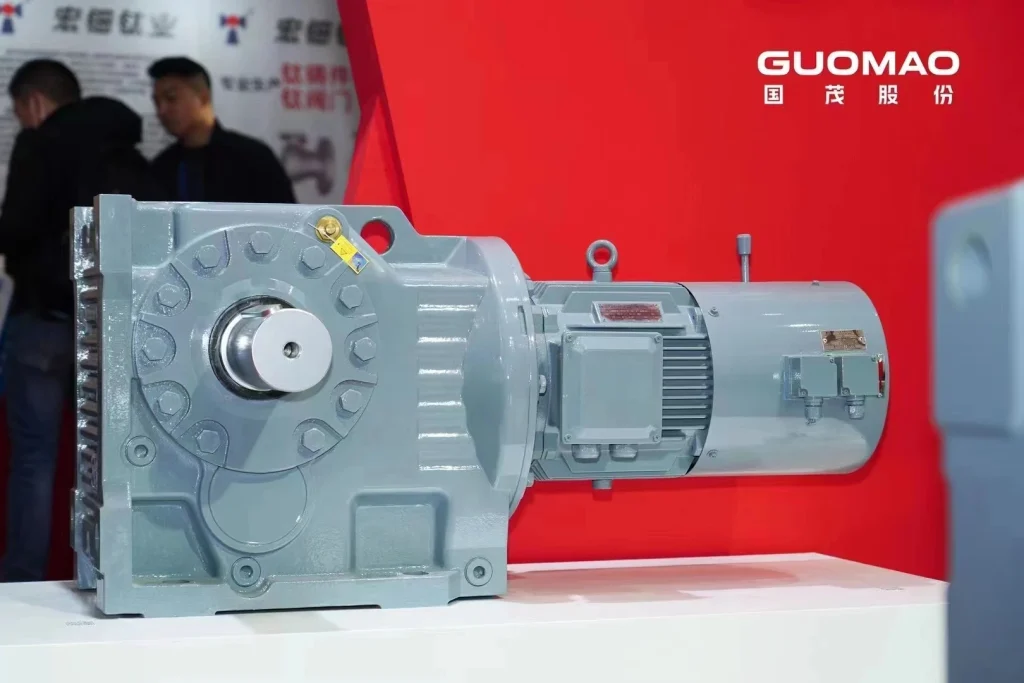
In angle-right plans, slant-bevel modular plans give a good mix of small size and work rate. For instance, Guomao’s GK Series Helical-Bevel Geared Motor shows how angle-right modular gear drives fit into tight spots. They keep set links that back quick swaps and lower stops.
Efficiency, Load Capacity, and Service Life in Modular Gear Drive Systems
Work rate and fix time are key work signs for modular gear drive systems. High send rate cuts heat make. Good gear shape and bearing pick stretch fix gaps. Modular setups back right size picks through close step speeds and set pull ranges. This avoids too-big picks and extra wear.
How Guomao Modular Gear Drive Systems Address Downtime Risks
Modular Helical Gear Drive Platform Design at Guomao
At Guomao, we build modular helical gear drive systems on a single build base. It puts bend, strong make, and fix ease first. Our modular way makes sure shaft setups and mount plans share set houses and links. This allows quick change without hurting the build strength.
Applying Modular Gear Drive Systems to Real Industrial Conditions
Using modular gear drive systems in real work requires looking past base pull numbers. Builders must check how the drive will get fixed, bettered, and changed over time. Modular builds back these long needs. They allow shifts to motors or plans without a build change.
This bend matters more in big gear checks and life plan talks. Such talks often happen at trade meets like CONEXPO-CON/AGG 2026. There, system bending and running keep are the main building aims.
FAQ
Q: What makes a modular gear drive system effective for reducing downtime?
A: A modular gear drive system reduces downtime by using standardized interfaces and interchangeable components, enabling faster replacement, fewer installation errors, and predictable maintenance procedures.
Q: How should a modular gear drive system be selected for industrial use?
A: Selection should consider torque requirements, shaft orientation, mounting constraints, and future adaptability to ensure the system supports both current and evolving operational needs.
Q: Are modular gear drive systems suitable for continuous-duty applications?
A: Modular gear drive systems are suitable for continuous-duty applications when properly sized, as their standardized design supports high efficiency, stable operation, and long service life.
Q: How does a modular gear drive system compare to a traditional gearbox?
A: Compared to traditional gearboxes, modular gear drive systems offer greater flexibility, faster replacement, and simplified maintenance, which collectively reduce downtime over the equipment lifecycle.
Q: Which factors most influence downtime in modular gear drive systems?
A: Downtime is influenced by interface standardization, maintenance accessibility, correct sizing, and the availability of compatible spare parts within the modular platform.