


Understanding the Difference Between Industrial Gearboxes and Planetary Gearboxes
In factory equipment, gearboxes help move power well. Both industrial gearboxes and planetary gearboxes see common use. However, the choice between them relies on exact work demands. Grasping what sets them apart aids firms in boosting work output. It also trims power expenses and lowers stop times across many sectors.
Key Characteristics of Industrial Gearboxes
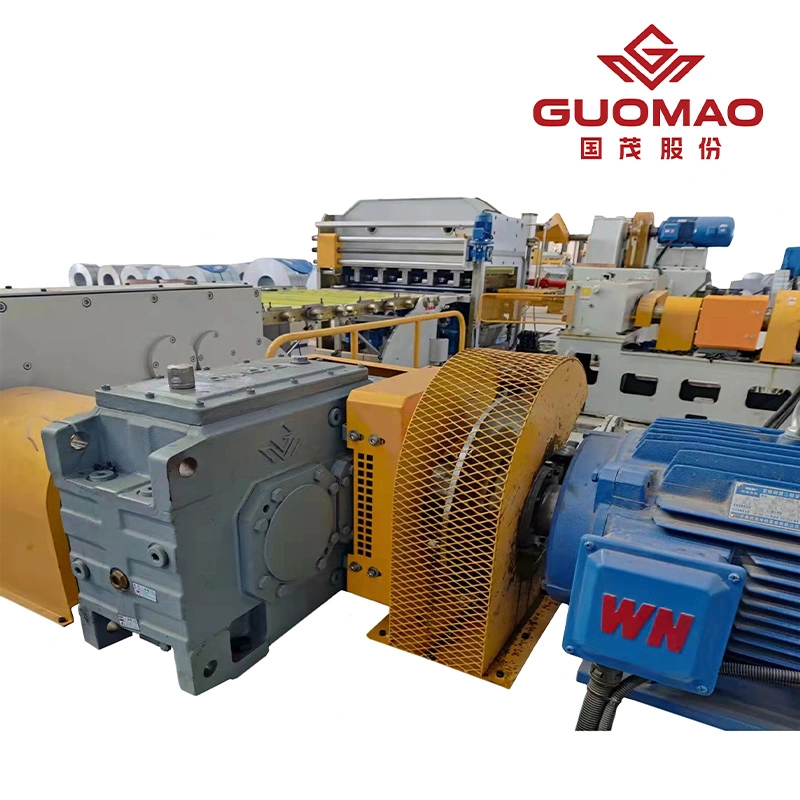
Industrial gearboxes fit tough jobs that call for strong turning power. These units appear often in fields like building, digging, and metal processing. They feature assorted setups, such as helical, bevel, and worm gears. Makers construct them to endure heavy weights.
- Durability: Industrial gearboxes stand out for managing hard tasks over long periods.
- Versatility: You can tailor them to match varied factory job needs.
- Maintenance Needs: Heavy burdens they bear often demand steady upkeep to keep peak output.
Key Characteristics of Planetary Gearboxes
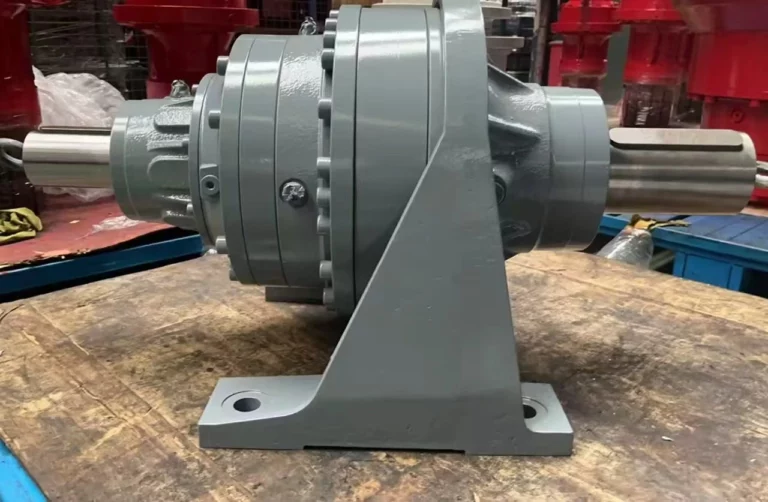
Planetary gearboxes rely on a fresh setup idea. They feature a middle “sun” gear. “Planet” gears encircle it and spin around. This arrangement enables planetary gearboxes to deliver greater turning power density in a tighter build.
- Efficiency: Planetary gearboxes gain note for stronger output from low rubbing and even running.
- Compact Design: Their small frame suits limited-space jobs. It provides solid turning power without much room.
- Precision: They often serve in tasks needing exact handling and strong turning power. Examples include robot systems and vehicle setups.
Energy Efficiency in Gearbox Systems: Comparing Industrial and Planetary Gearboxes
Power output ranks high for fields aiming to sharpen work and shrink running bills. Both industrial gearboxes and planetary gearboxes bring power-saving perks. Yet, output strength differs.
How Industrial Gearboxes Contribute to Energy Consumption
Industrial gearboxes prove trusty, yet they often show power shortfalls from wear and part waste. Standard helical and bevel gear configurations in industrial gearboxes produce extra rub. As a result, it sparks power drain in the arrangement.
- Frictional Losses: Linking gears in industrial gearboxes spark rub. This creates warmth and cuts power output.
- Efficiency Range: Industrial gearboxes usually work in an output span of 85% to 92%. The setup and its care affect this.
Planetary Gearboxes and Their Energy-Saving Advantages
Planetary gearboxes provide better power output through their special design. Weight spreads over several gears. Thus, it lessens the rub. And it betters the full arrangement’s power work. Hence, they match fields that value power cuts and work output.
- Reduced Friction: Gear layout in planetary gearboxes cuts straight gear-to-gear touch. So, rub drops and power waste eases.
- High Efficiency: Planetary gearboxes earn praise for output. They commonly reach over 95%. This fits firms set on lowering power use.
Minimizing Downtime: The Role of Gearbox Technology in Operational Efficiency
Stop times in factory work can bring major hits. Gearbox fails, or weak spots trigger surprise halts. These hit output plans and income right away. Picking the proper gearbox tech can ease stop times.
How Industrial Gearboxes Affect Maintenance and Downtime
Industrial gearboxes, with their big-weight handling, often face more wear. This leads to steadier upkeep and fixes. In effect, it raises stop times.
- Regular Maintenance: Industrial gearboxes call for regular upkeep. This covers oil swaps and part checks to prevent breaks.
- Unscheduled Downtime: Without the right care, industrial gearboxes can experience surprise failures. They cause output stops and waits.
Planetary Gearboxes: A Solution for Reduced Downtime
Planetary gearboxes aim to run well over longer stretches. They need less upkeep. Their strong turning power pairs with small, sturdy builds. Therefore, breaks lessen. Stop times shrink, too. This positions them as a fine pick for fields that can’t pause output.
- Lower Maintenance: Planetary gearboxes require less frequent care. Their output builds and load-bearing skills reduce wear.
- Reliability: The sturdy layout of planetary gearboxes guarantees extended run time and fewer work hitches.
Guomao’s Solutions: Optimizing Gearbox Performance for Businesses
At Guomao, we grasp the call for solid and output-strong gearboxes. They ease power use and stop. Our lineup of industrial gearboxes and planetary gearboxes is crafted to fill needs in diverse fields. They offer fixes that lift work output.
Guomao’s Industrial Gearboxes: Designed for Heavy-Duty Applications
Guomao’s HB Series Industrial Gearboxes are made for hard factory jobs needing strong turning power and lasting strength. These units suit fields like digging, building, and metal work. There, trust and strength stand key.
- HB Series Gearboxes aim to handle the toughest spots. They secure lasting trust and slimmer upkeep calls.
- Modular layouts allow us to tailor our gearboxes to fit precise needs. They assure strong output in assorted jobs.
Guomao’s Planetary Gearboxes: Precision and Efficiency at Work
Guomao’s Planetary Gearboxes: Precision and Efficiency at Work
For applications requiring high precision and compact designs, Guomao’s planetary gearboxes offer an ideal solution. Renowned for their compact build and high torque density, these gearboxes provide exceptional performance in environments where space is limited, and efficiency is paramount.
- Guomao’s planetary gearboxesexcel in industries where both precision handling and space savings are crucial, such as robotics, automotive, and material handling.
- The efficient design of our planetary gearboxes ensures smooth operation with minimal energy loss, reducing downtime and contributing to significant energy savings, making them a reliable and cost-effective choice for businesses.
FAQ
Q: What is the main difference between industrial gearboxes and planetary gearboxes?
A: Industrial gearboxes serve tough jobs needing strong turning power at slow rates. Meanwhile, planetary gearboxes remain small, output-focused, and dense in turning power. Thus, they excel in fine and tight-room jobs.
Q: Which gearbox type is more energy-efficient, industrial or planetary?
A: Planetary gearboxes usually outperform in power output. Their layout lessens rubbing and part waste. They hit over 95% output as a rule. So, they suit power-aware jobs.
Q: How do planetary gearboxes help in minimizing downtime?
A: Planetary gearboxes call for less upkeep and offer longer run spans than industrial types. Their firm builds cuts, breaks, and eases stops. This proves vital for nonstop factory work.
Q: Can planetary gearboxes be used for heavy-duty industrial applications?
A: Yes, planetary gearboxes manage tough jobs. They bear strong turning power and rough settings. This delivers a solid fix for assorted factory areas.
Q: How do I choose between an industrial gearbox and a planetary gearbox?
A: The pick between industrial gearboxes and planetary gearboxes rests on your job’s exact demands. For big-weight, slow-rate setups, an industrial unit might fit better. Yet, if output, small build, and low stops drive your choice, a planetary unit stands superior.
Q: What are the latest trends in gearbox technology for reducing energy consumption and downtime?
A: Gearbox technology keeps advancing. Fresh builds target energy efficiency and minimize downtime. Advances like planetary gearboxes and modular designs tackle these points. At the 2026 CONEXPO-CON/AGG show, a clear shift showed toward gearboxes with improved energy-saving capabilities and advanced monitoring systems for upkeep. This further trims stops and raises work output.