


Understanding Thermal Management Challenges in 2-Stage Gearboxes
Why Heat Generation Is Inevitable in Multi-Stage Gear Transmission
Handling heat in 2-stage gearboxes begins by noting that heat buildup stems from the basic setup of multi-stage gear transmission. In two-stage setups, power moves through several gear contacts and bearing groups. Each one creates rubbing losses. These turn into heat. Single-stage gearboxes see less total rubbing than 2-stage ones. So, 2-stage designs face bigger heat buildup inside. This happens mainly during high force or steady work.
Another unavoidable contributor to heat is lubricant shear. As gears rotate under load, the lubricant film experiences continuous deformation, generating heat within the oil itself. In low-speed, high-torque applications—typical use cases for 2-stage helical gearboxes—this effect becomes more pronounced, making thermal control a design and application priority rather than a maintenance afterthought.
How 2-Stage Gearbox Architecture Influences Heat Accumulation
The inside build of 2-stage gearboxes shapes heat buildup and release. Tight cases save space for fitting. But they cut the air flow inside. This limits natural air movement. Heat then struggles to move from parts to the case outside. As a result, temps climb steadily.
Shaft setup and oil flow routes affect heat patterns further. Parallel-shaft 2-stage gearboxes can have uneven oil splash. This forms hot areas near bearings and gear spots. Such build traits show why checking heat work matters as much as force handling or gear ratios when picking a 2-stage gearbox.
Key Causes of Overheating in 2-Stage Gearboxes Across Industrial Applications
Load Conditions and Duty Cycles That Push Thermal Limits
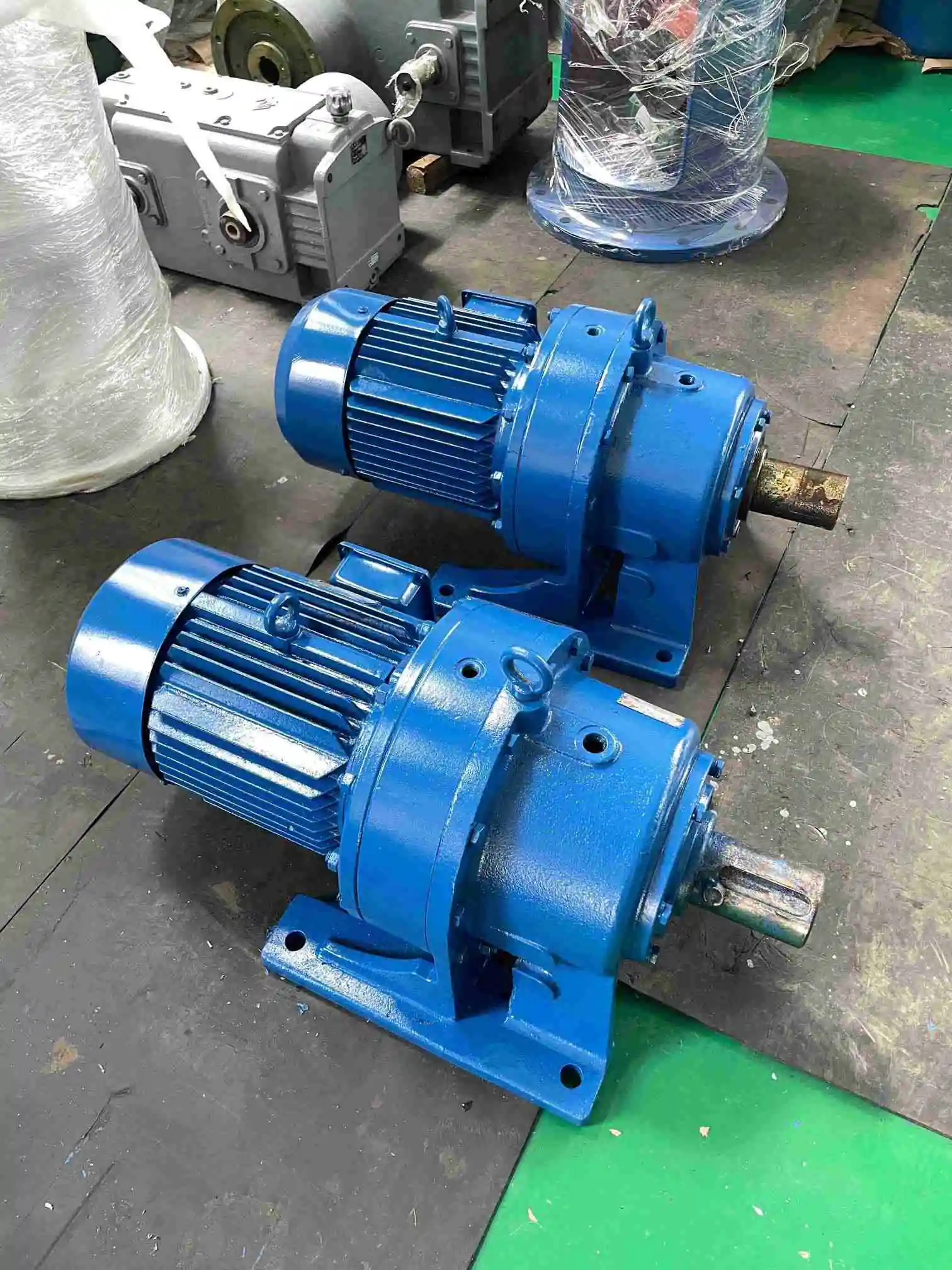
Overheating in 2-stage gearboxes most frequently originates from load conditions that exceed thermal assumptions made during selection. Continuous-duty systems such as conveyors, bucket elevators, and lifting equipment often operate near rated torque for extended periods, leaving limited time for heat dissipation. Repeated start-stop cycles further amplify thermal stress by creating frequent temperature spikes.
In actual setups, a gearbox’s force rating might seem fine. Yet its heat buffer may not fit the real work pattern. This gap is a top reason for ongoing overheating in well-sized 2-stage gearboxes.
Lubrication-Related Factors Affecting Gearbox Temperature
Oil choice shapes heat patterns in 2-stage gearboxes. Wrong oil thickness raises inside rubbing. Worn or dirty oil cuts heat, moving efficiency. Over time, old oil blocks heat like an insulator. It speeds up temp growth instead of cooling.
Splash oiling works in basic 2-stage gearboxes. But it falters under heavy weight and slow turns. Then, pumped oil or extra cooling helps keep temps even.
Environmental and Installation Factors Often Overlooked
Outside settings boost inside heat issues. Warm air around, bad air flow, and a tight space near the case, resulting in lower heat escape power. How you mount it counts, too. Upright or slanted spots change the oil spread and cooling work.
Overlooking these outside points in planning often sparks overheating. This happens even if the gearbox handles force well.
Thermal Risks and Performance Impacts of Overheated 2-Stage Gearboxes
How Excessive Heat Accelerates Wear and Component Degradation
Heat strain speeds up wear inside 2-stage gearboxes. High temperatures weaken the oil layer. This boosts metal rubs on gear edges and bearings. It causes surface tiredness, tiny pits, and shorter bearing runs.
Seals suffer most from heat. Long high-temp contact hardens them. They lose bounce. This raises oil leak chances and extra dirt entry. When oil holds fail, heat damage grows fast.
Efficiency Loss and Unplanned Downtime Risks
Hot 2-stage gearboxes lose power and efficiency. Temps up means more rubbing losses. Input energy turns to heat, not useful force. This raises power use and strains the system’s work.
In practice, too many heat signals are coming to a stop. Sounds, shakes, and odd temp reads warn early. But without quick fixes, overheating leads to sudden breaks and pricey work halts.
Thermal Management Strategies for Preventing Overheating in 2-Stage Gearboxes
Design-Level Approaches to Improve Heat Dissipation
Good heat handling starts in planning. Better case shapes aid heat flow from parts to outside. Fine gear cutting cuts contact losses. Smart tooth shapes spread the weight evenly. They lower the spot heat buildup.
Picking materials helps too. Strong cast iron cases with solid heat flow keep temps steady. This fits heavy-run 2-stage gearboxes for nonstop work.
Lubrication and Cooling Solutions for Temperature Control
Oil cuts rubbing and moves heat. Choose oil thickness to match weight, speed, and air temps. In tough jobs, extra cooling aids are key.
Common thermal management options include:
- External cooling fans to enhance convection
- Integrated oil cooling coils for continuous-duty operation
- Forced oil circulation systems with heat exchangers
These work well for 2-stage gearboxes in high-force, low-speed spots. There, basic cooling falls short.
Monitoring and Maintenance Practices That Reduce Thermal Risk
Active checks cut heat risks a lot. Temp sensors in key spots give early alerts. Regular oil tests spot wear before heat spikes. Planned upkeep keeps the heat work steady through the gearbox’s life.
Evaluating Thermal Performance When Selecting a 2-Stage Gearbox
Thermal Power Rating and Service Factor Considerations
The thermal power rating shows heat escape under set conditions. It differs from the basic force rating. Match it to real work patterns. A gearbox that fits force but not heat faces steady overheating.
Service factors adjust picks for sudden loads, run times, and weight changes. Safe heat buffers lead to better trust and lower long-term costs.
Application-Specific Requirements That Influence Thermal Design
Various jobs set different heat needs. Belt systems need lasting heat stability. Hoist and lift gear want controlled temp climbs under short heavy loads. Knowing these fits heat plans to true runs.
How Guomao Addresses Thermal Management Challenges in 2-Stage Gearboxes
Gearbox Design and Manufacturing Practices Focused on Heat Control
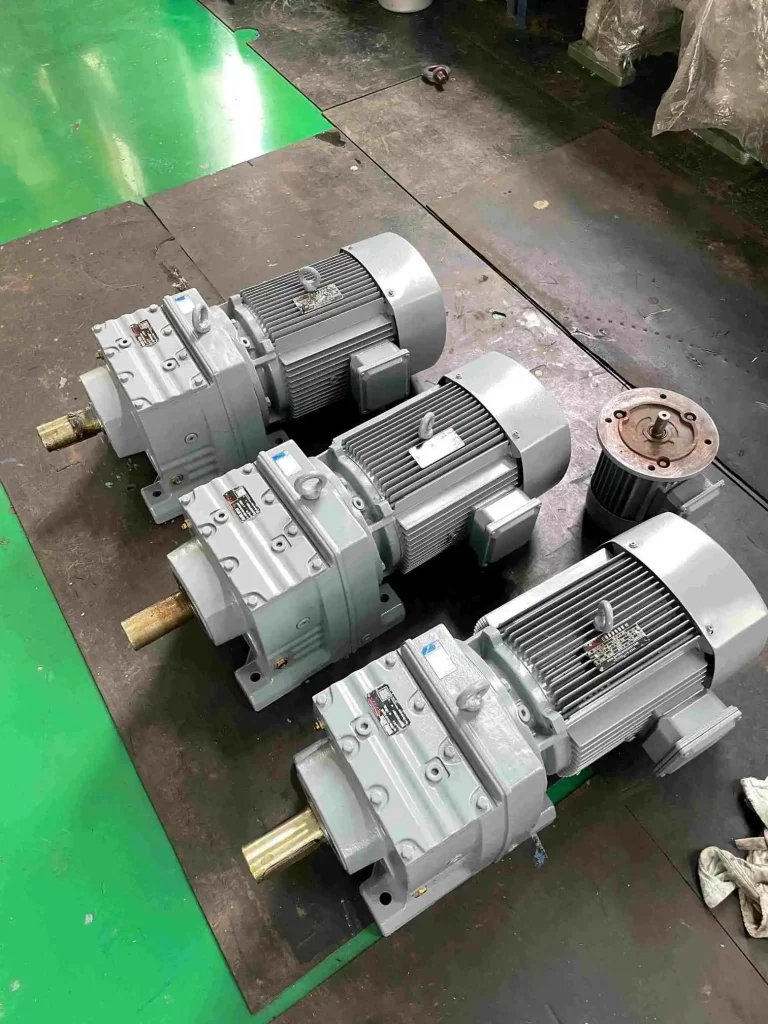
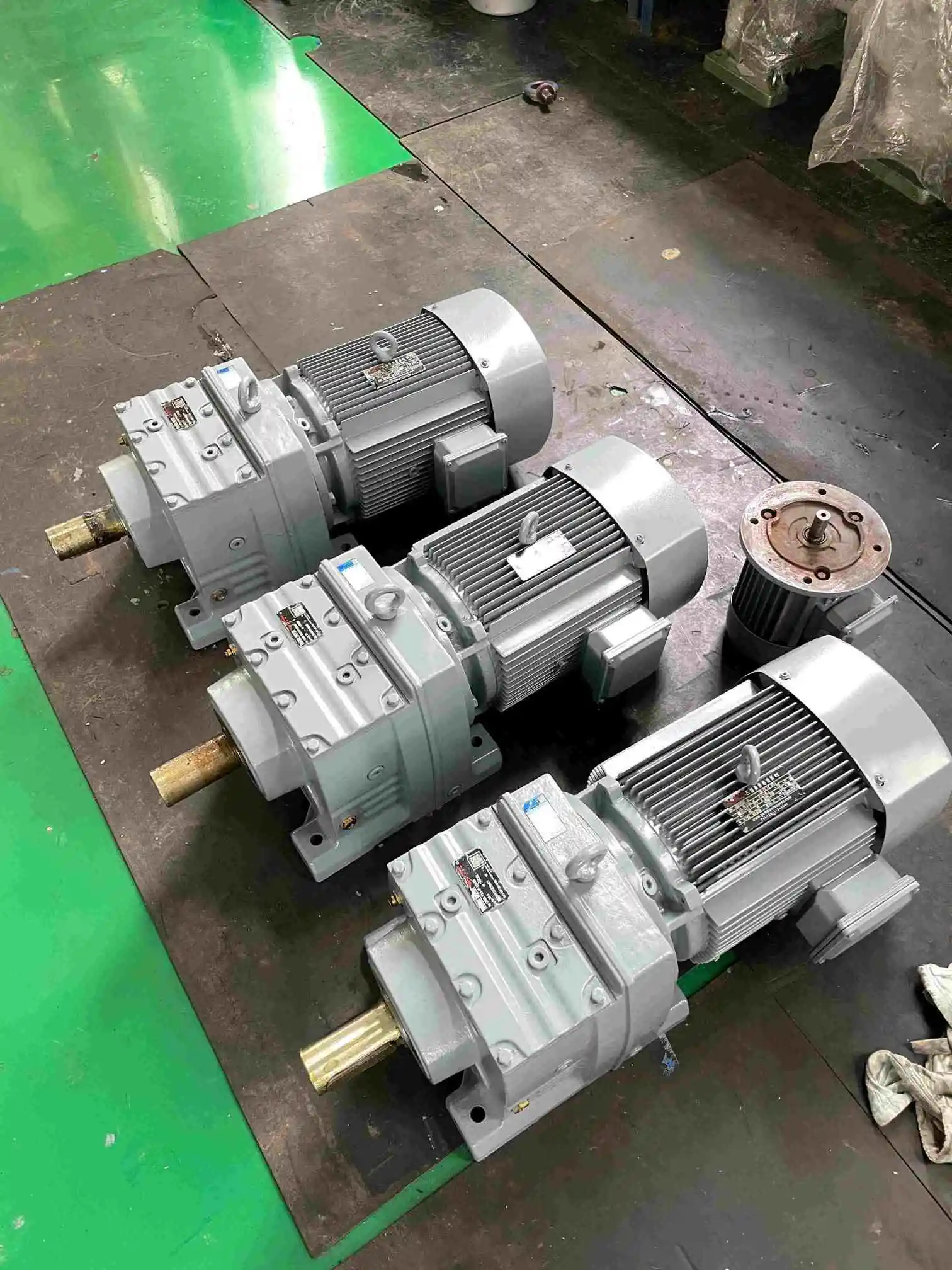
Heat work is central to our 2-stage gearbox planning. Take the GR Series Helical Geared Motor. It uses fine-cut helical gears. They cut contact losses and even out loads. This lowers inside heat in steady jobs like belt lines and goods movers.
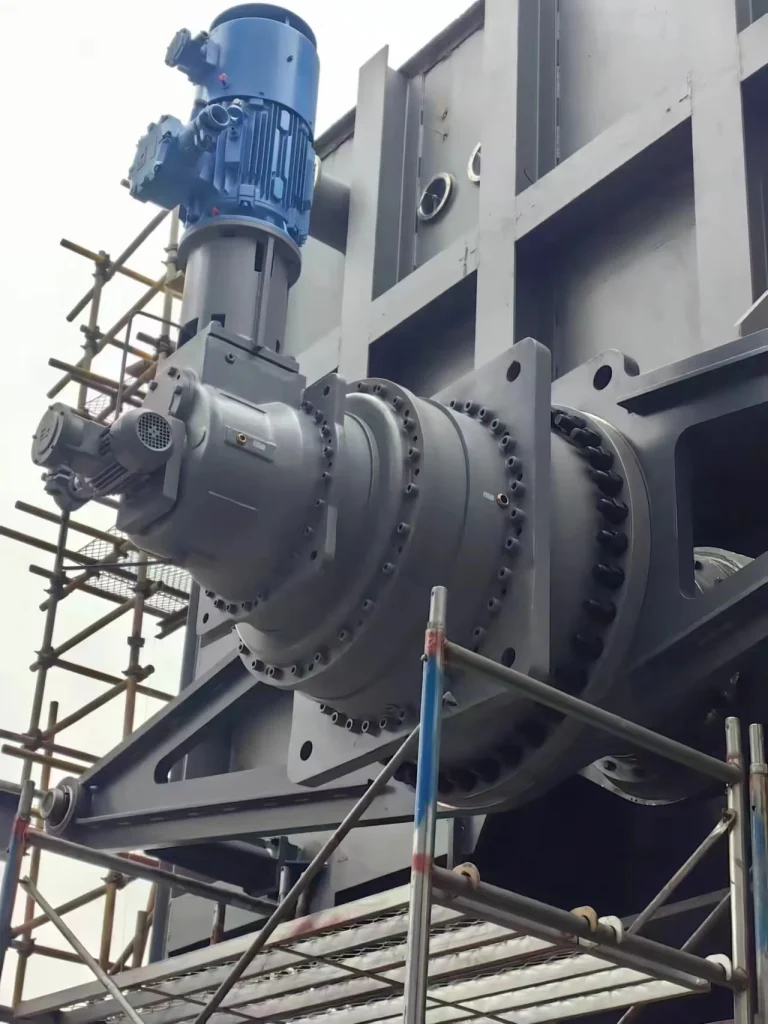
The H-Parallel industrial Gearbox comes in multi-stage forms, including 2-stage ones. It has tough cast iron cases and tuned inside oil paths. These boost heat release and back steady runs under high force and long times.
Flexible Cooling and Lubrication Configurations for Real-World Conditions
We build heat fit with bendy oil and cooling choices. Based on run settings, our 2-stage gearboxes add oil cooling lines or pumped oil setups. They hold temp climbs in check. This lets heat fixes match true work patterns, not broad guesses.
Application Experience Supporting Long-Term Thermal Reliability
Our work in belt, hoist, and process jobs shapes each heat choice. The GR Series Helical Geared Motor fits spots where steady temps boost run time. H Series industrial gearboxes aid heavy setups needing lasting heat resistance. This job-based way turns heat plans into real, steady work.
FAQ
Q: Thermal management in 2-stage gearboxes: what causes overheating most often?
A: Overheating is most often caused by continuous high load, insufficient thermal power rating, improper lubrication, or limited heat dissipation due to installation and environmental conditions.
Q: How to prevent overheating in 2-stage gearboxes used for continuous duty?
A: Prevention focuses on selecting gearboxes with adequate thermal margin, using correct lubricant viscosity, and applying auxiliary cooling such as oil circulation or cooling coils when natural dissipation is insufficient.
Q: How to choose a 2-stage gearbox with good thermal performance?
A: Selection should consider thermal power rating, service factor, duty cycle, ambient temperature, and cooling capability in addition to torque and ratio.
Q: Are cooling systems always required for 2-stage gearboxes?
A: Cooling systems are not always required, but they become necessary in high-torque, continuous-operation, or high-temperature environments where natural cooling cannot maintain stable temperatures.
Q: Which factors affect lubrication efficiency in thermal management of 2-stage gearboxes?
A: Lubrication efficiency is influenced by oil viscosity, operating speed, contamination level, oil circulation method, and maintenance practices, all of which directly affect heat transfer and temperature stability.