

Understanding Industrial Gearbox Failure Risks in Industrial Systems
Why industrial gearboxes are critical to continuous operation
Industrial gearboxes build the main mechanical frame for tough machines. They pass on torque, handle speed, and keep motion steady in hard jobs. In fields like mining, goods moving, chemical handling, and power creation, an industrial gearbox determines whether a setup works smoothly or hits expensive halts. If torque passing turns unsteady or inside parts wear out, the full line faces linked breakdowns. These are tough to find and pricey to mend.
How minor gearbox issues escalate into major system failures
Little changes in an industrial gearbox hardly remain little. A tiny bump in backlash, a small lube trouble, or a mild climb in work heat can cause harm to gears and bearings. Over time, these minor problems compound, leading to sudden breakdowns, extended downtime, and secondary damage to motors, couplings, and connected equipment. Understanding early warning signs is therefore not just a maintenance concern—it is a strategic reliability decision.
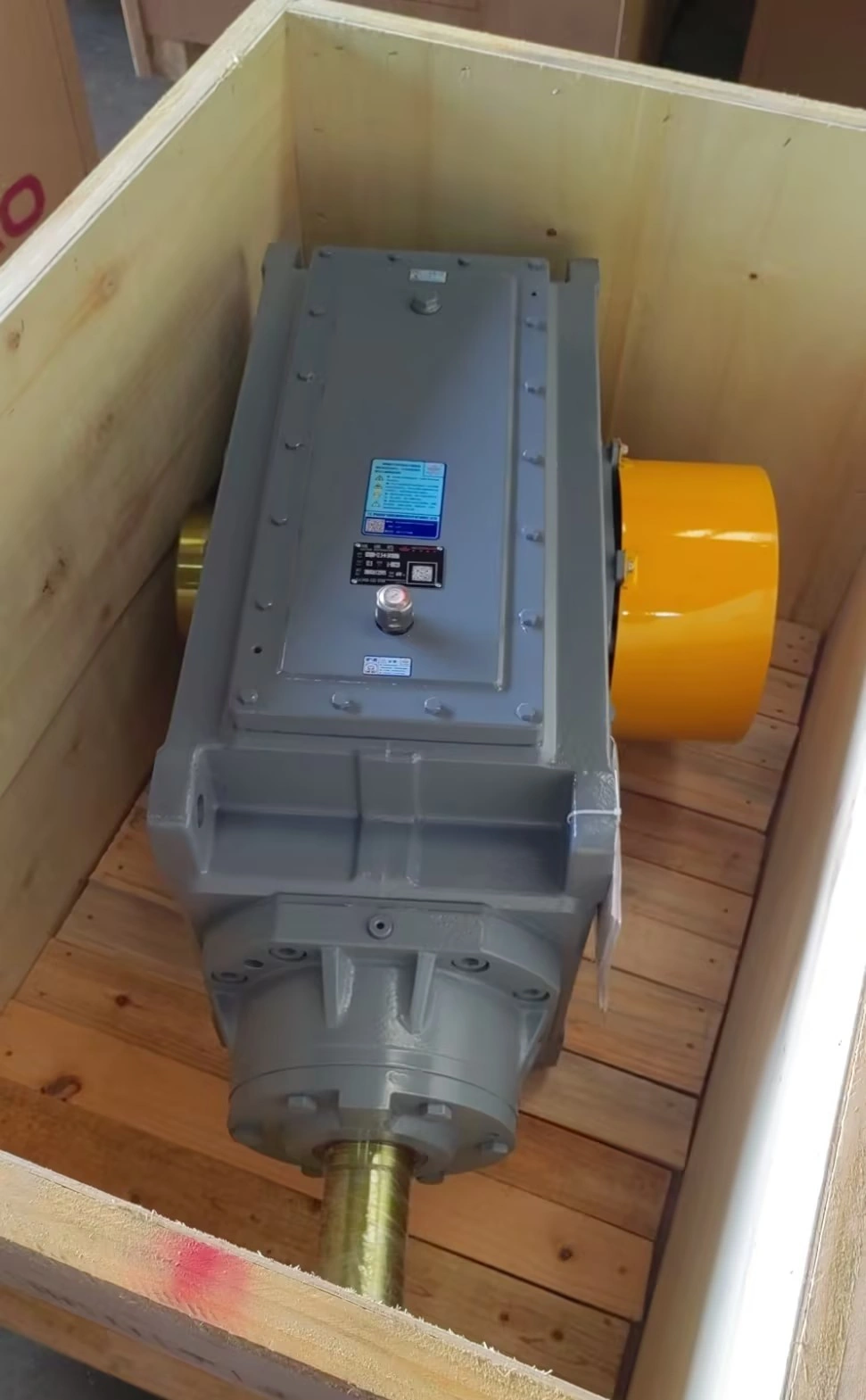
The 7 Warning Signs of Industrial Gearbox Failure You Should Catch Early
Sign 1: Abnormal Noise from the Industrial Gearbox
Abnormal noise is often the earliest and most overlooked indicator of industrial gearbox trouble. Changes in sound patterns usually signal mechanical distress before measurable performance loss appears.
Common noise patterns and what they reveal about internal wear
Grinding noises frequently indicate gear tooth surface damage, while rhythmic knocking often points to excessive backlash or cracked gear teeth. High-pitched whining sounds may suggest poor lubrication film formation or micro-pitting on hardened gear surfaces.
Differences between gear tooth damage and bearing-related noise
Gear-related noise typically varies with load and rotational speed, whereas bearing noise tends to be more consistent and temperature-sensitive. Distinguishing between these sources allows maintenance teams to act before damage spreads to adjacent components.
Sign 2: Excessive Vibration During Industrial Gearbox Operation
Too much shaking in an industrial gearbox seldom happens by chance. It nearly always builds slowly. Shake ways give views into the inside setup and load spread.
Vibration caused by misalignment, imbalance, or gear wear
Off-center shafts and uneven load spread create shake highs at expected rates. With time, these shakes undo bolts, harm seals, and damage gear.
How vibration trends indicate developing gearbox faults
Tracking patterns often beats plain shake numbers. A slow rise over weeks or months usually shows harmful growth. Quick jumps may warn of near failure.
Sign 3: Industrial Gearbox Overheating
Overheating shows straight energy waste in the industrial gearbox. Never overlook it.
Lubrication degradation and insufficient heat dissipation
When lubricants break down due to contamination or improper viscosity, friction increases rapidly. This additional heat further degrades the oil, creating a self-reinforcing failure cycle.
Overload conditions and duty cycle mismatch
Industrial gearboxes often break when used past their planned work cycle. Steady work under on-off load plans is a usual base cause of lasting overheating.
Sign 4: Oil Leakage or Lubricant Contamination
Oil troubles rank among the clearest industrial gearbox alerts. They often hint at deeper mechanical issues.
Seal wear, housing deformation, and installation-related leakage
Ongoing oil leaks may come from worn seals, a shaft off-center, or a heat bend in the gearbox housing. These troubles often grow from setup mistakes, not part faults.
Contaminated oil, metal particles, and lubricant breakdown
Metal bits floating in lube warn of active harm. Without steps in, rough bits flow through the gearbox. They cause harm in all touch areas.
Sign 5: Reduced Torque Output or Transmission Efficiency
Drop in torque passing efficiency hits output evenness and power use right away.
Gear wear, increased backlash, and power transmission loss
As gear teeth wear, backlash increases, and effective torque transfer decreases. This often manifests as sluggish response, unstable speed control, or inconsistent output under load.
Effects on process stability and equipment accuracy
In exact-run systems, even tiny efficiency drops can hurt product quality, spot accuracy, and cycle repeat.
Sign 6: Abnormal Bearing Temperature or Accelerated Bearing Wear
Bearing troubles often mean side harm from earlier gearbox issues.
Axial and radial load imbalance inside the gearbox
Wrong load spread puts too much strain on bearings. This leads to spot overheating and early failure.
Bearing selection limitations under real operating conditions
Bearings picked on base ratings may not hold jolt loads, often turn, or experience heat shifts common in factory settings.
Sign 7: Unstable Operation or Frequent Unplanned Shutdowns
Work unsteadiness often marks the last step before full gearbox failure.
Load shocks, frequent start-stop cycles, and transient overloads
Factory tasks with often speed-ups or back motion put gearboxes under strain way past steady counts.
Interaction between motors, control systems, and gearboxes
When motor traits and gearbox build match poorly, control systems may mistakenly boost mechanical strain. They fail to ease it.
Why These Industrial Gearbox Warning Signs Are Often Overlooked
Reliance on reactive rather than preventive maintenance
Many sites still put fix-up upkeep first. They deal with breaks only after output suffers. This way skips early hints that cost much less to handle.
Limited condition monitoring and inspection routines
Without steady shake checks, oil tests, and heat follows, alerts stay out of sight. Harm turns too set to undo.
How to Diagnose Industrial Gearbox Problems Before Failure Occurs
Condition monitoring techniques for industrial gearboxes
Ahead checks turn gearbox upkeep from hunches to fact-led choices.
Vibration analysis and temperature monitoring
Steady checks spot odd patterns early. This lets upkeep teams set fixes without halting work.
Oil analysis for wear debris and contamination trends
Usual oil pulls show inside harm ways long before mechanical signs get clear.
Operational inspection and performance evaluation methods
Regular looks add to sensor watches by grabbing clear and work troubles.
Visual condition checks and leakage identification
Outside checks of seals, housings, and mount spots often show early mechanical strain.
Alignment verification and load condition review
Usual lineup checks make sure real work fits design plans. This cuts long-term harm.
Preventive Strategies to Reduce Industrial Gearbox Failure Risk
Selecting industrial gearboxes based on real load conditions
Right load review, with jolt loads and work cycles, is vital for long service.
Improving installation accuracy and foundation stability
Even the toughest industrial gearbox can break too soon if set on shaky bases or off-center shafts.
Optimizing lubrication, cooling, and maintenance planning
Tailored lube setups and cooling plans greatly lengthen gearbox life in rough settings.
How Guomao Helps Solve Industrial Gearbox Failure Challenges
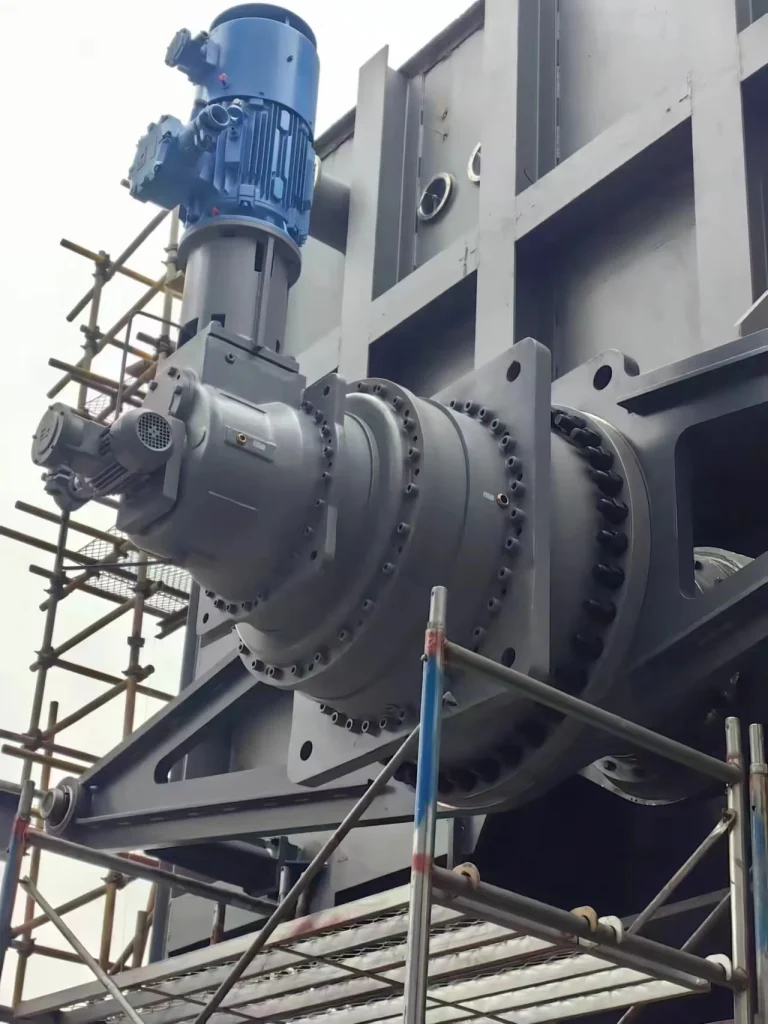
Industrial gearbox solutions for heavy-duty and continuous operation
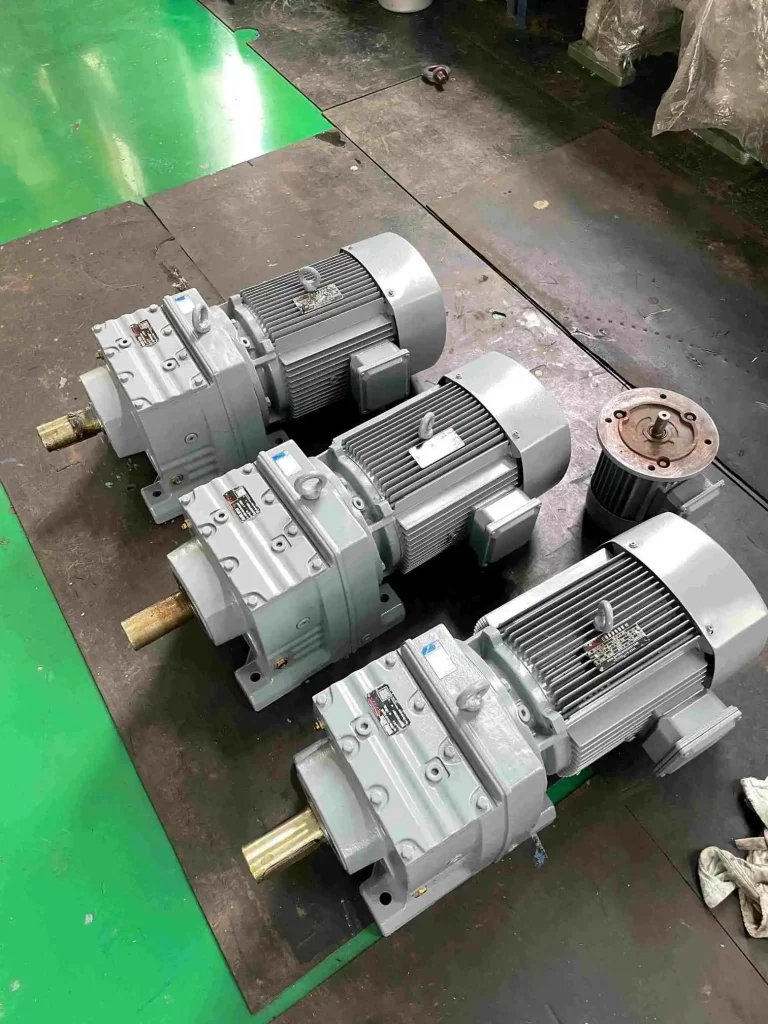
At Guomao, we focus on designing industrial gearboxes that maintain stability under real-world operating stress rather than idealized conditions. Our H-Parallel industrial Gearboxes and B Series vertical-shaft industrial gearboxes are engineered for high torque density, thermal stability, and long service life in continuous-duty applications.
Precision planetary gearbox solutions for accuracy-critical applications
For setups where shaking, backlash, and heat ways hit output straight, our Precision Planetary Reducer line gives set backlash, even torque passing, and a small fit with servo motors. These traits right away fix early alerts like strange noise, output drop, and shaky work without adding extra system mess.
FAQ
Q: What are the most common industrial gearbox failure signs to monitor?
A: The most common industrial gearbox failure signs include abnormal noise, excessive vibration, overheating, oil leakage, reduced torque output, abnormal bearing temperature, and unstable operation. Monitoring these indicators together provides a more accurate assessment than relying on a single symptom.
Q: How to choose an industrial gearbox for heavy-duty applications?
A: Choosing an industrial gearbox requires evaluating real load conditions, duty cycles, shock loads, and environmental factors rather than relying solely on nominal ratings. Proper selection significantly reduces long-term failure risk.
Q: Industrial gearbox vs planetary gearbox: which is better for stability?
A: Industrial gearboxes are well-suited for high-load, continuous-duty applications, while planetary gearboxes offer superior torque density and precision. The best choice depends on load characteristics, space constraints, and accuracy requirements.
Q: How does lubrication affect industrial gearbox lifespan?
A: Lubrication directly influences friction, temperature, and wear. Incorrect oil type, contamination, or inadequate cooling can dramatically shorten gearbox service life even if the mechanical design is sound.
Q: Which industrial gearbox brand is suitable for long-term reliability?
A: Long-term reliability depends less on brand names and more on engineering expertise, application-specific design, and after-sales support. Manufacturers with strong technical capabilities and application experience tend to deliver more consistent results.