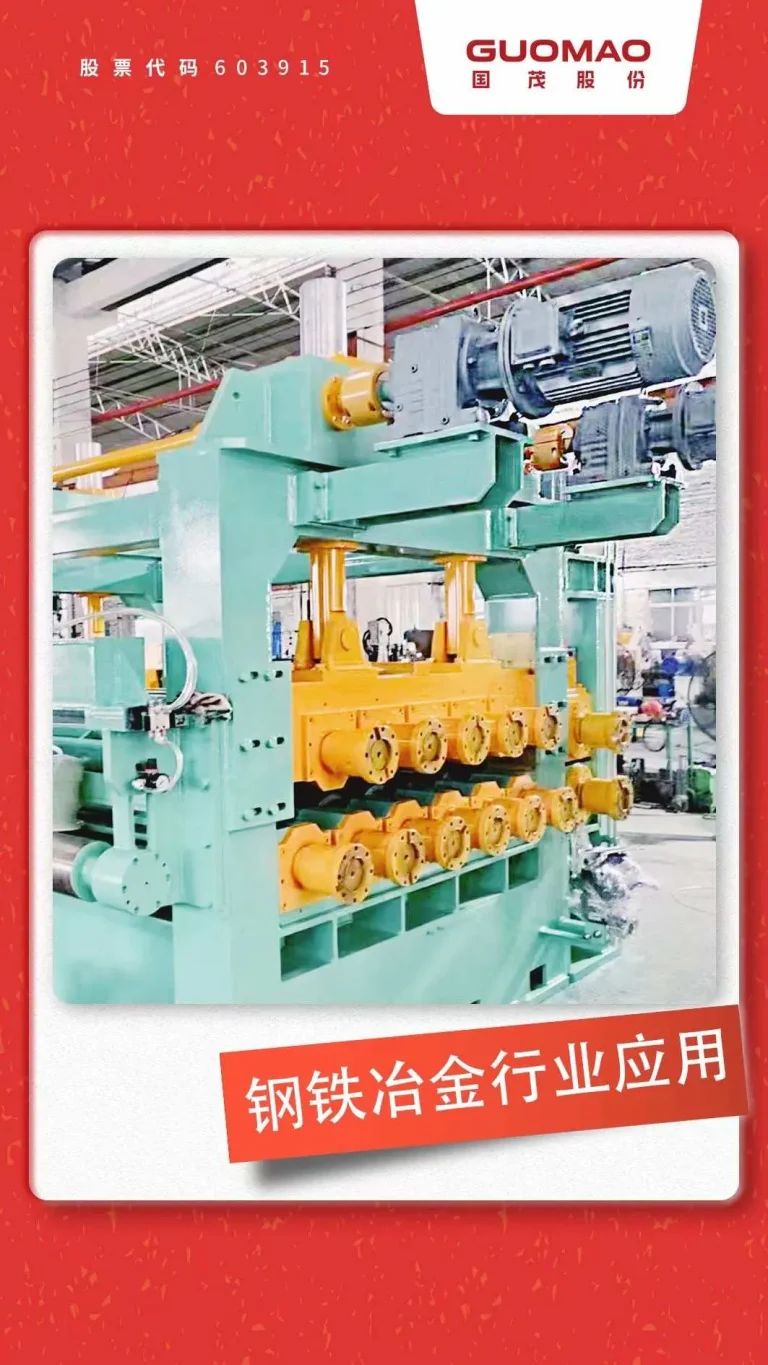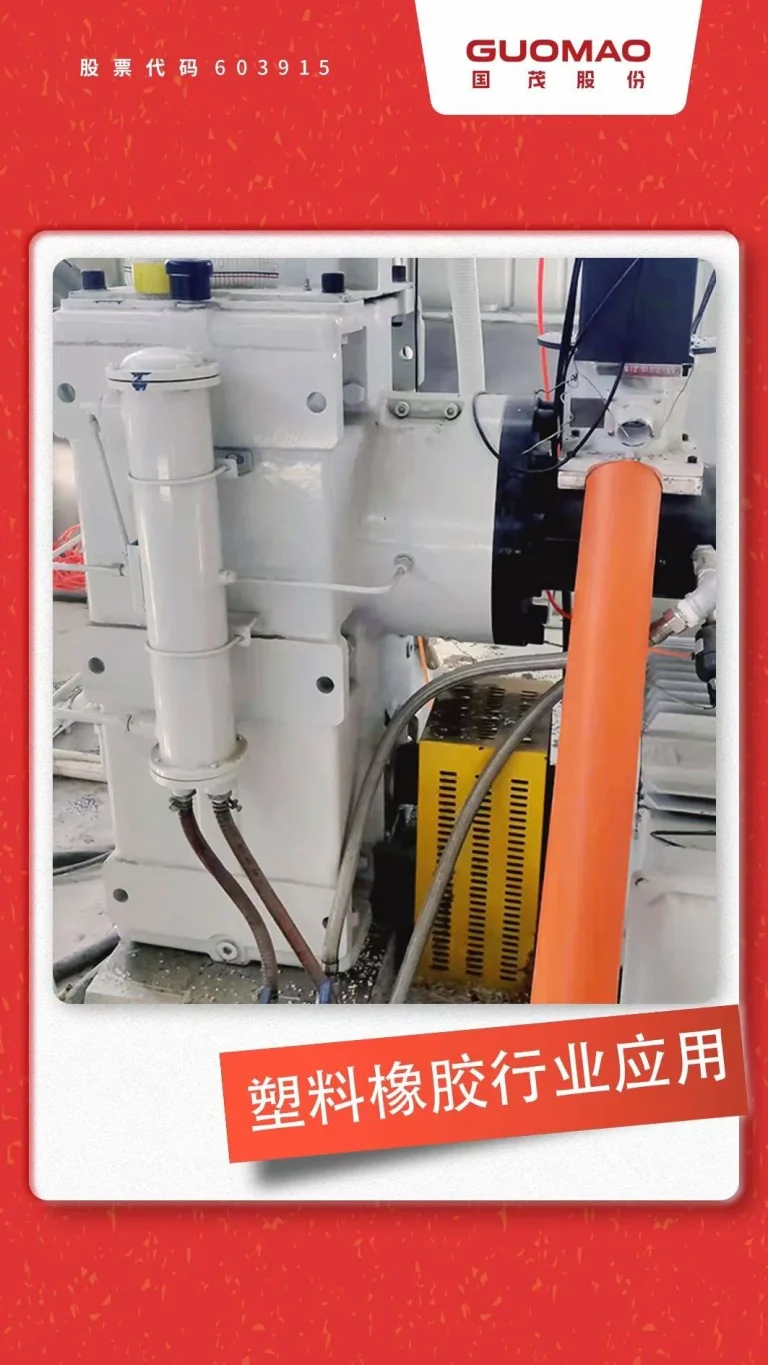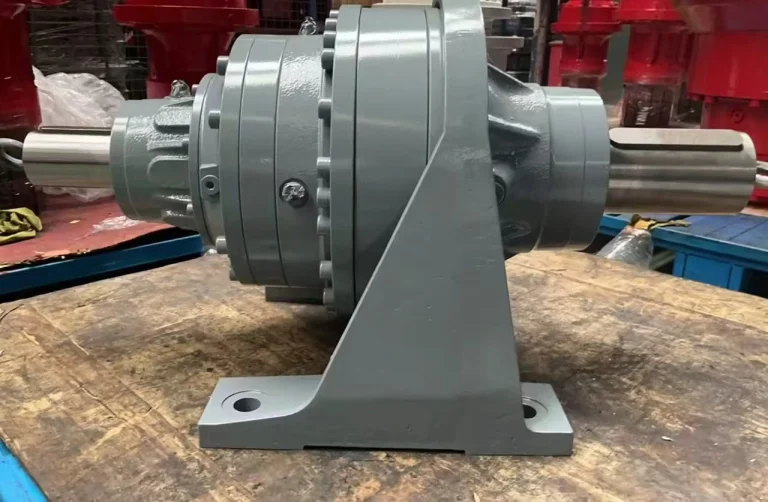



Industrial gearbox sizing is a core engineering decision that directly affects reliability, efficiency, and total lifecycle cost. In many industrial facilities, repeated gearbox failures, abnormal noise, or chronic overheating are not caused by poor manufacturing quality but by incorrect sizing assumptions made early in the project. Understanding how torque, load characteristics, and operating conditions interact is essential for selecting an industrial gearbox that performs reliably over time rather than merely meeting short-term specifications.
This guide explains industrial gearbox sizing from a practical engineering perspective. Instead of relying on generic formulas, it focuses on how torque should be evaluated in real operating conditions and how structural layout, service factor, and environment influence gearbox selection.
Why Industrial Gearbox Sizing Matters for Long-Term Reliability
Sizing an industrial gearbox decides if a drive setup stays within its mechanical bounds. Or, it runs right on the brink of breakdown. If a gearbox is too small, gears and bearings face strain beyond their planned limits. This leads to surface wear, lubricant failure, and early bearing harm. Such issues often build slowly. But they speed up once heat and mechanical buffers are passed.
Industrial gearbox reliability is also closely linked to economic performance. Proper sizing reduces unscheduled downtime, stabilizes maintenance planning, and improves equipment availability. From an engineering standpoint, correct sizing aligns torque capacity, bearing life, and thermal performance with actual operating demands rather than idealized conditions.
Key Operating Conditions That Define Industrial Gearbox Sizing
Load characteristics and duty cycle in industrial applications
Sizing an industrial gearbox starts with grasping load actions over the duty cycle. Various tasks put different strain patterns on a gearbox. This holds true even if basic power ratings look alike. Steady belt lines bring even torque. But mixers, smashers, and lift setups add frequent torque shifts.
Load characterization should include:
- Continuous, intermittent, or cyclic operation
- Frequency and magnitude of load changes
- Presence of shock loads during startup or jamming
Industrial gearboxes picked just for average run torque often break down. This happens when hit by repeated high loads that went unchecked in picks.
Speed, ratio range, and power transmission basics
Industrial gearbox torque requirements are inseparable from speed and ratio selection. For a given motor power, reducing output speed increases transmitted torque, directly raising gear tooth forces and bearing loads. A gearbox that satisfies speed requirements but lacks sufficient torque margin will operate with elevated stress levels.
Correct ratio selection ensures that the gearbox operates within its optimal efficiency range while maintaining sufficient torque capacity for real operating conditions.
Torque Requirements in Industrial Gearbox Selection
How to calculate the required torque for industrial gearboxes
Torque calculation for industrial gearboxes should act as a span, not one number. Basic torque comes from power and speed. But engineering sense is needed to cover uneven run setups.
A robust torque evaluation considers:
- Nominal operating torque
- Starting torque from the motor
- Short-duration overload or stall conditions
In heavy conveyor systems, Guomao’s H-Parallel industrial Gearbox is often selected with additional torque capacity to accommodate frequent starts and material surges. This approach ensures that gear tooth contact stresses and bearing loads remain within safe limits even during abnormal events.
Peak torque, starting torque, and real-world load spikes
Breakdowns in industrial gearboxes often start in short events, not steady runs. Start torque, stop torque, and load jumps from material pile-up can top basic torque by a lot.
Engineering rules say industrial gearboxes must be sized for these bad-case spots. They should not just cover normal runs. Skipping peak torque ranks as a top reason for early gearbox harm in solid setups.
Service Factor and Safety Margins Explained Clearly
What does the service factor mean in industrial gearbox sizing
The industrial gearbox service factor represents the relationship between rated torque and actual operating severity. It incorporates load type, duty cycle, and expected shock conditions into a single selection parameter. Proper application of the service factor helps translate real-world usage into a safe and realistic torque requirement.
Service factor should not be viewed as a generic safety cushion. Instead, it reflects how aggressively the gearbox will be used relative to its design intent.
Balancing safety margin with efficiency and cost
Making industrial gearboxes too big sometimes fixes doubt. But too much safety buffer brings its own issues. Bigger gearboxes raise system drag, oil amount, and power use. They do not always boost reliability.
The best fix weighs service factor, efficiency, and cost. It gives enough buffer for odd setups. At the same time, it skips needless mechanical and money hits.
How Installation and Gearbox Type Affect Sizing Decisions
Vertical vs parallel shaft layouts and torque paths
Industrial gearbox installation layout significantly influences sizing decisions. Vertical shaft configurations introduce axial loads that must be absorbed by bearings and managed through lubrication design. These axial forces are minimal in parallel shaft gearboxes but become critical in vertical installations.
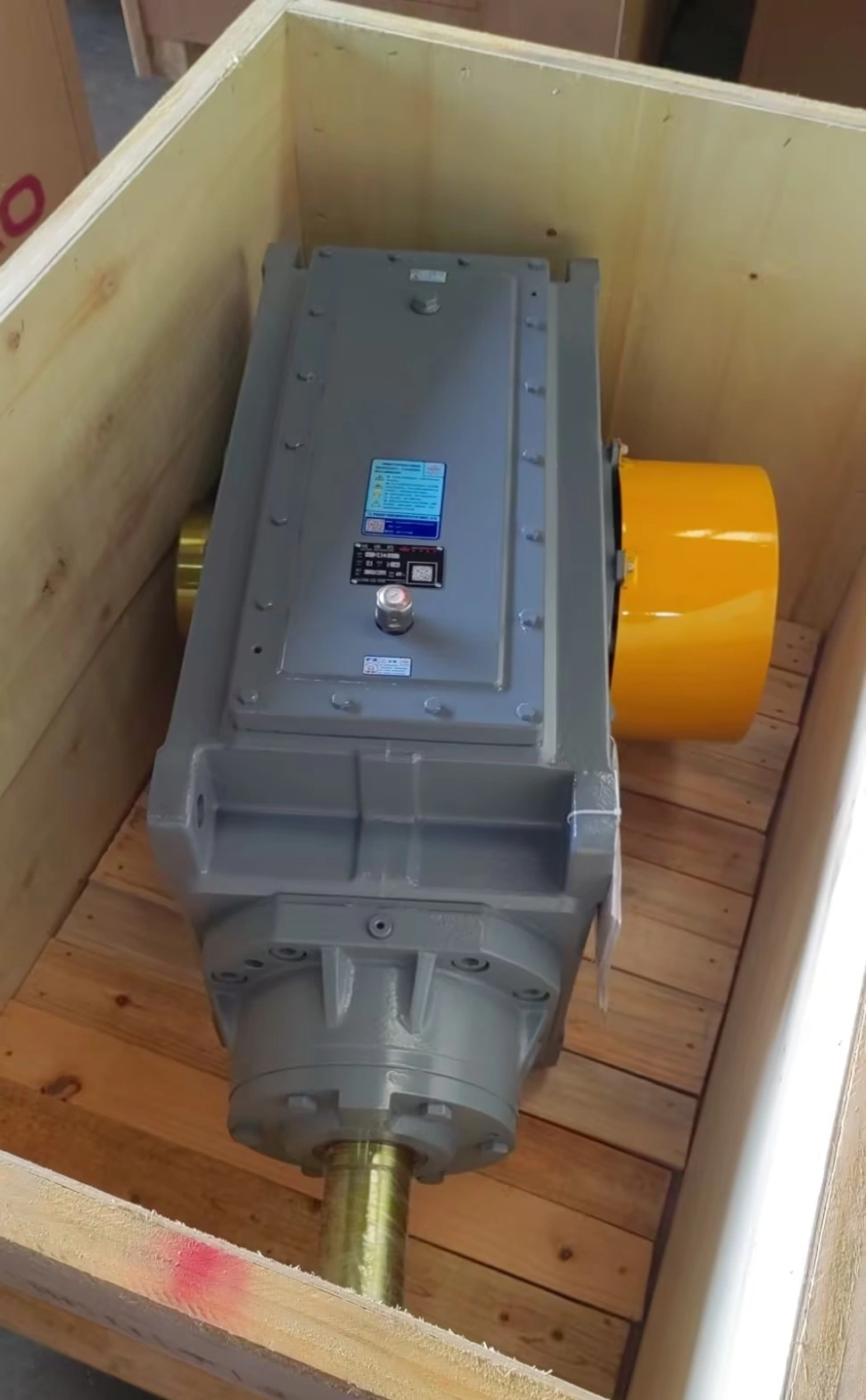
In mixer and agitator applications, Guomao’s B-Vertical industrial Gearbox is designed to manage combined torque and thrust loads. This structural approach allows stable operation in vertical layouts without compromising bearing life or lubrication reliability.
Helical and helical-bevel designs in industrial gearboxes
Industrial gearbox gear geometry affects how torque is transmitted and distributed. Helical gears provide smooth meshing and high efficiency, while helical-bevel combinations enable right-angle transmission with strong load-carrying capacity.
Picking the right gear build makes sure torque spreads evenly over gear teeth. This cuts spot strain and boosts long-run toughness.
Environmental and Operating Factors Often Missed in Sizing
Temperature, dust, and lubrication impact on gearbox life
Sizing industrial gearboxes must cover surroundings that can raise mechanical strain. High air heat cuts lube thickness. Dust and dirt speed wear and harm seal systems.
In harsh environments, Guomao applies industrial gearbox designs that emphasize thermal stability and modular sealing options. This allows torque capacity and lubrication performance to remain stable without requiring complete redesigns for each application.
Noise, vibration, and thermal limits linked to sizing errors
Industrial gearbox noise and vibration are often symptoms of incorrect sizing rather than manufacturing defects. When a gearbox operates near its torque limit, gear meshing forces increase, leading to higher vibration levels and heat generation.
Heat overload harms most because it speeds up oil rot and bearing wear. It makes a cycle that shortens gearbox life.
Common Industrial Gearbox Sizing Mistakes and How to Avoid Them
Undersizing driven by nameplate power assumptions
Industrial gearbox undersizing frequently occurs when selection is based solely on motor nameplate power. This approach ignores starting torque, shock loads, and abnormal operating conditions that dominate gearbox life.
Avoiding this mistake requires evaluating torque across the entire operating envelope rather than relying on nominal values.
Oversizing that increases cost without improving reliability
Oversizing industrial gearboxes often raises start costs and run losses. It does not give matching reliability gains. Bigger gearboxes can also make setup and care harder.
The steadiest industrial gearbox setups are not the biggest ones. They are those matched right to actual run setups.
Applying Correct Industrial Gearbox Sizing in Real Projects
Sizing considerations for conveyors, mixers, and heavy equipment
Sizing needs for industrial gearboxes change by task. Belt lines stress steady torque hold and efficiency. Mixers need close looks at start torque and side loads. Heavy gear may call for strong shock defense and tough bearing builds.
Grasping these task-based needs lets engineers use a steady sizing method across varied systems.
Re-sizing during gearbox replacement and retrofit projects
Replacement projects for industrial gearboxes offer a chance to fix past sizing flaws. Just copying old specs often keeps the same issues.
In retrofit work, Guomao aids re-sizing checks that look again at torque, service factor, and setup limits. This way makes sure replacement gearboxes fit current run needs. It skips old guesses.
How Guomao Supports Reliable Industrial Gearbox Sizing
Industrial gearbox sizing accuracy improves when calculations are combined with application experience. At Guomao, industrial gearbox selection is supported by modular product platforms and engineering analysis tailored to real operating conditions. Parallel shaft and vertical shaft industrial gearboxes are configured to match torque requirements, installation layout, and environmental demands.
By aligning structural design with actual load profiles, Guomao helps industrial gearbox systems achieve stable operation over extended service life rather than meeting minimum specifications only at commissioning.
FAQ
Q: Which industrial gearbox brand is best for heavy-duty applications?
A: The best industrial gearbox for heavy-duty use is one that matches torque, duty cycle, and environmental conditions accurately. Brands with extensive experience in heavy-load industrial applications, such as Guomao, focus on gear strength, bearing life, and thermal stability rather than nominal ratings alone.
Q: How to choose an industrial gearbox torque rating correctly?
A: Choosing the correct industrial gearbox torque rating requires evaluating nominal torque, peak torque, service factor, and operating environment together. Torque selection should reflect worst-case conditions rather than average load.
Q: Industrial gearbox vs planetary gearbox, which is better for high torque?
A: Industrial gearboxes with helical or helical-bevel designs are often preferred for high-torque, continuous-duty applications due to their robustness and serviceability. Planetary designs may be suitable for compact layouts but require careful evaluation of the duty cycle.
Q: How to select an industrial gearbox for vertical mixer applications?
A: Selecting an industrial gearbox for vertical mixers involves assessing axial loads, startup torque, lubrication method, and thermal performance. Vertical shaft industrial gearboxes designed for combined torque and thrust loads offer greater long-term stability.
Q: What factors most often cause industrial gearbox failure?
A: The most common causes of industrial gearbox failure include undersized torque capacity, incorrect service factor selection, inadequate lubrication management, and unaccounted environmental conditions. Proper sizing is the most effective preventive measure.