


Planetary Gearbox Efficiency: Why It Becomes a Critical Engineering Metric
Planetary gearbox efficiency has become a critical engineering metric because it directly determines how effectively input power is converted into usable output torque across industrial drive systems. In applications such as material handling, construction machinery, mixing equipment, and continuous-process production lines, even marginal efficiency losses lead to higher energy consumption, elevated operating temperatures, and accelerated mechanical wear.
Planetary gearbox efficiency also impacts long-run system steadiness, not just short-term output. When inside losses grow, built-up heat harms lubricant quality. It also shortens bearing and gear surface lifespan. As industrial gear heads toward longer run times and fuller use rates, engineers check efficiency stability over the whole work life. They move away from basic efficiency numbers.
Planetary Gearbox Efficiency vs Other Gear Systems: Structural and Load Distribution Impacts
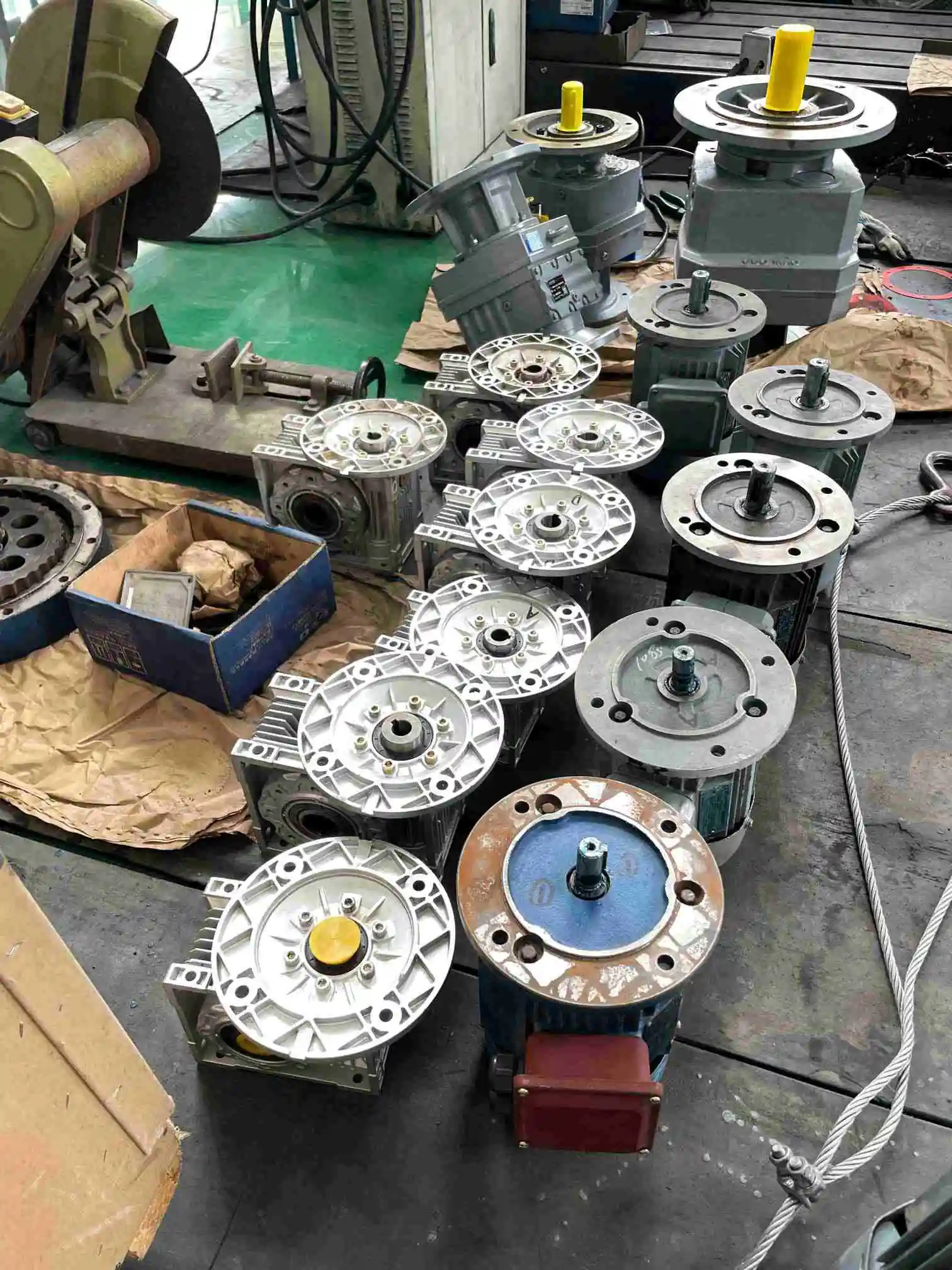
Planetary gearbox efficiency differs fundamentally from other gear systems because of its concentric structure and multi-point load distribution. Unlike parallel-shaft or worm gear systems that transmit torque through limited contact paths, planetary gearboxes distribute load across multiple planet gears simultaneously, reducing localized stress and friction losses.
This build trait explains why folks pick planetary gearboxes for tight, strong-torque jobs. There, efficiency needs to stay steady under changing loads. So, load spread in the structure drives efficiency patterns. It acts as a main factor, not just an extra design plus.
Planetary Gear Load Sharing and Its Effect on Mechanical Efficiency
Planetary gearbox efficiency gains from load split among planet gears. This lowers the force on each gear contact. Less tooth pressure cuts tiny slides and bend shifts. Thus, it keeps steady contact shapes under pressure.
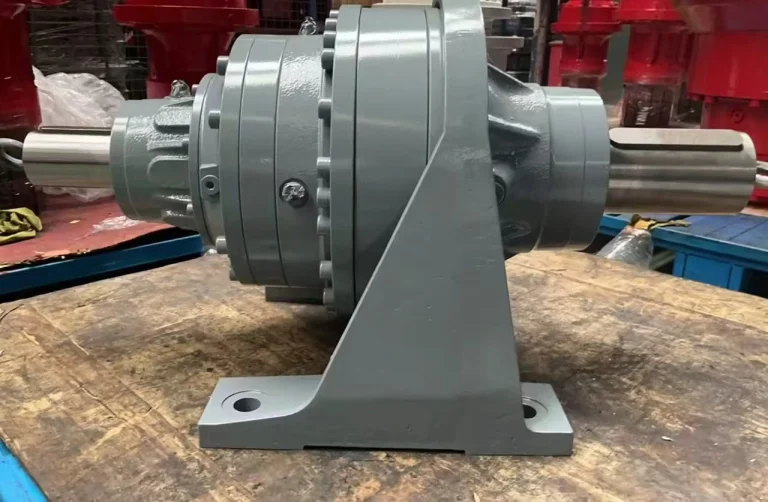
In tough setups like the Engineering Mechanical Planetary Gearbox, load split pairs with strong carriers and big-bearing setups. This firm builds a line-up during torque spikes. It limits efficiency drops from quick bends or uneven load routes.
Efficiency Trade-Offs Between Planetary, Helical, and Worm Gearboxes
Planetary gearbox efficiency usually beats worm gear systems. Worm gears depend on slide contact, which brings more rubbing losses. Next to parallel-shaft helical gearboxes, planetary ones match efficiency levels. Yet, they pack much higher torque in a smaller space.
Efficiency swaps still hinge on ratio choice, speed span, and lube setup. Planetary gearboxes shine when you need strong torque, small size, and steady efficiency all at once.
Planetary Gearbox Efficiency Factors Engineers Often Underestimate
Planetary gearbox efficiency is influenced by several internal factors that are frequently underestimated during gearbox selection and system design. While torque rating and reduction ratio are often prioritized, detailed mechanical and manufacturing decisions largely determine whether efficiency remains stable throughout the gearbox’s service life.
Gear Geometry, Contact Ratio, and Tooth Surface Treatment
Planetary gearbox efficiency is strongly affected by gear geometry and contact ratio, which define how smoothly torque is transferred across meshing interfaces. Optimized tooth profiles reduce sliding friction and distribute contact stress more evenly, lowering mechanical losses.
Controlled heat treatment and high-precision grinding further stabilize tooth surface quality. Consistent surface hardness and geometry help maintain lubrication film integrity under load, supporting both efficiency retention and long-term wear resistance.
Bearing Configuration and Internal Power Losses
Planetary gearbox efficiency also rests on bearing setup and inside support firmness. Bearings that keep center line-up under load cut side losses from off-line and uneven force spread.
In small units like the Precision Planetary Reducer, bearing picks stress low roll drag with enough firmness. This mix cuts inside power wastes. It also keeps twist strength, aiding smooth torque pass in fast and exact-use jobs.
Lubrication Strategy and Thermal Management in Planetary Gearboxes
Planetary gearbox efficiency is close to the lube plan. Lube thickness and flow affect stir losses and heat release. Too thick lube raises inside pull. Too little lube speeds surface wear and shakes efficiency.
Heat handling keeps run temps in a safe band for lube work. Steady temp watch backs even efficiency over long runs and load shifts.
Planetary Gearbox Efficiency Across Different Operating Conditions
Planetary gearbox efficiency varies with real operating conditions rather than remaining constant across all scenarios. Load magnitude, speed variation, and duty cycle significantly influence how efficiently power is transmitted through the gearbox.
Efficiency Under High Torque and Intermittent Load Conditions
Planetary gearbox efficiency stays fairly even under strong torque. Load split cuts spot strain at single gear contacts. This trait aids in on-off or jolt-load jobs. There, quick torque jumps can shake weaker gear builds.
Speed Ratio Selection and Its Influence on Overall Gearbox Efficiency
Planetary gearbox efficiency depends on the speed ratio choice, mainly in multi-step cuts. Each extra step adds small losses. But sharp gear plans and tight fits can ease these.
Picking a ratio that fits job needs skips extra steps. It also stops needless efficiency drops. In big-ratio jobs, planetary gearboxes give tight cuts with okay efficiency swaps.
Improving Planetary Gearbox Efficiency Through System-Level Design
Planetary gearbox efficiency improves significantly when the gearbox is evaluated as part of a complete drive system rather than an isolated component. System-level optimization ensures that efficiency gains at the gearbox level translate into overall system performance improvements.
Matching Motor Characteristics to Planetary Gearbox Efficiency Curves
Planetary gearbox efficiency is maximized when motor operating characteristics align with the gearbox’s efficient operating range. Motors operating far from their optimal torque-speed region can offset gearbox efficiency advantages.
The right motor size and control plan ensure both parts run in good efficiency areas. This cuts extra energy use and heat build-up.
Installation Accuracy, Alignment, and Real-World Efficiency Loss
Planetary gearbox efficiency reacts sharply to setup exactness and line-up state. Small off-line ups bearing strain and rub. This leads to efficiency fade over time.
Spot-on mount and start-up steps ensure gearbox output in real jobs matches planned efficiency. It avoids limits from a poor setup.
How Guomao Addresses Planetary Gearbox Efficiency Challenges in Real Applications
Planetary gearbox efficiency issues noted before—such as steadiness under heavy load, fast run, and steady duty—get fixed via job-fit gearbox builds and steady make steps.
At Guomao, we see planetary gearbox efficiency as a full-system result. It shapes from load type, speed span, run pattern, and heat acts, not just one output number.
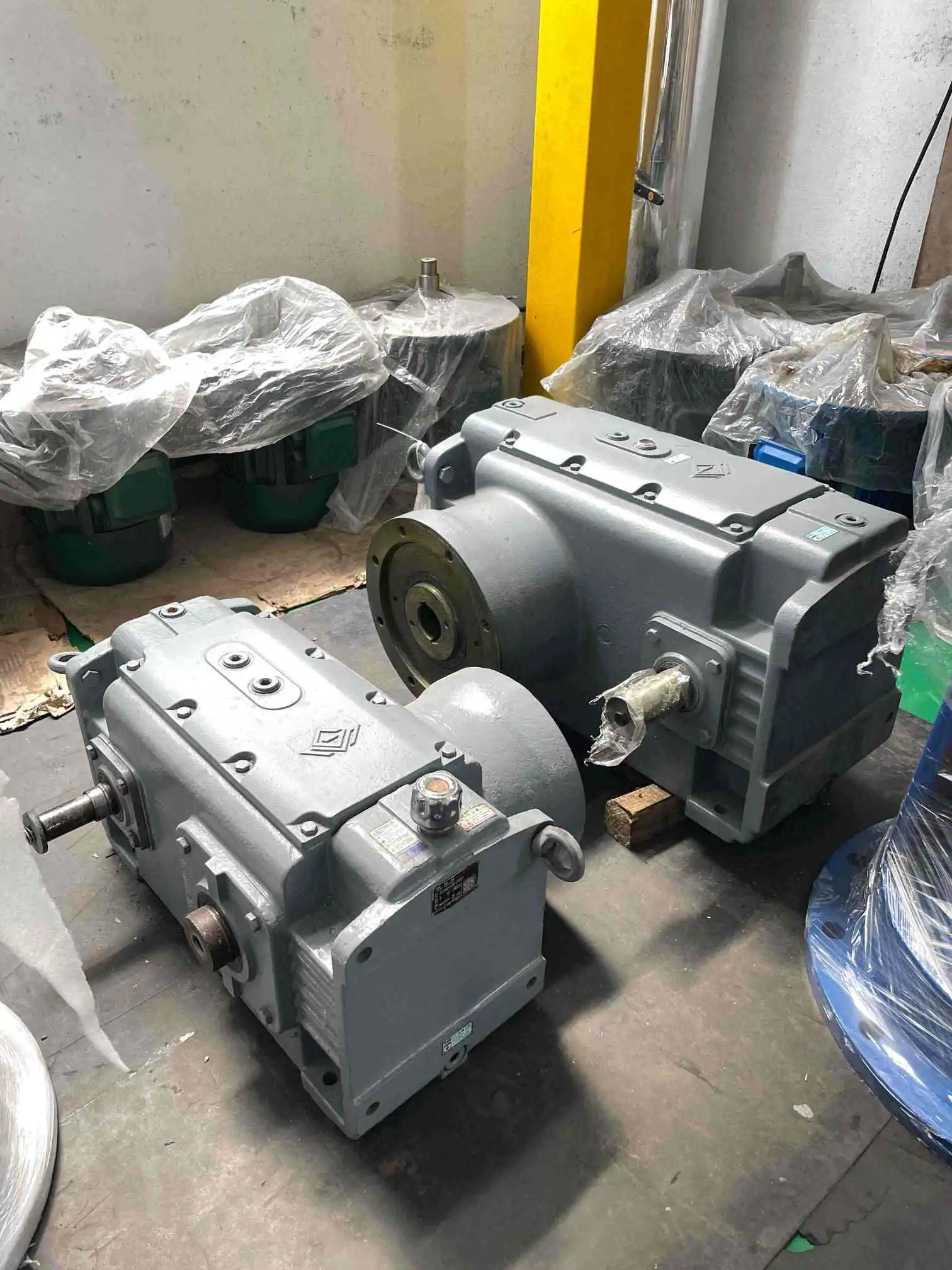
Application-Oriented Planetary Gearbox Design for Efficiency and Stability
Planetary gearbox efficiency steadiness rests on matching gearbox build to main run setups. Heavy-load, fast-run, and ongoing-work cases put different pulls on gear shape, bearing setup, and build firmness.
For heavy and jolt-load spots, units like the Engineering Mechanical Planetary Gearbox stress a strong load spread and line-up hold. Strong carriers and big bearings cut bend under top torque. This stops efficiency drops from uneven contacts.
For fast and exact job uses, the Precision Planetary Reducer tackles efficiency by cutting out rubbing spots. Fine contact spans, set backlash, and low-waste bearing setups put smooth torque pass and heat steadiness first, over max load hold.
Manufacturing Control, Verification, and Efficiency Consistency
Planetary gearbox efficiency consistency over time is strongly influenced by manufacturing control. Variations in heat treatment depth, tooth surface accuracy, or assembly alignment can introduce efficiency losses that only appear under sustained load.
At Guomao, controlled heat treatment stabilizes gear hardness and limits distortion, while consistent grinding accuracy ensures uniform tooth geometry. Assembly processes focus on maintaining concentric alignment between sun gear, planet gears, and carriers, limiting parasitic losses and supporting repeatable efficiency behavior in real operation.
FAQ
Q: What affects planetary gearbox efficiency the most in real applications?
A: Planetary gearbox efficiency is primarily influenced by load distribution, gear precision, bearing configuration, lubrication conditions, and installation accuracy. Long-term efficiency depends on how these factors interact under real operating loads.
Q: Which brand is recommended when planetary gearbox efficiency is critical?
A: When planetary gearbox efficiency is critical, engineers typically look for manufacturers with strong application engineering capabilities, controlled manufacturing processes, and verified performance consistency. Guomao focuses on efficiency and stability through design alignment and production control.
Q: How to choose a planetary gearbox for high efficiency operation?
A: Choosing a planetary gearbox for high efficiency requires evaluating torque demand, speed ratio, duty cycle, lubrication strategy, and motor matching. Selecting a gearbox designed for the specific operating environment is more effective than relying on nominal efficiency values.
Q: Planetary gearbox efficiency vs helical gearbox efficiency, which is better?
A: Planetary gearbox efficiency and helical gearbox efficiency can be comparable under certain conditions, but planetary gearboxes often provide more stable efficiency under high torque and variable loads due to their load-sharing structure.
Q: Can planetary gearbox efficiency be improved after installation?
A: Planetary gearbox efficiency can often be improved after installation by optimizing lubrication, correcting alignment, adjusting operating parameters, and maintaining stable operating temperatures.