

Why Gear Selection Matters in Modern Industrial Drive Systems
Gear selection plays a decisive role in industrial drive systems because the chosen gear geometry directly affects efficiency, torque delivery, durability, and system reliability. When engineers evaluate gear options for heavy-duty applications, understanding how gear design influences power transmission becomes essential for long-term performance. Since operating conditions vary widely across conveyors, mixers, hoisting systems, and compact actuators, choosing the proper gear set reduces energy loss, minimizes downtime, and improves overall productivity in industrial environments.
The Role of Gear Geometry in Power Transmission Efficiency
Gear geometry decides how force moves between shafts. Thus, it stands as a main element in checking gear efficiency. Parallel helical gears use rolling contact for even torque transfer. On the other hand, crossed helical gears rely on sliding contact. This causes extra heat and friction. The difference matters a lot. It helps when picking gears for setups that need strong efficiency under steady loads.
How Application Demands Influence Gear Type Selection
The application needs a shape gear choice. Different machines call for different torque levels, accuracy, noise control, and setup ease. Machines with high torque prefer gear types that keep steady tooth contact. Compact or angle-change setups might trade some efficiency for design freedom. Knowing these needs lets engineers match gear shape to work aims.
Common Misconceptions When Comparing Helical Gear Options
People often wrongly think that both helical gear types give the same results. This comes because their tooth shapes look similar. But in truth, shaft setup—parallel or angled—leads to very different torque actions and wear patterns. Another wrong idea is seeing crossed helical gears as a stand-in for bevel gears. Yet, their lower efficiency stops them from working on high-power tasks.
Understanding Parallel Helical Gears: Performance, Efficiency, and Load Capacity
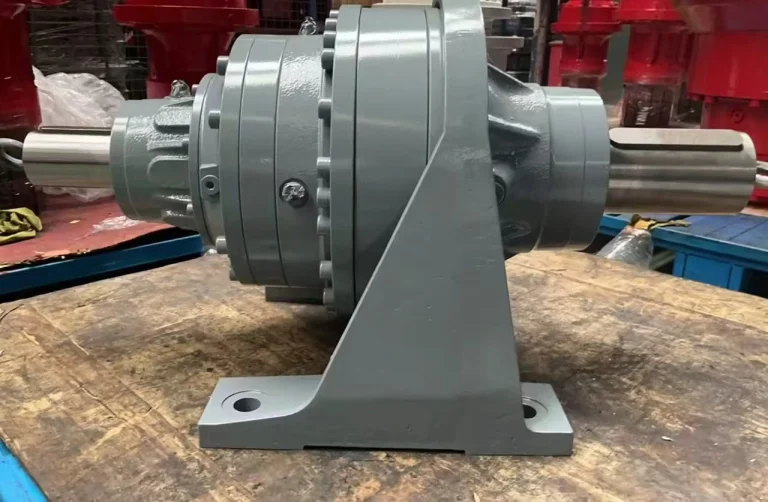
Parallel helical gears see wide use in industrial drive systems. They provide great load handling, solid efficiency, and steady torque transfer. Their contact mainly rolls, which cuts friction. So, they suit ongoing work equipment. These traits match the gearbox designs we create at Guomao. There, long life and steady transmission shape our work focus.
How Parallel Helical Gears Transfer Torque in Parallel-Shaft Drives
Parallel helical gears send torque via slanted teeth. These teeth make several contact points as they turn. This multi-tooth setup spreads the load evenly. It also cuts vibration. As a result, power moves efficiently with less stress on parts. Since shafts stay parallel, torque travels smoothly through the gear contact. This backs a strong performance in tough conditions.
Efficiency, Noise, and Thermal Characteristics in Continuous-Duty Operation
Efficiency marks a big plus for parallel helical gears. Their tooth contact makes little frictional heat. Low energy waste keeps lubrication steady. It also eases heat strain, which lengthens the gear system’s life. Plus, they’re even meshing drops of noise. This helps in tasks that need quiet running.
Ideal Applications: Conveyors, Mixers, Hoisting Drives, and High-Torque Systems
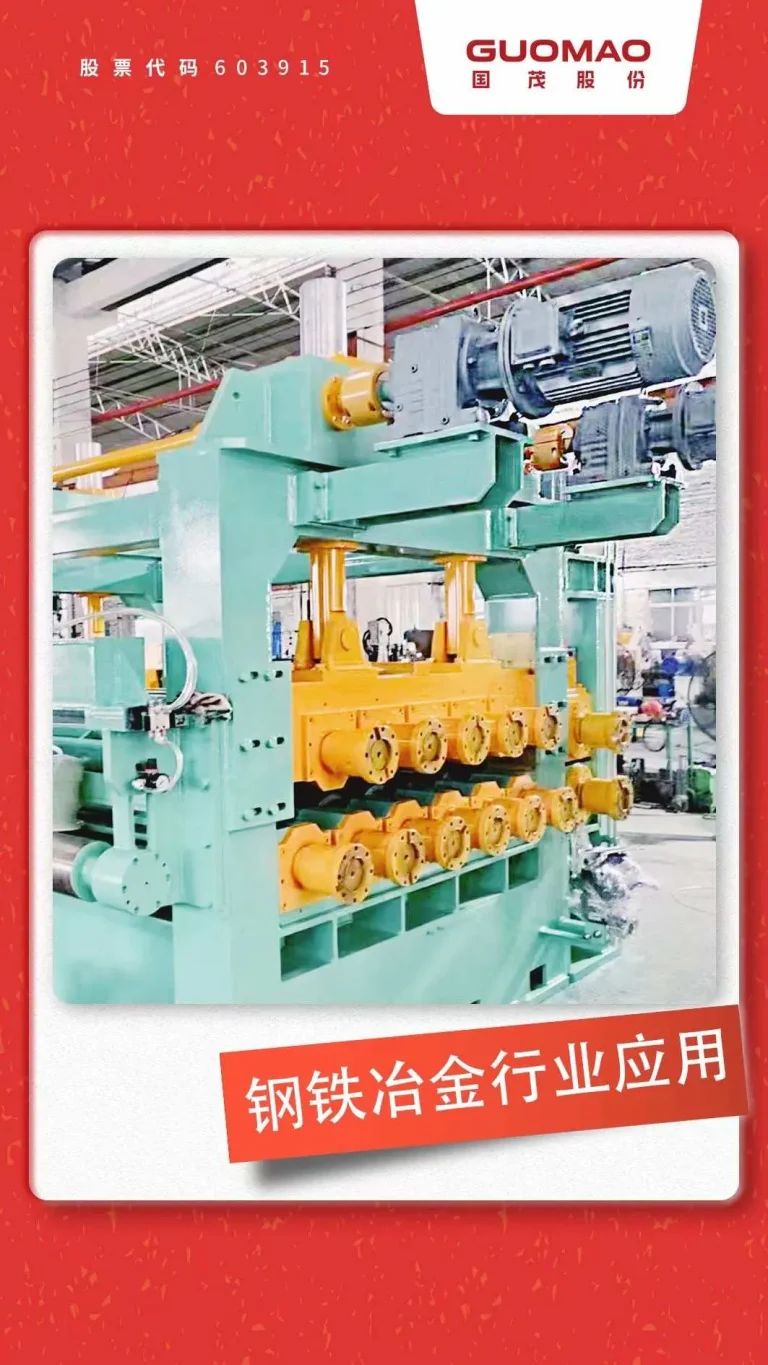
Parallel helical gears shine in conveyors, agitators, mixers, bucket elevators, and hoisting gear. These are cases that demand high torque and steady work. Our Guomao GF Series parallel-shaft helical geared motors and GR Series Helical Geared Motor fit these needs. They offer good radial load handling, flexible setup choices, and lasting reliability.
Understanding Crossed Helical Gears: Directional Flexibility and Compact Drive Design
Crossed helical gears bring benefits where shaft setup, space issues, or direction shifts matter more than high torque. They run less efficiently due to sliding contact. Still, they give design freedom in small setups. These find use in lighter work areas.
How Crossed Helical Gears Achieve Motion Transfer Across Non-Parallel Shafts
Crossed helical gears work by sending motion through angled shafts. They use helical teeth set at a slant. This shape lets motion pass without the shafts meeting or staying parallel. So, it allows easy placement of parts in tight spots.
Sliding Contact, Efficiency Loss, and Lubrication Sensitivity
Sliding contact builds more friction between crossed helical gear teeth. This drops efficiency and raises working heat. Good lubrication is key to cutting wear. Thus, these gears fit best in low-to-medium load tasks. They work now and then, not all the time.
Ideal Applications: Light-Duty Actuators, Positioning Mechanisms, and Compact Drives
Crossed helical gears put flexibility first over torque. So, they appear often in small actuators, setup mechanisms, indexing tools, and low-load auto parts. In these spots, fitting into space counts more than raw strength.
Performance Comparison: Parallel vs Crossed Helical Gears in Real Industrial Conditions
Performance differences between these gear types become significant when evaluated under real industrial loads. Parallel helical gears consistently outperform crossed helical gears in efficiency, torque transmission, and thermal stability.
Efficiency and Power Loss Under Load
Parallel helical gears achieve efficiency ratings above 95%, supported by rolling engagement that minimizes heat and friction. Crossed helical systems experience higher power loss, which can elevate operating costs in continuous-duty machinery.
Torque Capacity and Shock Load Resistance
Torque capacity strongly favors parallel helical gears because their tooth geometry withstands both radial and axial loads. Crossed helical gears are unsuitable for shock loads and heavy-duty operations.
Noise, Vibration, and Thermal Behavior During Operation
Parallel helical gears maintain quiet, stable operation, making them ideal for noise-sensitive equipment. In contrast, sliding contact in crossed helical gears increases noise and heat generation, reducing their suitability for large industrial drives.
Maintenance Requirements and Expected Service Life
Parallel helical gear systems generally require minimal maintenance because their efficient meshing preserves lubrication quality. Crossed helical gears need more frequent inspection and lubrication due to increased frictional wear.
Key Selection Criteria for Choosing the Right Gear Set
Choosing the correct gear set requires analyzing shaft layout, torque requirements, duty cycle, space limitations, and efficiency priorities.
Shaft Orientation: Parallel vs Non-Parallel Drive Needs
Parallel helical gears work well when the shafts line up. Crossed helical gears help in angled-shaft setups. There, build limits shape the plan.
Required Torque, Load Cycles, and Duty Conditions
Steady-work or high-load systems gain from parallel helical gears. Their strong load skills make the difference.
Efficiency Requirements for High-Output Systems
Gear that runs long hours or saves energy should pick parallel helical systems. They cut power waste.
Space Limitations and Installation Constraints
Crossed helical gears matter when there is a tight space and a bigger gearbox is required.
Lubrication Strategy and Thermal Management Considerations
Parallel helical gear systems hold steady lubrication. They make less heat. Crossed helical gears need smart oil plans to handle friction.
How to Apply These Selection Rules in Industrial Drive Systems
Industrial engineers can use gear pick rules by linking gear traits to work needs in various machines.
Selecting Gears for Heavy-Duty Conveyor and Hoisting Mechanisms
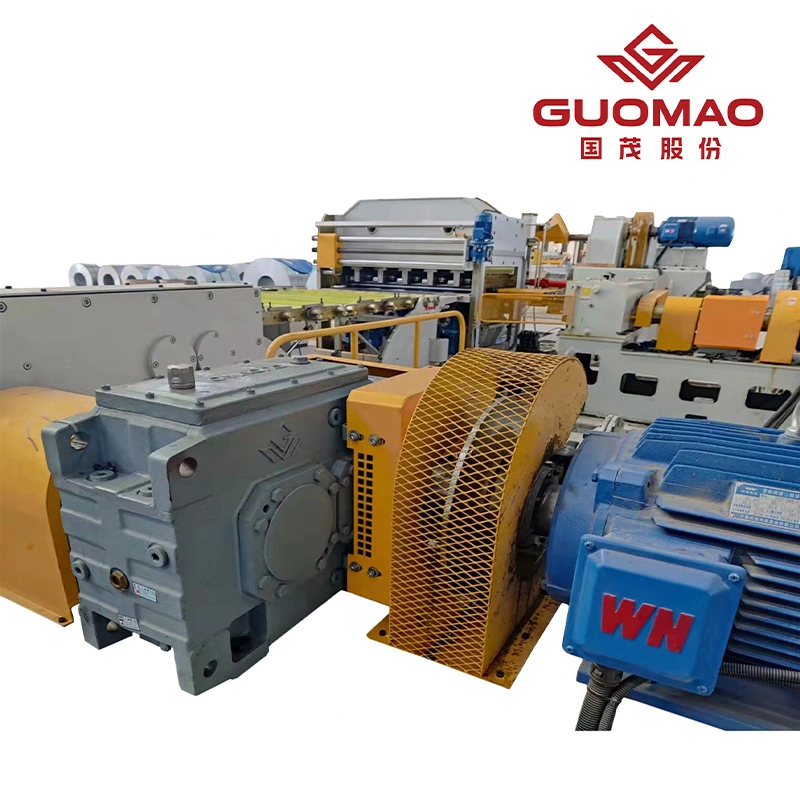
Conveyors and hoisting setups need high torque and steadiness. So, parallel helical gears stand out. Our Guomao GF Series and H-Parallel industrial Gearbox back these tasks. They give solid load handling and even power flow.
Choosing Gears for Compact, Low-Torque Positioning Drives
Small devices with direction shifts and light torque loads can use crossed helical gear sets. They allow easy alignment.
Matching Gear Type with Motor, Reducer, and Load Conditions
Picking the right gear means checking shaft layout, motor power, reducer details, and top load states.
How Gear Choice Influences Gearbox Design and System Reliability
Picking a fitting gear set boosts gearbox heat steadiness. It cuts upkeep needs and lengthens system life.
Guomao Gear Solutions for Industrial Power Transmission
As a focused maker of industrial drive options, we build our parallel helical gear reducers for heavy-duty tasks in many fields. Our build method stresses toughness, accuracy, and steadiness. This makes sure each gearbox runs well in hard settings.
Where Our Parallel Helical Gear Reducers Fit in Industrial Systems
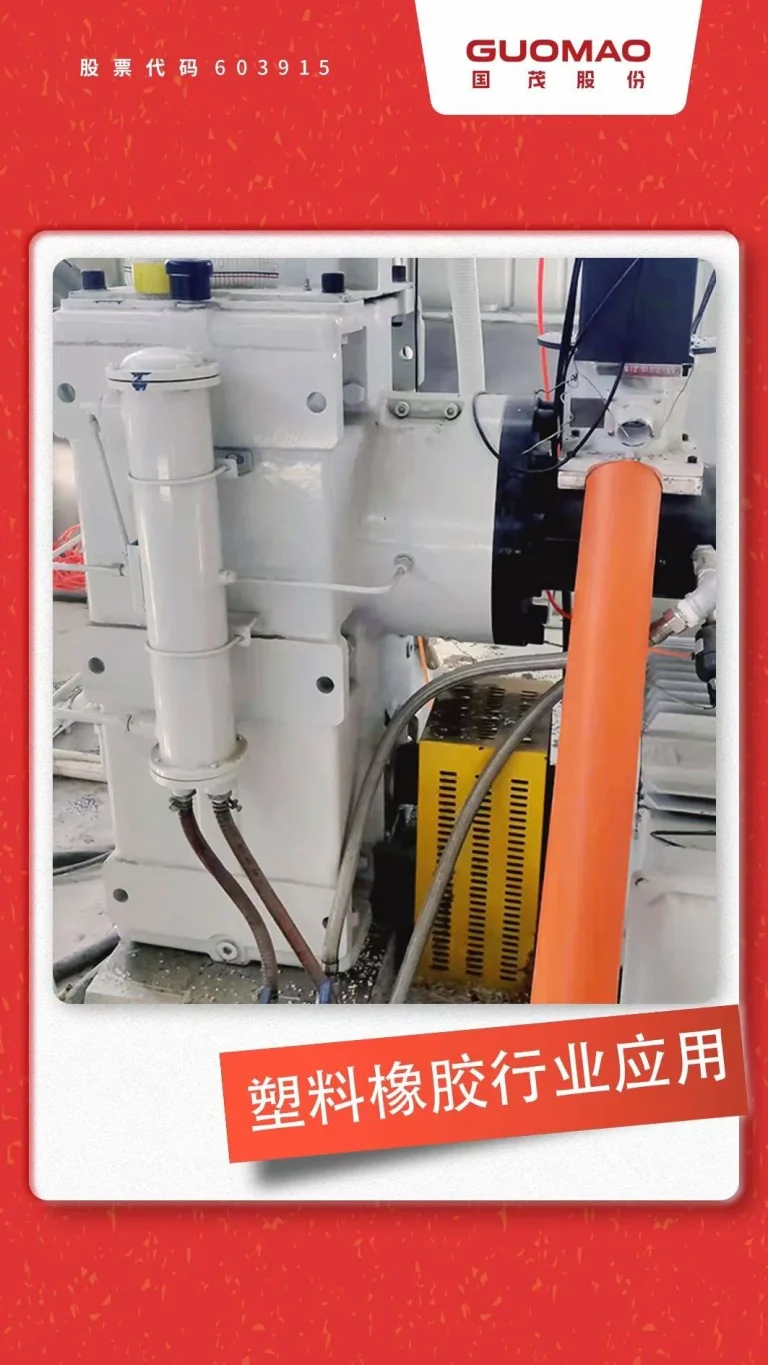
Our GF Series Parallel-Shaft Helical Geared Motors give high transmission efficiency. They also offer modular setup choices and good load handling for conveying, mixing, and hoisting systems. For wider industrial tasks needing flexible setups, our GR Series helical geared motors provide low noise, even running, and solid mechanical steadiness.
Engineering Principles Behind Our Gearbox Design
We build our gear reducers with tough materials, precisely ground helical gears, and a tuned load spread. This maximizes torque output and life span. These build ideas make sure our parallel helical gear reducers hold steady work even in ongoing conditions.
How We Help Customers Optimize Gear Selection
We aid customers by reviewing torque needs, shaft setup, work cycles, and run limits. Then, we suggest the best gearbox setup. Our aim is to make each drive system reach top efficiency, toughness, and lasting reliability.
FAQ
Q: How can one determine whether parallel helical gears or crossed helical gears are better for an industrial drive system?
A: The choice hinges on shaft alignment, torque demands, and duty cycle. Parallel helical gears, such as those in our GF and GR Series, provide higher efficiency and load capacity, making them ideal for heavy-duty applications.
Q: What advantages do parallel helical gears offer in industrial power transmission?
A: Parallel helical gears deliver smooth torque transfer, low noise, strong load-bearing capacity, and excellent efficiency. These benefits align with the performance of our Guomao parallel-shaft helical gear reducers.
Q: Are crossed helical gears suitable for heavy-duty equipment?
A: Crossed helical gears are not recommended for heavy-duty use due to lower efficiency and torque capacity. Heavy-duty equipment typically requires parallel helical gear solutions like those found in our H Series industrial gearboxes.
Q: How does gear efficiency influence gearbox selection?
A: Higher efficiency reduces energy consumption and heat generation. Parallel helical gears generally deliver superior efficiency, making them the preferred choice in many Guomao industrial gear reducers.
Q: Which brand provides reliable parallel helical gear reducers for industrial applications?
A: Guomao offers a wide range of parallel helical gear reducers engineered for high performance in conveying, mixing, hoisting, and other continuous-duty applications.